

Punakha
Punakha sits in one of Bhutan’s most fertile valleys, cradled where the Mo Chhu and Pho Chhu rivers meet. For centuries it served as the kingdom’s capital and remains a place rich with stories woven through its fields, temples, and riverbanks. The city’s low elevation brings warmer weather than much of Bhutan’s highland regions, and rice paddies fill the landscape with vivid green during planting and golden hues at harvest.
Gouda
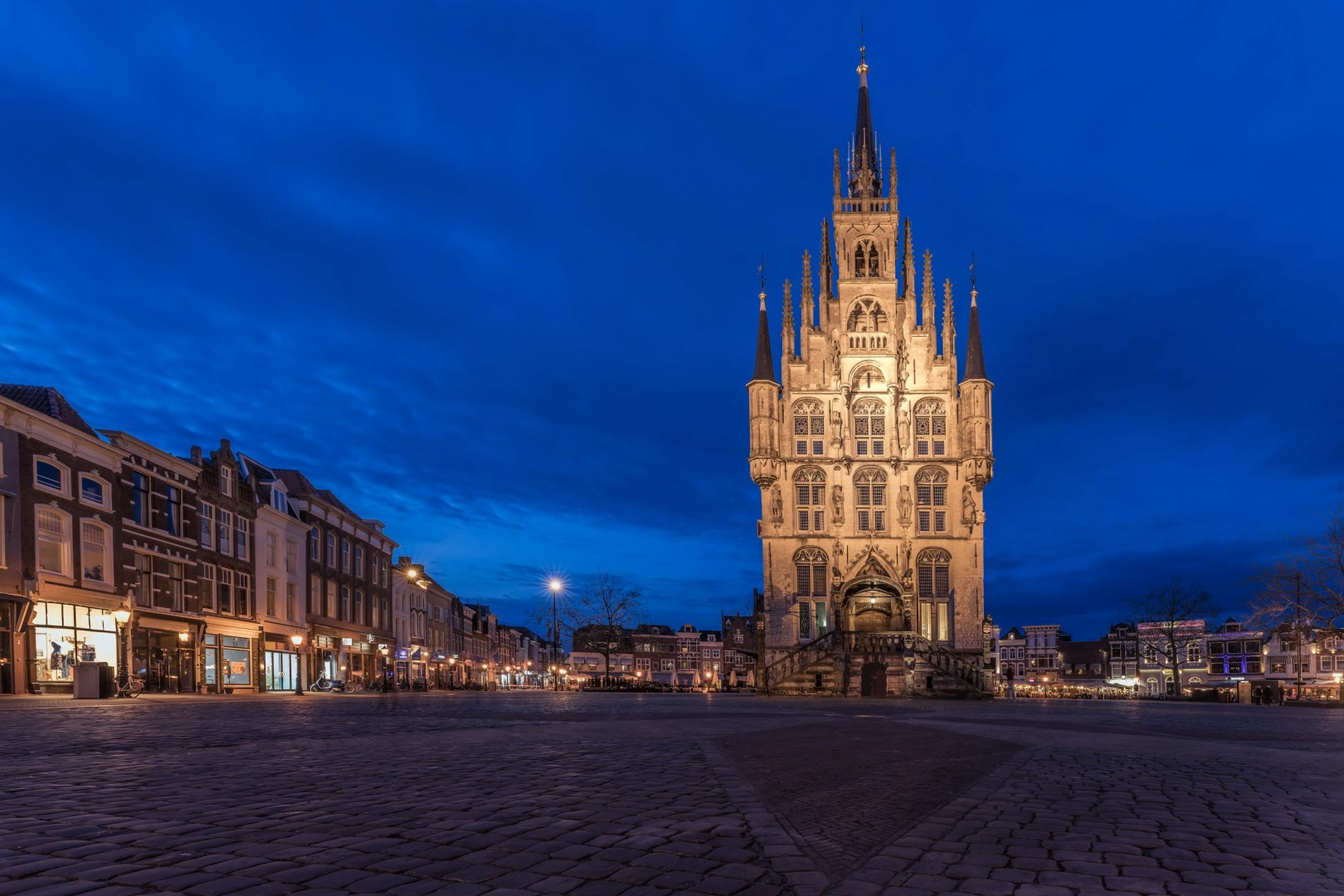
Gouda is a historic city in South Holland, situated where the Gouwe and Hollandse IJssel waterways meet. Its compact center is known for canals, brick houses, bridges, and a network of narrow streets surrounding the Markt, one of the Netherlands’ largest historic town squares. The Gothic St. John’s Church dominates the square and is particularly notable for its extensive collection of stained-glass windows.
Marken
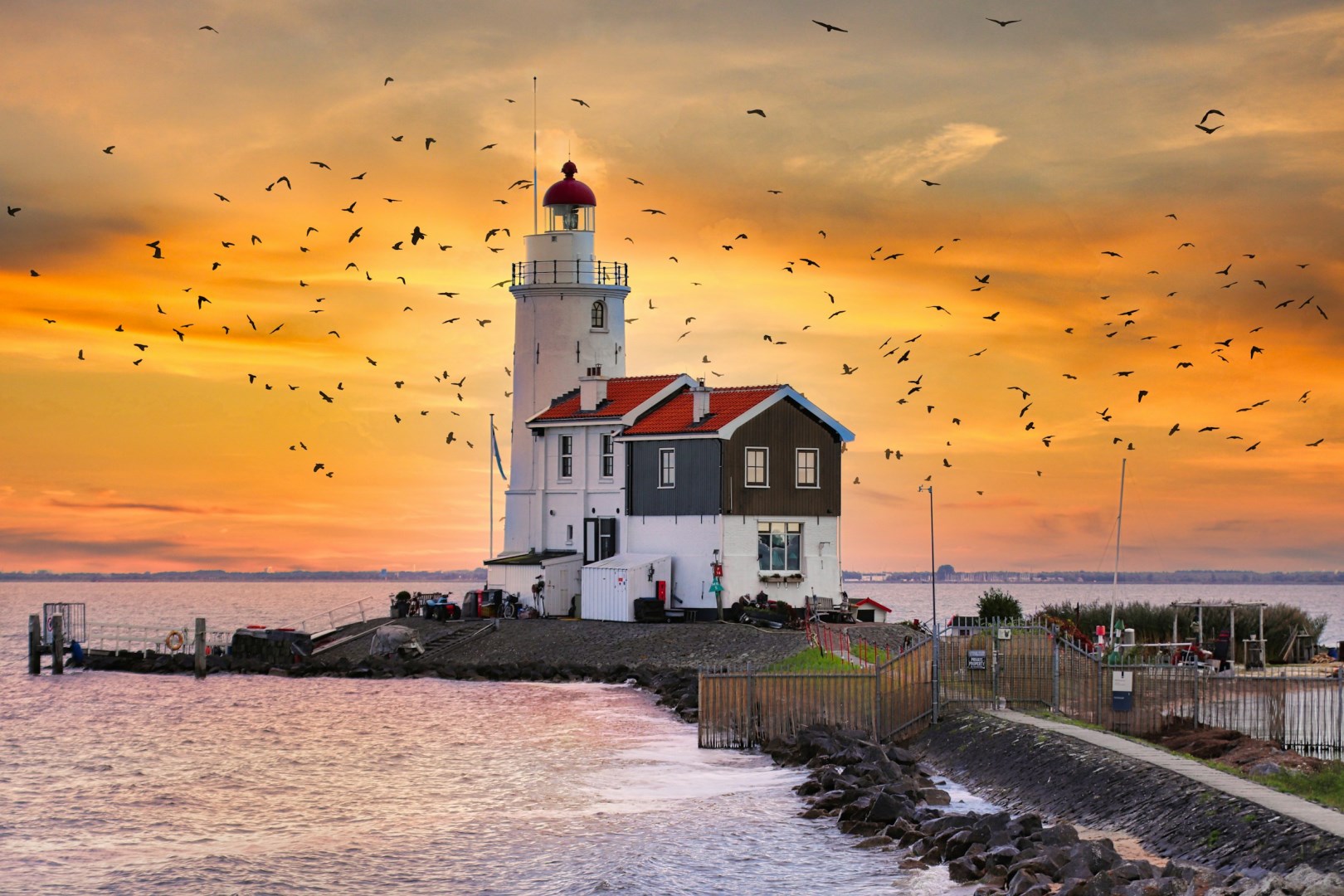
An island in the Iisselmeer until 1957 when it was linked to the mainland by a dike. Its unique houses are painted deep green and built on stilts to protect them against the raging sea.

Stavanger
The Port of Stavanger is a popular stop on the route to the Norwegian Fjords, and boasts a first-rate assortment of museums and cultural events. Old Stavanger has Europe’s best preserved wooden house settlement.
Hyderabad
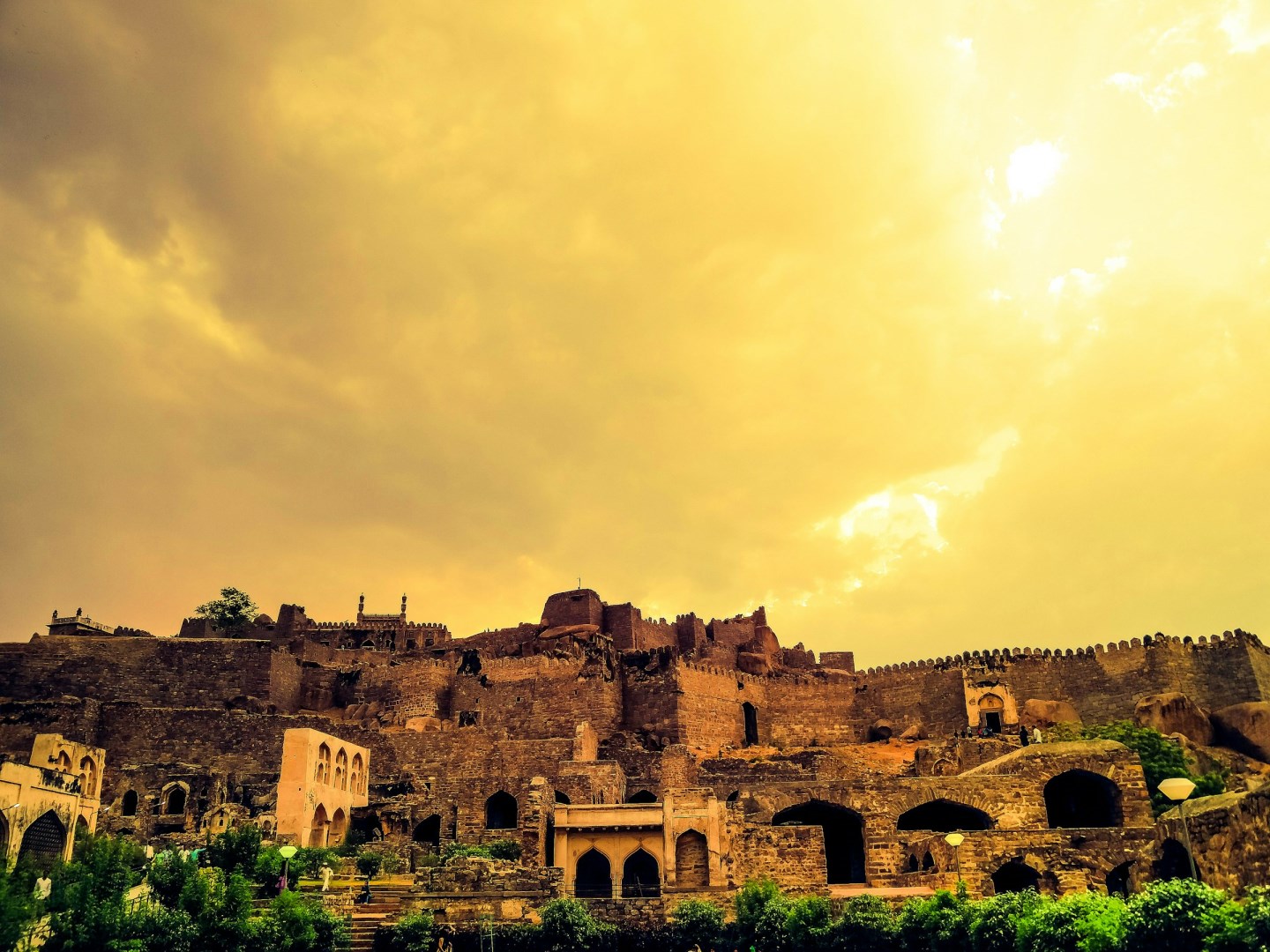
Hyderabad is the capital of Telangana in southern India, built around the Musi River and shaped by a long history of Deccan kingdoms, Islamic architecture, Hindu traditions, and modern technology. The city combines historic neighborhoods with expanding business districts, universities, markets, and residential areas. Its older quarters are centered around landmarks such as Charminar and the Mecca Masjid, while newer Hyderabad is known for its technology and pharmaceutical industries. Granite out
