
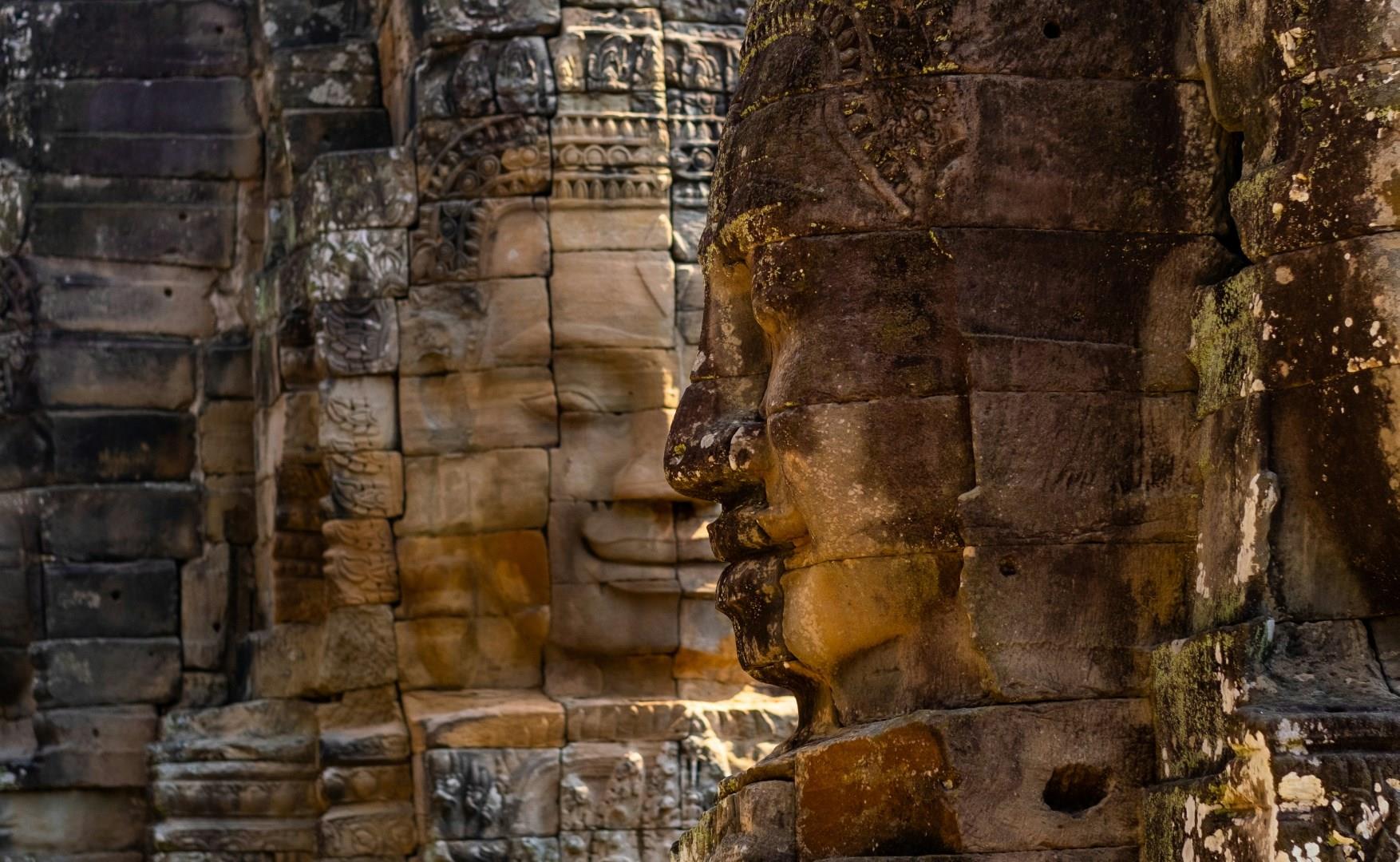
Siem Reap
Siem Reap is best known as the gateway to Angkor, the ancient capital of the Khmer Empire, but the town itself offers far more than a launching point for temple exploration. Located in northwestern Cambodia, Siem Reap balances centuries-old traditions with a rapidly evolving cultural scene. Its streets are lined with colonial-era buildings, Buddhist pagodas, bustling markets, and open-air cafés.
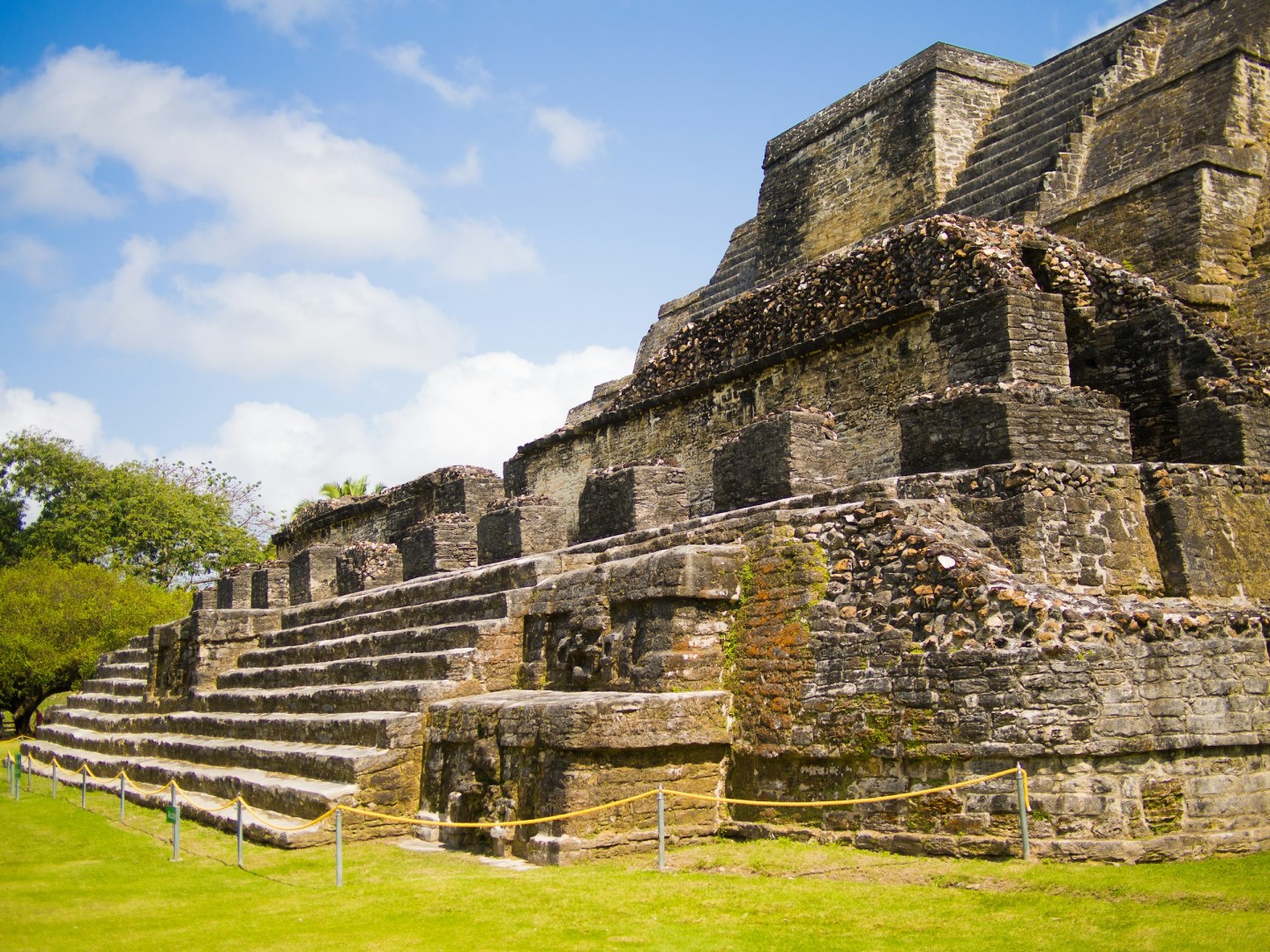
Altun Ha
Altun Ha, where archaeologists found a nine-pound jade carving among these ruins, the largest ever uncovered in a Mayan civilation.
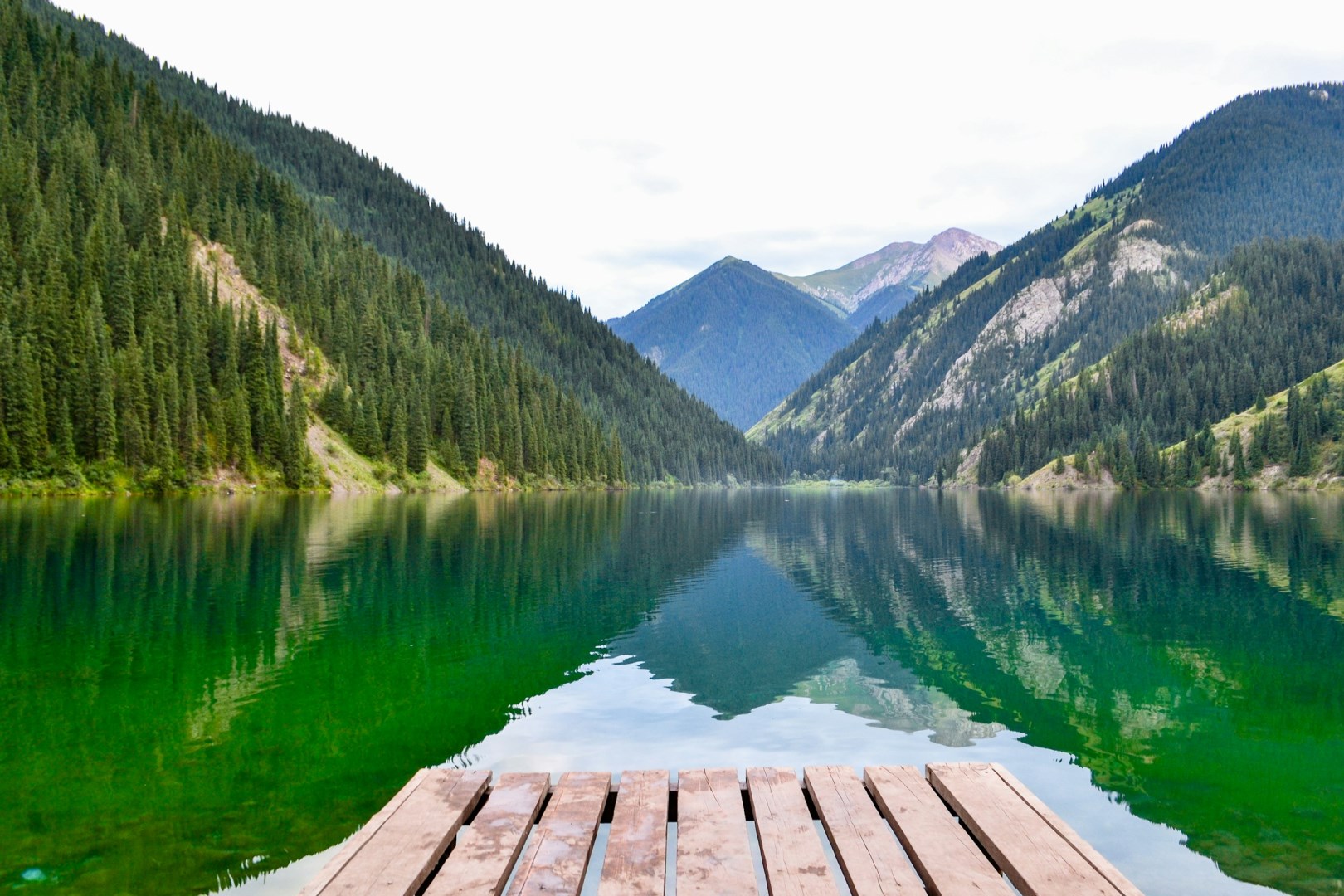
Kolsai Lakes National Park
Kolsai Lakes National Park is a protected mountain area in southeastern Kazakhstan, located in the northern Tian Shan east of Almaty. The park is centered on a chain of alpine lakes surrounded by steep forested slopes, rocky peaks, and mountain valleys. The three Kolsai Lakes occupy different elevations along the Kolsai River, with the landscape changing from coniferous forest at lower levels to alpine terrain higher in the mountains.
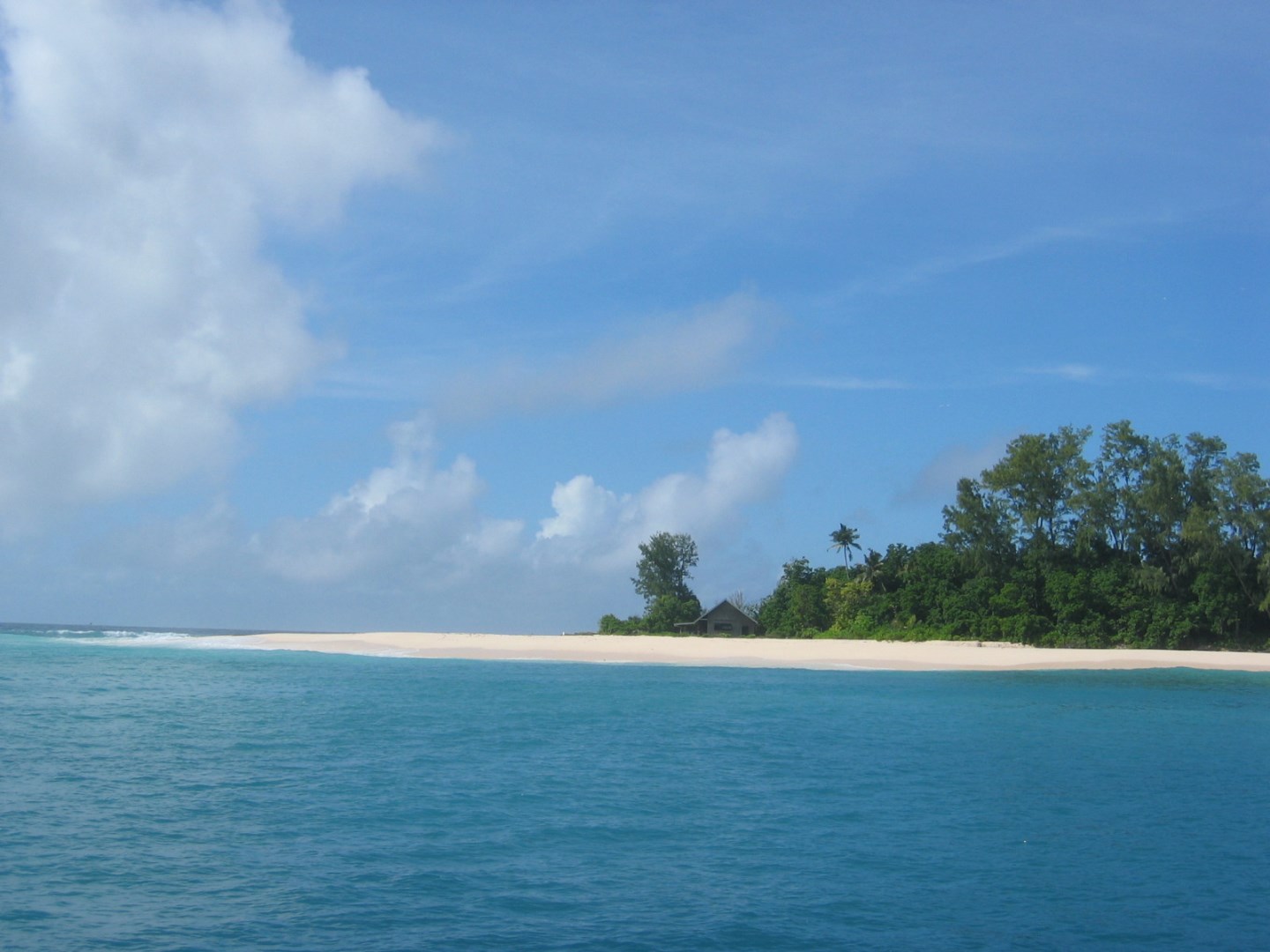
Cousin Island
Cousin Atoll, a gem in the Seychelles, is renowned for its unspoiled natural beauty and thriving ecosystems. Located approximately 7 kilometers southwest of Praslin Island, this small, crescent-shaped atoll offers a pristine escape into nature. Its white sandy beaches, crystal-clear waters, and vibrant coral reefs make it an ideal destination for eco-tourists and nature enthusiasts
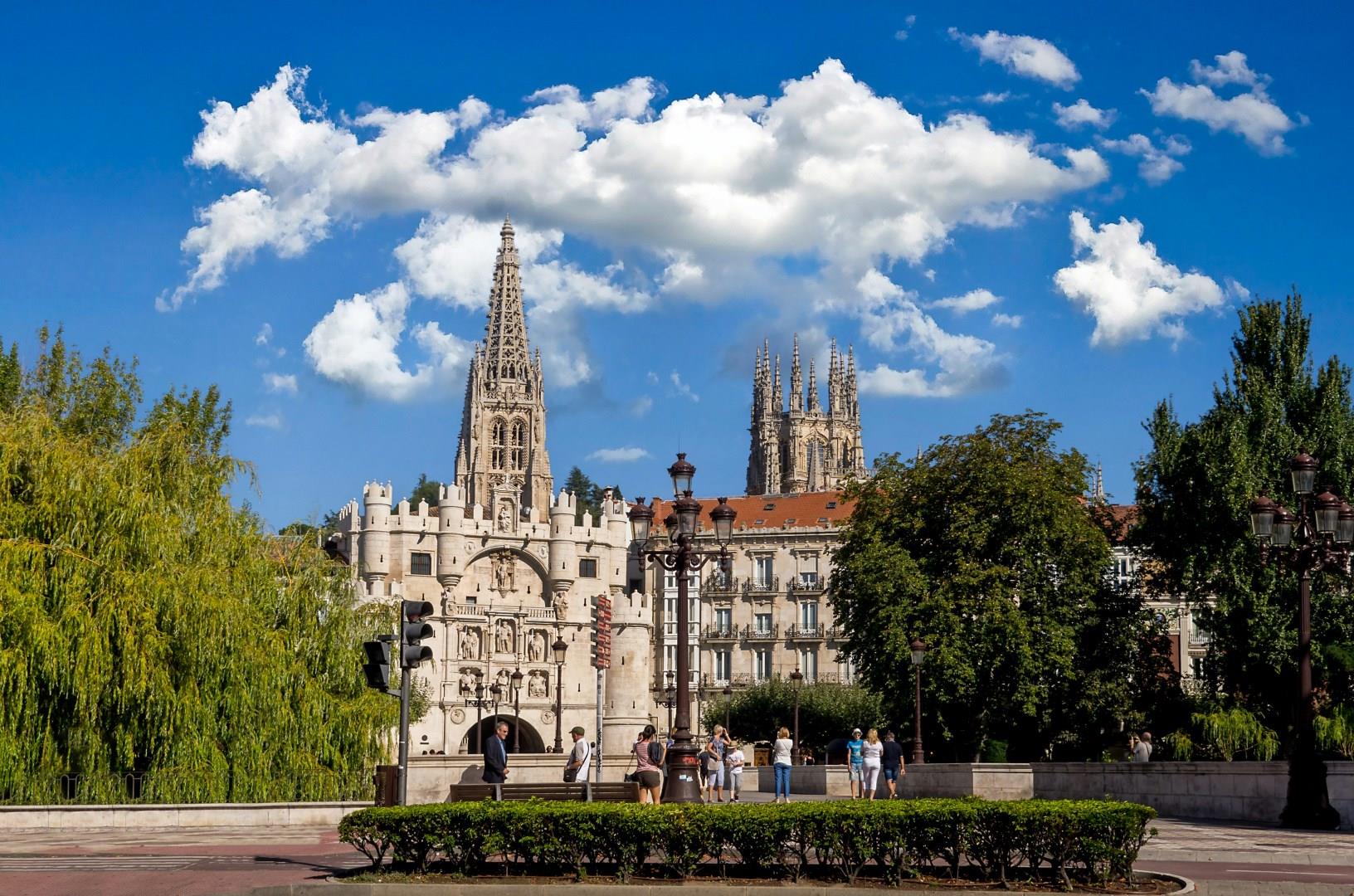
Burgos
Burgos, located in northern Spain, is a city where medieval heritage is still part of daily life. At its heart stands the Burgos Cathedral, a UNESCO World Heritage Site and one of the most striking examples of Gothic architecture in Europe. Construction began in 1221 and continued for over 300 years, resulting in a cathedral that features elaborate spires, stained glass, and the tomb of El Cid, Spain’s legendary military leader.
