
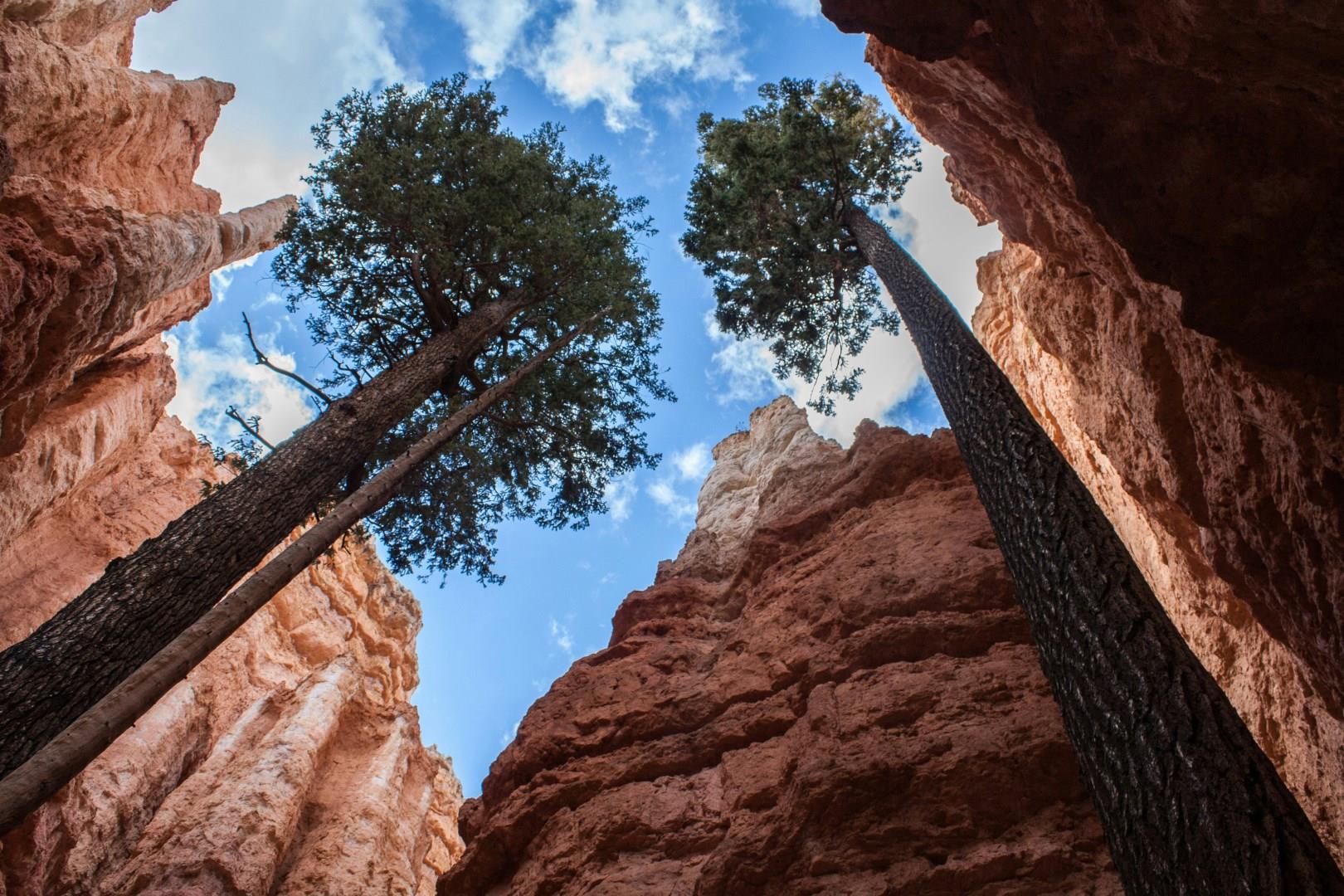
Bryce Canyon
Bryce Canyon, tucked into the high plateaus of southern Utah, offers one of the most unusual landscapes in the American Southwest. It’s not actually a canyon but a series of natural amphitheaters carved into the edge of the Paunsaugunt Plateau. What makes Bryce unique is its dense collection of hoodoos which are tall, thin spires of rock formed over millions of years by frost-wedging and erosion.

Isle of Skye
The Isle of Skye rises from Scotland’s west coast with a shape that feels almost sculpted by hand. Its ridges and peninsulas stretch outward from a mountainous core, where the Cuillin range cuts a jagged line across the sky. Travelers often begin in Portree, a harbor town lined with brightly painted buildings and small seafood spots. From here, narrow roads lead to cliff edges, quiet bays, and sweeping views where golden eagles and red deer are part of the everyday scene.

St. Kitts
St. Kitts, part of the twin-island federation of Saint Kitts and Nevis, is known for its volcanic landscape, coastal plains, and long stretches of shoreline. The island’s layout is shaped by its central peaks, including Mount Liamuiga, which rises above surrounding farmland and villages. Basseterre, the capital, serves as the main hub for commerce and government, with a harbor that regularly receives cruise ships.

Bwindi Impenetrable National Park
Bwindi Impenetrable National Park, located in southwestern Uganda, is one of Africa’s most extraordinary natural treasures. Its dense rainforest, often draped in mist, shelters a wealth of biodiversity and has been recognized as a UNESCO World Heritage Site for both its ecological significance and natural beauty. This ancient forest is among the few places on earth where travelers can come face-to-face with mountain gorillas in their natural habitat.
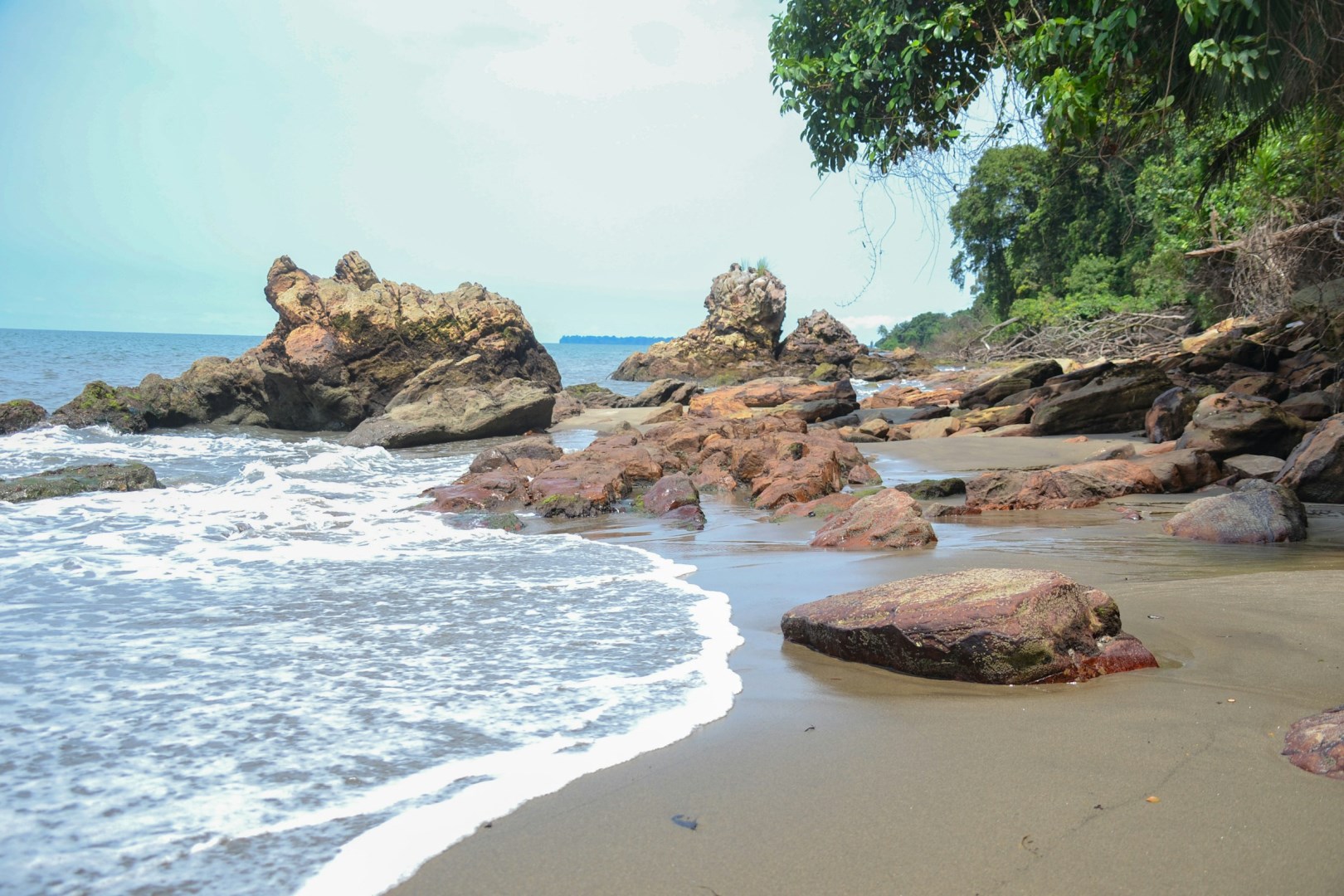
Gabon
Gabon, located on the west coast of Central Africa, is a country of lush rainforests, vast savannas, and a pristine Atlantic coastline. Despite its small population, it is home to remarkable biodiversity, including gorillas, chimpanzees, forest elephants, and countless bird species. National parks such as Loango and Ivindo protect these habitats, offering visitors a chance to experience Africa’s wildlife in relatively untouched landscapes.
