
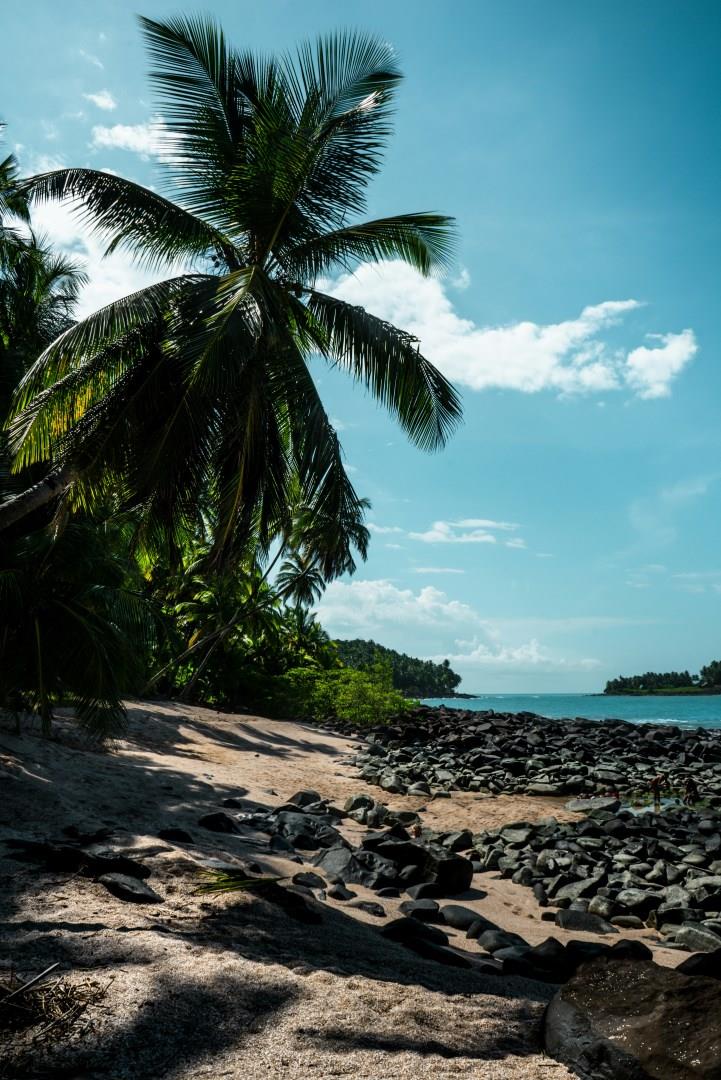
Cayenne
Cayenne, the lively capital of French Guiana, sits where the Cayenne River meets the Atlantic Ocean, blending South American rhythms with French-Caribbean influence. While it's officially part of France, Cayenne feels worlds away from Paris, with colorful markets, colonial architecture, and a language mix that includes French, Creole, Portuguese, and Indigenous dialects.

Lima
Lima's sprawling size and unique embrace of both past and present make it an unforgettably unique destination. Colonial architecture, gastronomical delights, and art are all part of the fabric of this city.
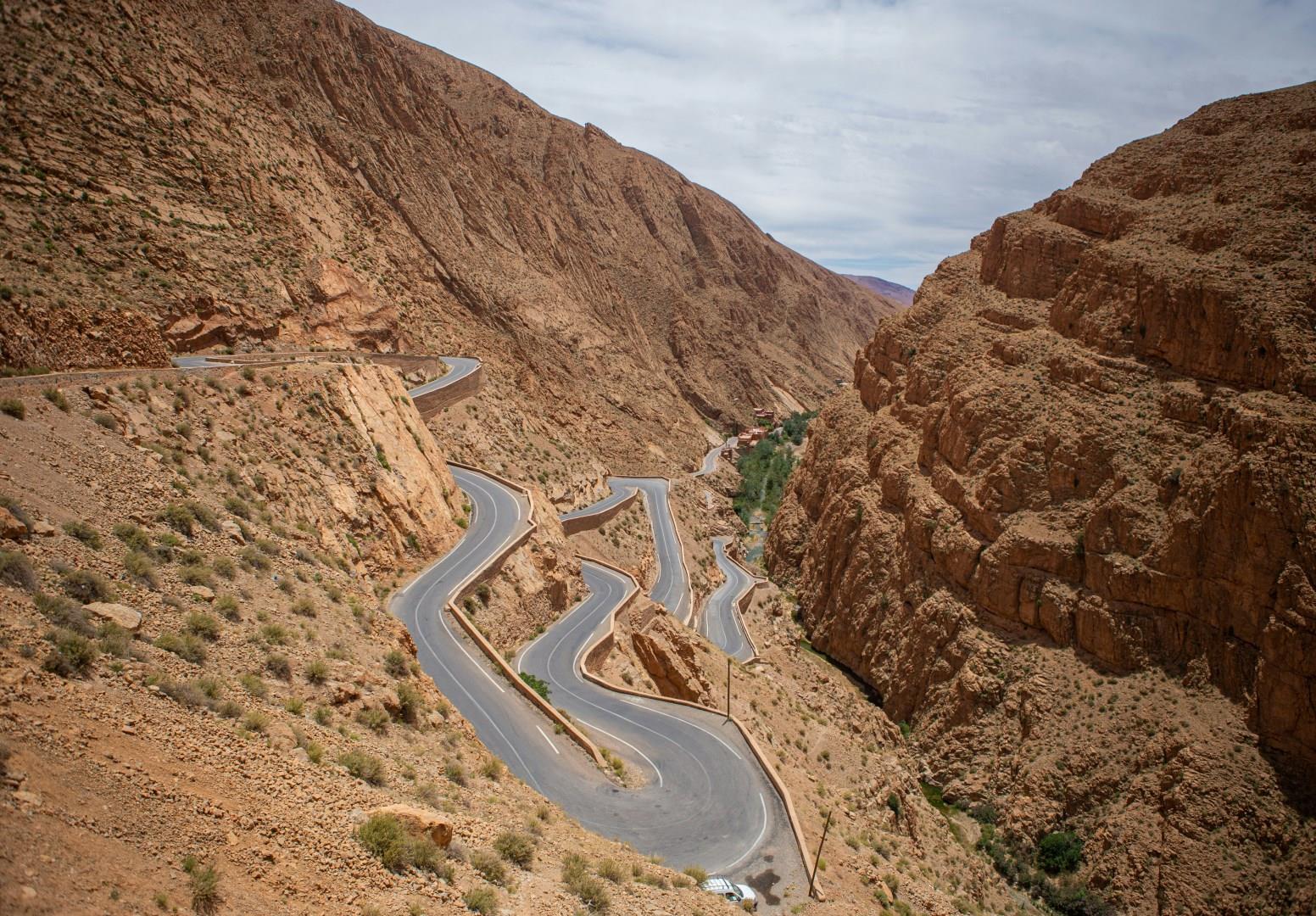
Dades Gorges
The Dades Gorges, carved by the Dades River in Morocco’s High Atlas Mountains, offer a winding stretch of road, towering rock walls, and centuries-old kasbahs perched on the cliffs. Located between the towns of Boumalne Dades and M’semrir, the gorge is especially known for its switchback road, often nicknamed “the snaking road of Tissadrine.” It’s a favorite among photographers and motorcyclists, with hairpin curves that reveal a new layer of landscape with every turn.
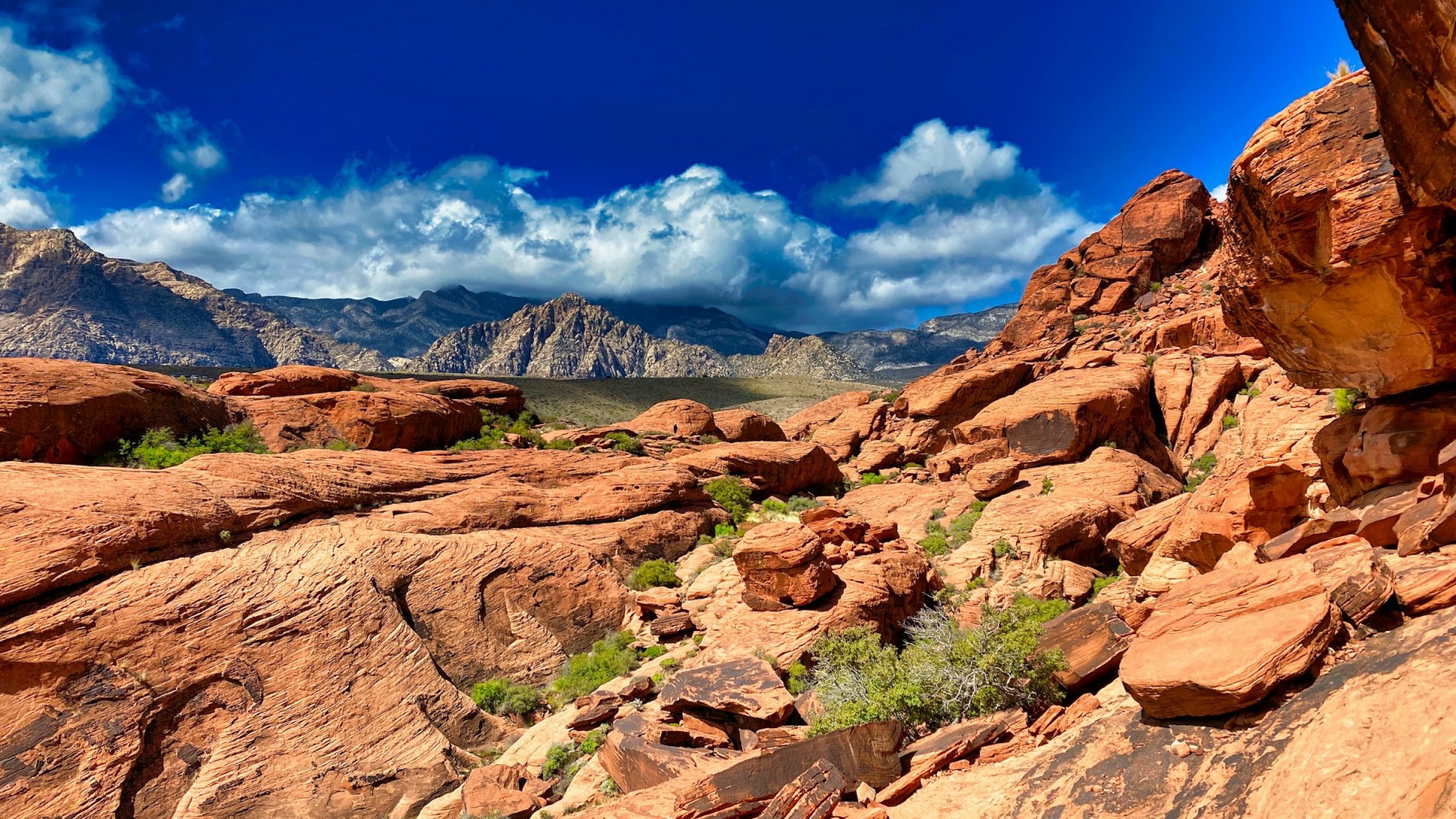
Red Rock Canyon National Conservation Area
Red Rock Canyon National Conservation Area lies about 17 miles west of the Las Vegas Strip, where the Mojave Desert rises into sandstone cliffs, rugged mountains, and broad desert valleys. Nevada’s first National Conservation Area, it covers nearly 198,000 acres and provides a sharp contrast to the developed landscape of Las Vegas. The area is best known for its red and cream-colored rock formations, especially the Calico Hills and the Red Rock escarpment.
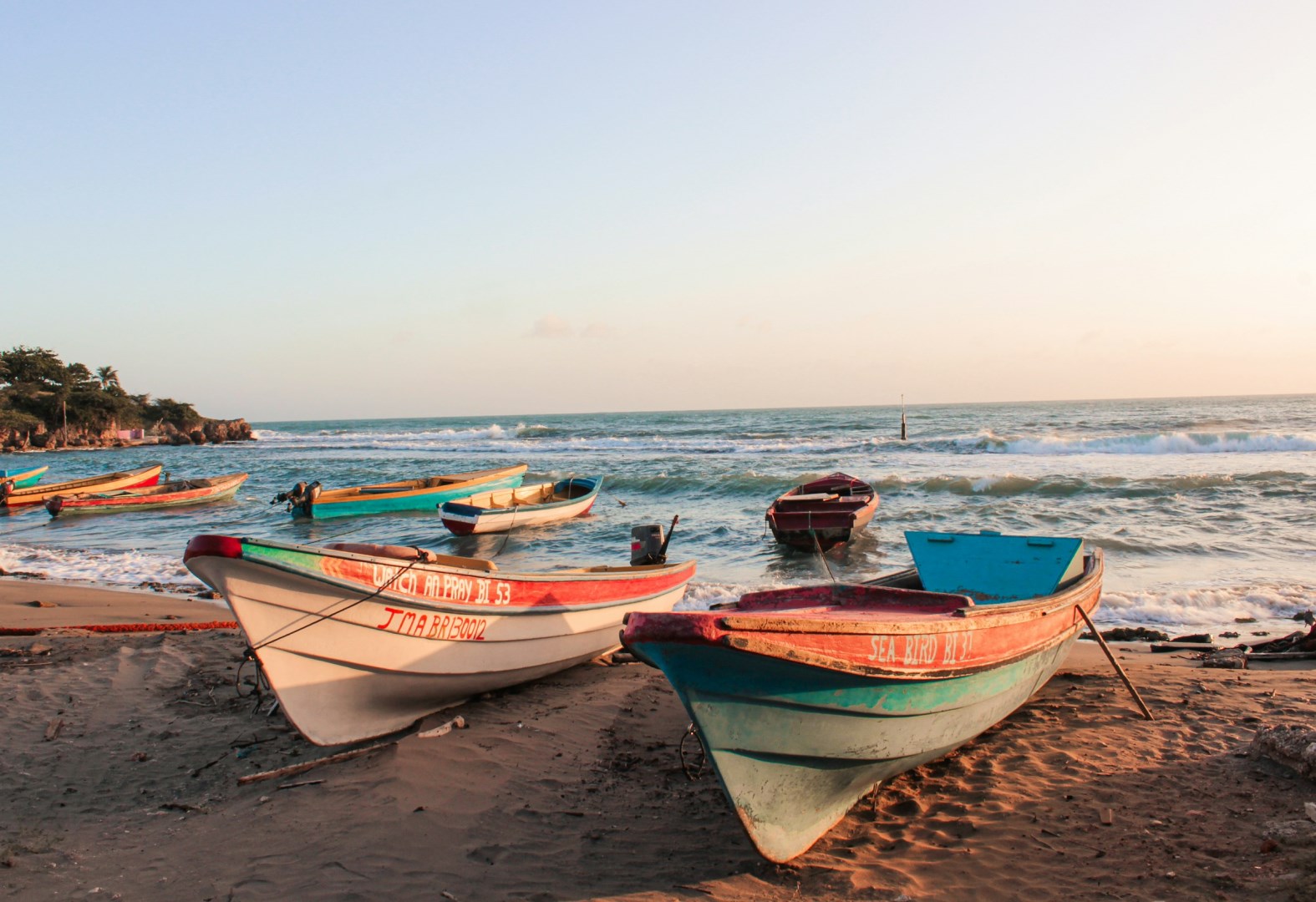
Treasure Beach
Treasure Beach is a collection of small coastal communities on Jamaica’s south coast in Saint Elizabeth Parish, known for quiet bays, fishing villages, rocky shores, and dry coastal landscapes. Unlike the larger resort areas on the island’s northern coast, the area has developed around local communities, small guesthouses, farms, and independent businesses. Calabash Bay, Frenchman’s Bay, Billy’s Bay, and Great Bay form the main coastal sections commonly associated with Treasure Beach.
