
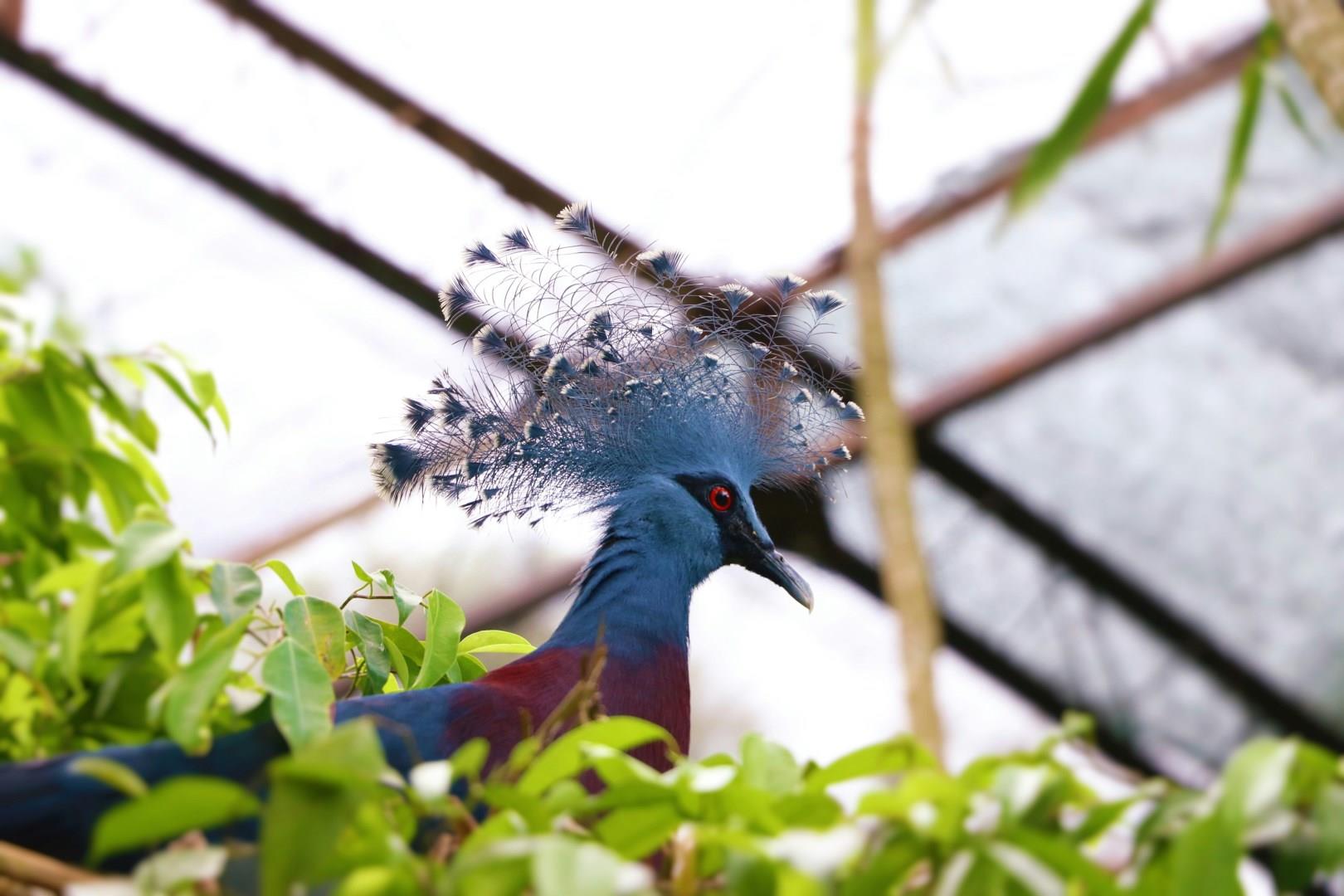
Port Moresby
Port Moresby sits by the Coral Sea as Papua New Guinea’s capital and shows visitors a city of contrasts where glittering new buildings rise beside traditional villages built on stilts. One such place is Hanuabada, the original Motuan village, where roofs reach above water’s edge and everyday life still unfolds in Tok Pisin and local tongue.

Wales
Wales is a country where centuries-old castles rise above green valleys and coastlines are marked by rugged cliffs and quiet coves. Its capital, Cardiff, combines modern architecture with historical landmarks like Cardiff Castle, which has Roman origins and a Victorian Gothic interior. Just outside the city, St Fagans National Museum of History offers a walk-through experience of Welsh life over the past 500 years, with original buildings relocated from across the country.
Luzon
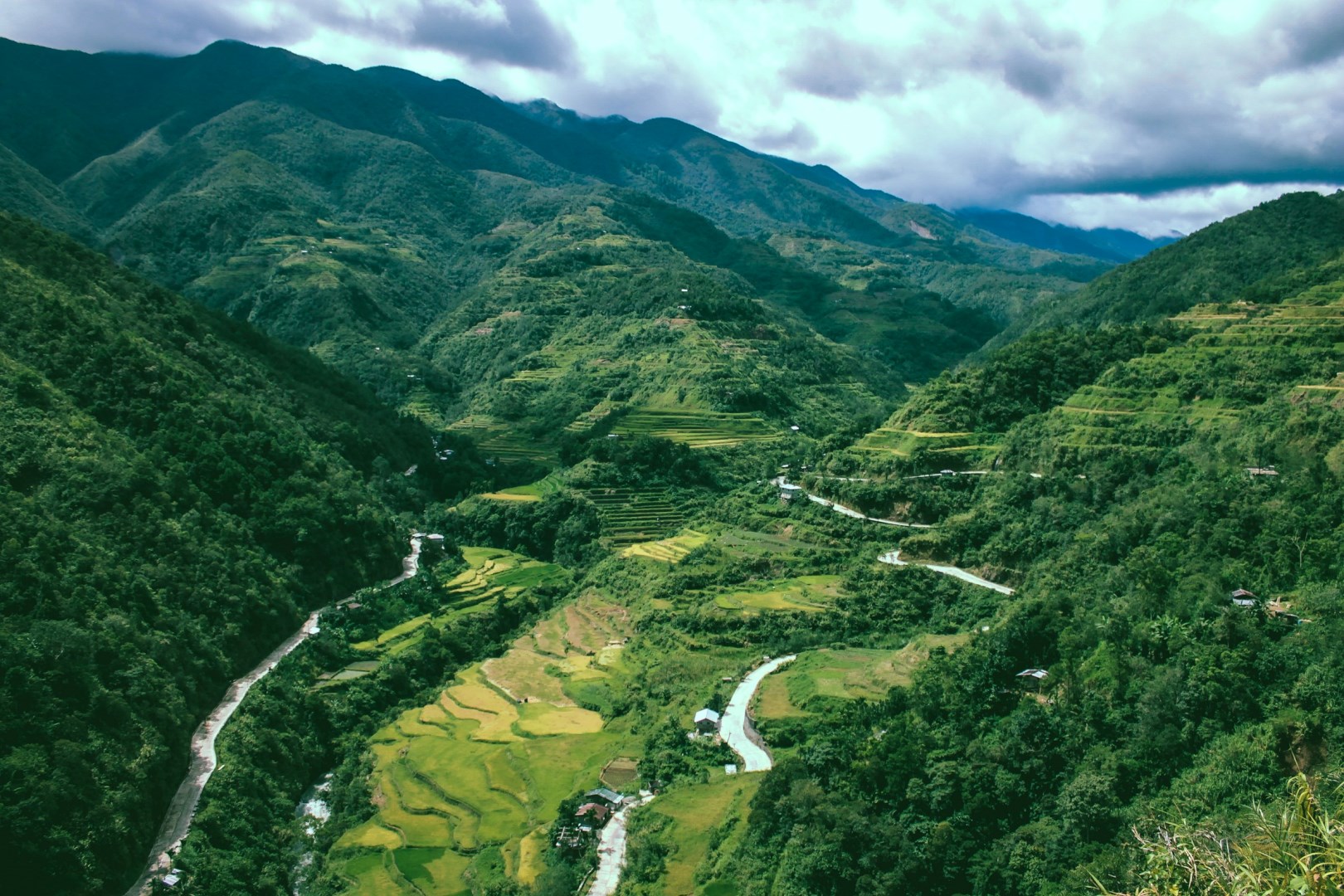
Luzon is the 15th largest island in the world, and the most populous island in the Philippines, home to 53 million people and the country’s capital, Manila. Luzon boasts a unique and eye-catching topography, with a variety of terrains and distinct geographical features. The north’s flat coastline and tropical pine forests meet at the site of Mount Pulag, Luzon’s tallest mountain peak.
Espiritu Santo Island
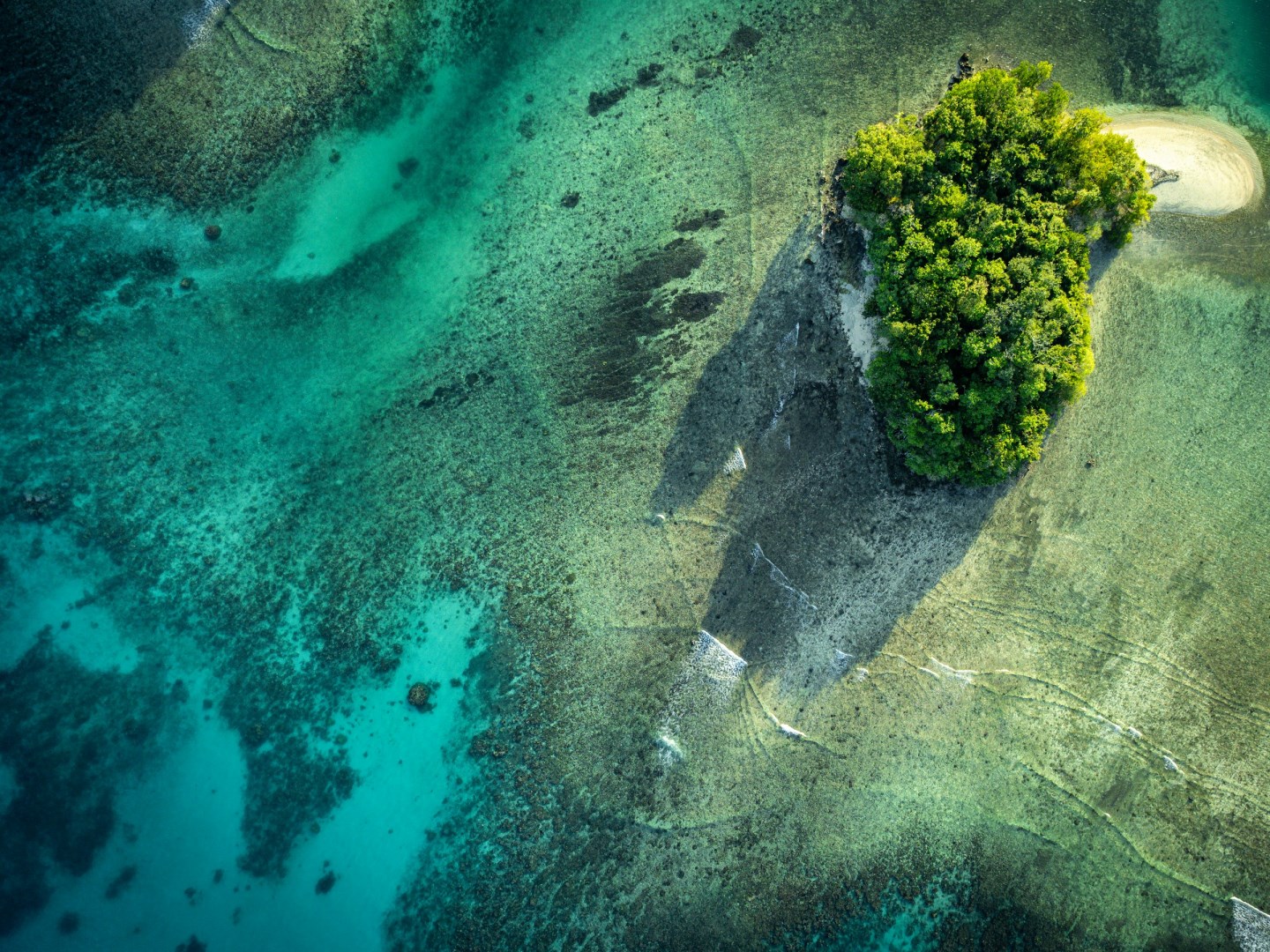
Espiritu Santo, one of the largest islands of Vanuatu off the east coast of Australia, is a popular destination for divers. Famous Champagne Beach, as one might guess from the name, offers crystal clear waters and powdery white sands, while the western side of the island is dotted with caves to explore and reefs team with marine life just offshore.

Normandy
Normandy is a province along the Northwestern coast of France. It was the site of the important World War II landings and battle and one of the most fascinating regions of France. This land is rich in legend and scenic splendor. Visit coastal villages, museums, fortresses and fragrant gardens.
