
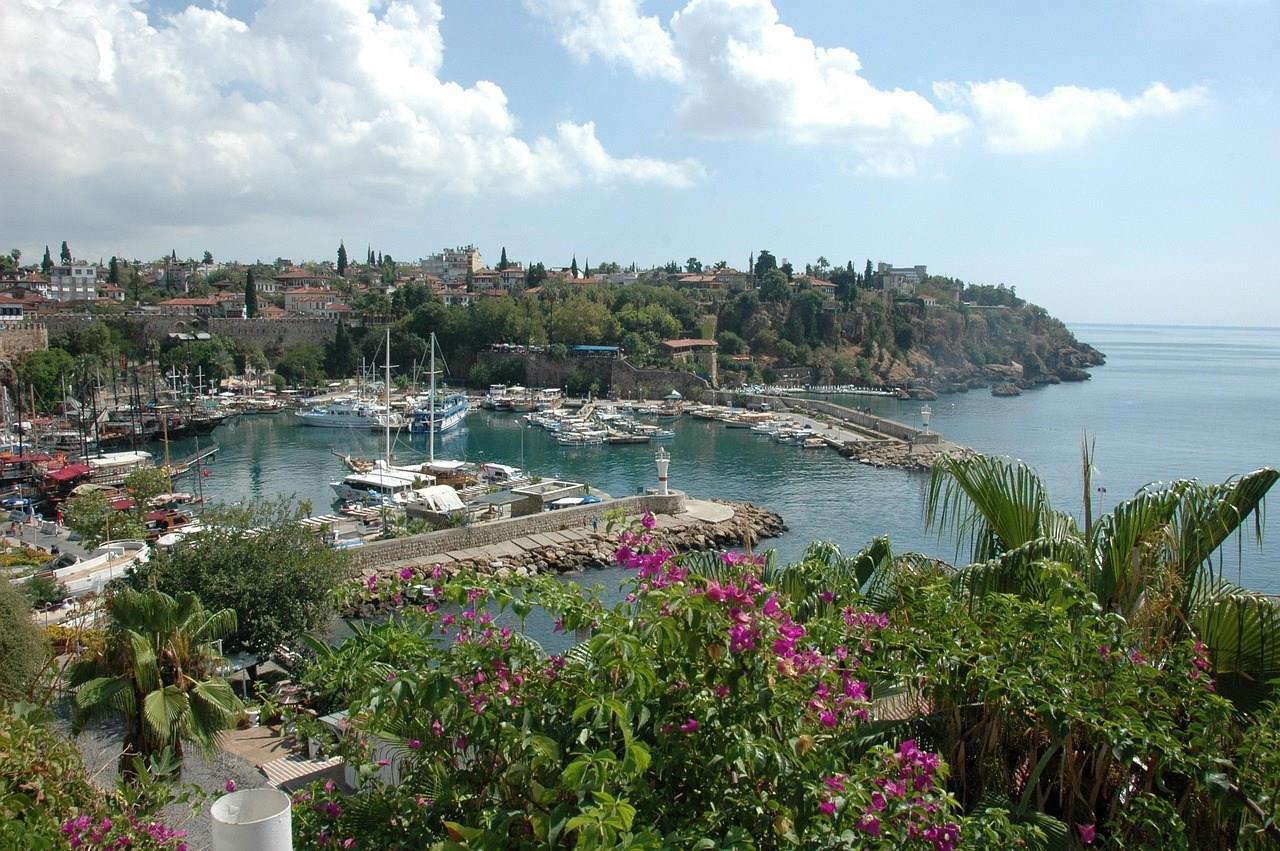
Antalya
One of Turkey's popular holiday vacation spots, Antalya is an engaging city. The region is immersed in sunshine for 300 days of the year, making it a hot spot for sunbathing, swimming and activities like wind-surfing, water-skiing, sailing, mountain climbing and caving.
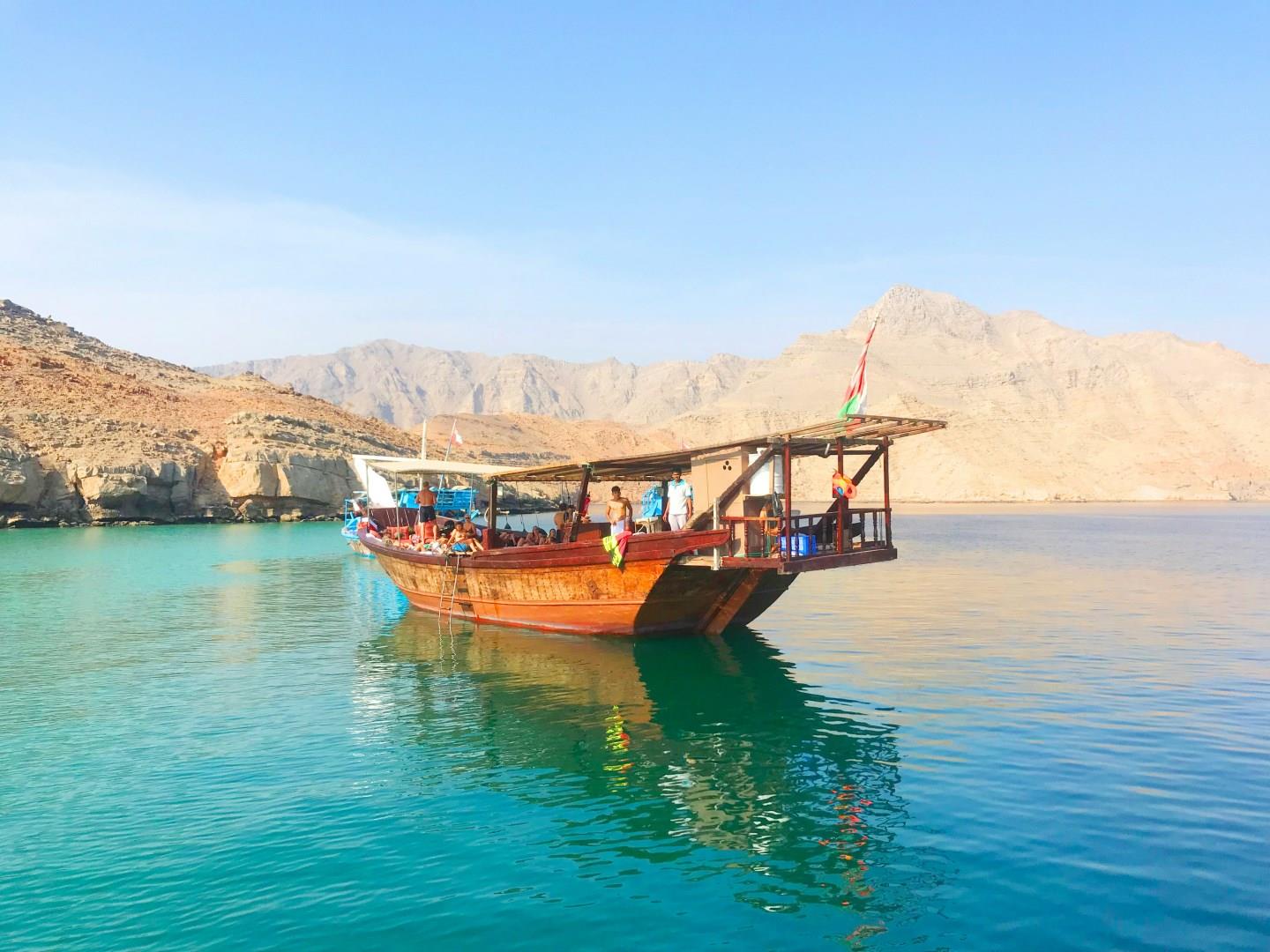
Khasab
Khasab stands at the edge of Oman’s Musandam Peninsula, where rocky inlets carve into the land like desert fjords and earning it the nickname "Norway of Arabia." A short dhow ride uncovers soaring cliffs and narrow waterways, often mirrored by pods of dolphins gliding beside the wooden vessel. These traditional dhows, used for centuries by traders, now carry visitors into those coastal arms for snorkeling, swimming, and quiet reflection.
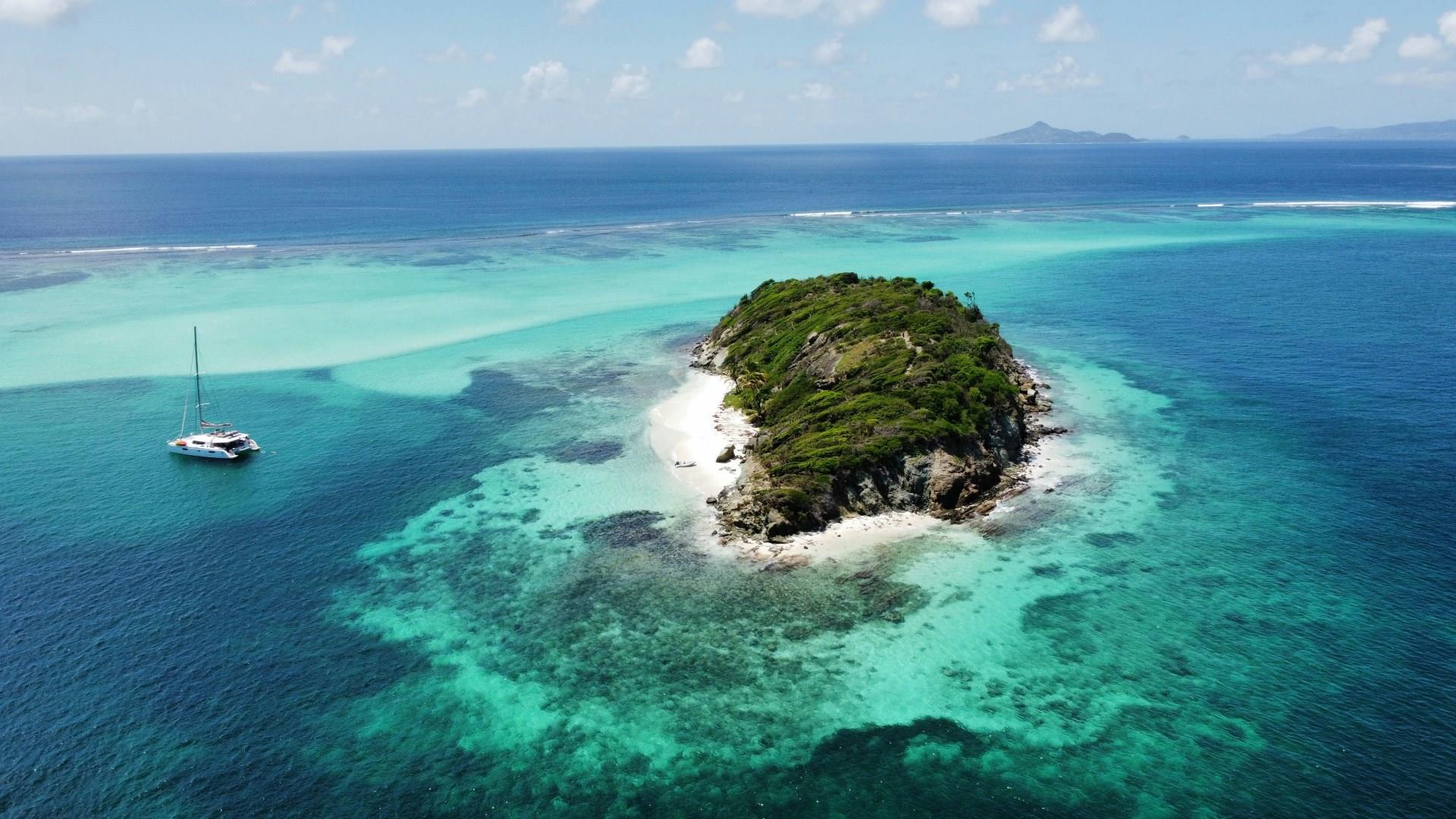
Tobago Cays
The Tobago Cays are a small cluster of uninhabited islands and reefs in the Southern Grenadines, known for their crystalline waters, coral formations, and vibrant marine life.
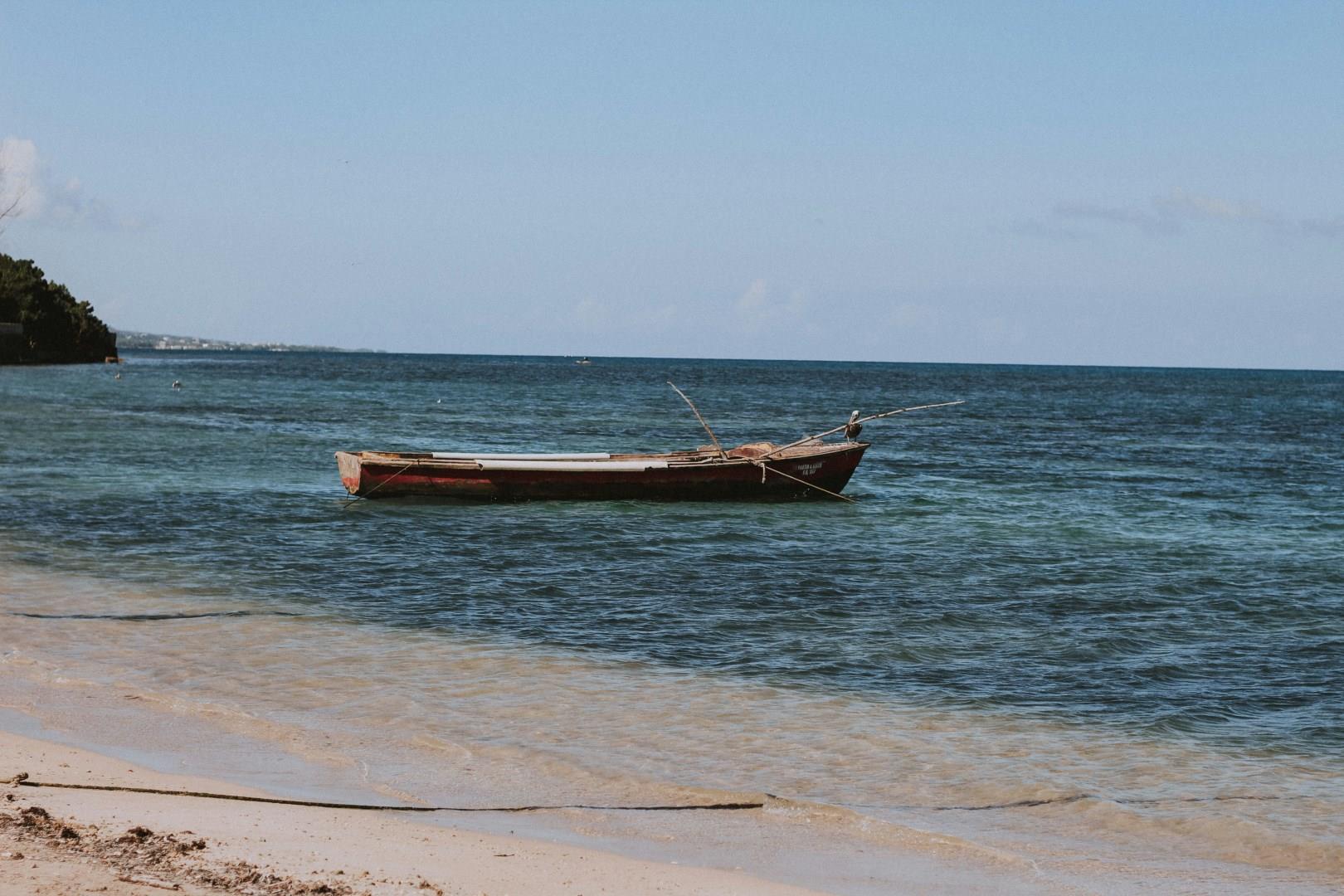
Falmouth
Falmouth, a charming port town on Jamaica’s north coast, offers a delightful mix of history, culture, and natural beauty. Founded in the 18th century, Falmouth is renowned for its well-preserved Georgian architecture, a testament to its once-thriving sugar trade.
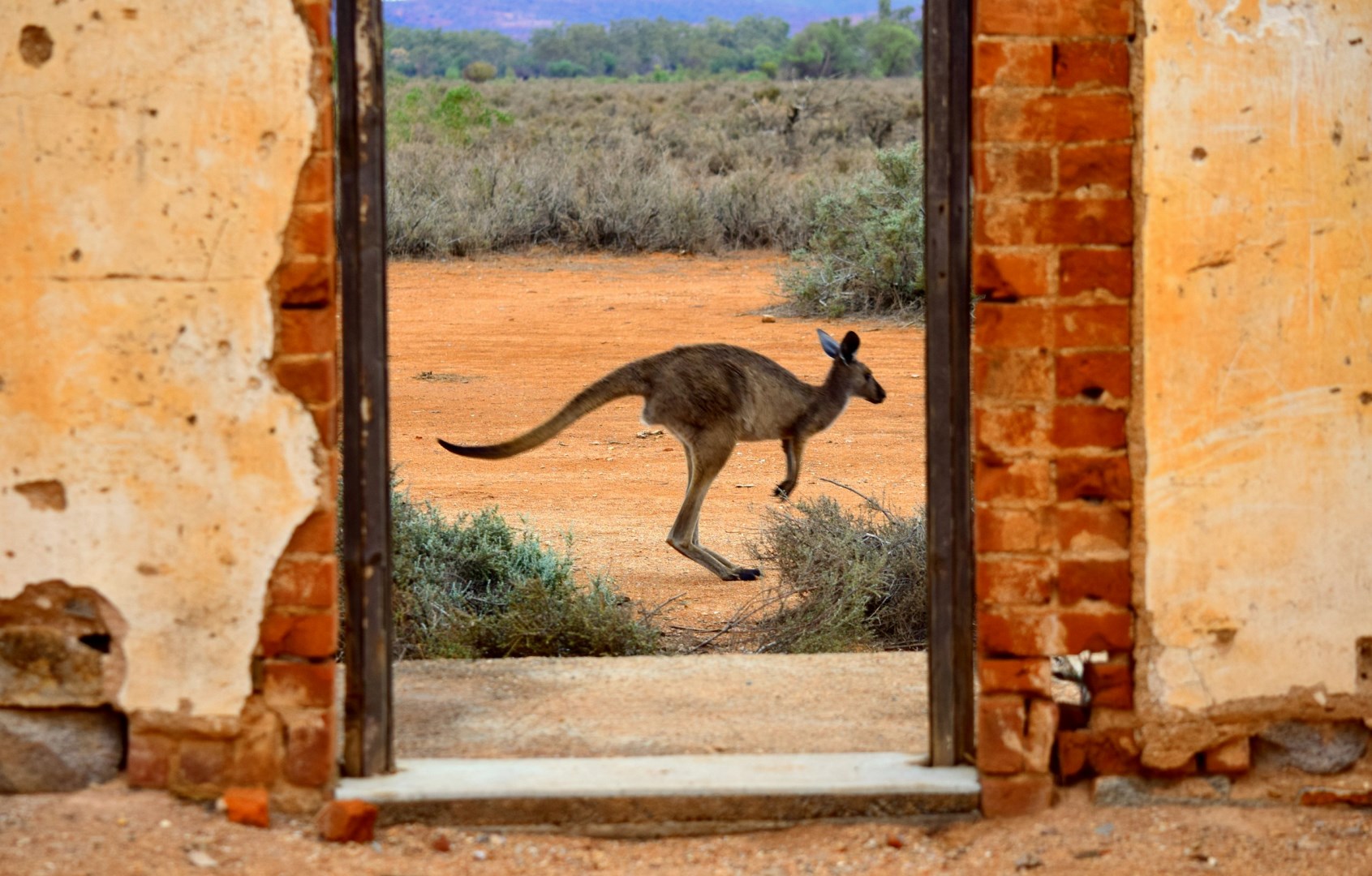
Broken Hill
Broken Hill is a mining town which is also very popular amongst Australian artists. The town is known as ‘Silver City’ and still mines for Silver, lead and zinc today. However there is only one mine that is still open today. When you get here be prepared to change your watches.
