
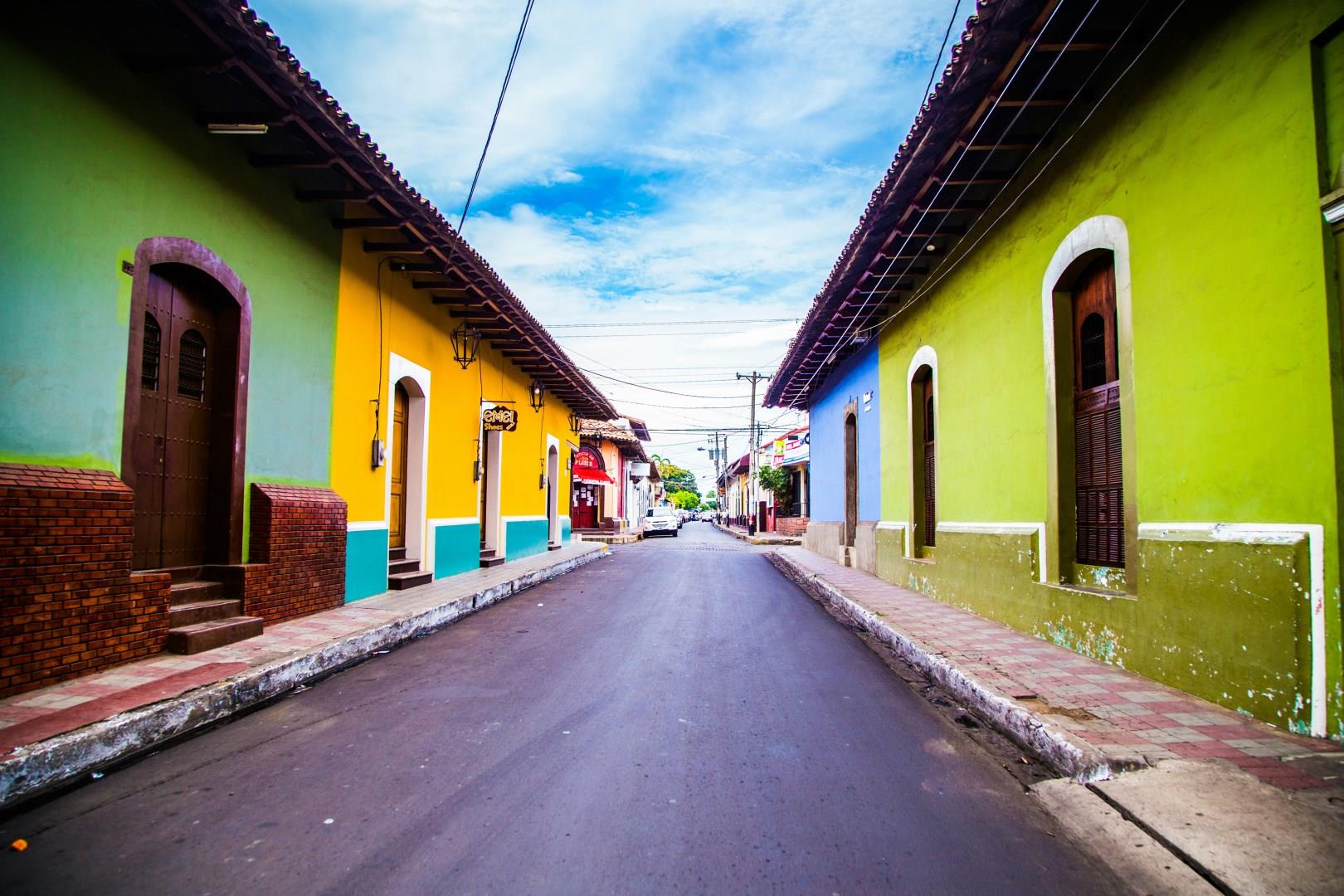
León
León, Nicaragua serves as the country’s capital for more than two centuries and still feels like the intellectual and political heart of Nicaragua. The city is known for its revolutionary past, visible in murals that stretch across building walls, telling stories of resistance, poets, and everyday citizens. The Cathedral of León, the largest in Central America and a UNESCO World Heritage Site, dominates the central square.
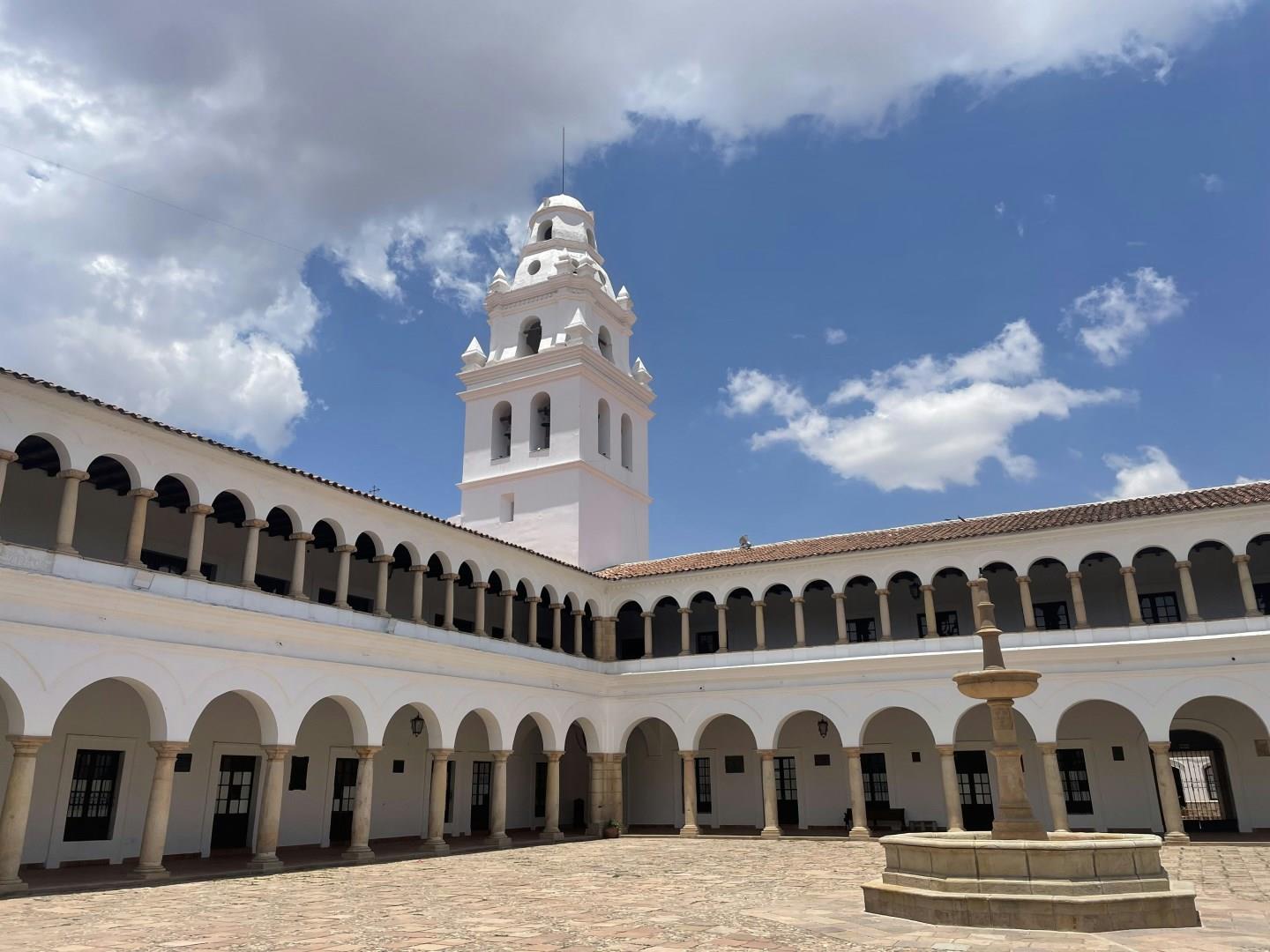
Sucre
Sucre, Bolivia’s constitutional capital, is a city steeped in history and colonial charm. Founded in the 16th century by the Spanish, it played a pivotal role in South America’s independence movements, earning its place as the birthplace of the Bolivian Republic.
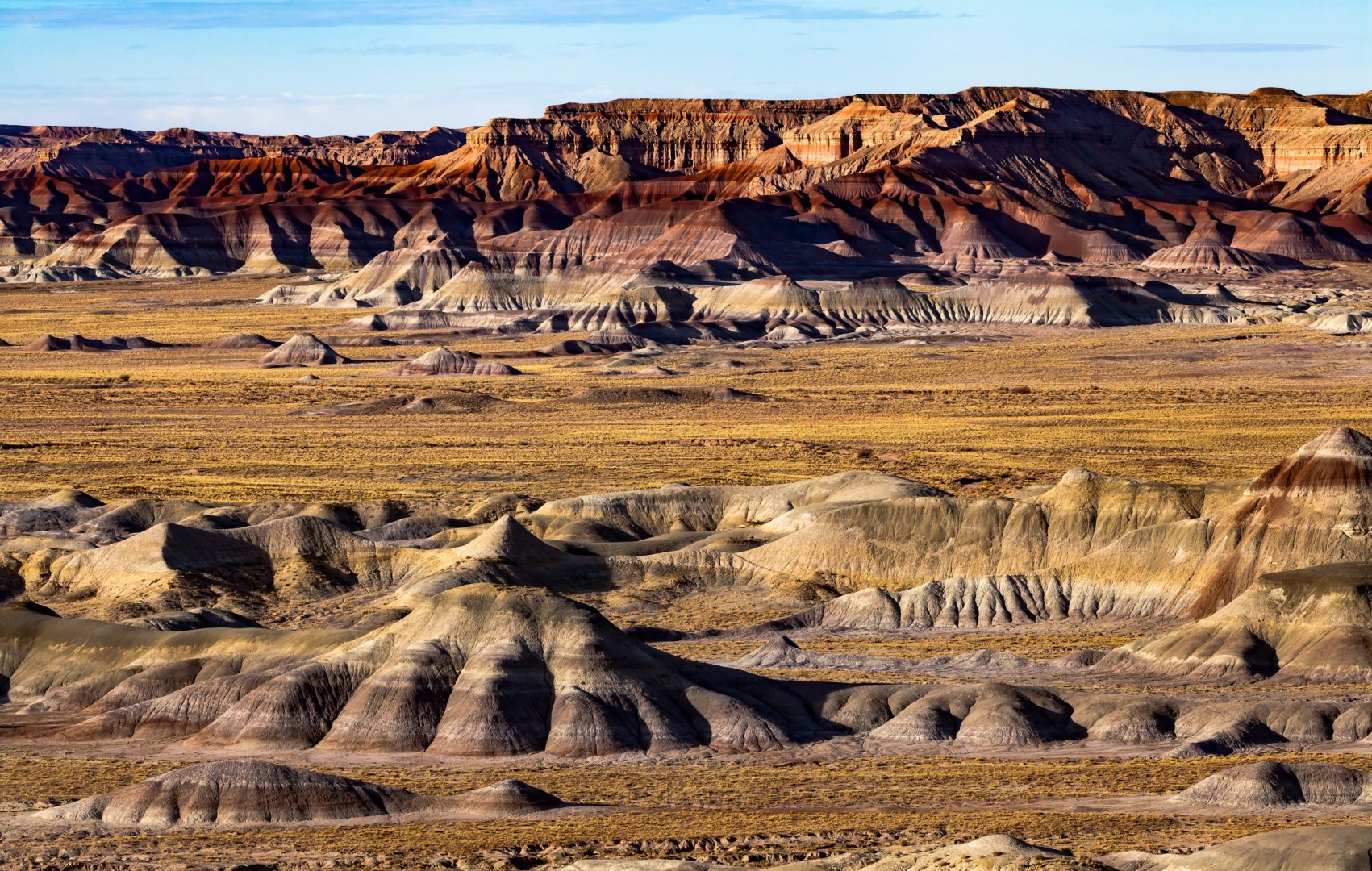
Winslow
Winslow is a small city in northeastern Arizona, located on the high desert along the historic Route 66 corridor. Its setting combines broad grasslands, distant mesas, and the Little Colorado River with a compact downtown shaped by railroad and highway travel. Winslow is particularly associated with the Santa Fe Railway, which made the community an important transportation center, and with the famous Route 66 song lyric that brought the city wider recognition.

Uluru
Located in Australia's Northern Territory, Uluru is an iconic sandstone formation and UNESCO World Heritage site. This red rock monolith, believed to be over 500 million years old, has been considered sacred by Australia's indigenous peoples for thousands of years and is one of the country's most well-known natural landmarks. This spiritual destination will astound you at sunrise and sunset, when the warm sunlight turns Uluru to deep hues of red and orange.
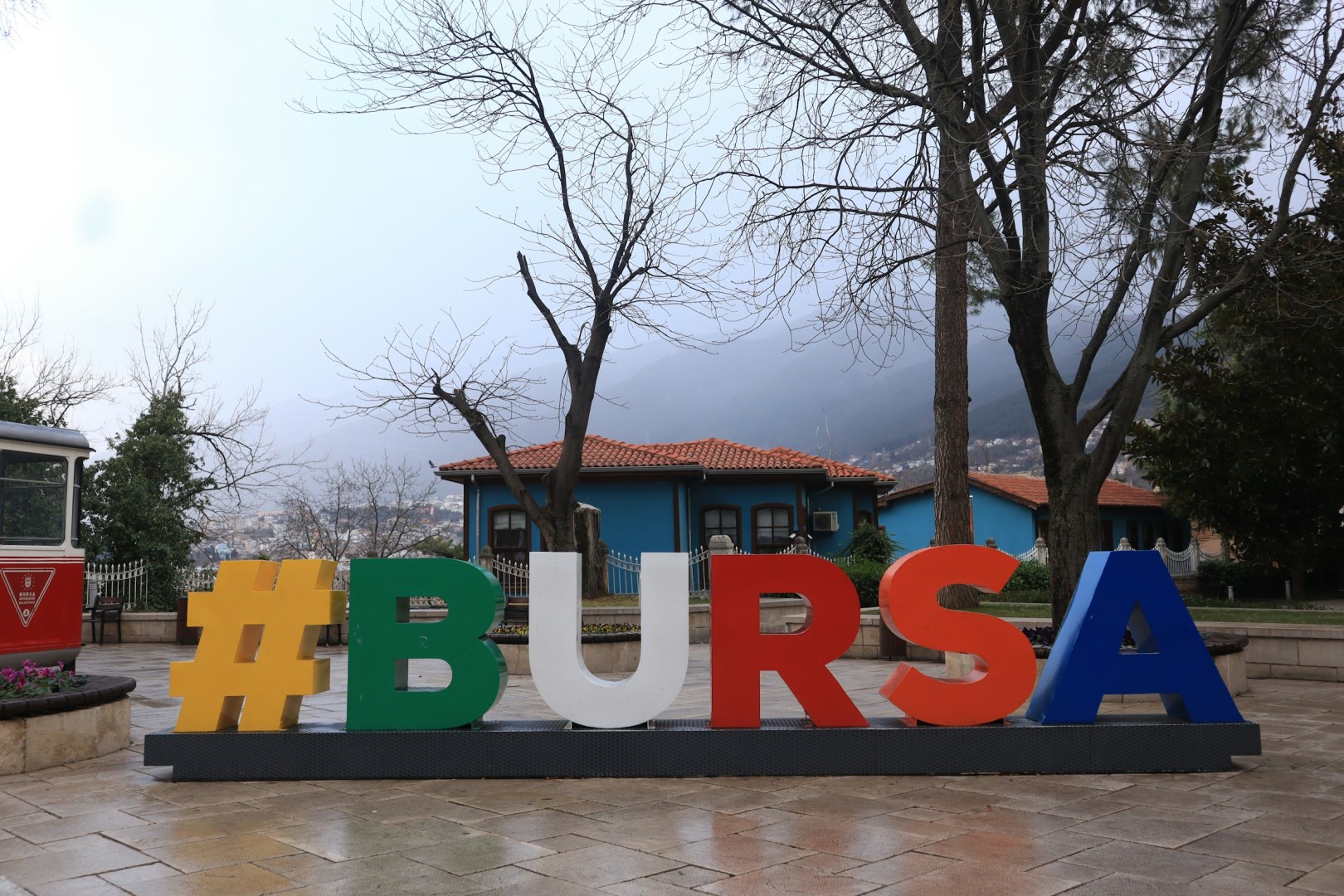
Bursa
Famous for its thermal baths and spas, it is said that the town was founded by Hannibal. It was originally called Prusa after Prusias I, king of Bithynia.
