

Paro
Paro, Bhutan, is a serene valley town that offers a gateway to the mystical charm of the Land of the Thunder Dragon. Nestled amidst verdant hills and bisected by the glistening Paro Chhu river, Paro is home to some of Bhutan’s most iconic landmarks and cultural treasures. At the heart of this picturesque valley stands the majestic Paro Dzong, or Rinpung Dzong, a fortress-monastery with a history dating back to the 17th century.
Gir National Park
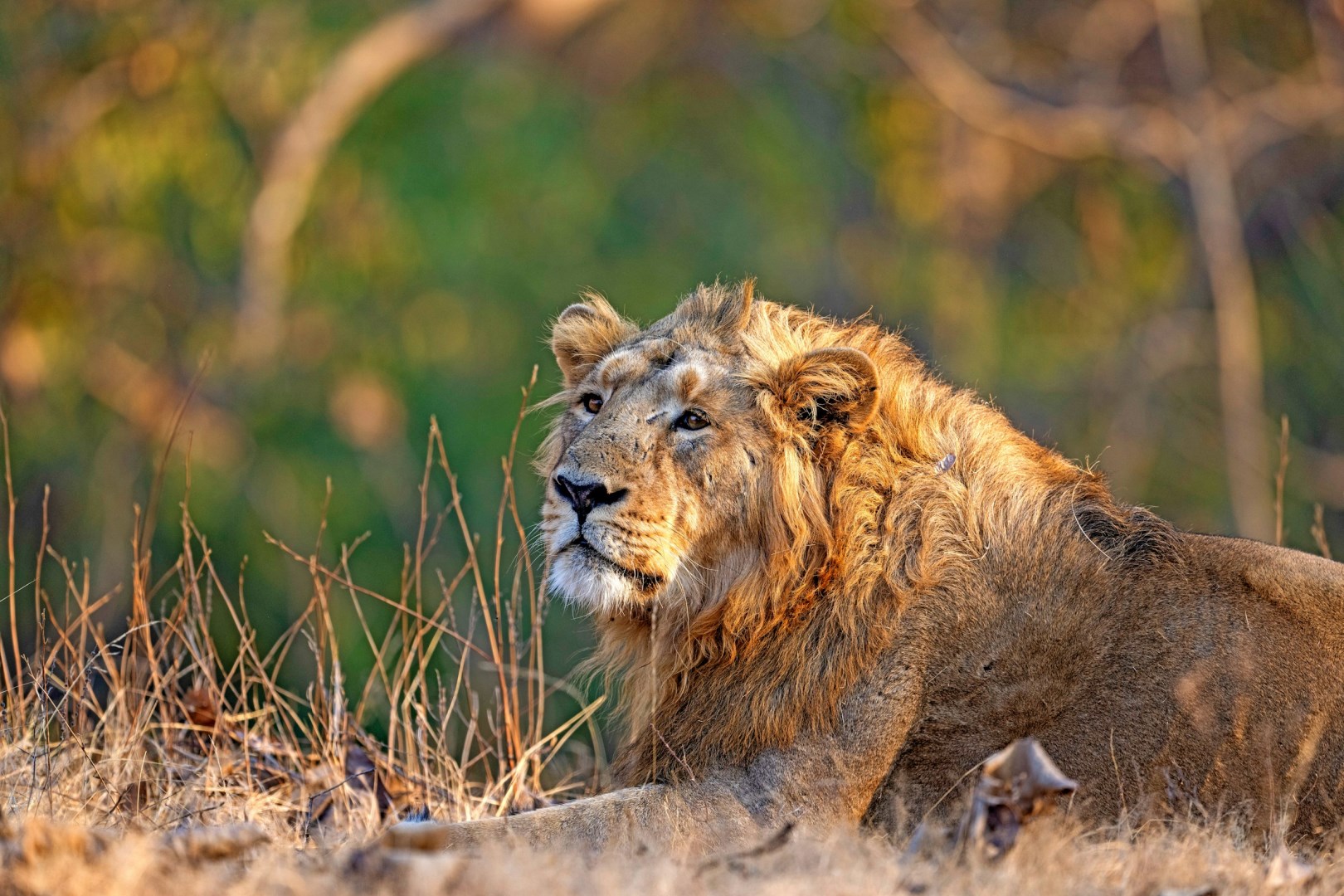
Gir National Park is a protected forest in Gujarat, western India, and the most important natural habitat of the Asiatic lion. The park forms part of the larger Gir Protected Area, a dry landscape of deciduous woodland, thorn scrub, grasslands, rocky hills, and seasonal streams. The forest is also home to leopards, chital, sambar, nilgai, wild boar, crocodiles, and numerous bird species. Unlike many of India’s major wildlife reserves, Gir is closely surrounded by villages and pastoral communitie
Gotland
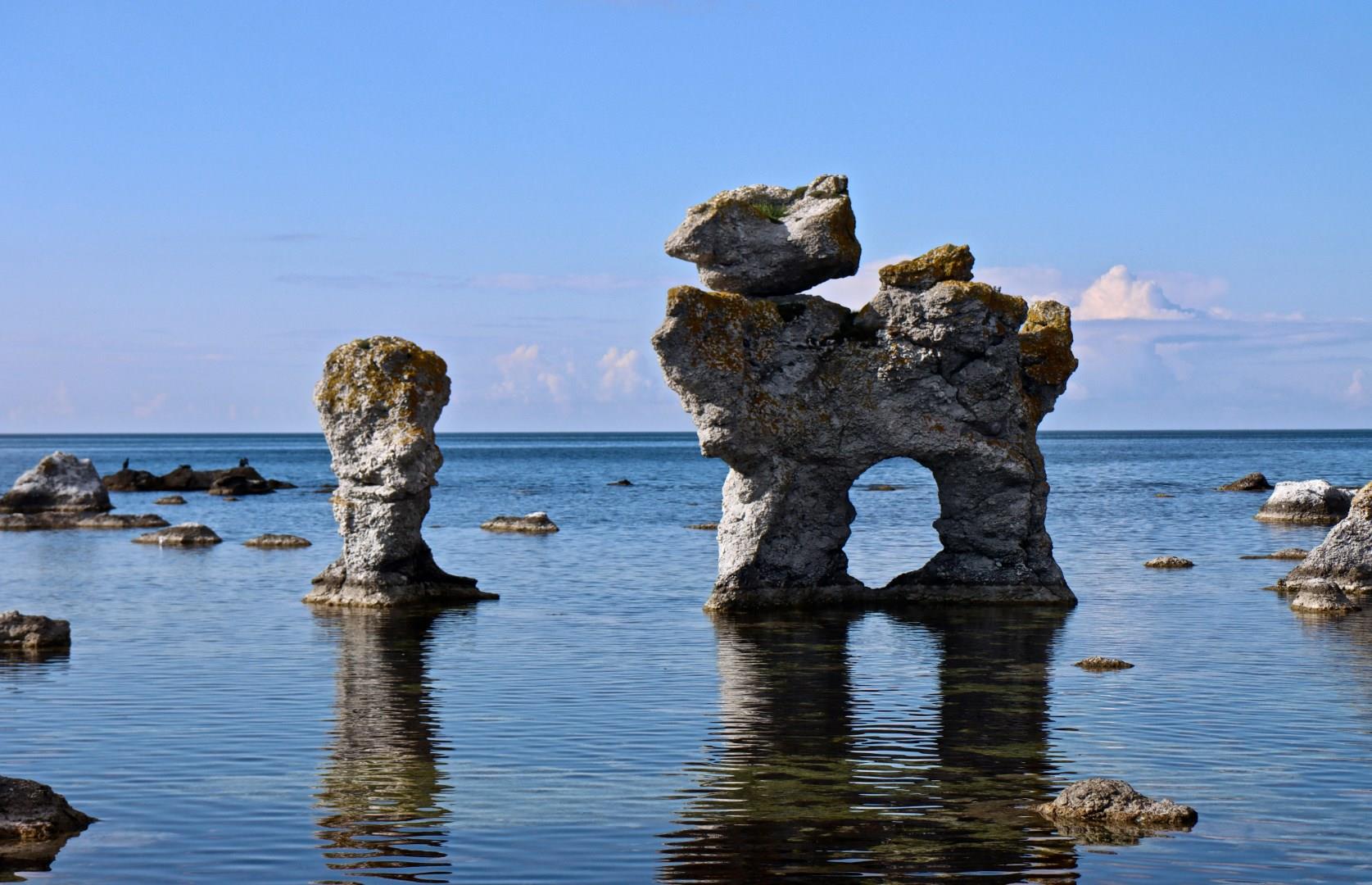
Gotland, Sweden’s largest island, sits in the Baltic Sea and feels like a world of its own. Its main town, Visby, is a UNESCO World Heritage site and one of the best-preserved medieval towns in Northern Europe. Surrounded by a 3.5-kilometer stone wall with original towers still intact, Visby once served as a key Hanseatic trading hub. Visitors can walk along cobbled streets lined with rose-covered cottages, explore Gothic church ruins, and climb up the city wall for views over the harbor.

Tracy Arm
Tracy Arm, Alaska, is a breathtaking fjord nestled within the Tongass National Forest, offering a pristine wilderness experience unlike any other. Known for its towering cliffs, majestic waterfalls, and awe-inspiring glaciers, this natural wonder is a must-see for nature lovers and adventurers alike. As you cruise through the narrow, winding waterway, you’ll be greeted by stunning views of the Sawyer Glaciers, which periodically release enormous icebergs into the fjord.
Vermont
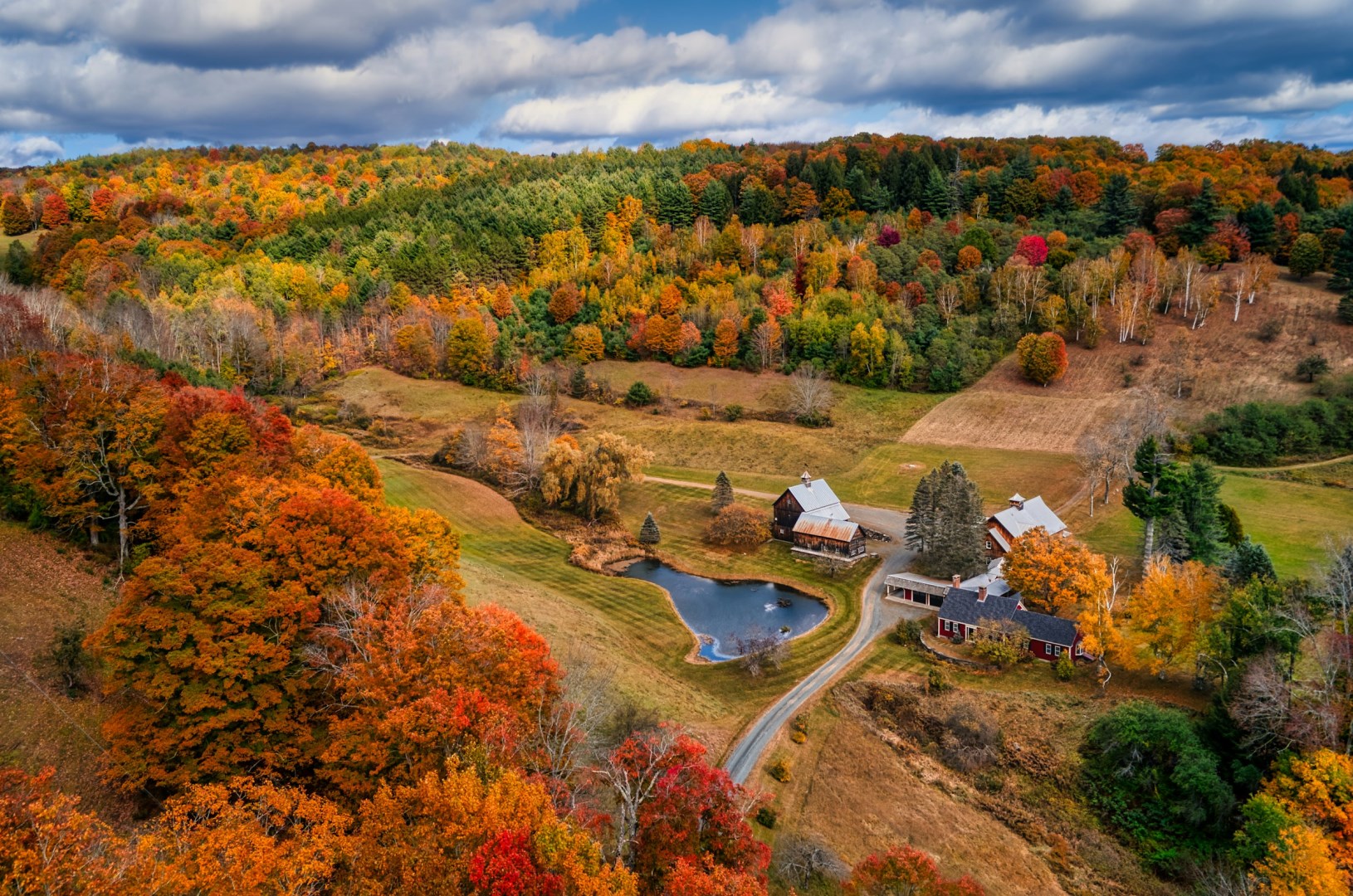
Vermont offers visitors not just postcard-perfect views, but a state shaped by independence, craftsmanship, and deep-rooted community traditions. That independent streak is still felt in small towns like Montpelier, the nation’s smallest state capital, and in villages like Grafton and Woodstock, where restored 19th-century buildings now house general stores, cheese shops, and local galleries.
