
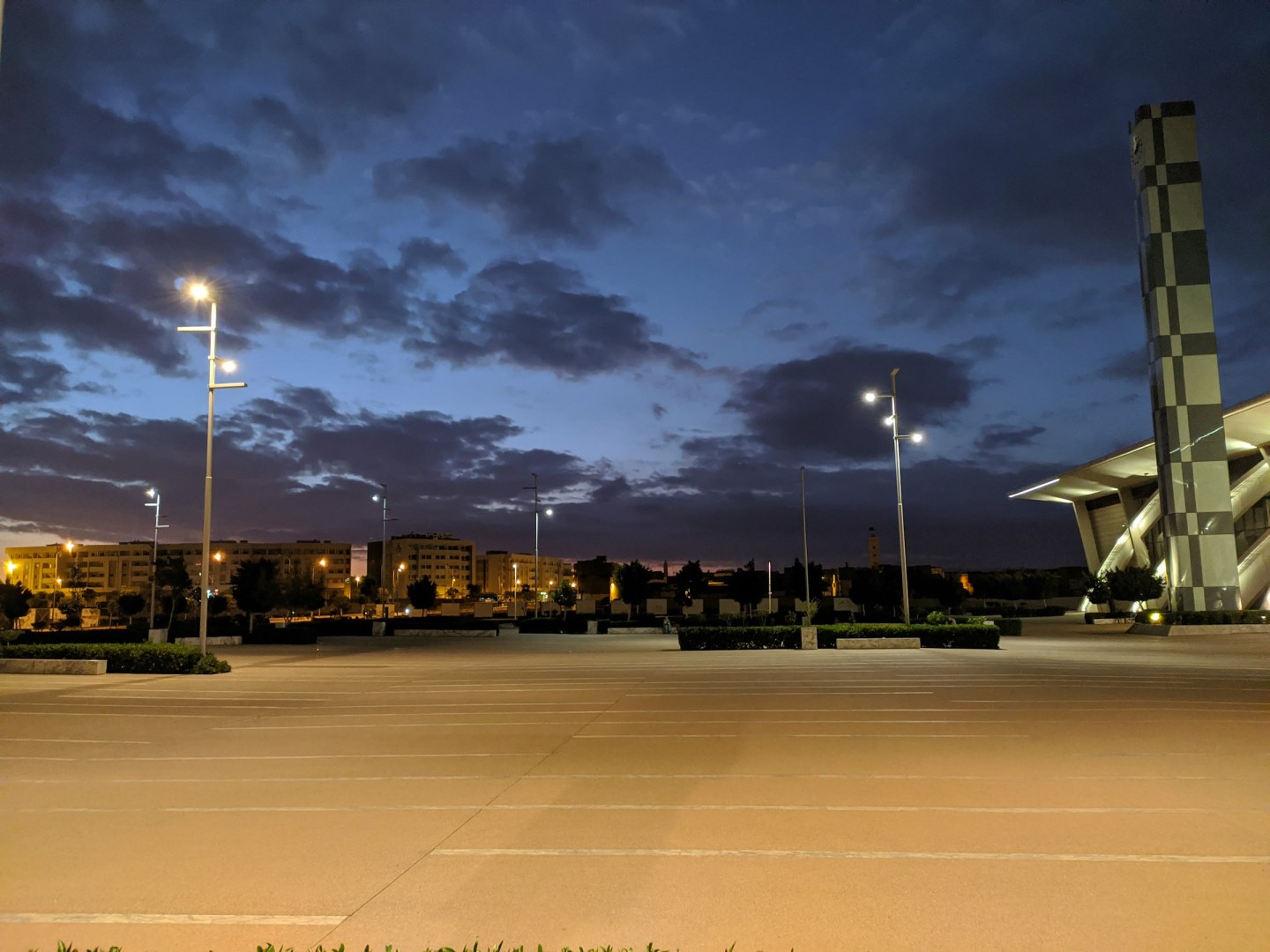
Oujda
The capital of eastern Morocco, Oujda stands on the border with Algeria. Its privileged geographic position makes it a center for Maghreb tourism and a meeting point of routes between Morocco and other North African countries. Many streams run from the northern slopes to irrigate the well-kept gardens and orchards. Crossing these imposing mountains affords a magnificent panoramic view of Oujda.
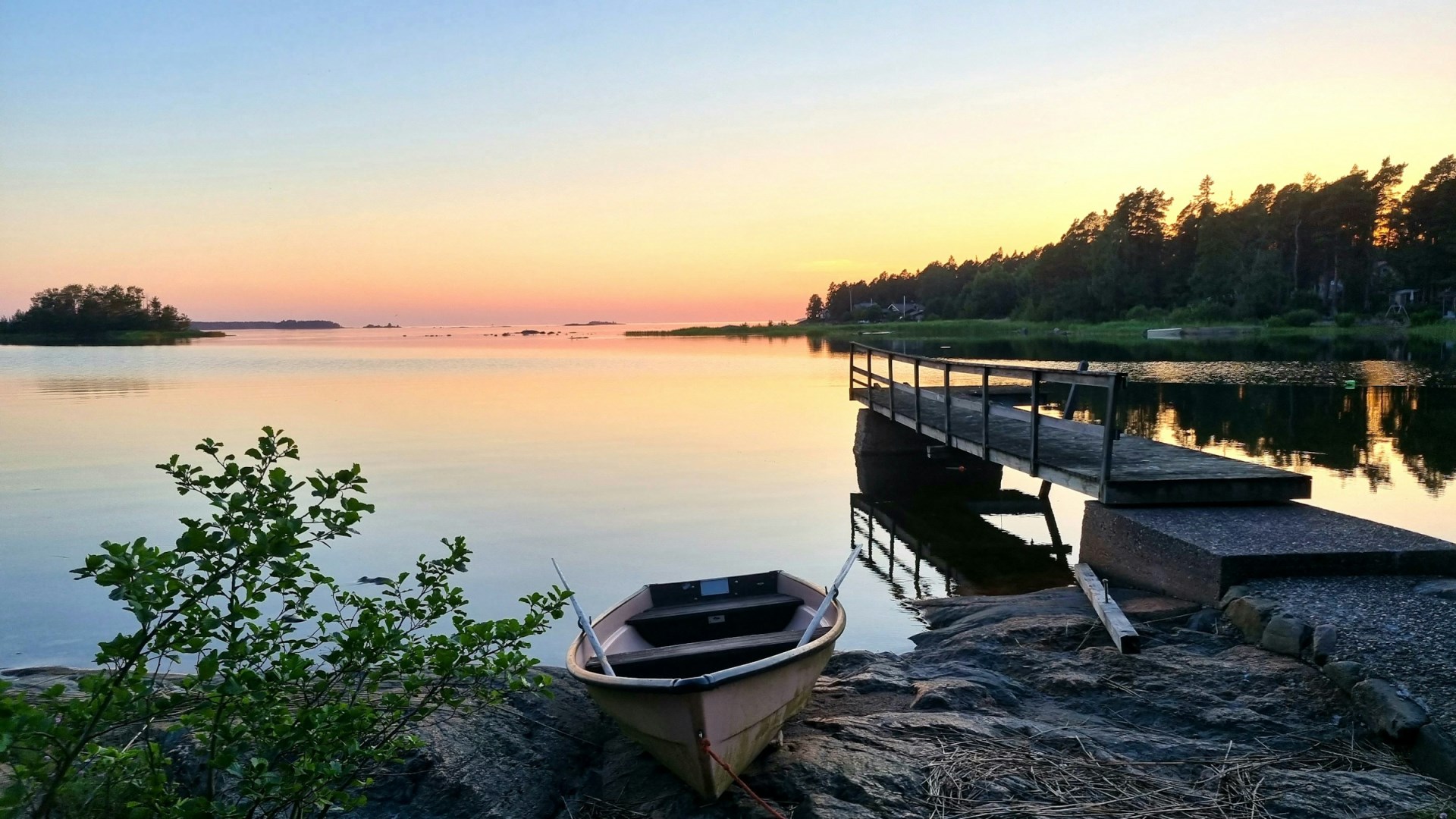
Rauma
Rauma is a historic coastal town in western Finland, located on the Gulf of Bothnia and known for its well-preserved wooden Old Rauma district. Narrow lanes, colorful timber houses, small courtyards, and irregular street patterns give the historic center a distinctive appearance. Outside the old town, Rauma remains an important port and industrial center, while the surrounding coast contains islands, rocky shores, and forested landscapes.
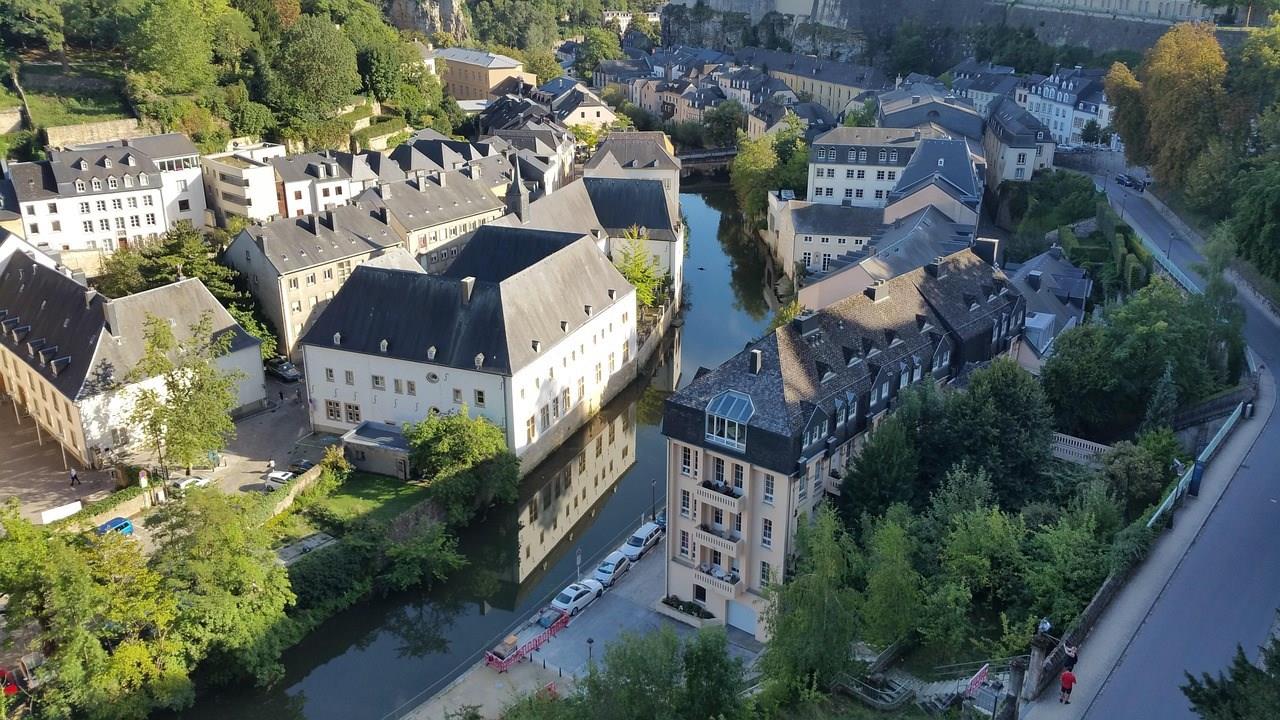
Luxembourg
Luxembourg, a small yet influential country in the heart of Europe, offers visitors a rich blend of historic sites and contemporary culture. The capital city, Luxembourg City, is famous for its dramatic cliffs and ancient fortifications that have earned it a UNESCO World Heritage status. Walking through the old quarters, visitors can explore the casemates that reveal layers of the city’s military past.
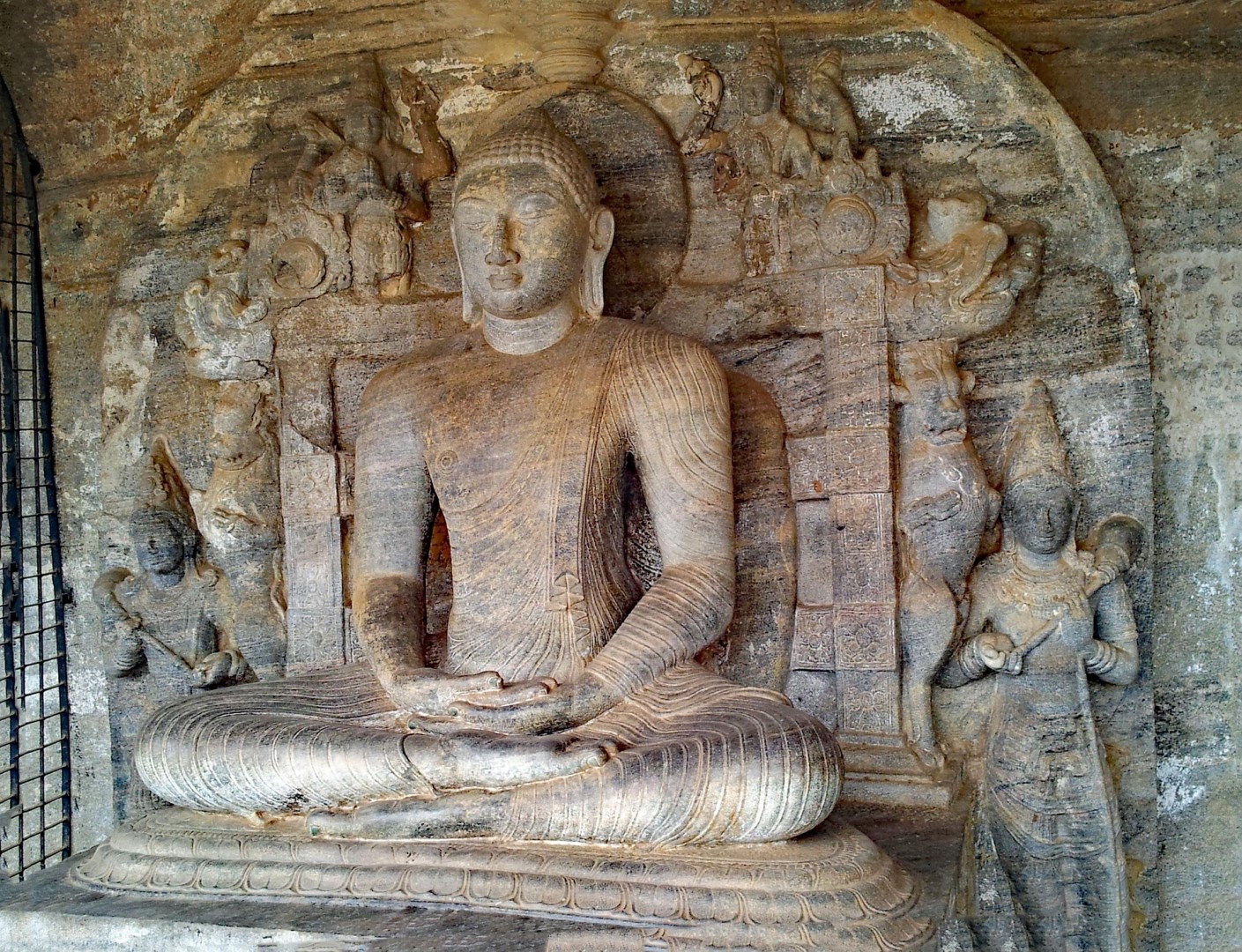
Polonnaruwa
Polonnaruwa, located in Sri Lanka’s North Central Province, served as the island’s capital nearly a thousand years ago. Today, it offers one of the most extensive and well-preserved archaeological sites in South Asia. Visitors can walk among the ruins of royal palaces, Buddhist monasteries, and intricately carved stone temples. One of the highlights of Polonnaruwa is the Gal Vihara, a group of colossal Buddha statues carved directly into granite.
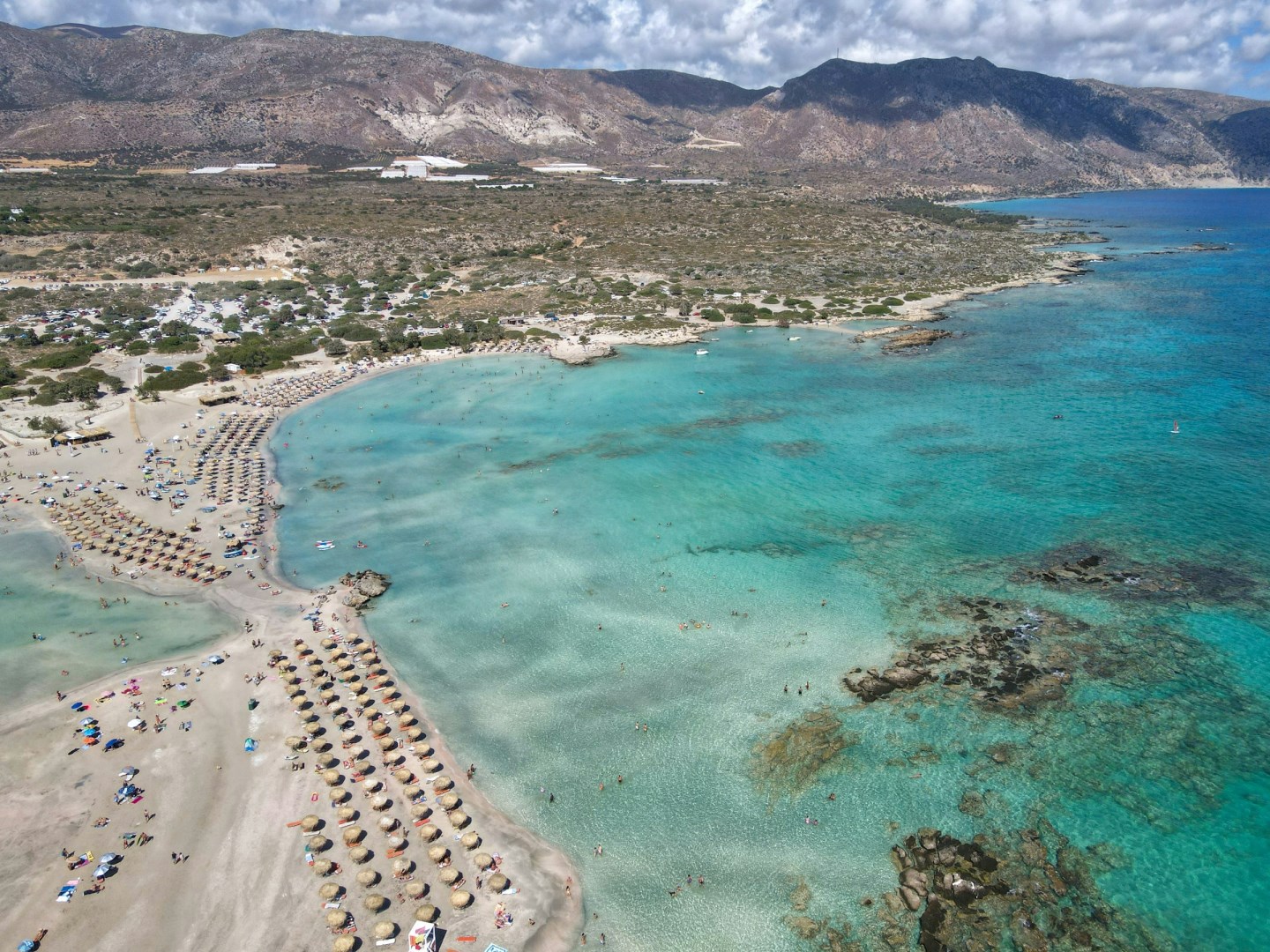
Elafonisi
Elafonisi is a coastal area in southwestern Crete, known for a shallow lagoon, pale sand mixed with pink shell fragments, and a narrow sandy crossing to a small offshore island. The beach lies within a protected Natura 2000 landscape that supports sea lilies, rare plants, seabirds, and other wildlife.
