
Aguas Calientes
Aguas Calientes, officially called Machupicchu Pueblo, sits in a narrow valley below the ruins of Machu Picchu, shaped almost entirely by geography and access. The town grew around the railway and hot springs that give it its name, becoming a necessary stopping point rather than a destination planned in advance. Its identity is closely tied to movement, with most people arriving on foot or by train and staying briefly before heading uphill.

Whistler
Whistler, nestled in the Coast Mountains of British Columbia, is a year-round destination renowned for its world-class skiing and vibrant outdoor lifestyle. As home to the largest ski resort in North America, Whistler Blackcomb, this picturesque town transforms into a snowy wonderland each winter.
Masalli
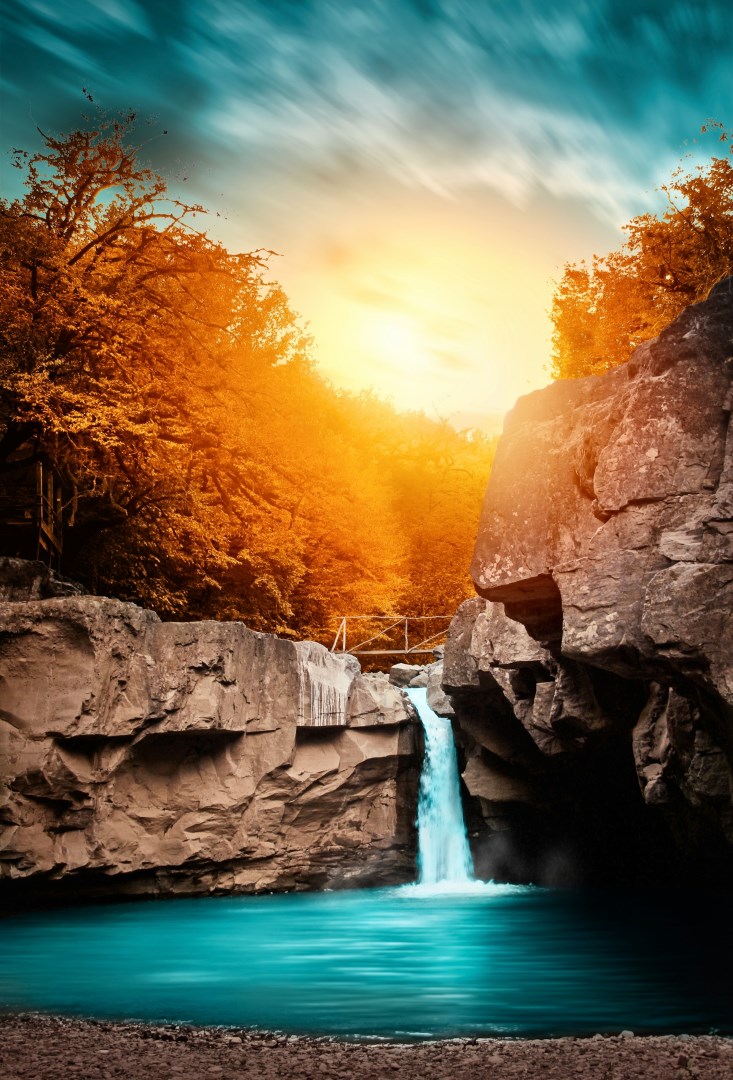
Masalli is a town in southeastern Azerbaijan, situated between the Talysh Mountains and the Caspian Sea. The district is known for its humid subtropical climate, fertile lowlands, forested mountain slopes, and numerous mineral springs. Tea plantations, citrus orchards, rice fields, and other cultivated areas are found across the surrounding countryside, while the Talysh Mountains rise toward the west. Masalli serves as a gateway to several natural attractions.
Chiconi
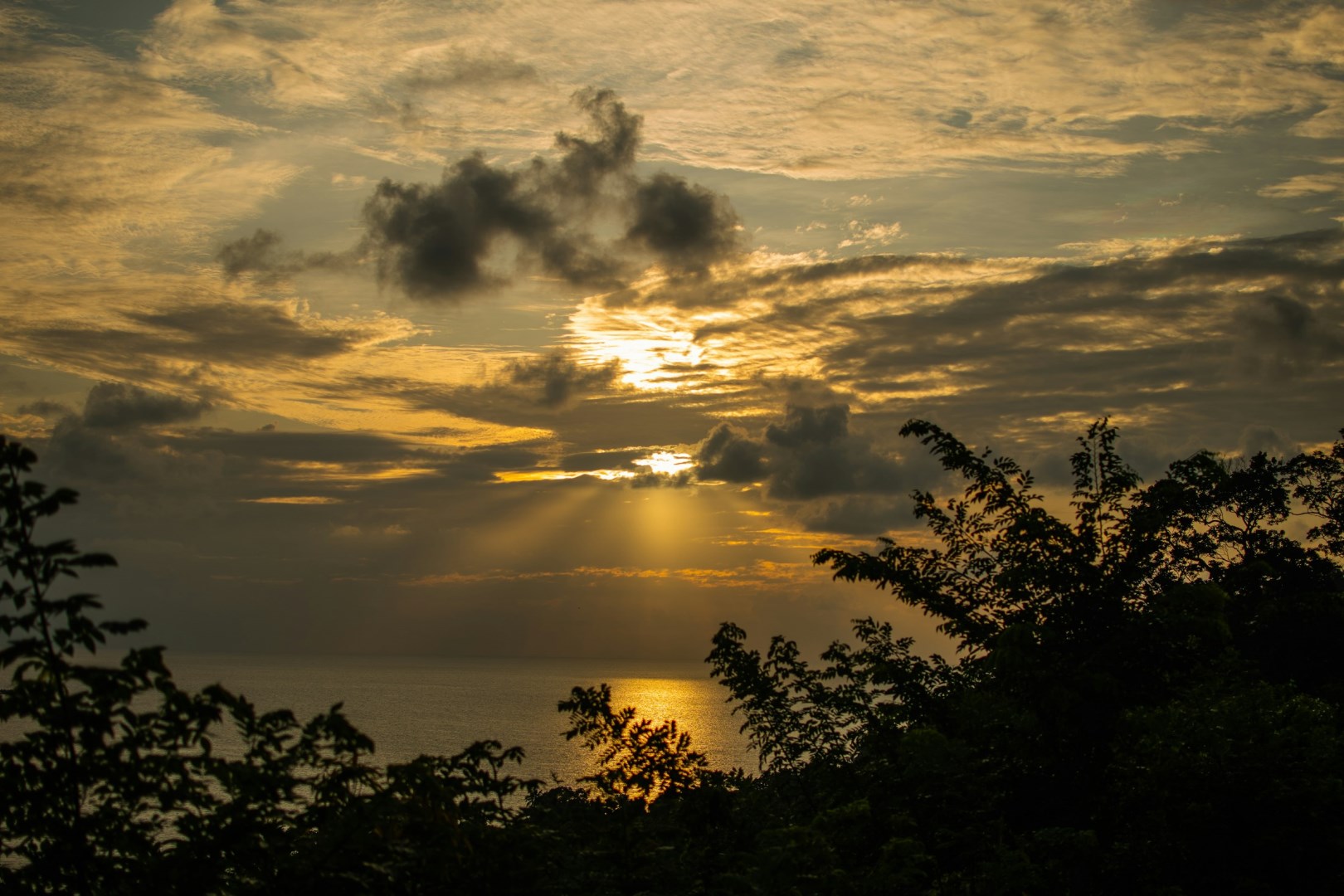
Chiconi is a coastal commune on the western side of Grande-Terre, the main island of Mayotte. It faces the island’s broad lagoon and includes the neighboring village of Sohoa, with the coastline shaped by beaches, mangroves, and sheltered bays. Chiconi has a strong connection to fishing and maritime activity, while its location provides views across the lagoon toward nearby islands.
Colca Canyon
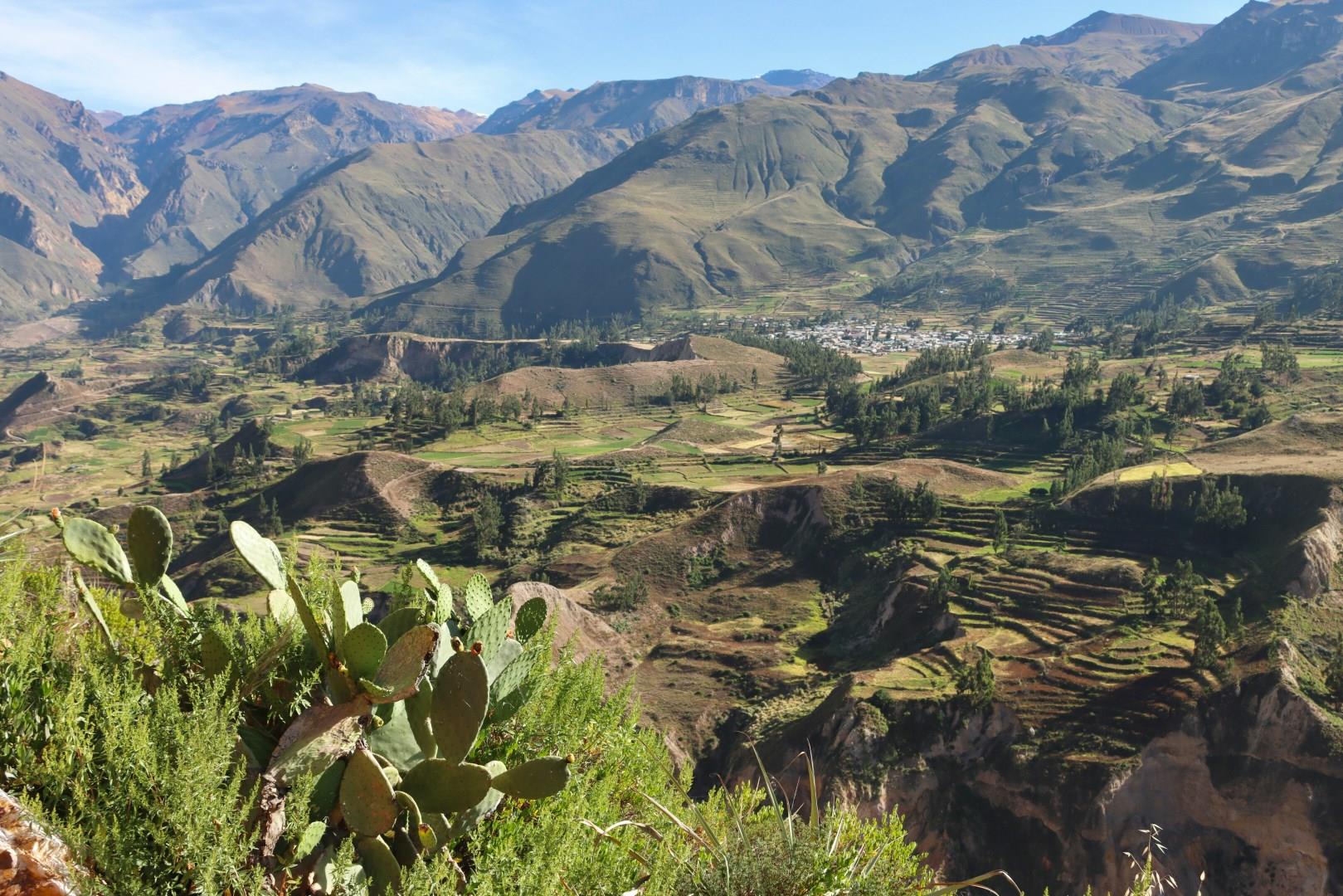
Colca Canyon, located in southern Peru’s Arequipa region, is one of the deepest canyons in the world, twice as deep as the Grand Canyon in some areas. What makes it stand out even more is how human settlements have coexisted with the landscape for centuries. Along its walls, pre-Inca agricultural terraces still hold crops like corn and quinoa. One of the main draws of the canyon is the opportunity to see Andean condors in flight.
