

Chiang Rai
Chiang Rai, in northern Thailand near the borders with Laos and Myanmar, is a city where history, art, and tranquil landscapes converge. Founded in the 13th century as the first capital of the Lanna Kingdom, it retains a strong sense of heritage while also serving as a hub for contemporary Thai creativity.
Cayman Brac
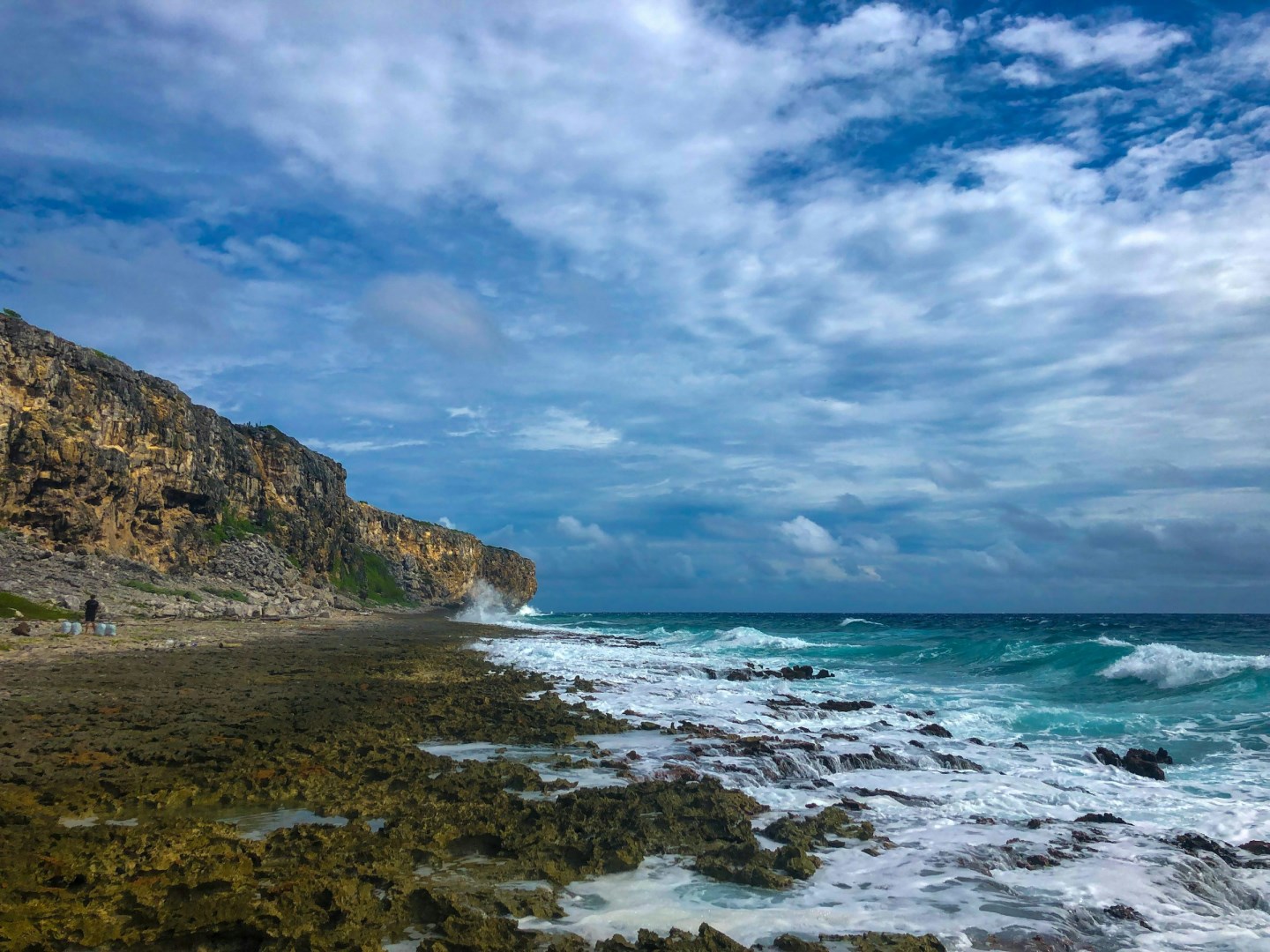
One of the Cayman Islands northwest of Jamaica. It is under British rule and is famous for its clear waters and excellent scuba diving.

San Juan
San Juan, Puerto Rico’s capital, is a city where cobblestone streets lead to centuries-old forts and pastel-colored buildings overlook the Atlantic. The district of Old San Juan is a UNESCO World Heritage Site, known for its Spanish colonial architecture and thick stone walls that once defended the city from pirates and naval attacks. The city hosts regular events such as La Campechada, which celebrates Puerto Rican art and literature with live performances and open-air exhibits.
Genovesa Island
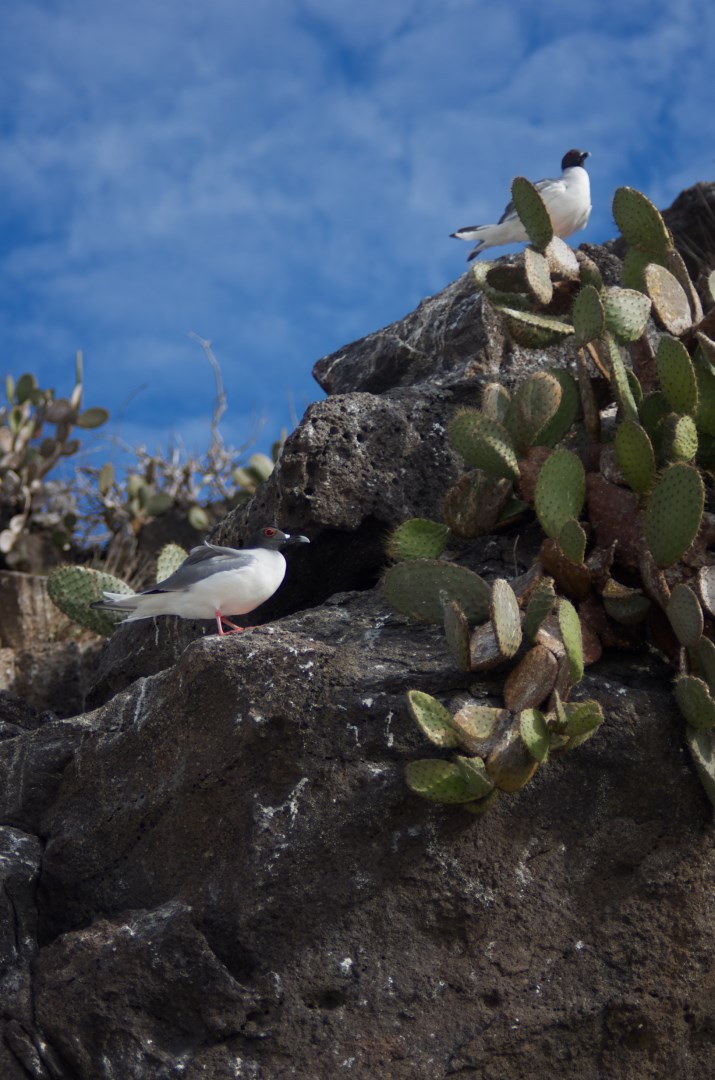
Named after the Italian city of Genoa, Genovesa Island is a dormant volcano in the Galápagos Islands. Its nickname, Bird Island, stems from the large and diverse bird population including storm petrels, red-footed boobies, swallow-tailed gulls and more.
Gatlinburg
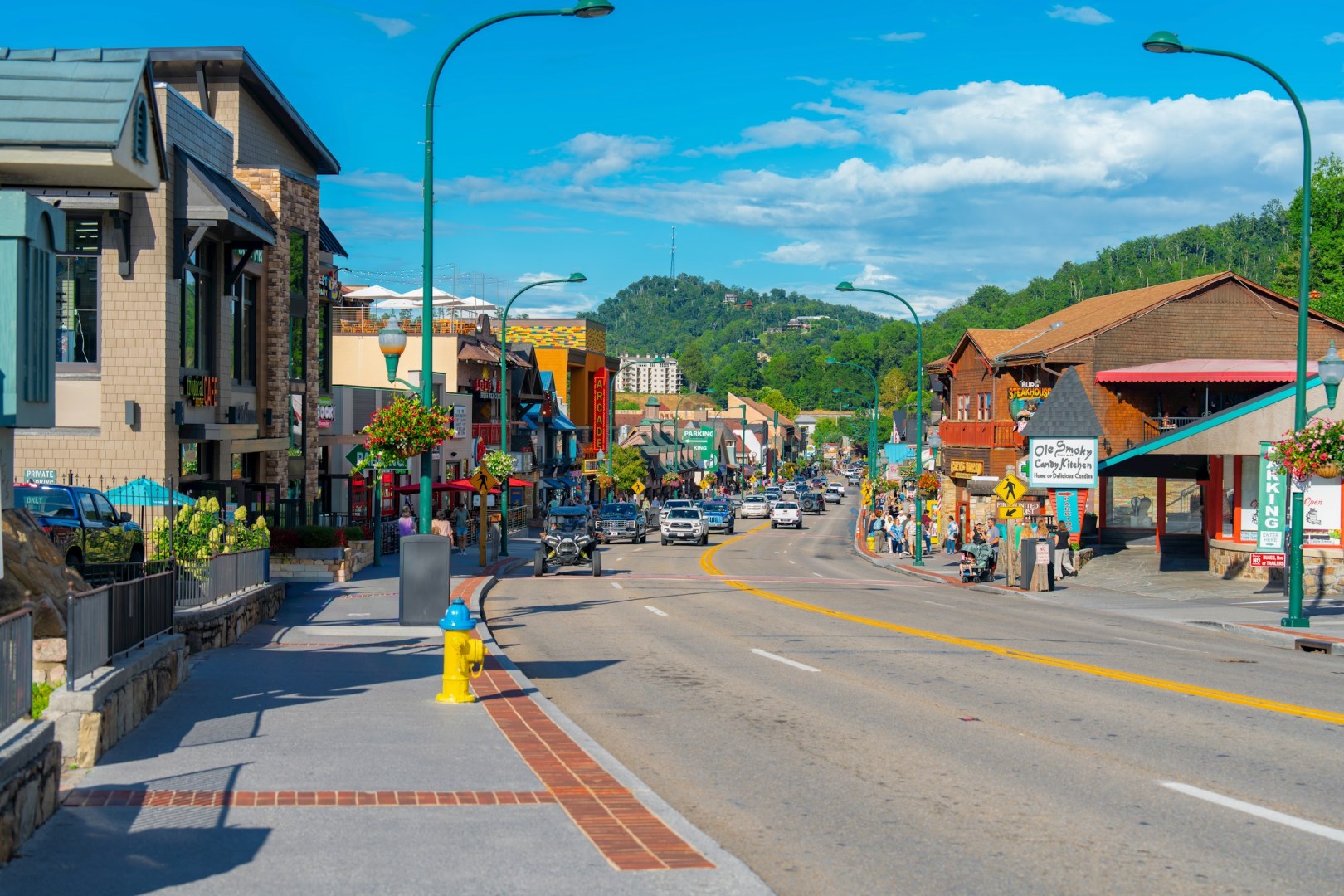
Plan to spend at least a full day in downtown Gatlinburg exploring the hundreds of gift and craft shops, and dozens of family entertainment attractions such as the "Sweet Fanny Adams" Theater and Elwood Smooch's Hillbilly Hoedown. For a totally different experience, ride the world's larges tramway to Ober Gatlinburg featuring year round skking, ice skating, and ski lift rides...
