
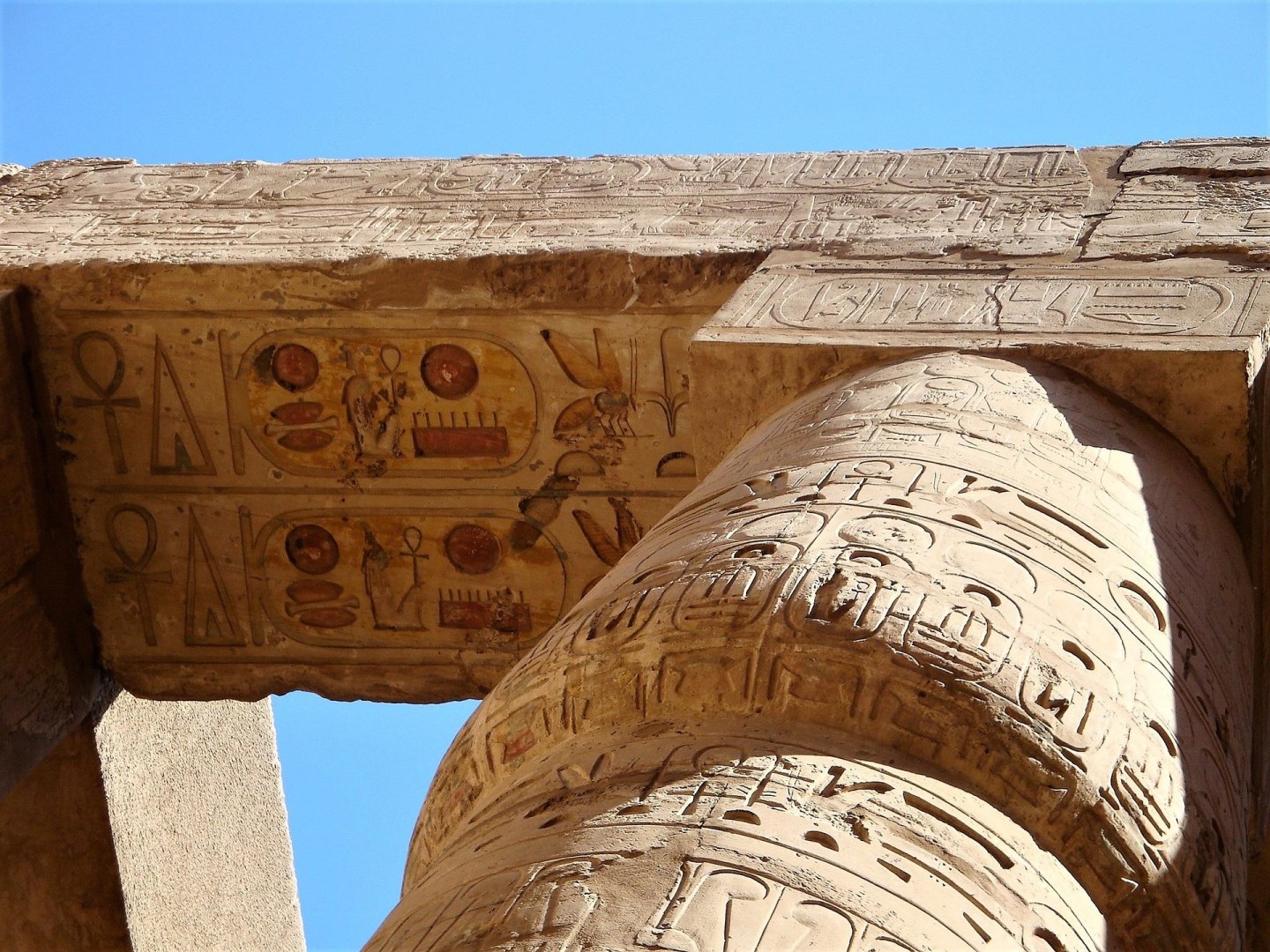
Karnak
Karnak Temple is a huge, open air complex and, after the Giza Pyramids, the second most visited historical place in Egypt. The largest religious building ever constructed, it sits on 200 acres—a true wonder of the world. Decayed pylons, chapels and temples make up this unmissable historical attraction near Luxor.
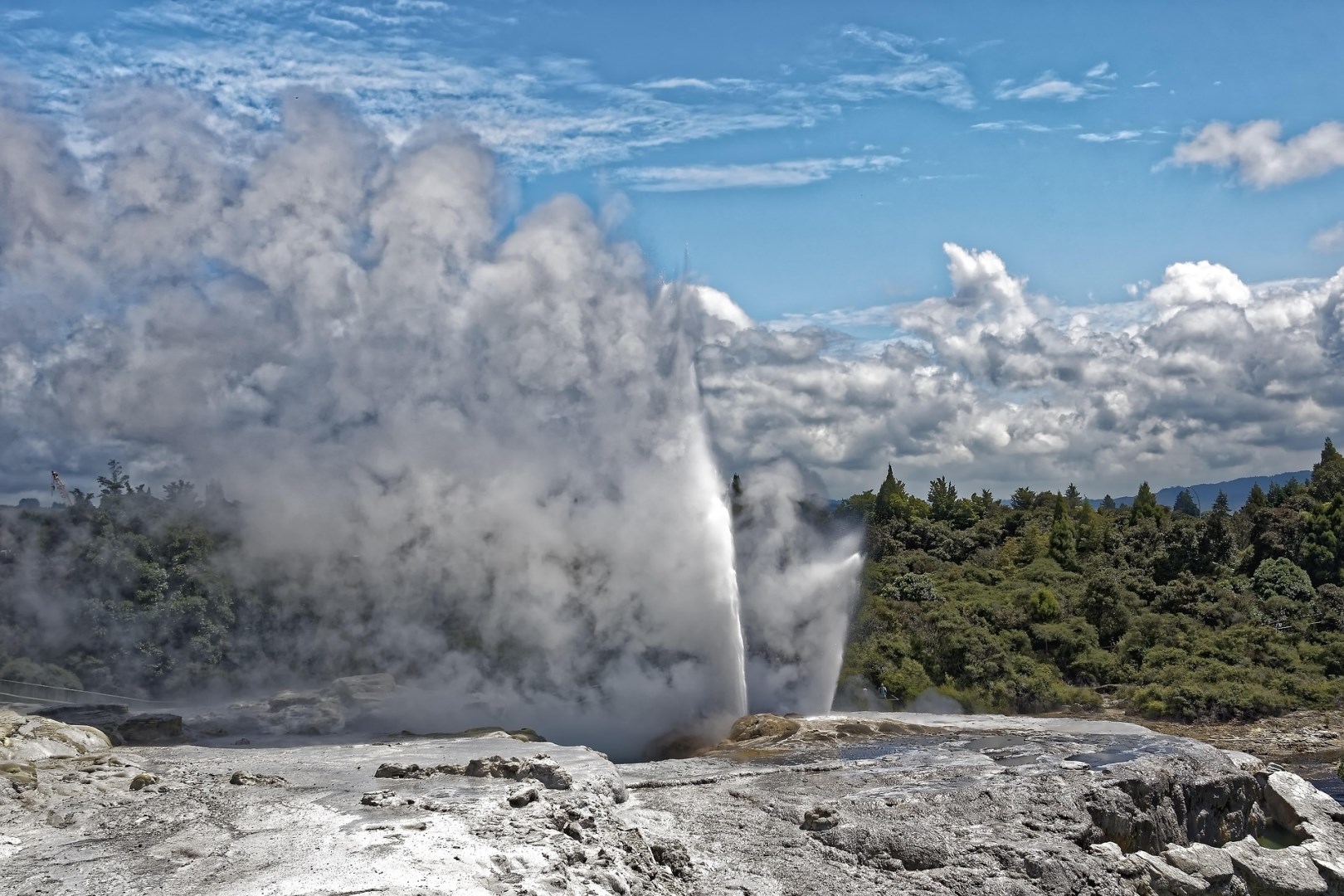
Rotorua
Natural wonders await you in the steaming, geothermally active North Island city of Rotorua, New Zealand. Pohutu Geyser erupts several times per day, and blistering mud pools provide a truly unique sightseeing experience. When in Rotorua, tourists also visit its living Maori village, as well as Te Puia (New Zealand Maori Arts and Crafts institute), where weaving and woodcarving is featured.
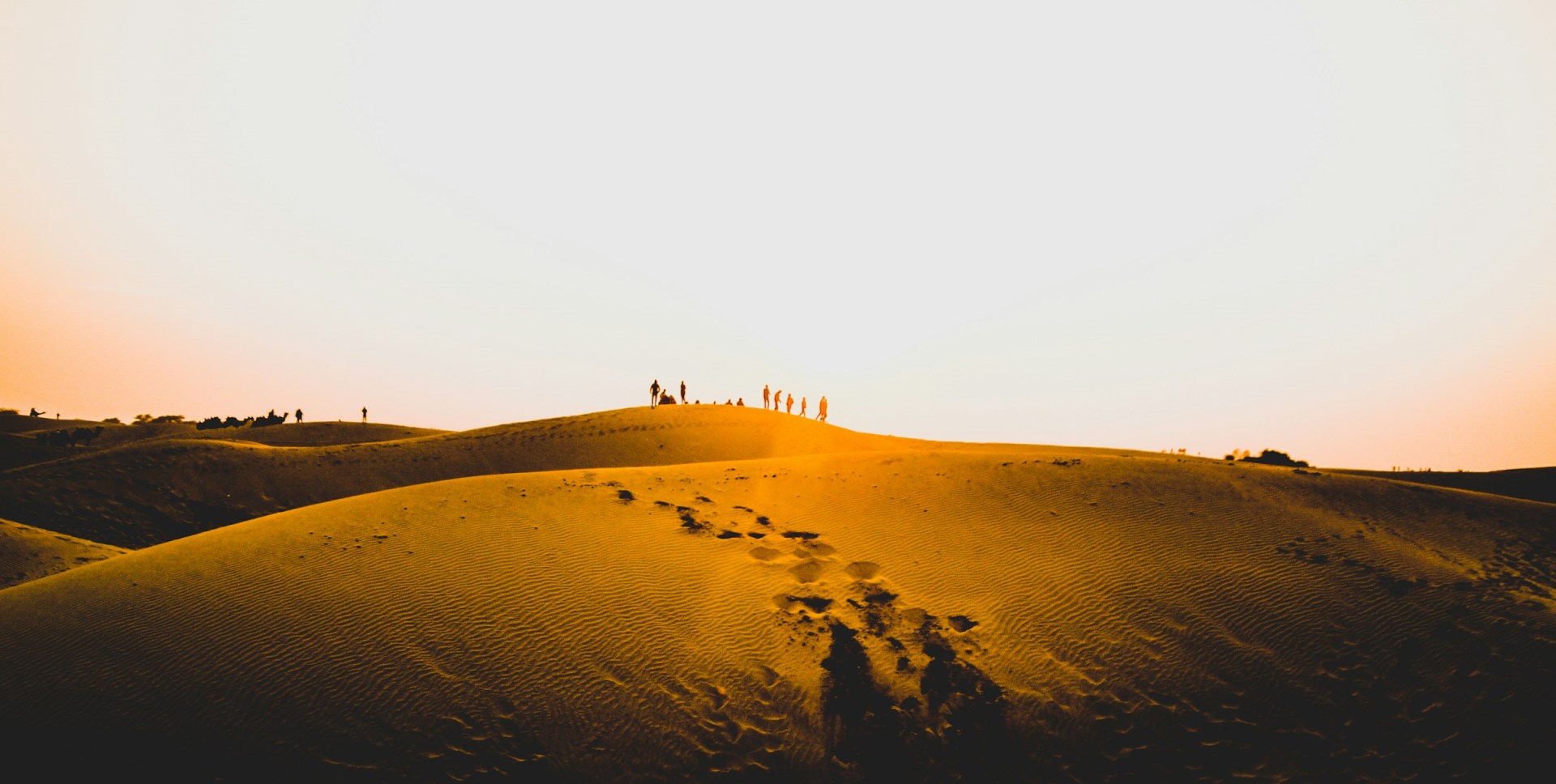
Thar Desert
The Thar Desert stretches across northwestern India, with its largest Indian expanse lying in Rajasthan and extending toward the borders of Gujarat, Punjab, and Haryana. It is a dry landscape of sand dunes, gravel plains, rocky ground, thorn scrub, and scattered grasslands rather than an entirely sandy wilderness. Jaisalmer, Jodhpur, and Bikaner are among the best-known gateways to the desert, while smaller settlements reveal how people have adapted to scarce water and extreme temperatures. The
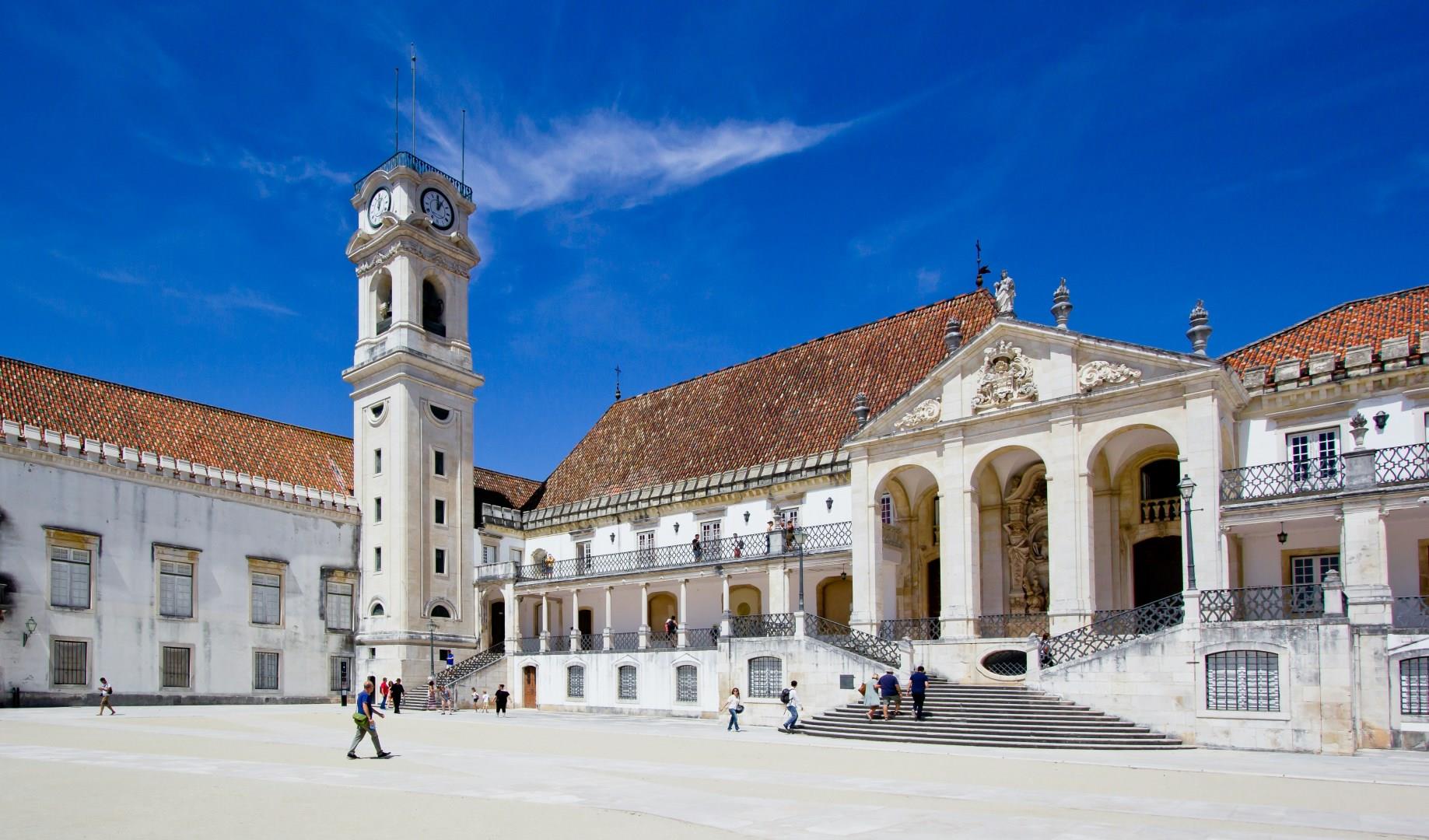
Coimbra
Coimbra, set along the banks of the Mondego River in central Portugal, is a historic city known for its academic legacy and old-world charm. Once the medieval capital of Portugal, it is home to the University of Coimbra, one of the oldest in Europe and a UNESCO World Heritage Site.
Mafia Island
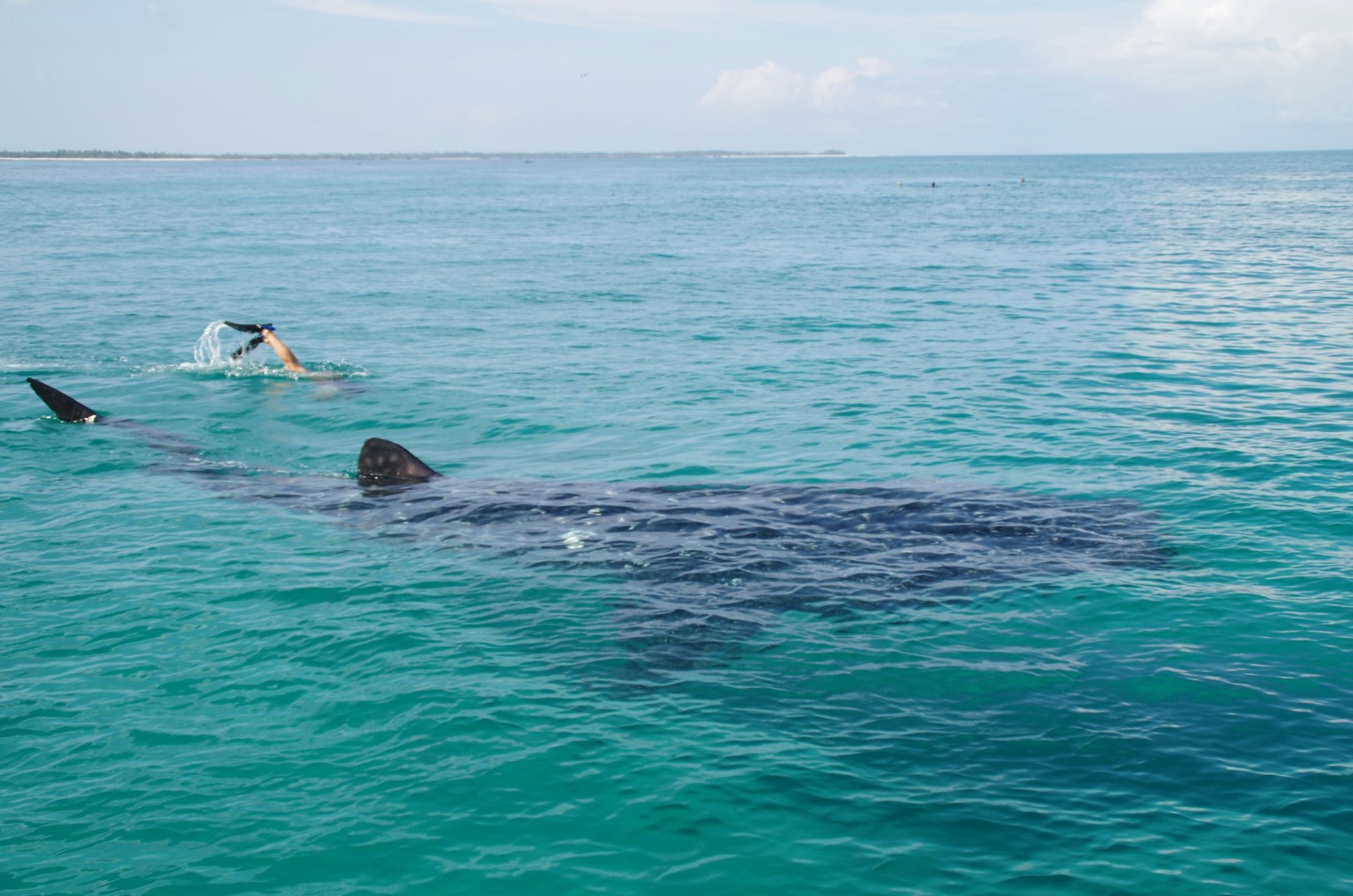
Mafia Island is a coastal island in Tanzania’s Pwani Region, lying in the Indian Ocean opposite the Rufiji River Delta. It forms part of the Mafia Archipelago, which includes smaller islands such as Chole, Juani, Jibondo, and Bwejuu. Kilindoni is the main town and port, while Utende provides access to Mafia Island Marine Park.
