

Kotor
This coastal town in Montenegro is part of the World Heritage Site dubbed the Natural and Culturo-Historical Region of Kotor. It holds several summer events, such as the Summer Carnival or Bokeljska Noc. One of the most notable and charming aspects of the town is the large population of cats that have become a symbol of the city.
Lake Lure
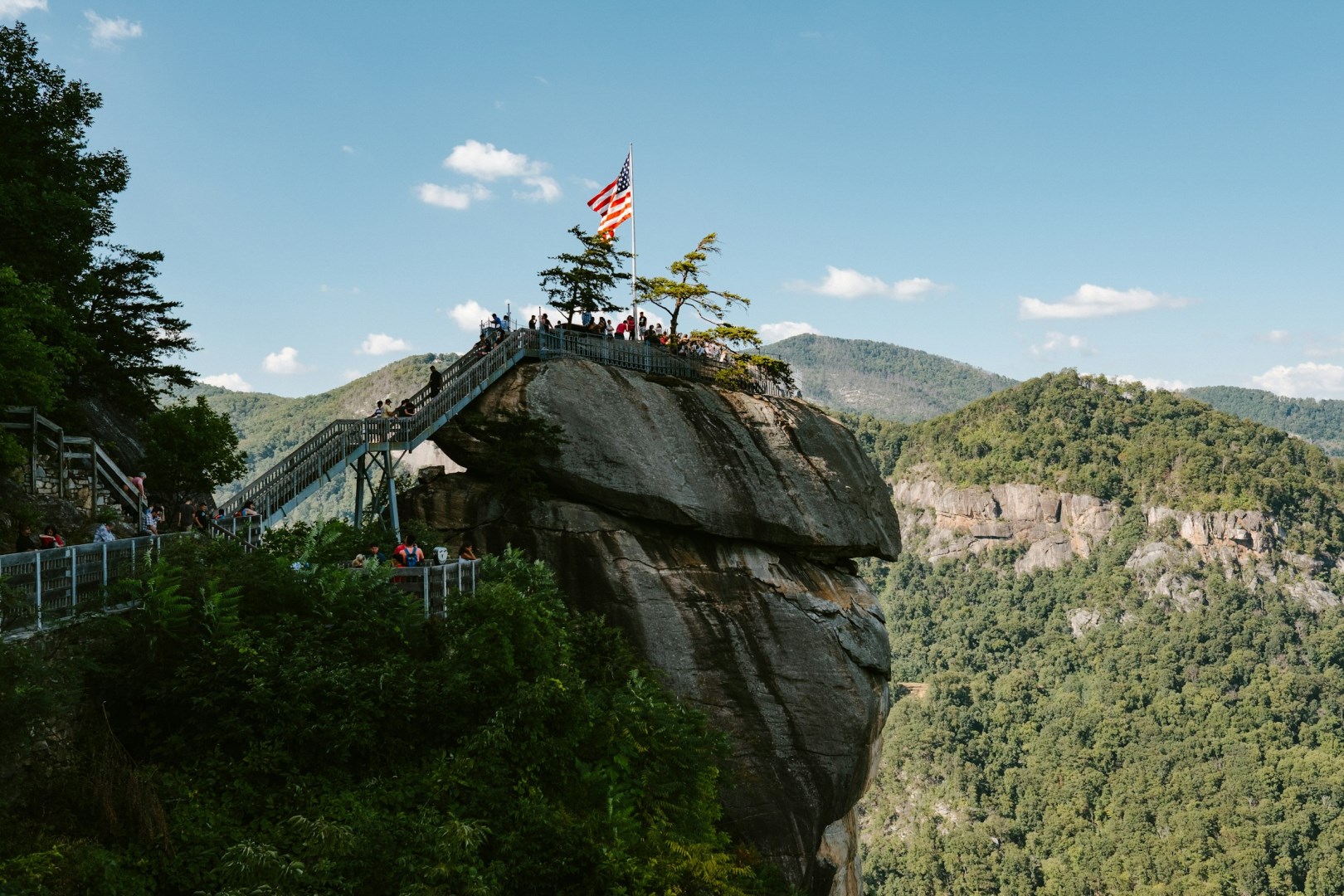
The lake is approximately 720 acres, with about twenty-one miles of shoreline. National Geographic has called Lake Lure one of the most beautiful man-made lakes in the world.
Mauritania
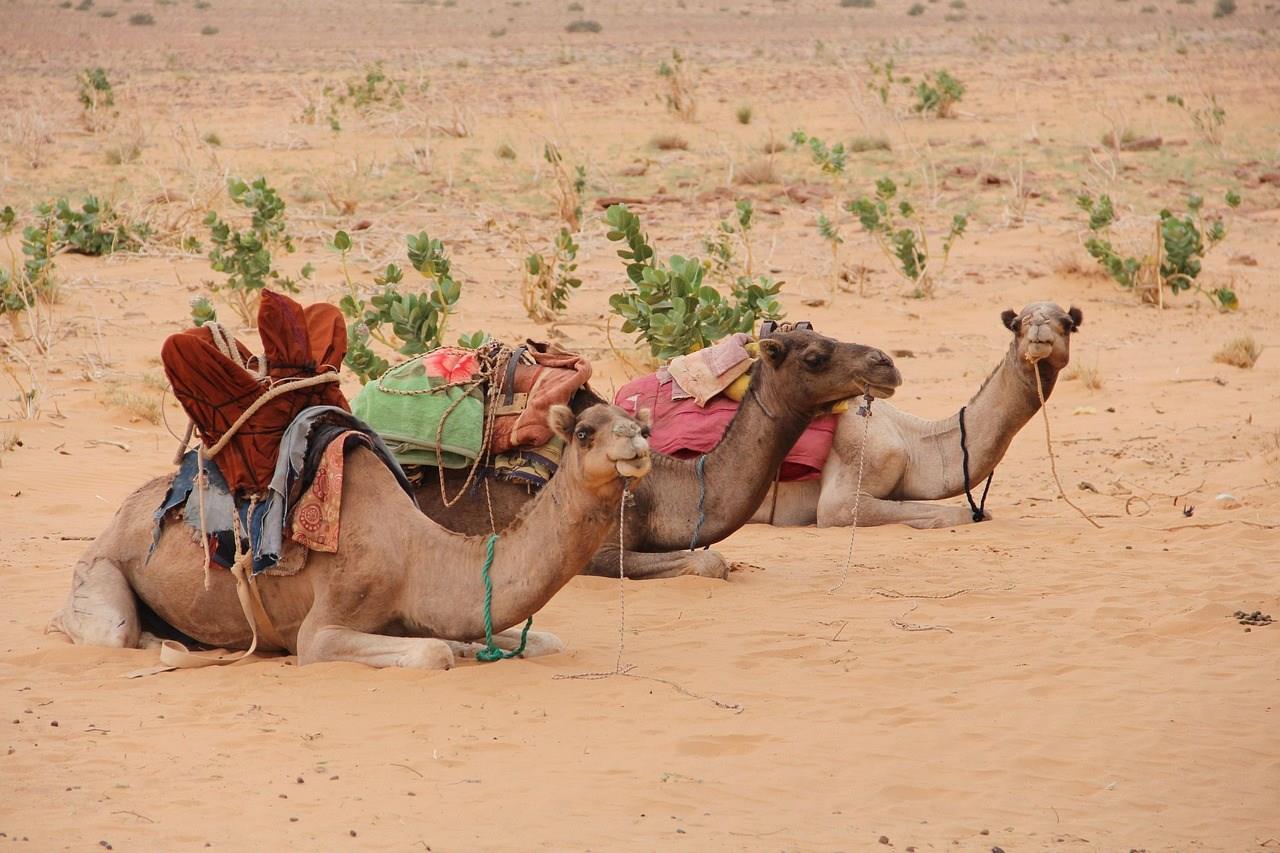
Mauritania, stretching between the Atlantic Ocean and the Sahara Desert, offers travelers a journey through wide-open landscapes and centuries of history. Its terrain is marked by shifting sand dunes, ancient caravan towns, and stretches of untouched coastline.
Castro
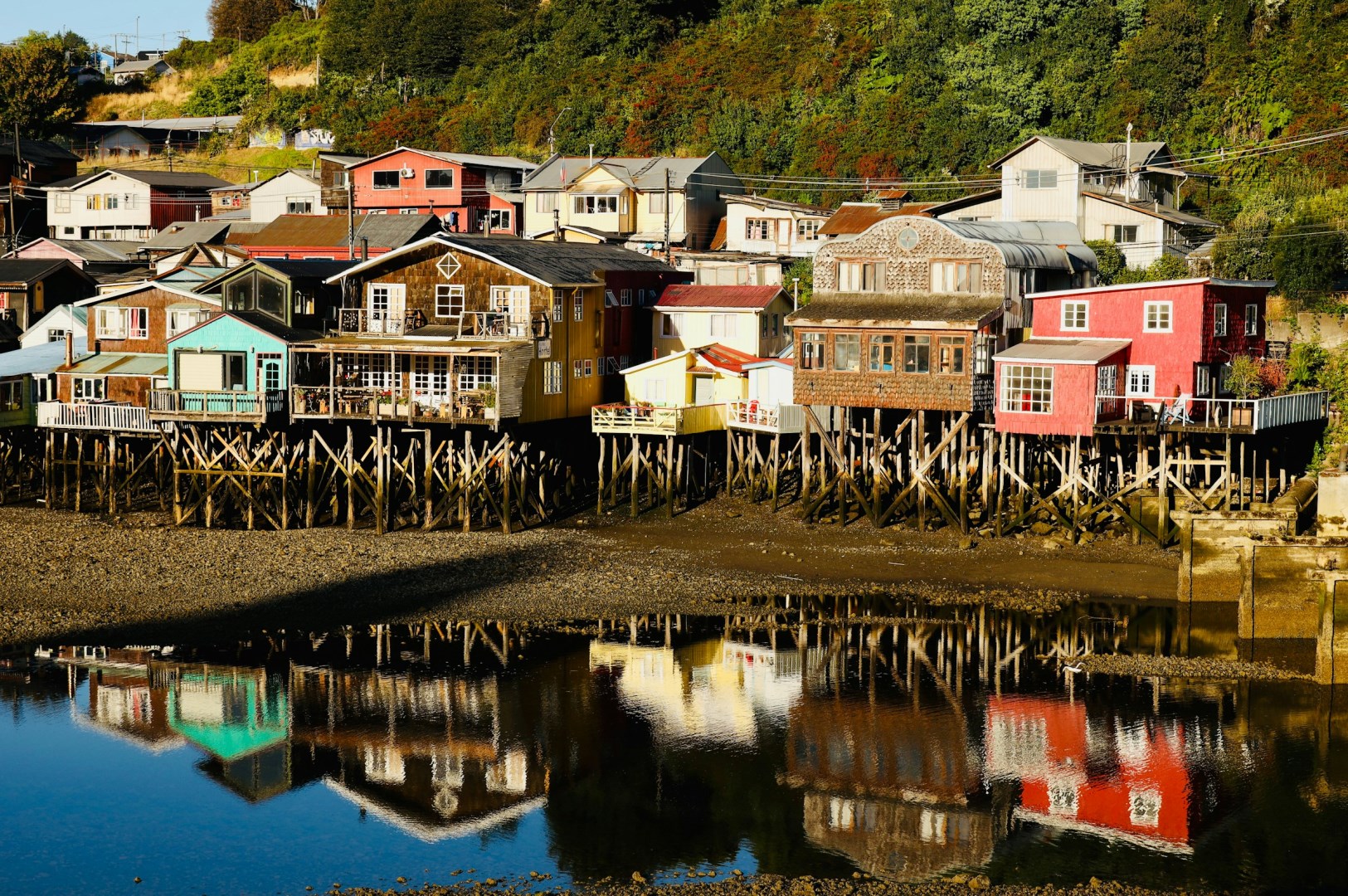
Castro is the capital of Chiloé Province on the island of Chiloé in southern Chile, set along the eastern shore of the Gulf of Corcovado. The city is recognized for its distinctive waterfront, hillside neighborhoods, and traditional wooden architecture. Its most recognizable feature is the palafitos, houses built on wooden stilts above the tidal edge, particularly around the Gamboa and Río neighborhoods.
Gabon
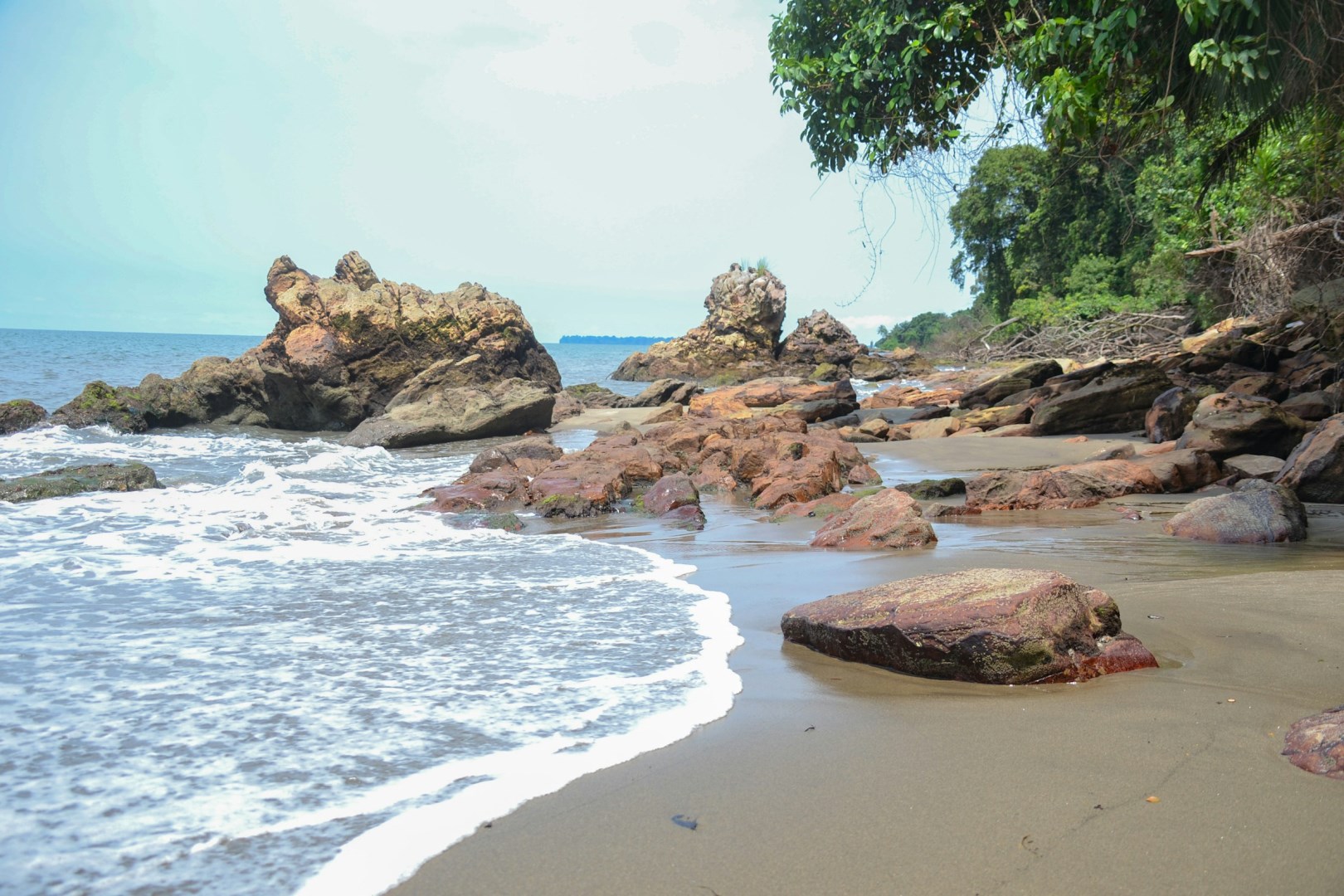
Gabon, located on the west coast of Central Africa, is a country of lush rainforests, vast savannas, and a pristine Atlantic coastline. Despite its small population, it is home to remarkable biodiversity, including gorillas, chimpanzees, forest elephants, and countless bird species. National parks such as Loango and Ivindo protect these habitats, offering visitors a chance to experience Africa’s wildlife in relatively untouched landscapes.
