
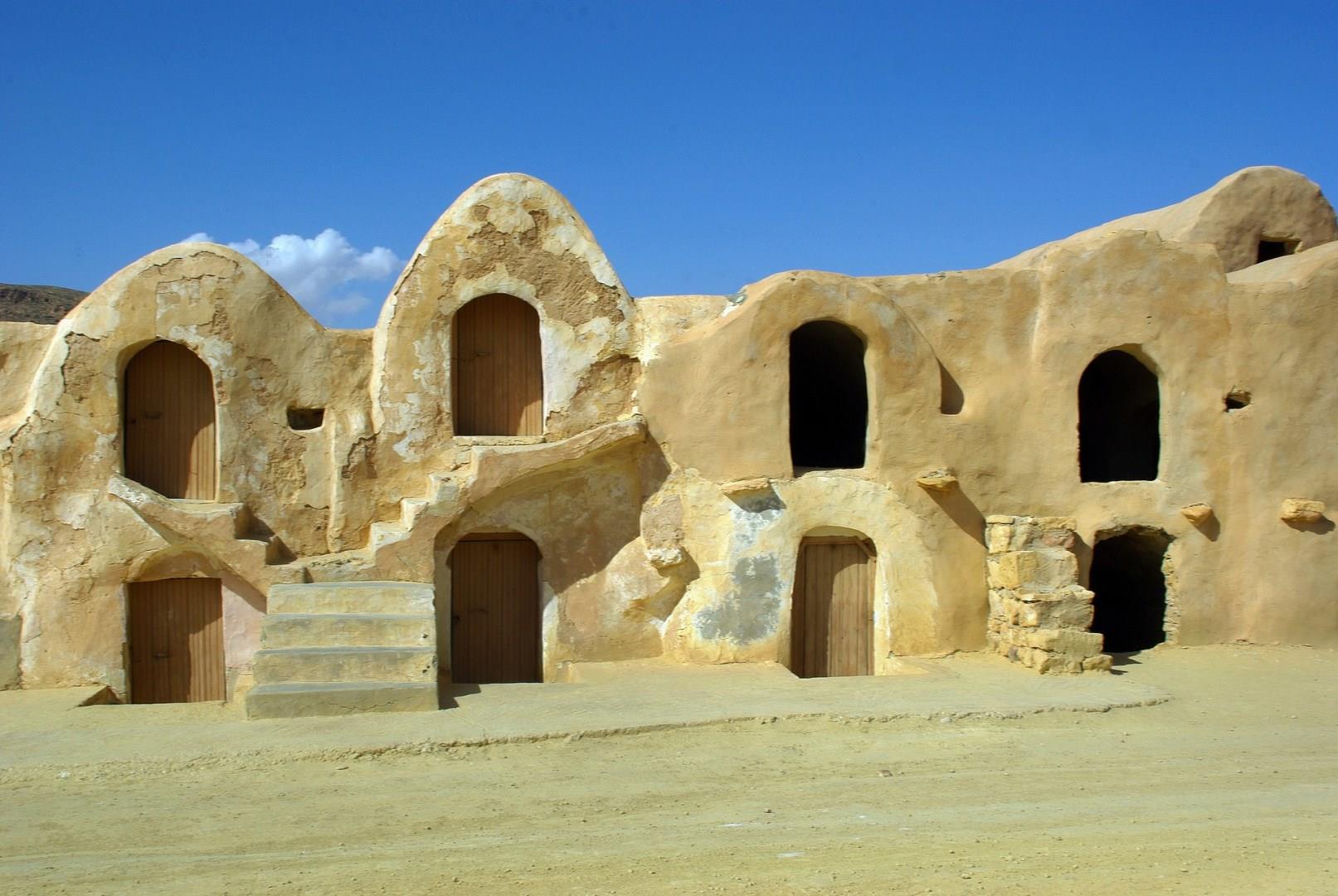
Tunisia
Tunisia, located in North Africa along the Mediterranean coast, offers a mix of desert landscapes, historic cities, and coastal charm. Its Mediterranean beaches, desert oases, and bustling markets provide a variety of experiences for travelers interested in history, culture, and nature.

Colima
Visitors to the state of Colima will experience mountains, volcanoes, rivers and alluring beaches. Jalisco sits to the north, and to the south lies Michoacán.

Kuopio
Kuopio, Finland, offers a perfect blend of natural beauty and cultural richness, making it an alluring destination for visitors. Nestled in the heart of the Finnish Lakeland, Kuopio is surrounded by the serene waters of Lake Kallavesi, offering stunning panoramic views from the famous Puijo Tower. This 75-meter observation tower provides a sweeping vista of the lake and the rolling hills.

Apulia
Apulia, or Puglia, is a sun-kissed region in southeastern Italy, renowned for its diverse landscapes and rich cultural heritage. The city of Bari, Apulia’s capital, offers a captivating blend of historic charm and vibrant modern life. Explore the narrow streets of the Old Town, home to the stunning Basilica di San Nicola, which houses the relics of Saint Nicholas.

Czech Republic
The Czech Republic is a country where centuries-old castles, storybook towns, and deeply rooted traditions coexist with vibrant art scenes and local beer halls. Prague draws the most attention, with its Gothic towers, Baroque churches, and the world’s oldest working astronomical clock, still ticking in the Old Town Square.
