
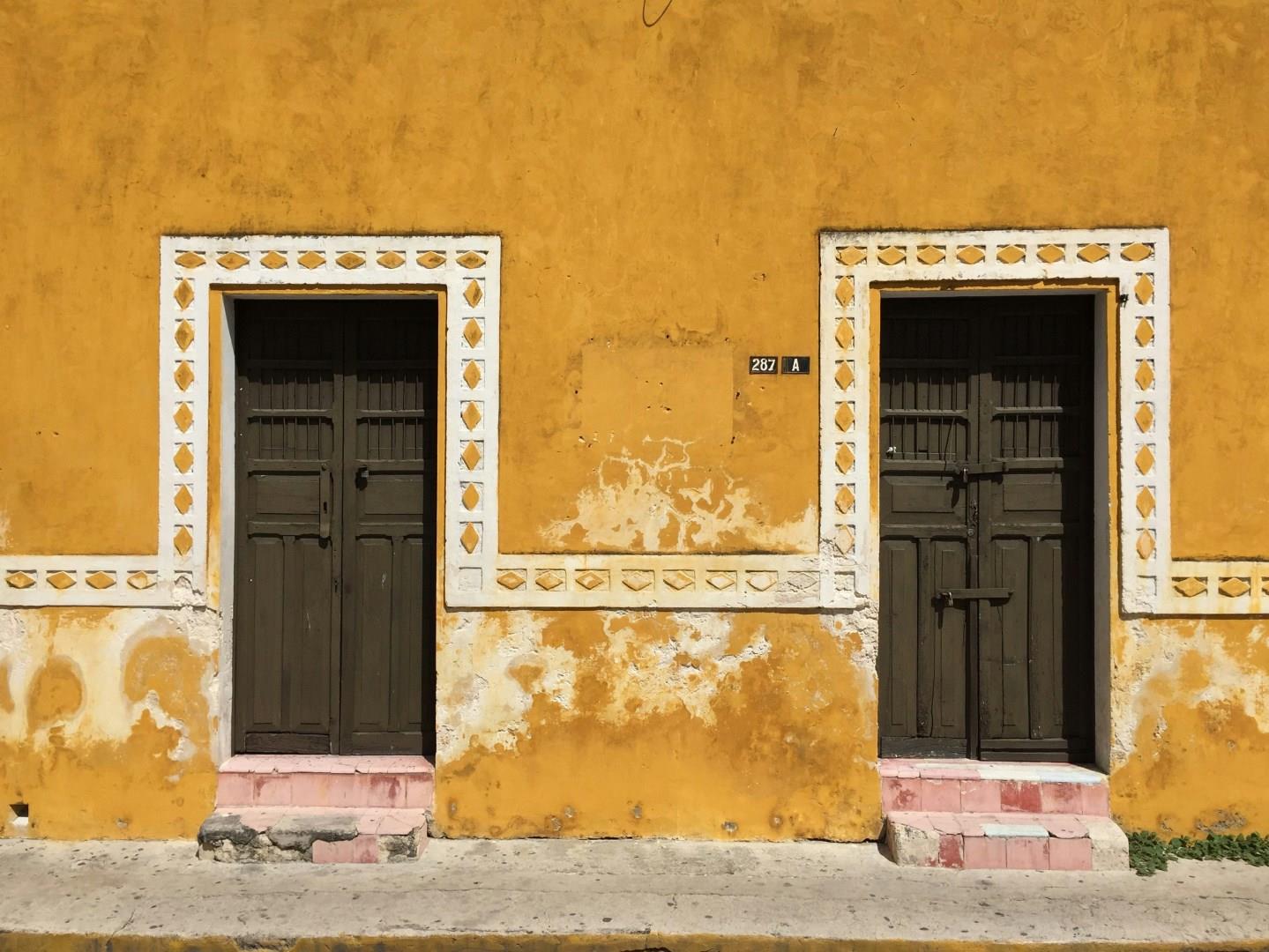
Izamal
Izamal, located in the heart of Yucatán, stands out as a city where centuries of history are layered in plain sight. Known as the “City of Three Cultures,” it combines ancient Maya ruins, Spanish colonial architecture, and modern-day Yucatecan life. One of the most striking features of Izamal is its golden-yellow buildings, painted this distinctive color in honor of Pope John Paul II’s visit in 1993.
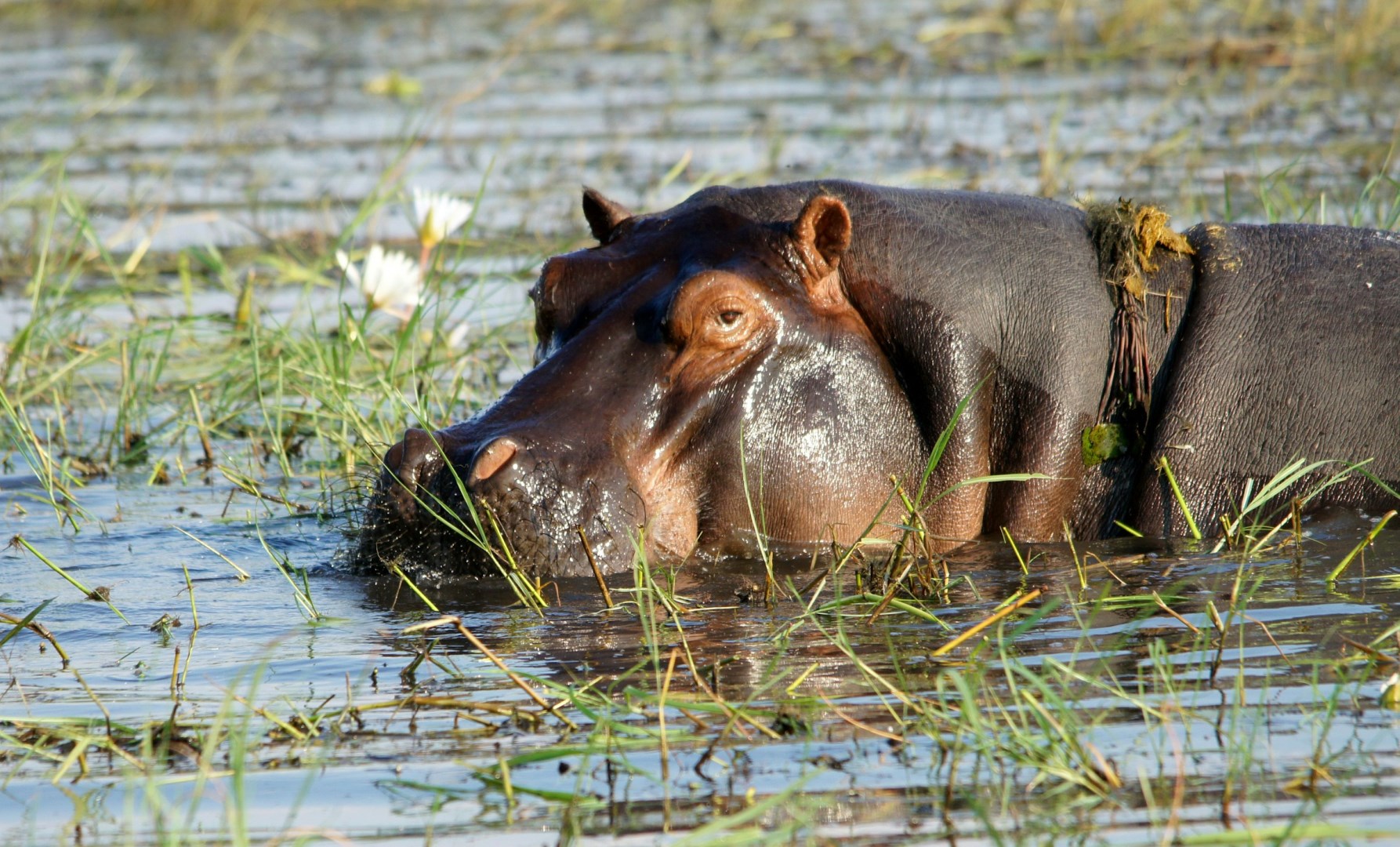
Zambezi River
The Zambezi River is one of Africa’s major waterways and an important part of Zambia’s landscape, flowing across the country before continuing through several southern African nations. In Zambia, the river passes through wetlands, woodland, floodplains, and protected wildlife areas, including Lower Zambezi National Park.
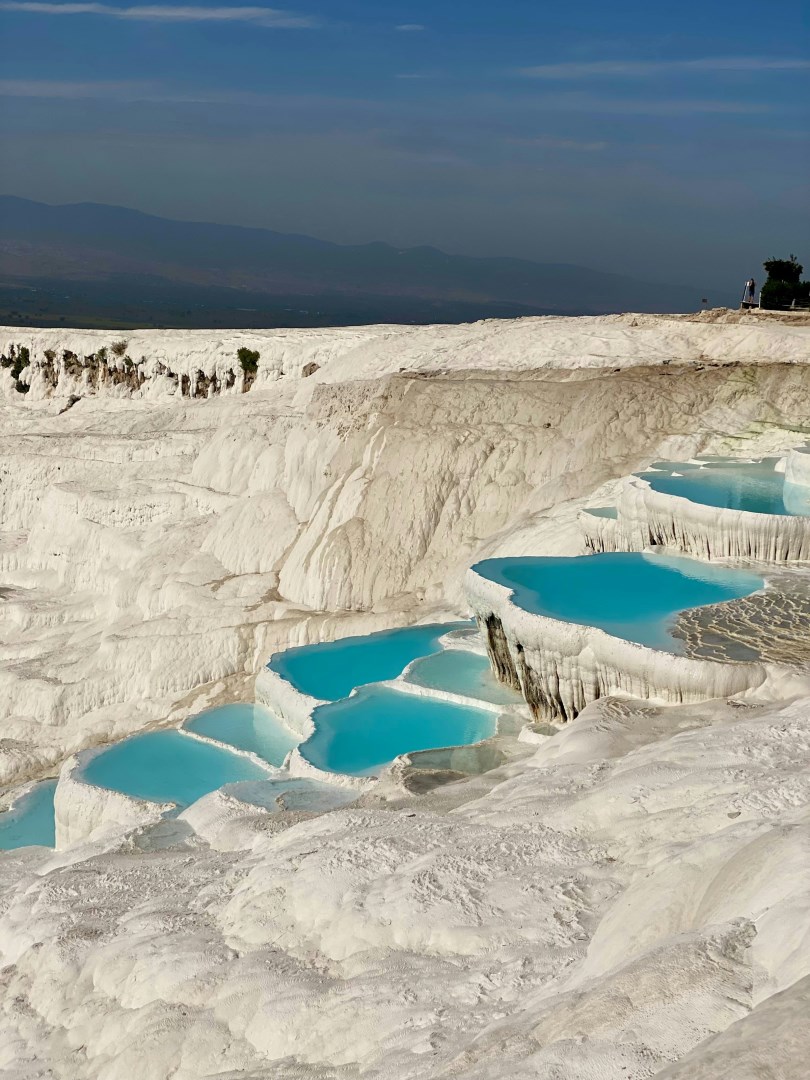
Pamukkale
Pamukkale is a fairyland of dazzling white, petrified castles. It is a magical and spectacular natural site, unique in the world. Thermal spring waters laden with calcareous salts running off the plateau's edge, have created this fantastic formation of stalactites, cataracts and basins.
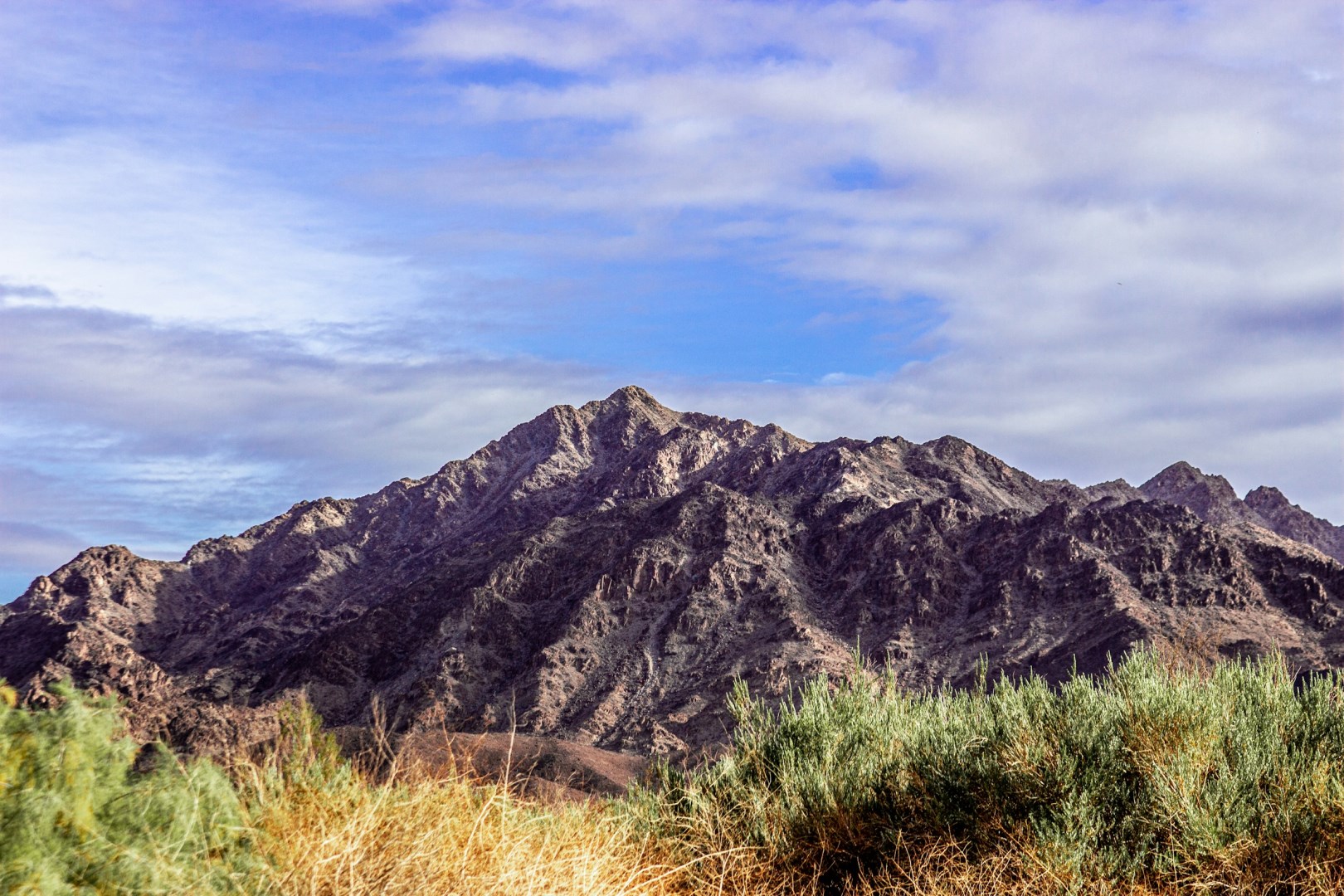
Yuma
Yuma is a city in southwestern Arizona near the Colorado River, close to the borders with California and Mexico. Its location in the lower Colorado River Valley has made it an important crossing point, agricultural center, and transportation hub in the desert Southwest. The surrounding landscape is characterized by low desert plains, irrigated farmland, sand dunes, and rugged mountains.

Isla del Sol
Isla del Sol, or Island of the Sun, is one of the best-known islands in Lake Titicaca, Bolivia, located in the lake’s southern section near Copacabana. The island is shaped by steep hills, stone terraces, small farming communities, and broad views across the high-altitude lake toward the Andes. At about 3,810 meters above sea level, Lake Titicaca creates a distinctive setting where cultivated slopes meet deep blue water and distant mountain peaks.
