
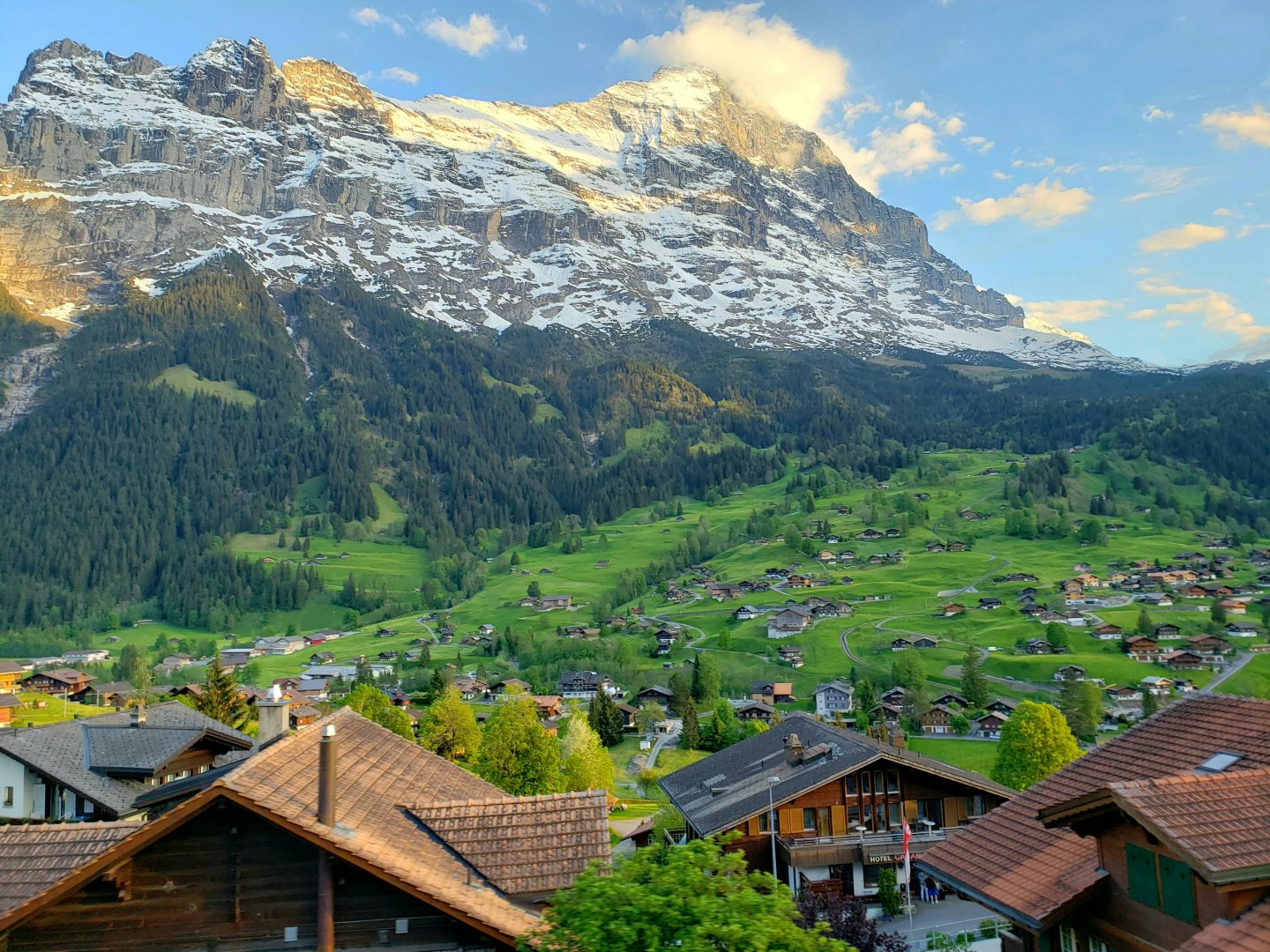
Grindelwald
Set in a wide alpine valley beneath the north face of the Eiger, Grindelwald has long been a place where mountain life and mountaineering history intersect. The village grew from a farming settlement into one of Switzerland’s earliest alpine tourism hubs in the 19th century, when climbers, writers, and scientists arrived to study—and attempt—the surrounding peaks.
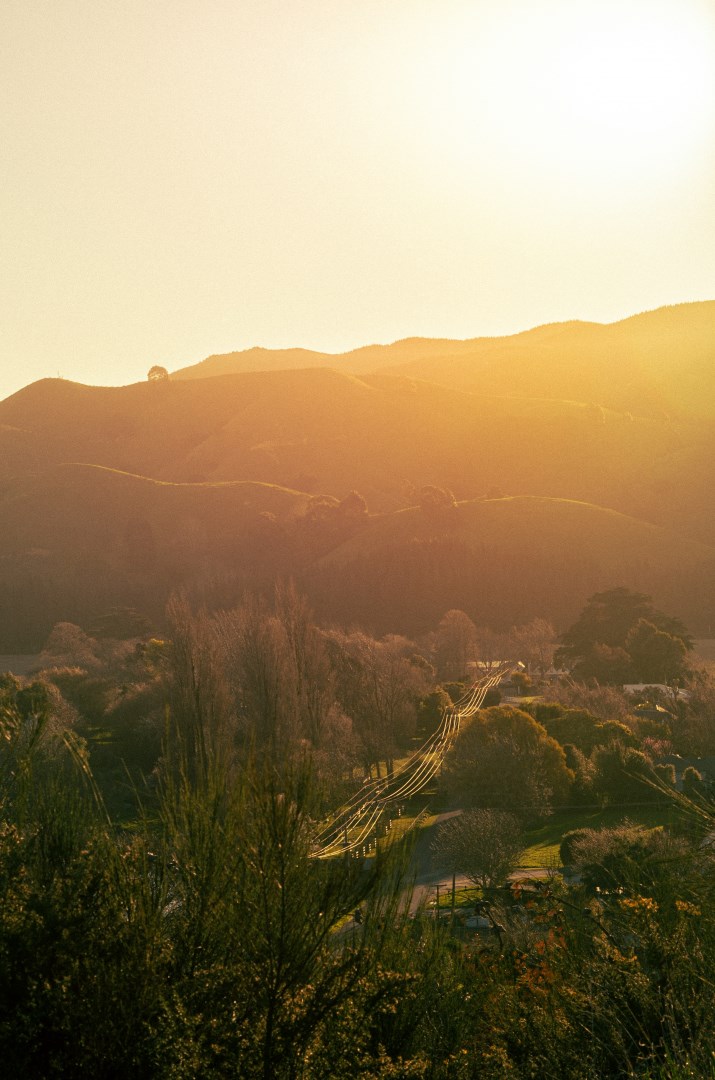
Blenheim
Blenheim, known as Te Waiharakeke in te reo Māori, is the main town of Marlborough on New Zealand’s South Island, set among the Wairau Valley’s vineyards, rivers, and mountain ranges. The town sits between the Taylor and Ōpaoa Rivers and serves as the regional centre for a landscape strongly associated with wine production.

Xi'an
Xi’an, located in central China’s Shaanxi Province, served as the starting point of the ancient Silk Road and was the capital of 13 imperial dynasties. Its long history is most famously represented by the Terracotta Army, an underground army of life-sized warriors discovered in 1974. Each figure has distinct facial features, hairstyles, and armor, designed to protect Emperor Qin Shi Huang in the afterlife.
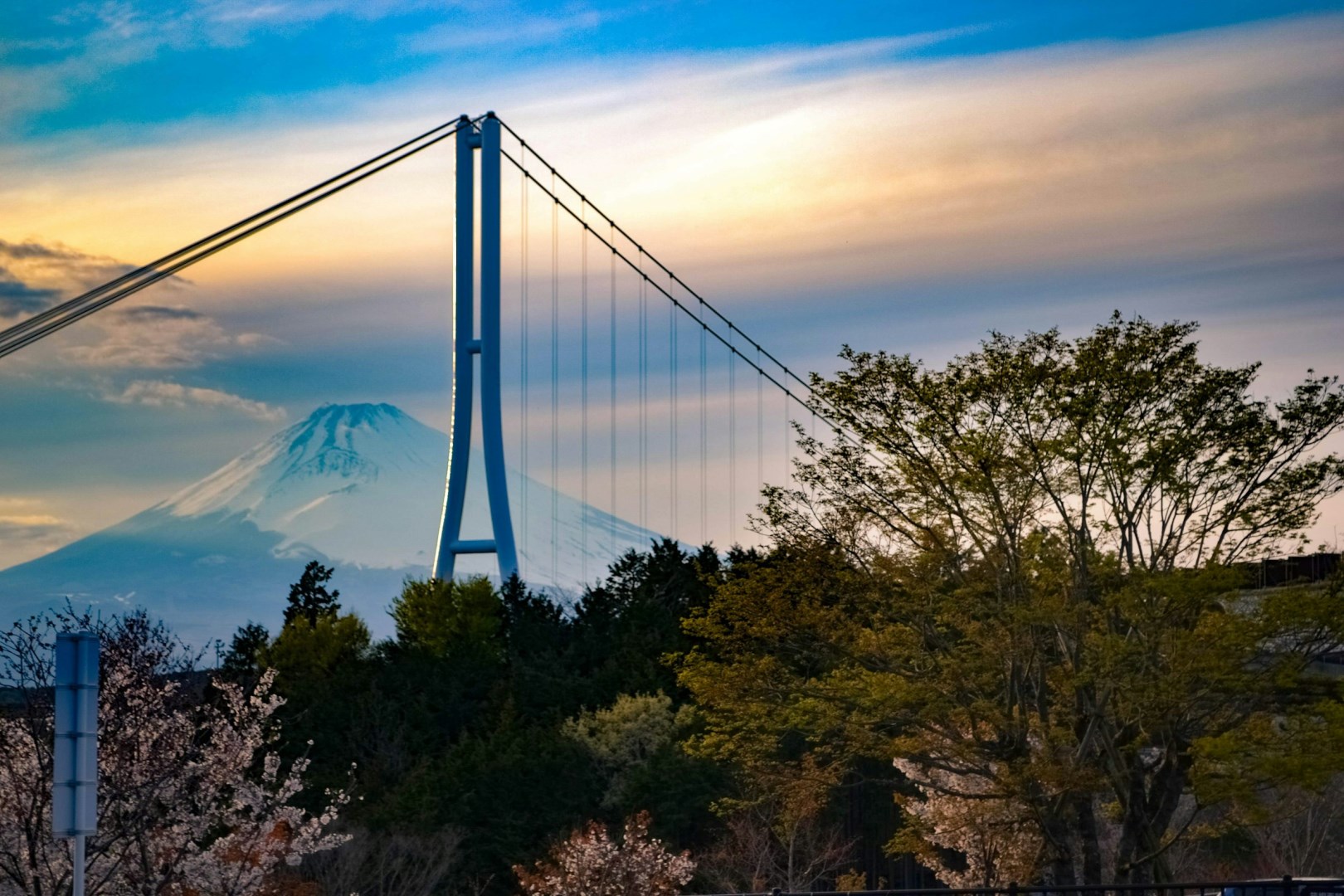
Mishima
Mishima is a city in eastern Shizuoka Prefecture, located at the northern end of the Izu Peninsula near the foot of Mount Fuji. The city is closely connected with the abundant spring water that flows from the mountain through its urban landscape. Rivers, canals, ponds, and walking paths give Mishima a distinctive relationship with water, while its location provides access to both the Izu Peninsula and the Mount Fuji area.

Seyðisfjörður
Nestled in the picturesque Eastfjords of Iceland, Seyðisfjörður is a small town that offers a unique blend of natural beauty and cultural charm. Surrounded by steep mountains and cascading waterfalls, the town is renowned for its vibrant arts scene and well-preserved wooden houses. Seyðisfjörður’s colorful architecture contrasts beautifully with the dramatic fjord landscape, creating a captivating setting for visitors.
