
Kanchanaburi
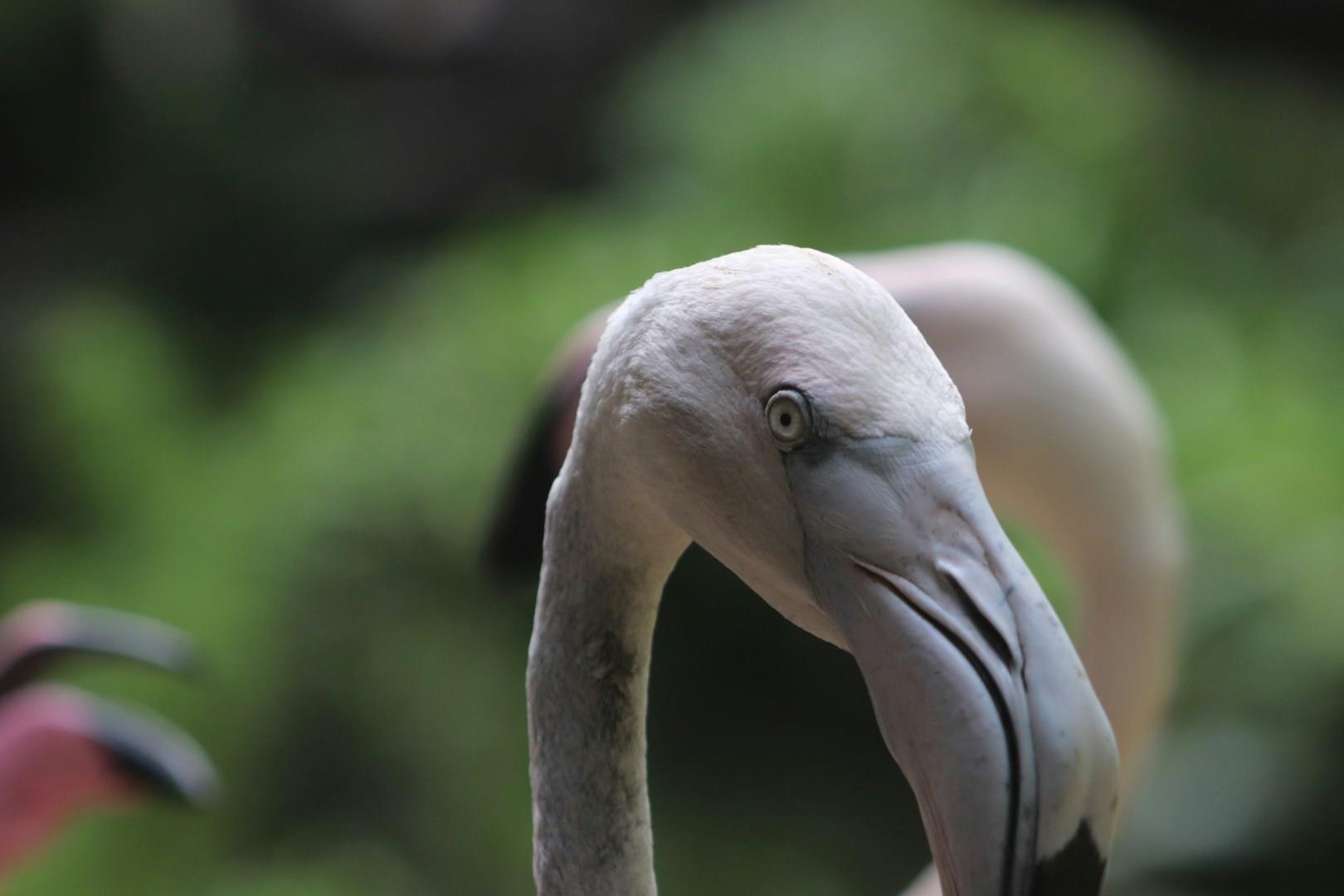
Kanchanaburi, a province in western Thailand, is best known for its poignant history and lush landscapes. It was here that Allied prisoners of war and Asian laborers were forced to build the infamous Death Railway during World War II, including the Bridge over the River Kwai, which remains a powerful symbol of resilience.

Warsaw
Warsaw stands as one of Europe’s most resilient cities, having rebuilt itself almost entirely after World War II. The Old Town, meticulously reconstructed using paintings by Italian artist Bernardo Bellotto, feels centuries old but is, in fact, less than a hundred years in its current form. Behind the medieval facades lie stories of uprisings, resistance, and quiet defiance. Visitors walking through Castle Square can enter the Royal Castle, where Poland’s Constitution of May 3, 1791 was adopted.
Doi Inthanon National Park
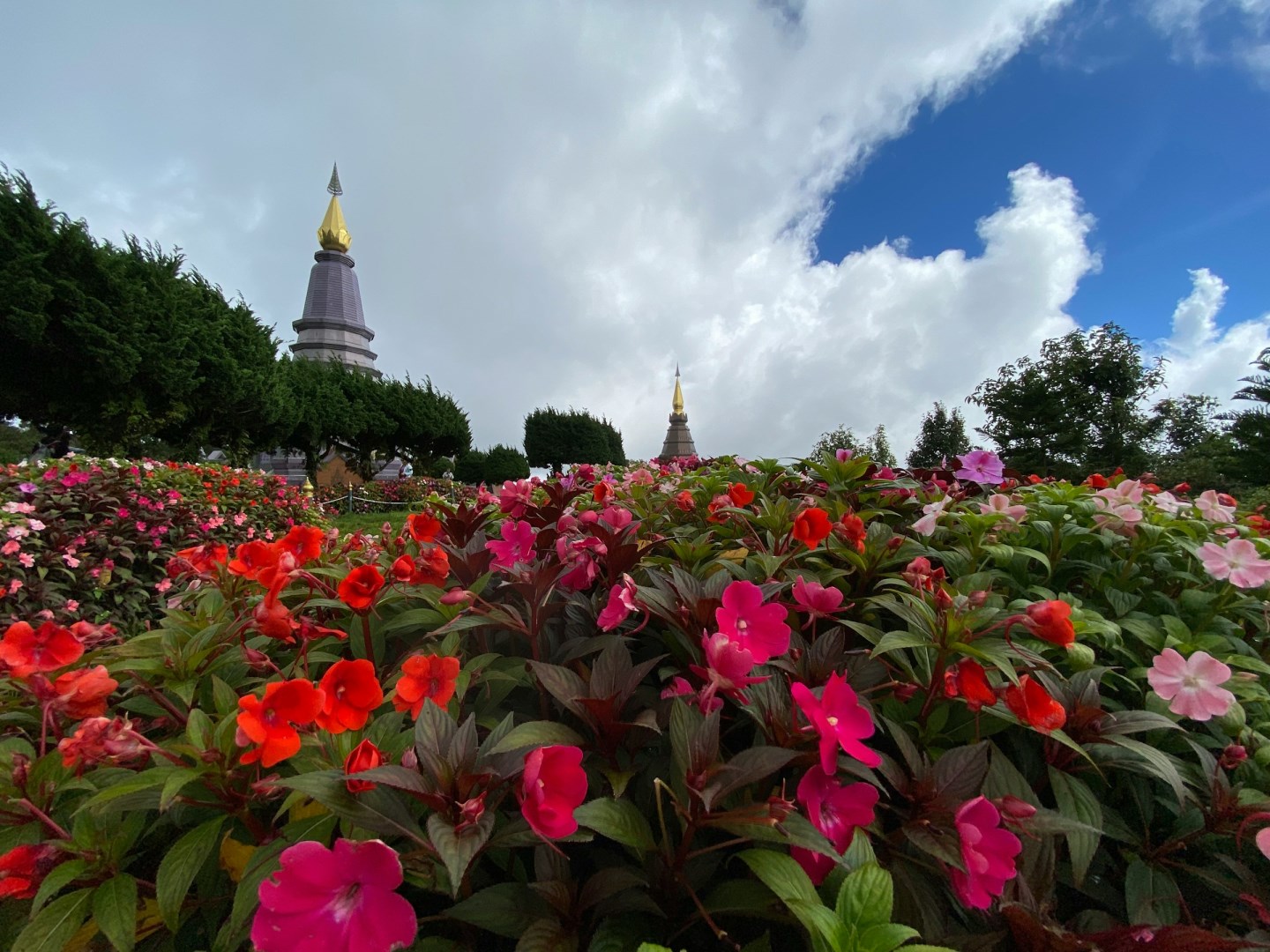
"The Roof of Thailand," Doi Inthanon National Park in Chiang Mai is where visitors will see Doi Inthanon, the country's highest mountain. Cold and humidity are factors due to high altitude, but the rich flora and fauna attract hearty tourists and birders alike. Stunning!
Montbard
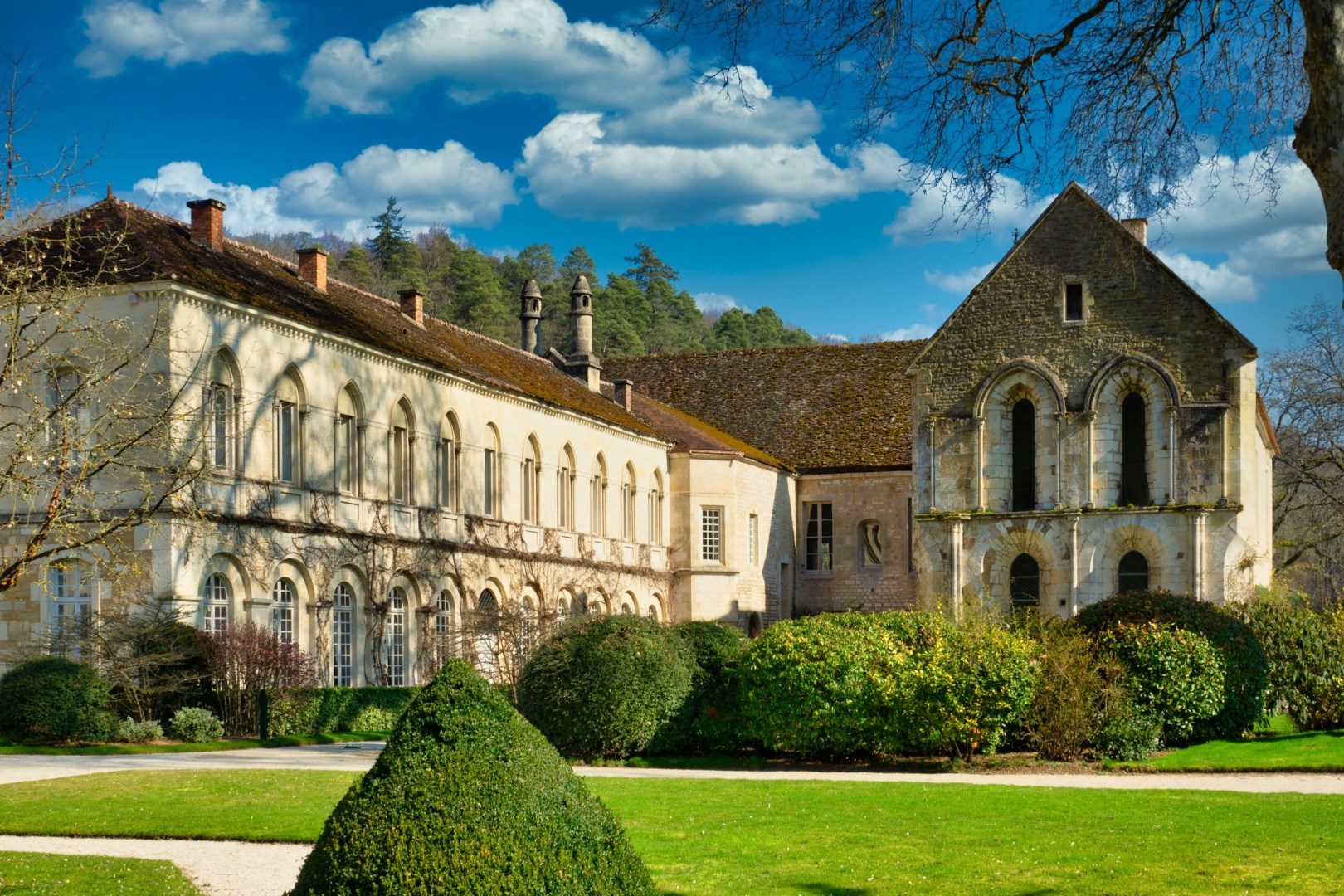
Montbard is a small Burgundy town shaped by the legacy of naturalist Buffon, with terraced gardens, medieval remains, and the Canal de Bourgogne running through its landscape. Beyond Parc Buffon, it offers easy access to Fontenay Abbey and the Grande Forge de Buffon, while local specialties such as Saupiquet Montbardois give the town a distinct regional identity.

Whistler
Whistler, nestled in the Coast Mountains of British Columbia, is a year-round destination renowned for its world-class skiing and vibrant outdoor lifestyle. As home to the largest ski resort in North America, Whistler Blackcomb, this picturesque town transforms into a snowy wonderland each winter.
