
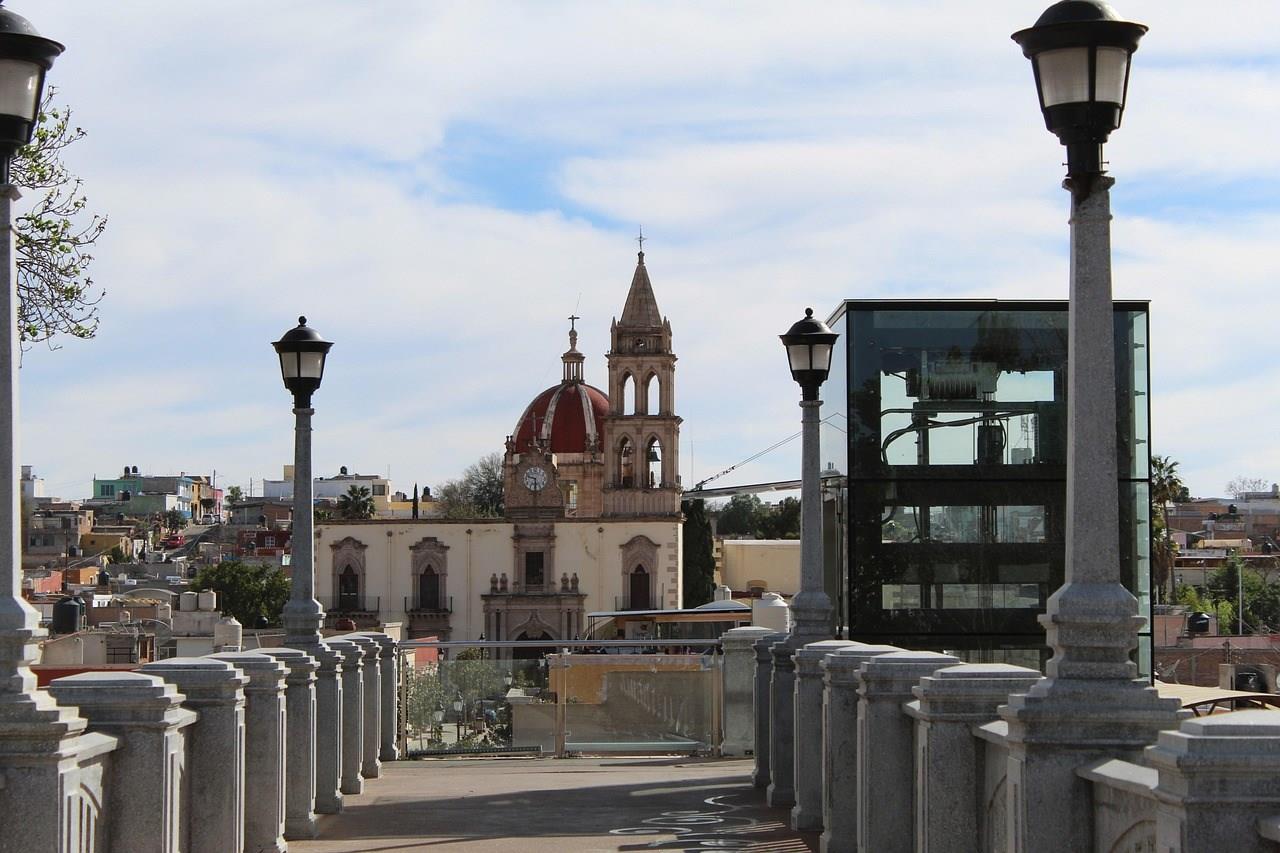
Durango
Victoria de Durango rises on a high plateau Mexico’s Sierra Madre Occidental, founded in 1563 by Francisco de Ibarra. Its streets trace layers of history: the historic center holds the most listed buildings in northern Mexico and remains a notable stop on the Camino Real de Tierra Adentro, now a UNESCO World Heritage route.

Jeddah
Jeddah sits along Saudi Arabia’s Red Sea coast and has long served as a gateway between the Arabian Peninsula and the wider world. For centuries, merchants, pilgrims, and travelers passed through its port on the way to Mecca, shaping a city known for openness and exchange.
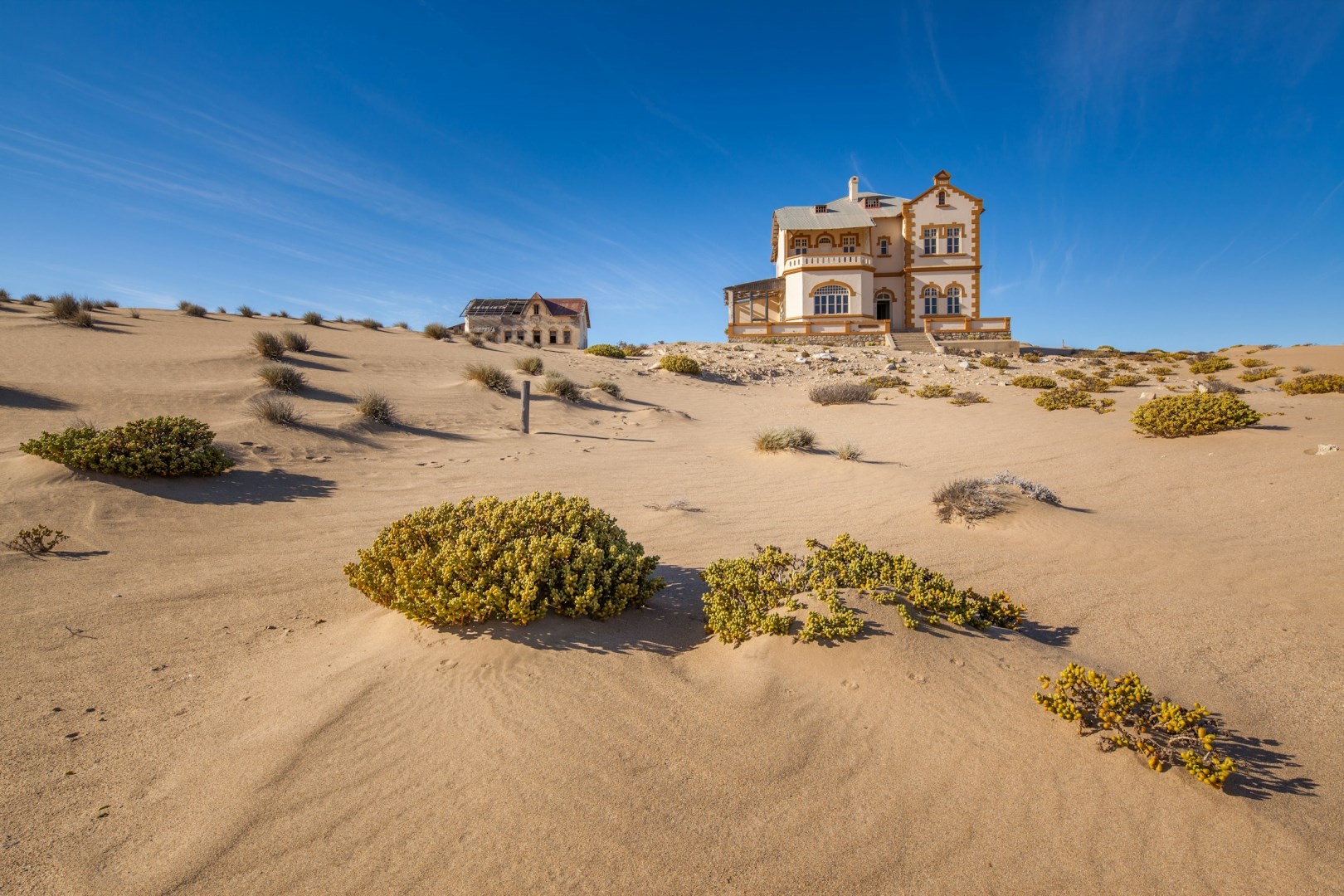
Kolmanskop
Kolmanskop is an abandoned diamond-mining settlement in the Namib Desert, a short distance inland from the coastal town of Lüderitz in southern Namibia. The former settlement is surrounded by an exceptionally dry landscape of sand, gravel, and sparse desert vegetation. Today, windblown sand fills many of its empty buildings, creating a distinctive scene where rooms, corridors, and staircases are gradually being reclaimed by the desert.
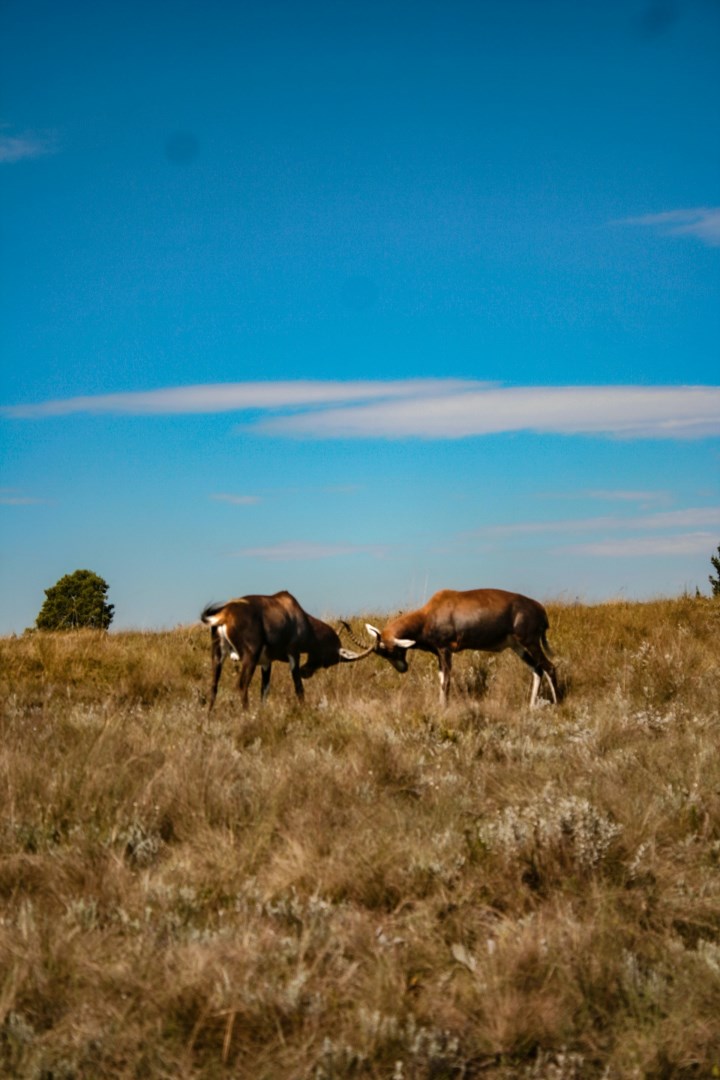
Malolotja National Park
Malolotja Nature Reserve, often referred to as Malolotja National Park, lies in the northwestern highlands of Eswatini, close to the South African border. Covering more than 18,000 hectares, it protects one of the country’s largest areas of mountain wilderness, with rolling grasslands, deep valleys, wetlands, woodland, and mistbelt forest.
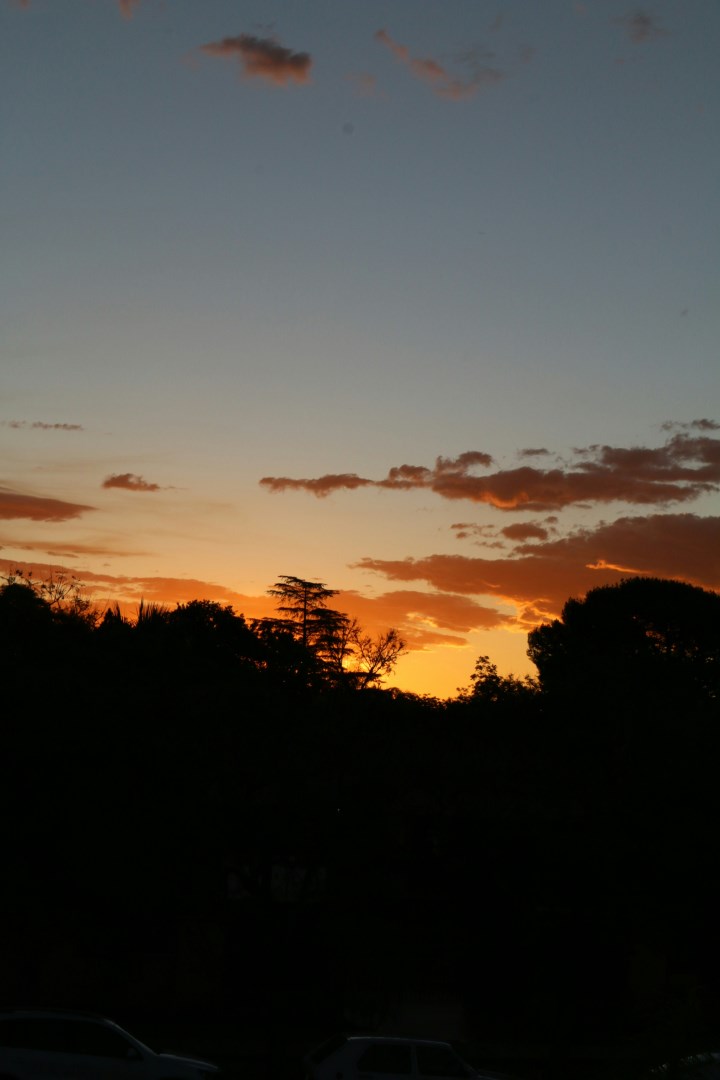
Kimberley
Kimberley is a city in South Africa’s Northern Cape province, known for its strong connection to diamond mining. It stands on a semi-arid plateau, where wide skies and dry landscapes shape daily life.
