

Watamu
Watamu, located on Kenya’s picturesque coast, is a paradise for beach lovers and nature enthusiasts alike. Renowned for its pristine white-sand beaches and turquoise waters, Watamu is part of the Watamu Marine National Park, a protected area known for its vibrant coral reefs and rich marine biodiversity. The park is a haven for snorkeling and diving, with opportunities to see colorful fish, sea turtles, and even dolphins.
Gokyo
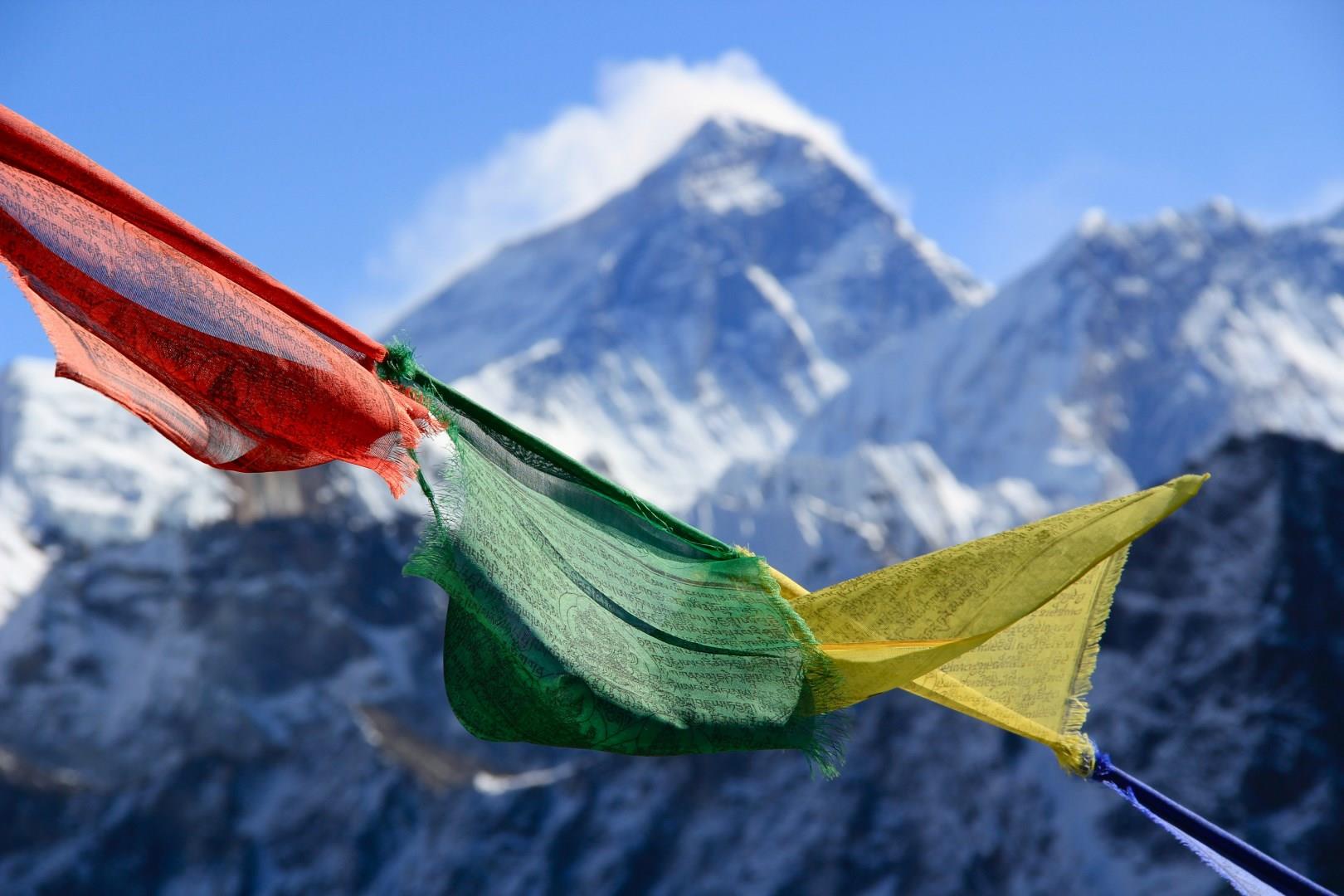
Gokyo is a small settlement high in Nepal’s Khumbu region, set beside a chain of turquoise glacial lakes beneath the Himalaya. Its significance is closely tied to trans-Himalayan trade routes and to Sherpa culture, which has adapted over generations to life at extreme altitude.
Kyrgyzstan
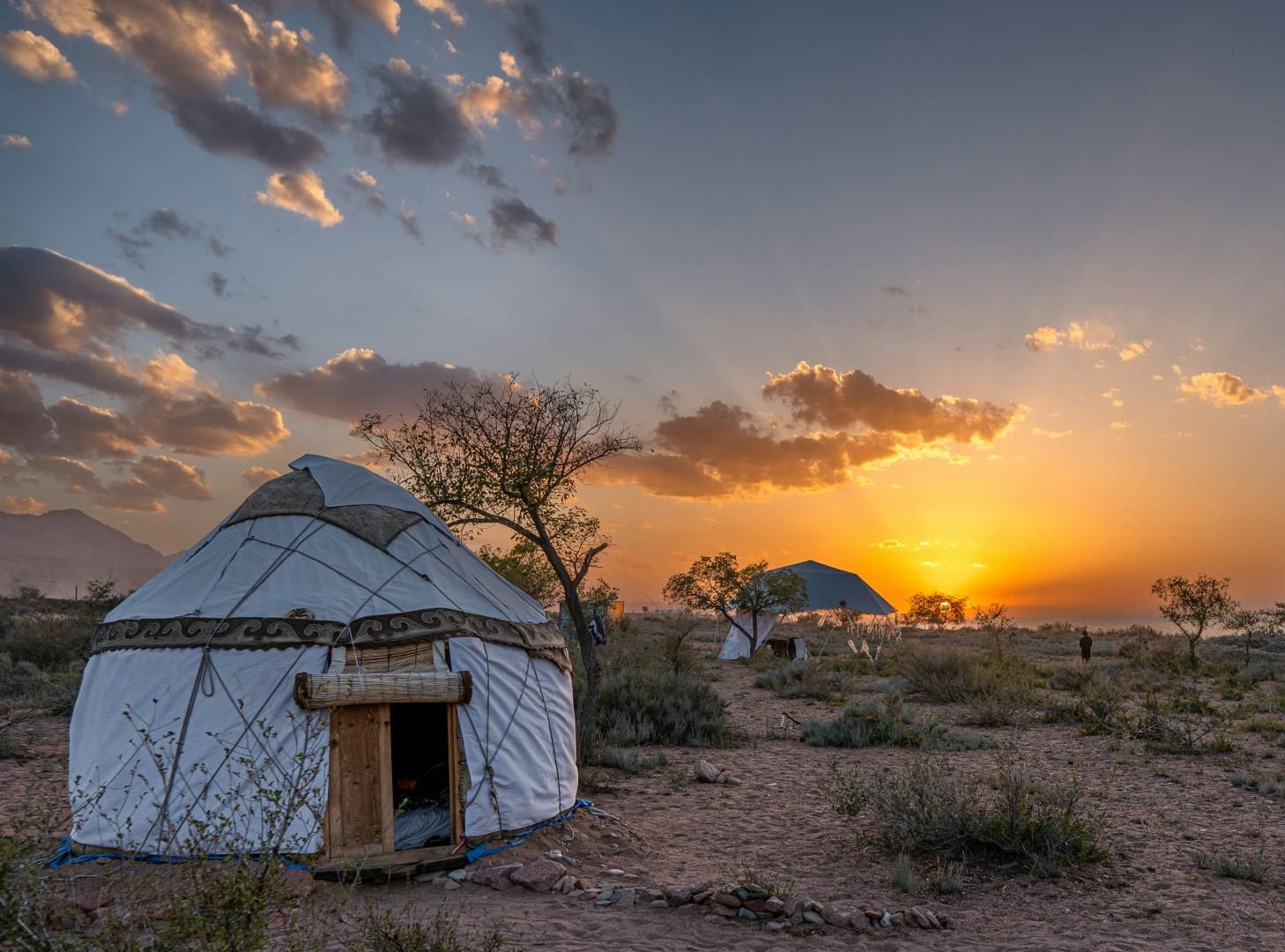
Kyrgyzstan, a country in Central Asia, is known for its rugged mountains, alpine lakes, and rich nomadic traditions. The Tien Shan mountain range dominates the landscape, offering opportunities for hiking, horseback riding, and exploring remote villages.

Funchal
Nestled on the sun-drenched southern coast of Madeira, Funchal, the island's capital, offers an enchanting mix of old-world charm, vibrant culture, and natural beauty. This picturesque city, set against a backdrop of rugged mountains and the deep blue Atlantic Ocean, is known for its lush botanical gardens, stunning vistas, and year-round mild climate.
Bentota
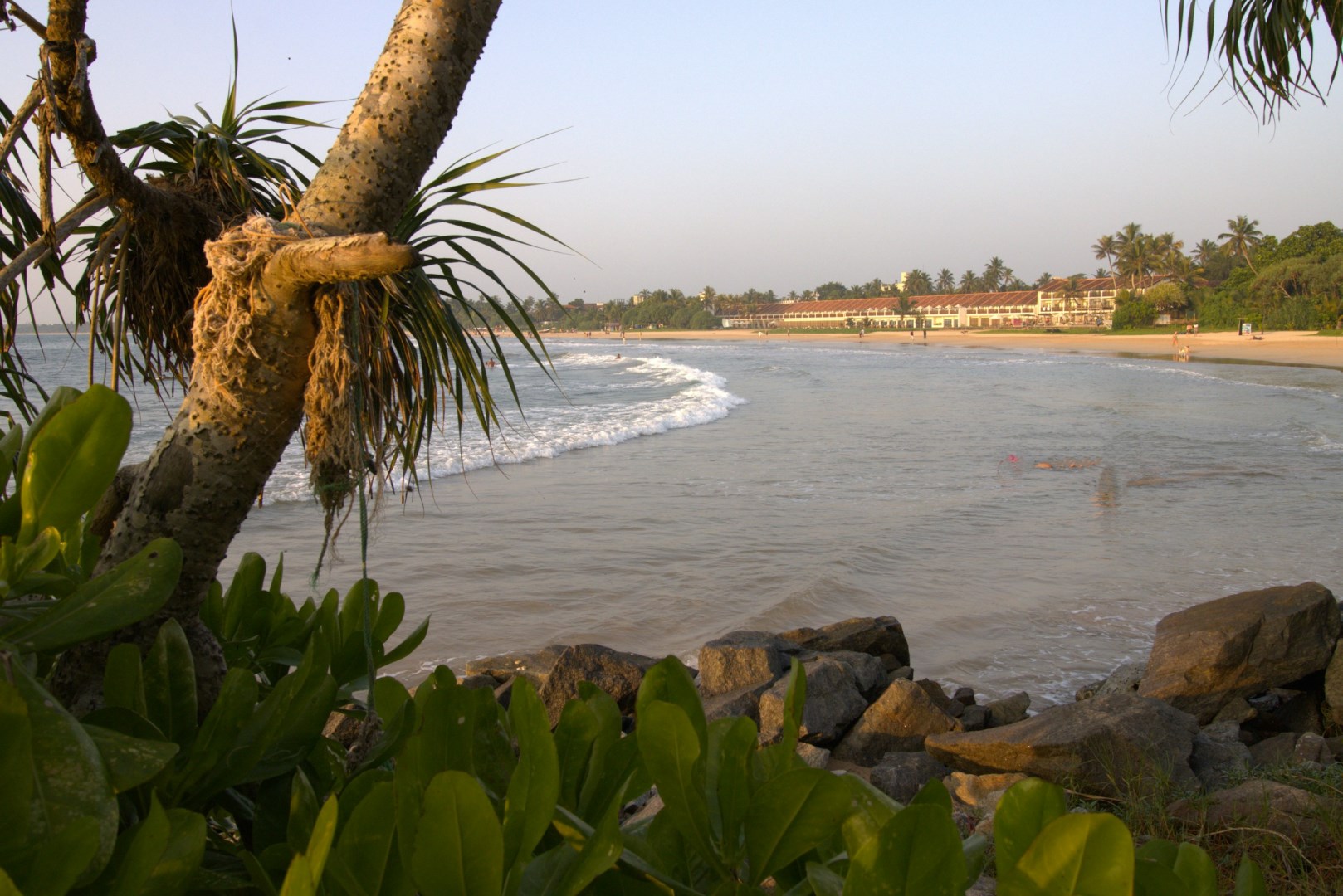
Bentota is a coastal town in Sri Lanka’s Southern Province, positioned where the Bentara River meets the Indian Ocean. Its landscape is shaped by a broad sandy beach, the river’s waterways, and tropical vegetation, creating a setting where inland and coastal environments meet. Bentota is particularly associated with water-based recreation, including swimming, river excursions, fishing, windsurfing, waterskiing, snorkeling, and diving. The town is also known for Ayurveda, with wellness treatments
