
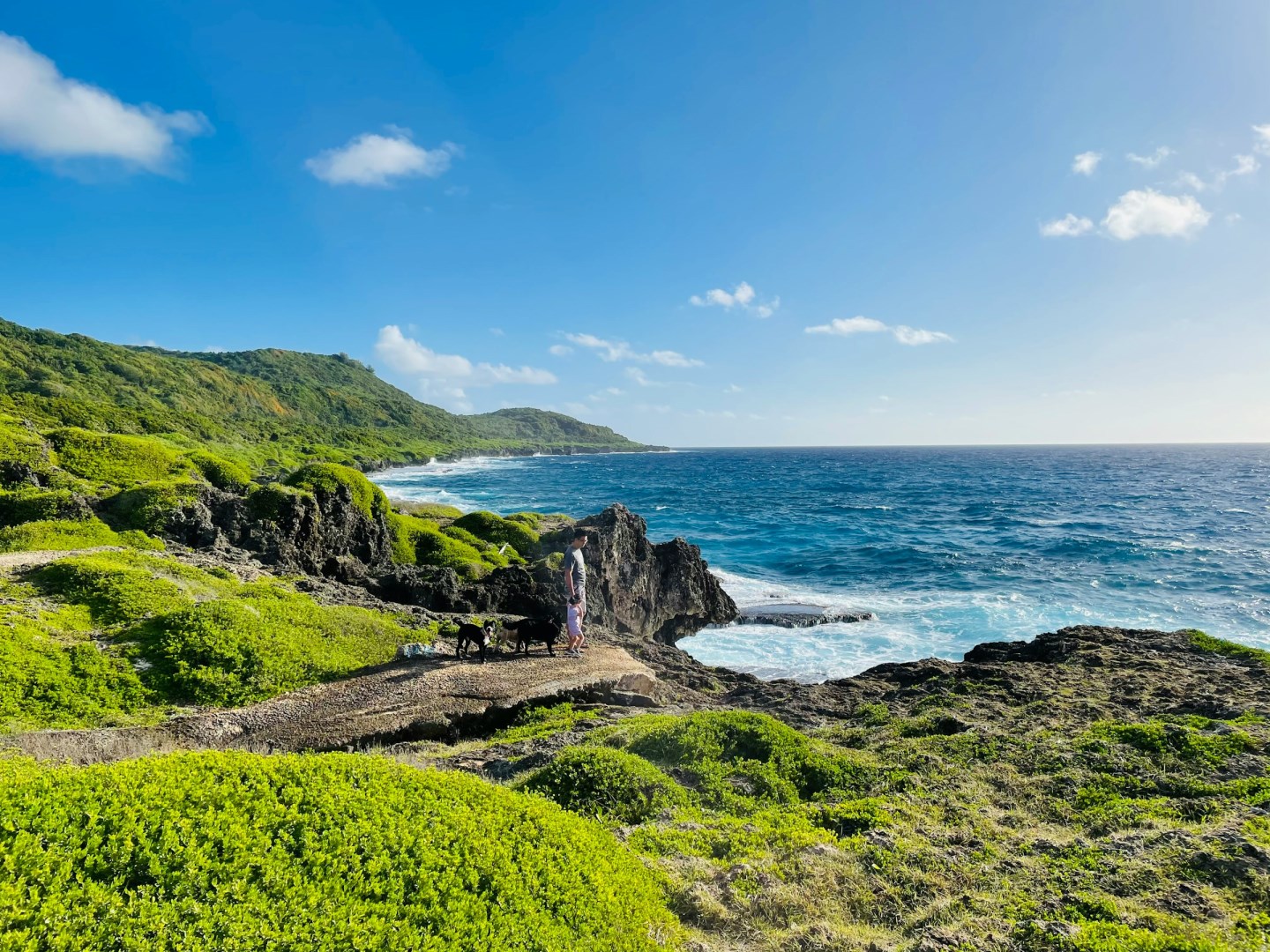
Pagat
Pagat is a historic village area on Guam's northeastern coast, known for its archaeological remains, limestone cliffs, caves, and coastal trails. The area lies within Guam's rugged northern landscape, where dense vegetation covers limestone terraces above the Pacific Ocean. Pagat is particularly significant because it preserves evidence of ancient CHamoru settlement, including stone structures, pottery fragments, and remnants of traditional village life.
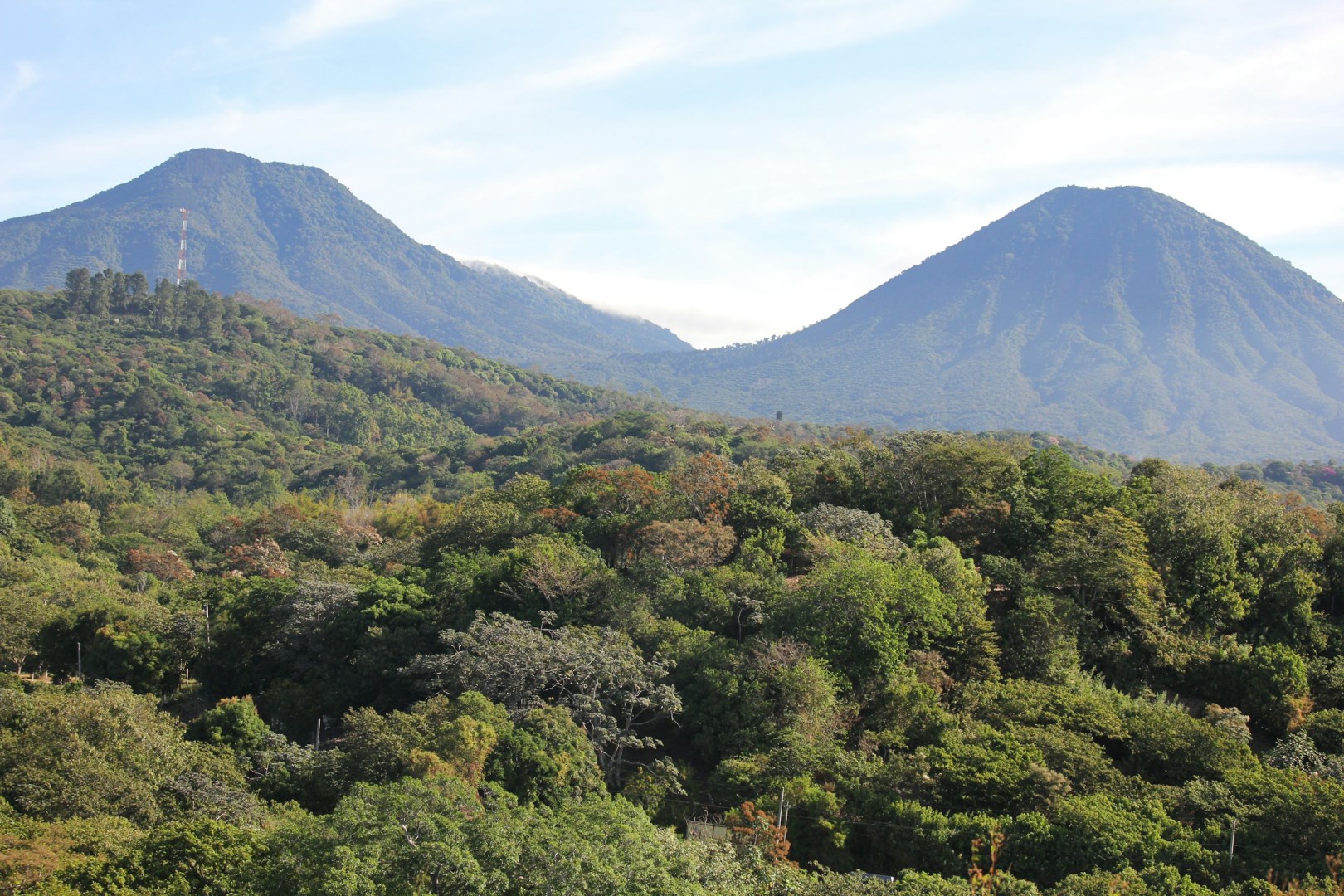
Concepción de Ataco
Concepción de Ataco is a mountain town in western El Salvador, located in the department of Ahuachapán along the Ruta de las Flores. At about 1,260 meters above sea level, it sits among forested hills and coffee plantations, giving the area a cooler climate than the country's lowlands. The town is known for cobblestone streets, colorful murals, traditional buildings, craft workshops, and small cafés.
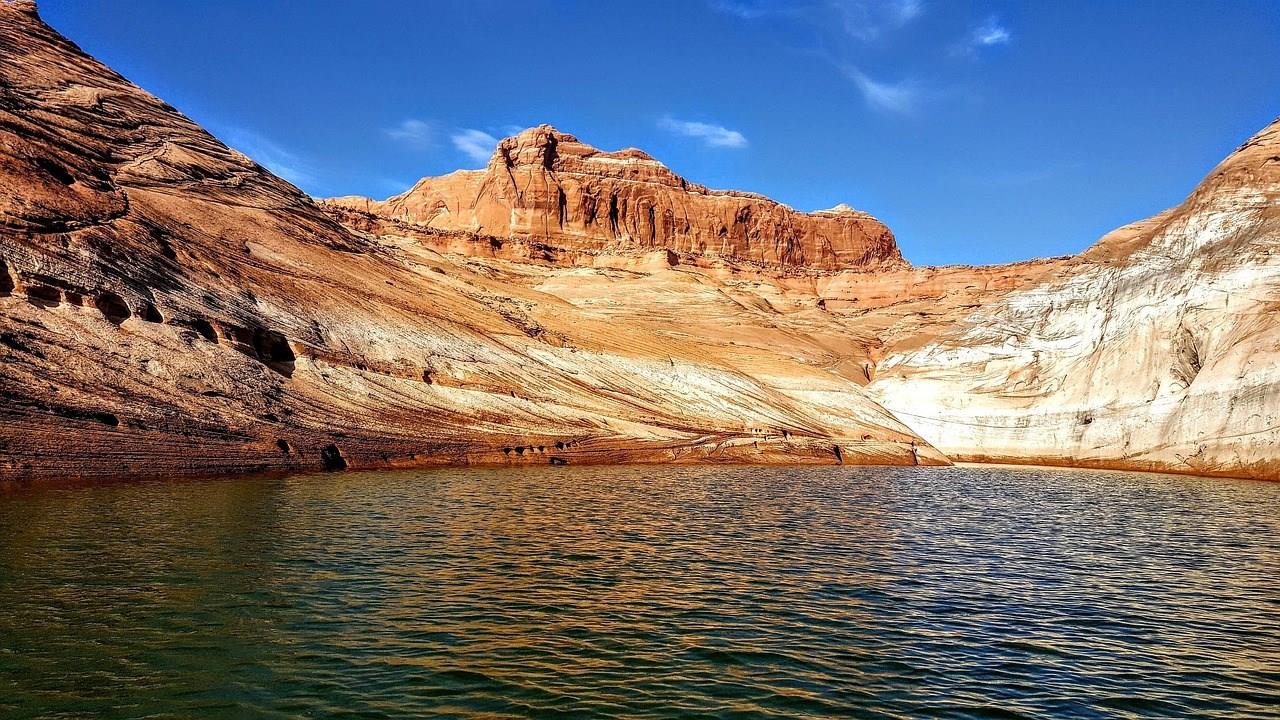
St. George
St. George, Utah, is a desert city in the state’s southwest corner, celebrated for its striking red rock landscapes, mild climate, and proximity to some of the American West’s most iconic natural wonders.

Kamloops
Kamloops, located in the interior of British Columbia, sits at the meeting point of the North and South Thompson Rivers. The name comes from the Secwépemc word “Tk’emlúps,” meaning "where the rivers meet," and the area has been a gathering place for Indigenous communities for thousands of years. Today, visitors can explore this rich cultural heritage at the Secwépemc Museum and Heritage Park, where trails lead through archaeological sites and reconstructed pit houses.
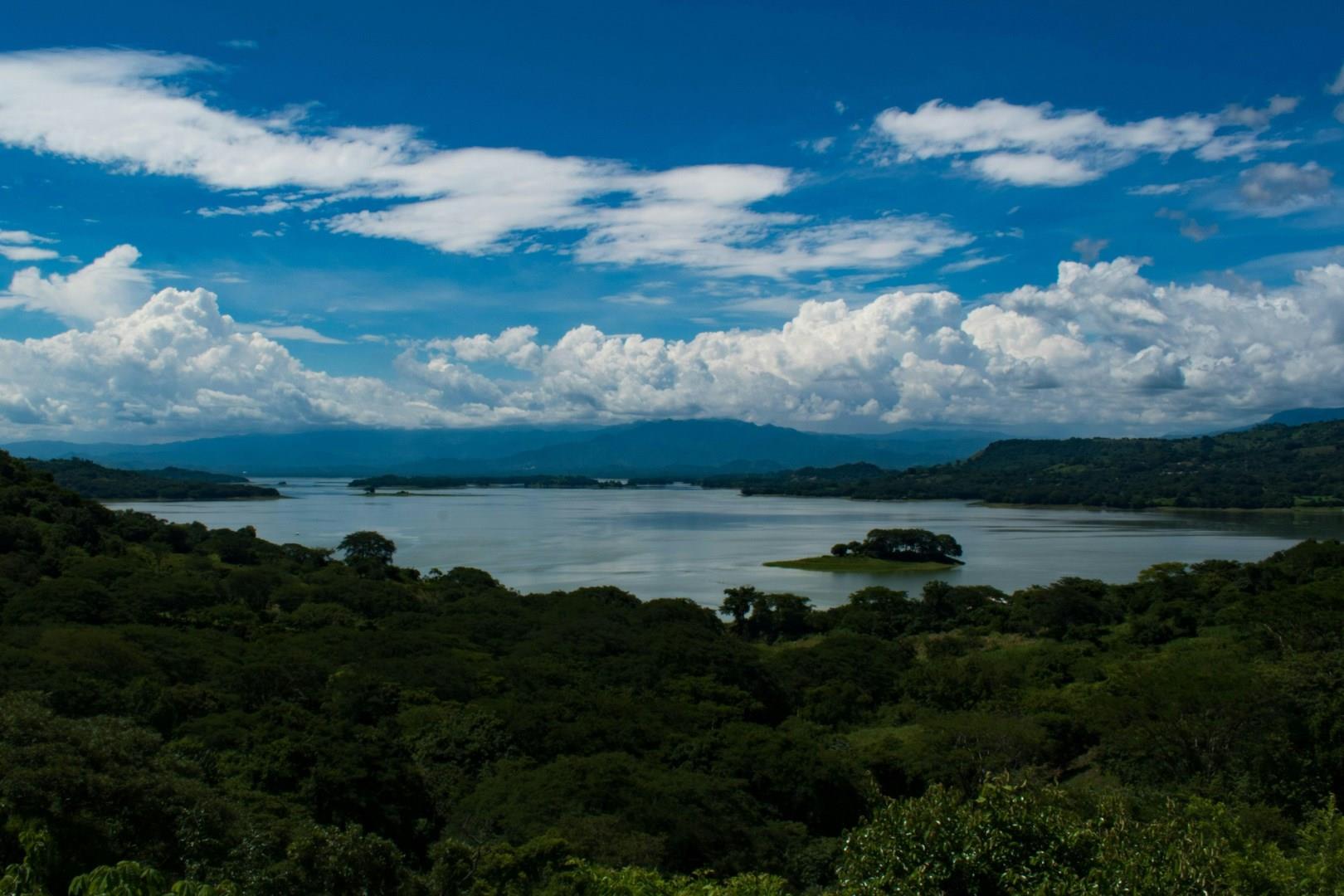
Suchitoto
Suchitoto, located in the Cuscatlán department of El Salvador, is a hilltop town known for its cobblestone streets and scenic views of Lake Suchitlán. Once an important center for indigo production, the town still celebrates its dye-making history through artisan workshops where visitors can learn to create textiles using natural indigo. The name “Suchitoto” comes from the Nahuatl language and means “place of flowers and birds,” a nod to the area’s diverse birdlife and surrounding vegetation.
