

Maui Island
Maui is a Hawaiian paradise offering an incredible variety of landscapes, experiences, and cultural traditions. Known for its valleys, beaches, and volcanic peaks, Maui attracts visitors who want to immerse themselves in nature and Hawaiian heritage. The island’s crown jewel is Haleakalā National Park, where the massive dormant volcano provides beautiful scenery and unforgettable sunrise views. Visitors can hike through the park or stargaze under one of the clearest night skies in the world.
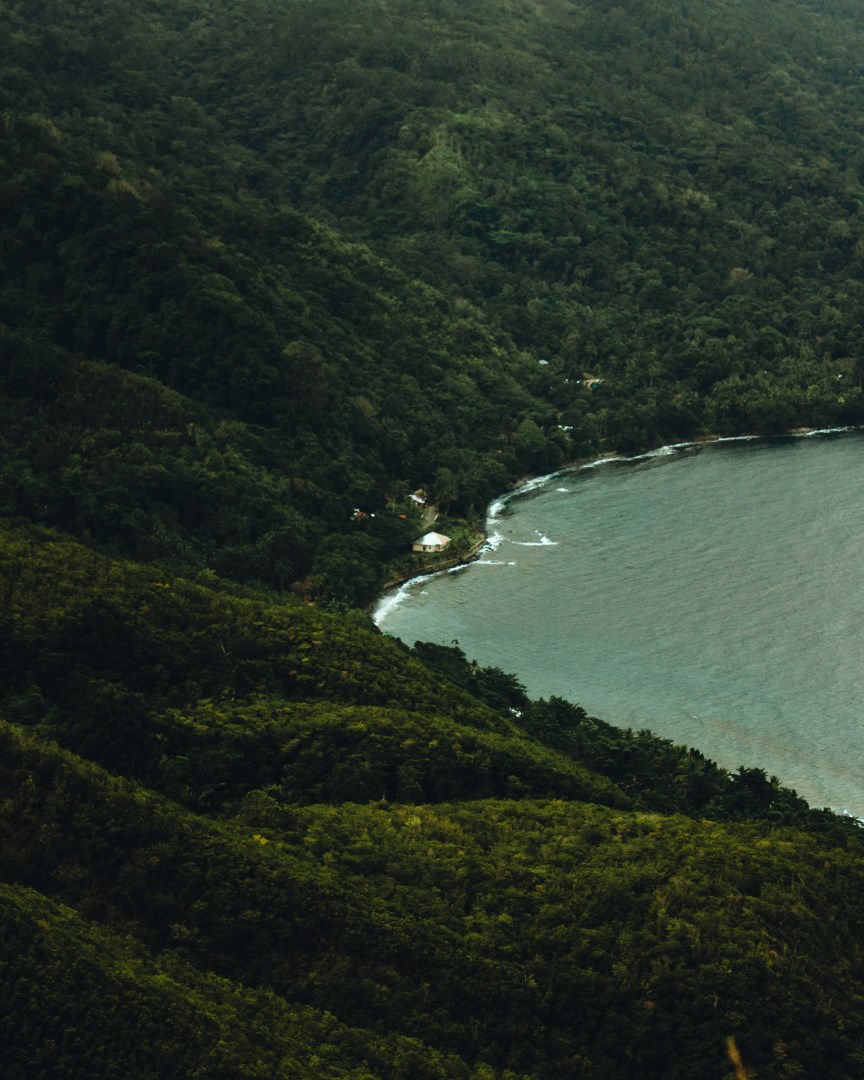
Ambon
Ambon is the capital of the archipelago of Maluku. The city was founded around the late 1500's due largely to the famed Spice Trade route. Ambon is diverse with the rich culture of many different nationalities.
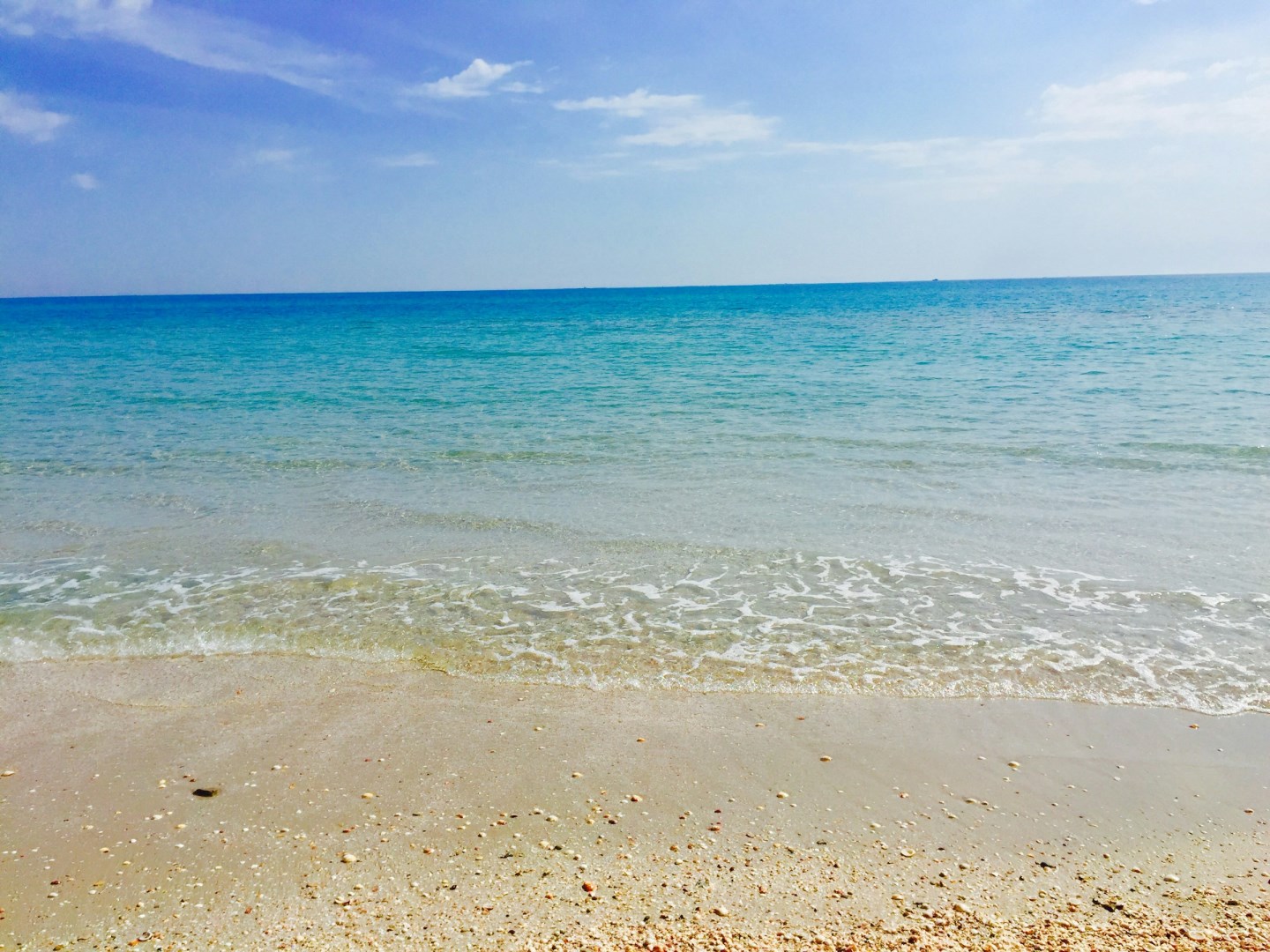
Mahdia
Mahdia is a coastal city in central-eastern Tunisia, set on a narrow peninsula extending into the Mediterranean. Its position between the sea and the mainland has shaped the city’s identity as a fishing port and coastal settlement. The historic medina occupies the peninsula, with whitewashed buildings, narrow streets, and a waterfront lined with fishing boats. Mahdia is also known for its long sandy beaches and clear coastal waters.
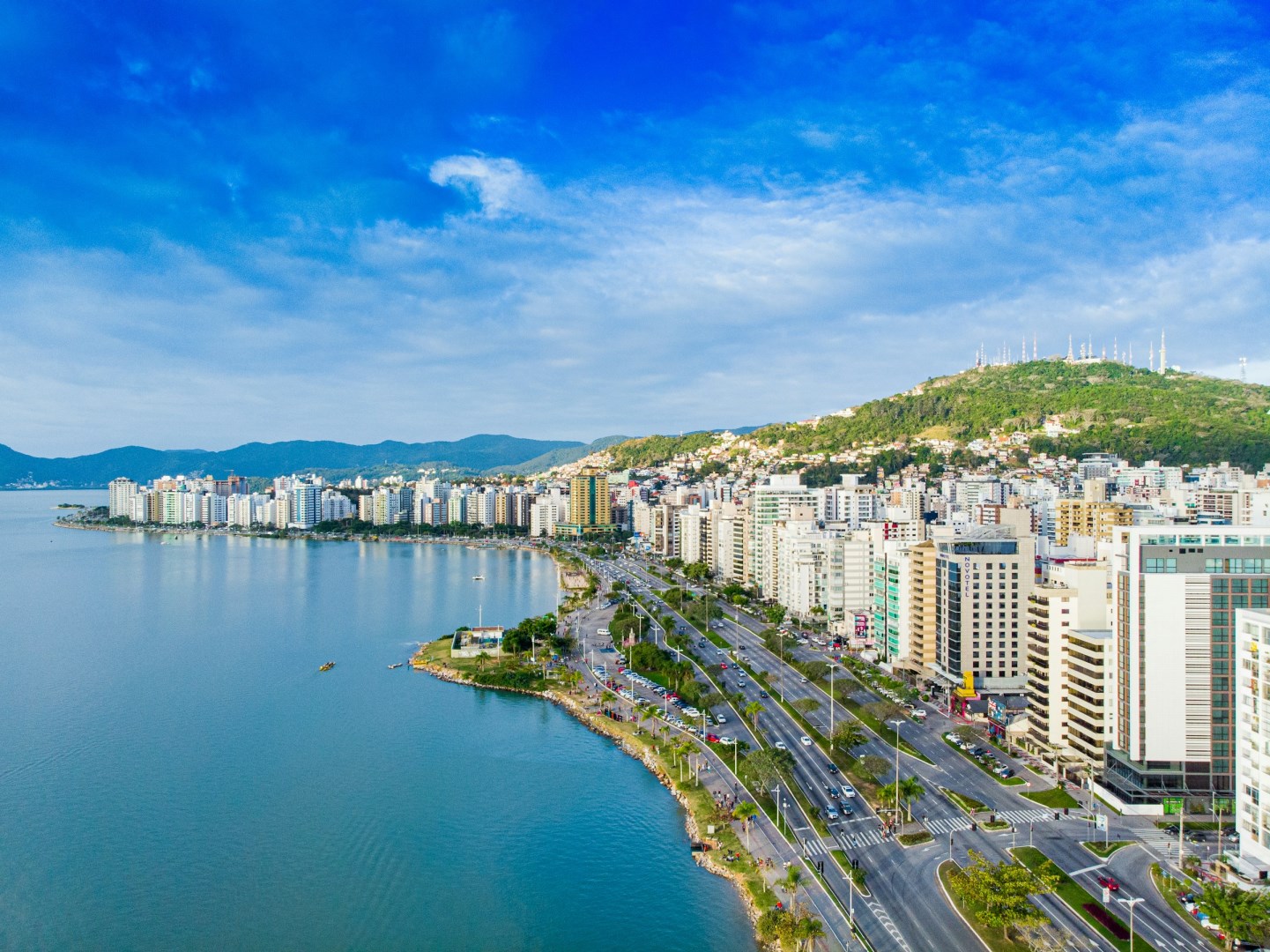
Florianópolis
Florianópolis is the capital of Santa Catarina and occupies most of Santa Catarina Island, with another part of the city on the mainland. Known locally as Floripa, it is shaped by a long coastline of beaches, lagoons, dunes, forests, and rocky hills. The island has more than 40 beaches, ranging from open Atlantic shores to sheltered bays and calm waters. Lagoa da Conceição lies near the center of the island and connects several distinct areas of the city.

St. Martin
St. Martin is a unique Caribbean island that blends two distinct cultures within a single destination. The northern side, Saint-Martin, is an overseas collectivity of France, while the southern side, Sint Maarten, is part of the Kingdom of the Netherlands.
