

Angkor Wat
Angkor Wat, located near Siem Reap in Cambodia, is a mesmerizing testament to the grandeur of the Khmer Empire and one of the world's most remarkable archaeological sites. Built in the early 12th century by King Suryavarman II, Angkor Wat was originally dedicated to the Hindu god Vishnu but later became a Buddhist temple.

Portland
Portland, England, offers a charming blend of coastal beauty, historical intrigue, and unique geological features. Nestled on the Jurassic Coast in Dorset, this picturesque island town is renowned for its stunning cliffs and quarries.
Byron Bay
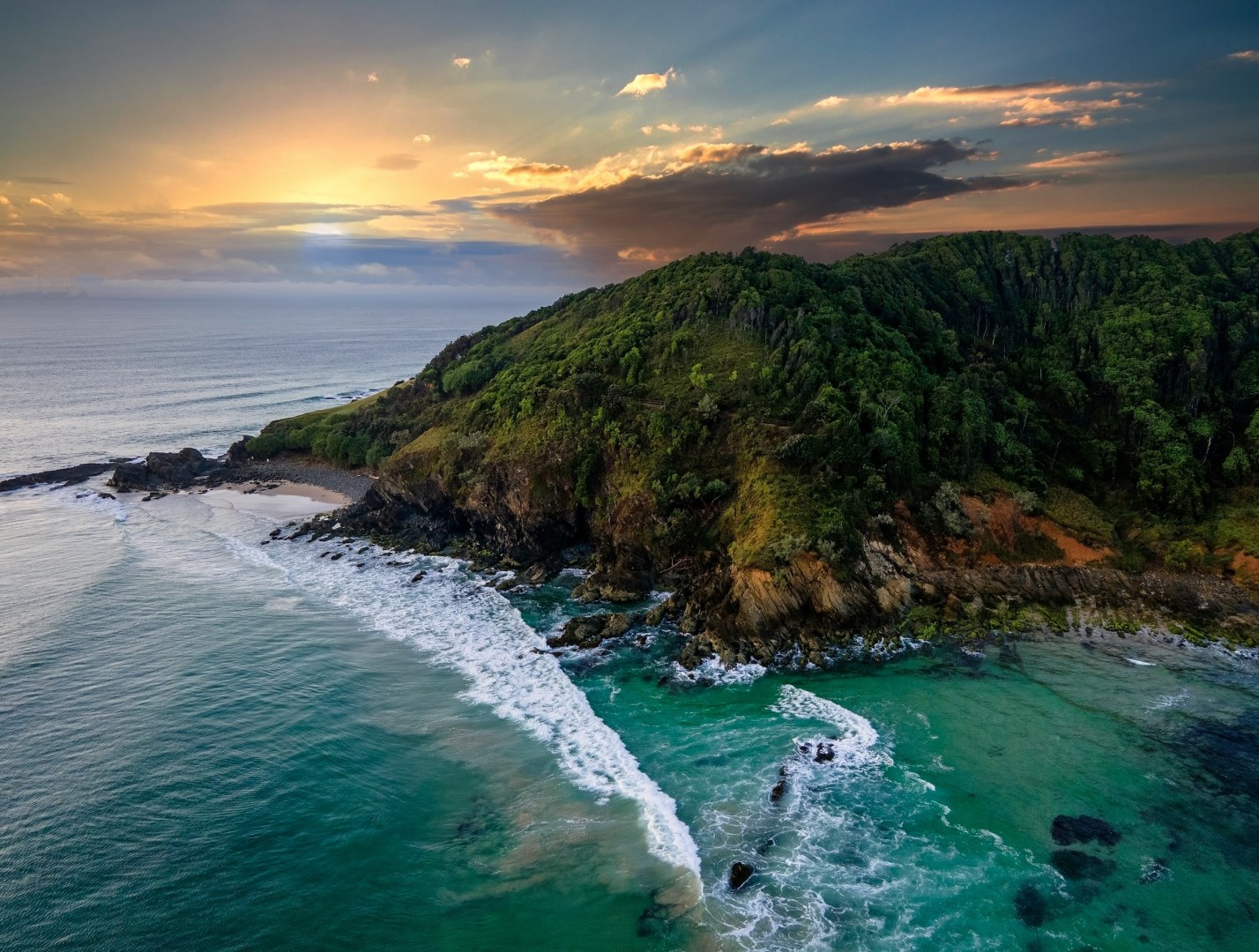
Byron Bay lies on the far north coast of New South Wales, Australia, where wide beaches meet the deep blue Pacific and the point of land known as Cape Byron marks the easternmost tip of the mainland. Standing tall above the coastline, the Cape Byron Lighthouse has guided ships since 1901 and now greets walkers and sightseers who take the scenic cliff-top path for views stretching toward whales during their migration season.
Douglas Island
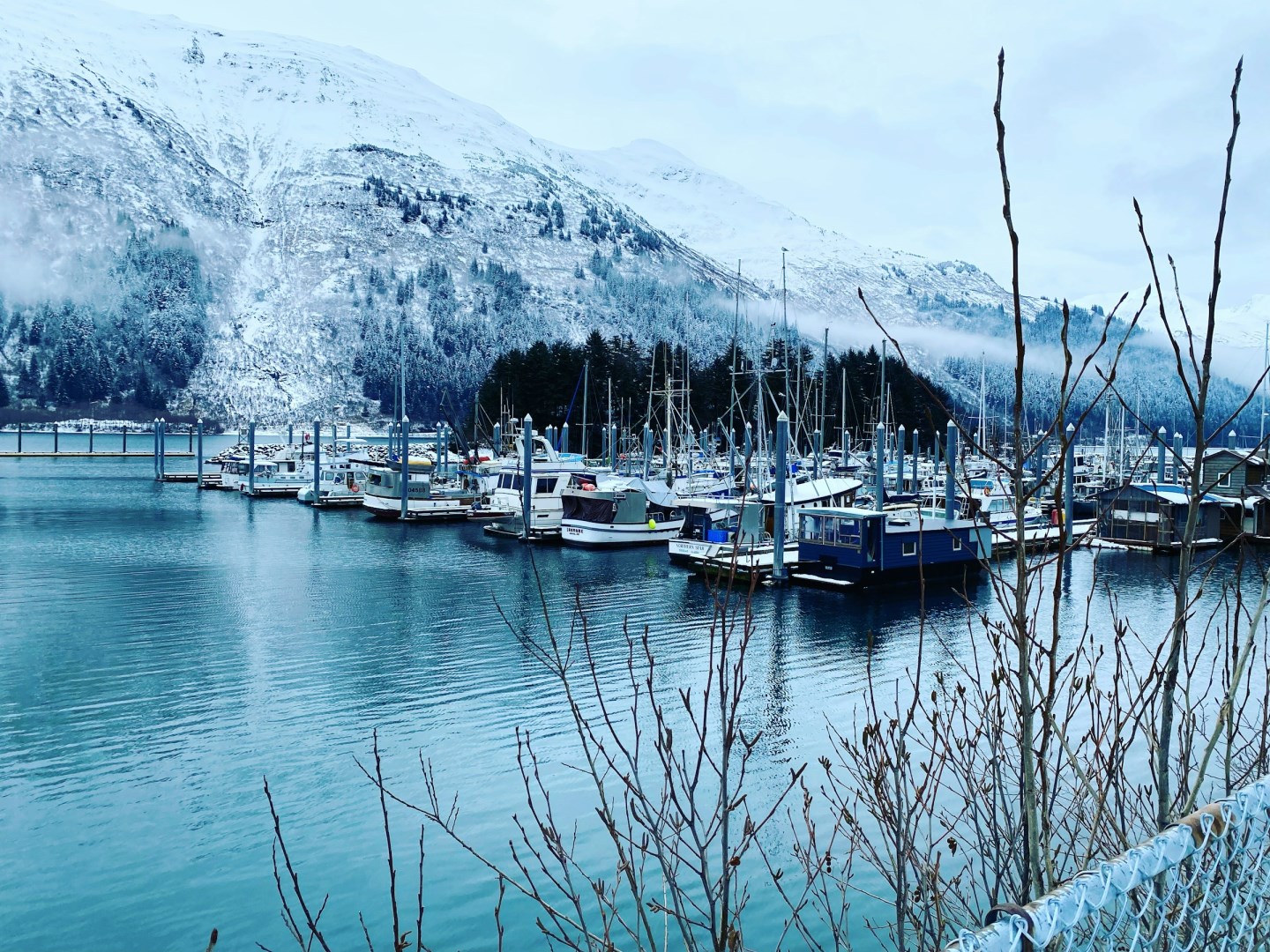
Douglas Island is a forested island in the Alexander Archipelago of southeastern Alaska, separated from Juneau by Gastineau Channel. Although geographically an island, it is closely connected to Juneau by the Juneau-Douglas Bridge and functions as part of the capital city’s wider urban area. The community of Douglas occupies the island’s southern end, while much of the remaining landscape consists of dense coastal forest, steep hills, streams, and rocky shoreline.
Cape Cross
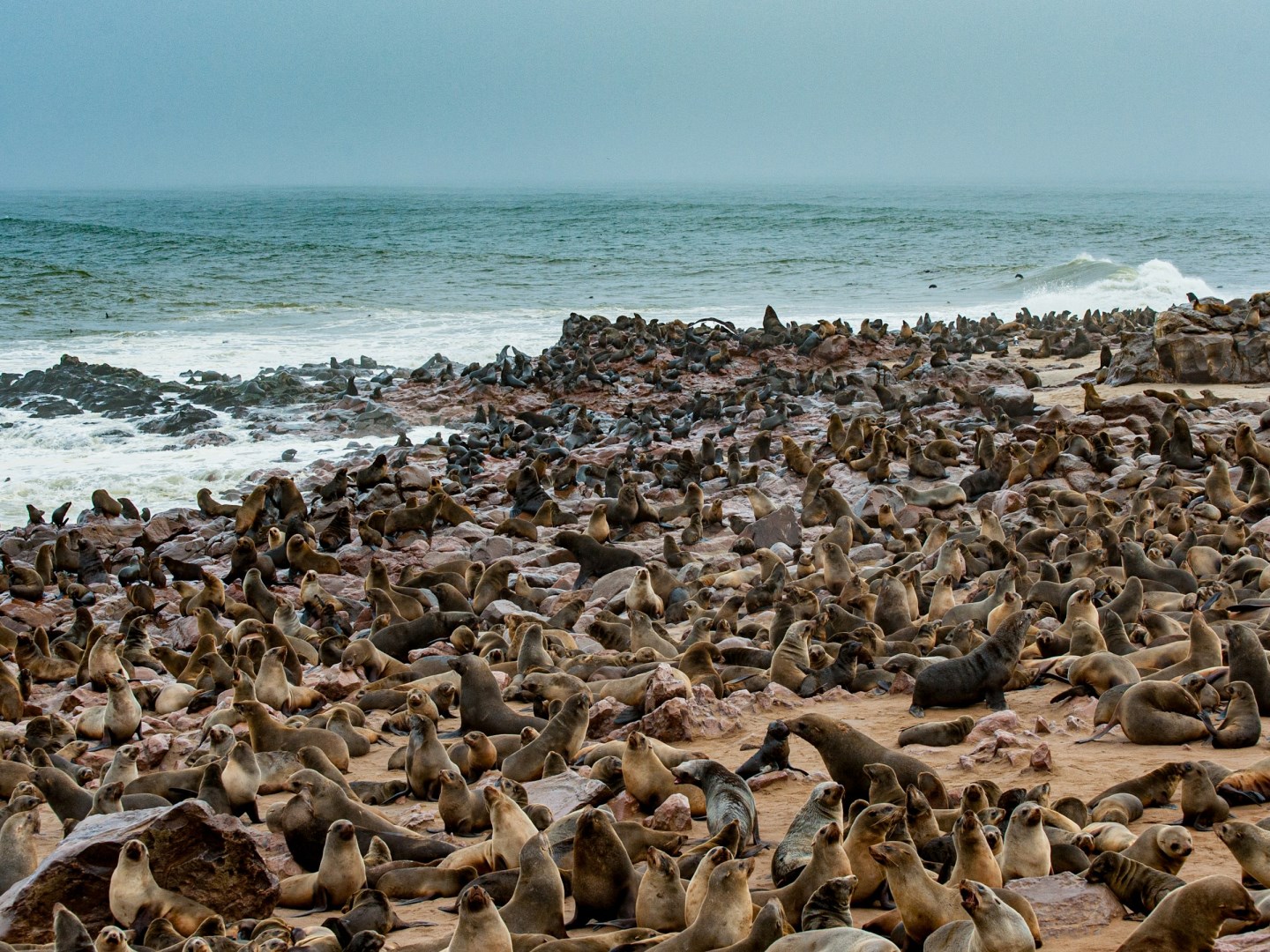
Cape Cross is a remote coastal site on Namibia’s Atlantic shoreline, located within the dry landscapes of the Namib Desert. It is best known for the Cape Cross Seal Reserve, which protects one of the world’s largest breeding colonies of Cape fur seals. The coastline here consists of rocky shores, sandy beaches, salt pans, and sparsely vegetated desert terrain.
