

Pennsylvania
Pennsylvania offers more than just a glimpse into American history, it invites travelers to walk through it. In Philadelphia, the Liberty Bell still draws visitors from around the world, while Independence Hall, a UNESCO World Heritage Site, is where both the Declaration of Independence and the U.S. Constitution were debated and signed. Just a short walk away, modern museums like the National Constitution Center offer hands-on exhibits that connect the past to today’s civic questions.

Kumasi
Kumasi is the capital of Ghana’s Ashanti Region and one of the country’s main cultural centers. Often called “Oseikrom” by locals, the city is closely connected to the traditions of the Ashanti Kingdom and remains an important place for trade, ceremonies, and craftsmanship.
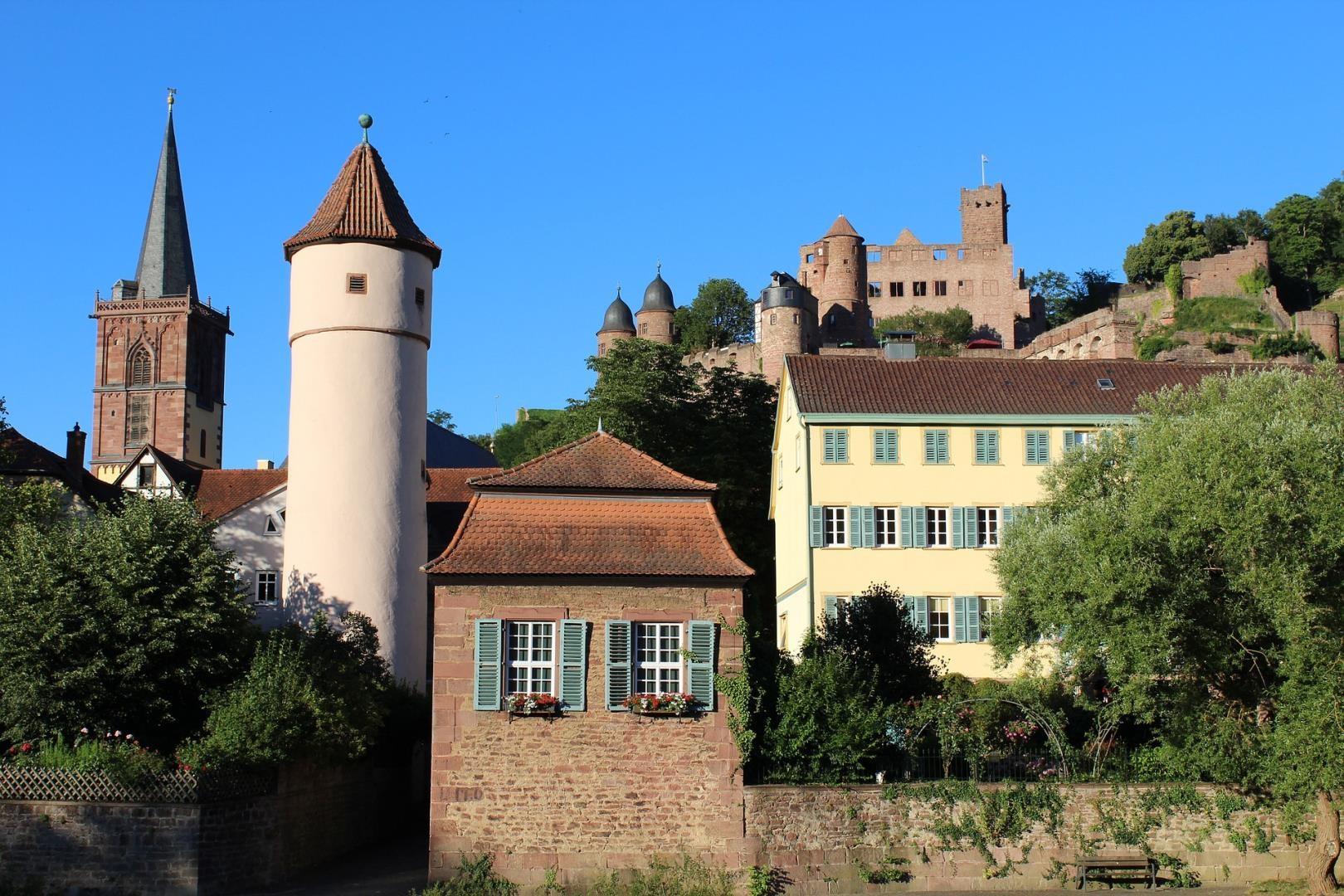
Wertheim am Main
Wertheim is an enchanting town on the banks of the Main River in Germany. A favorite stop on European river cruises, highlights of this charming destination include the Wertheim Castle and the town center, where you can wind your way down cobblestone streets replete with 16th century architecture. Venture outside of town and follow the Tauber River to Kloster Bronnbach, an immense and ornate monastery dating back to the 12th century.

Poland
Poland offers a layered and often surprising experience shaped by centuries of resilience and creativity. From the cobbled lanes of Kraków’s Old Town to the post-industrial art scenes in Łódź, the country moves comfortably between tradition and reinvention.

Graz
Graz, Austria's second-largest city, is a hidden gem that offers a perfect blend of history, culture, and modernity. Its well-preserved medieval old town, a UNESCO World Heritage Site, invites visitors to stroll through cobblestone streets lined with Renaissance courtyards and Baroque façades. At the heart of the city is the Schlossberg, a forested hill crowned by the iconic clock tower, Uhrturm.
