
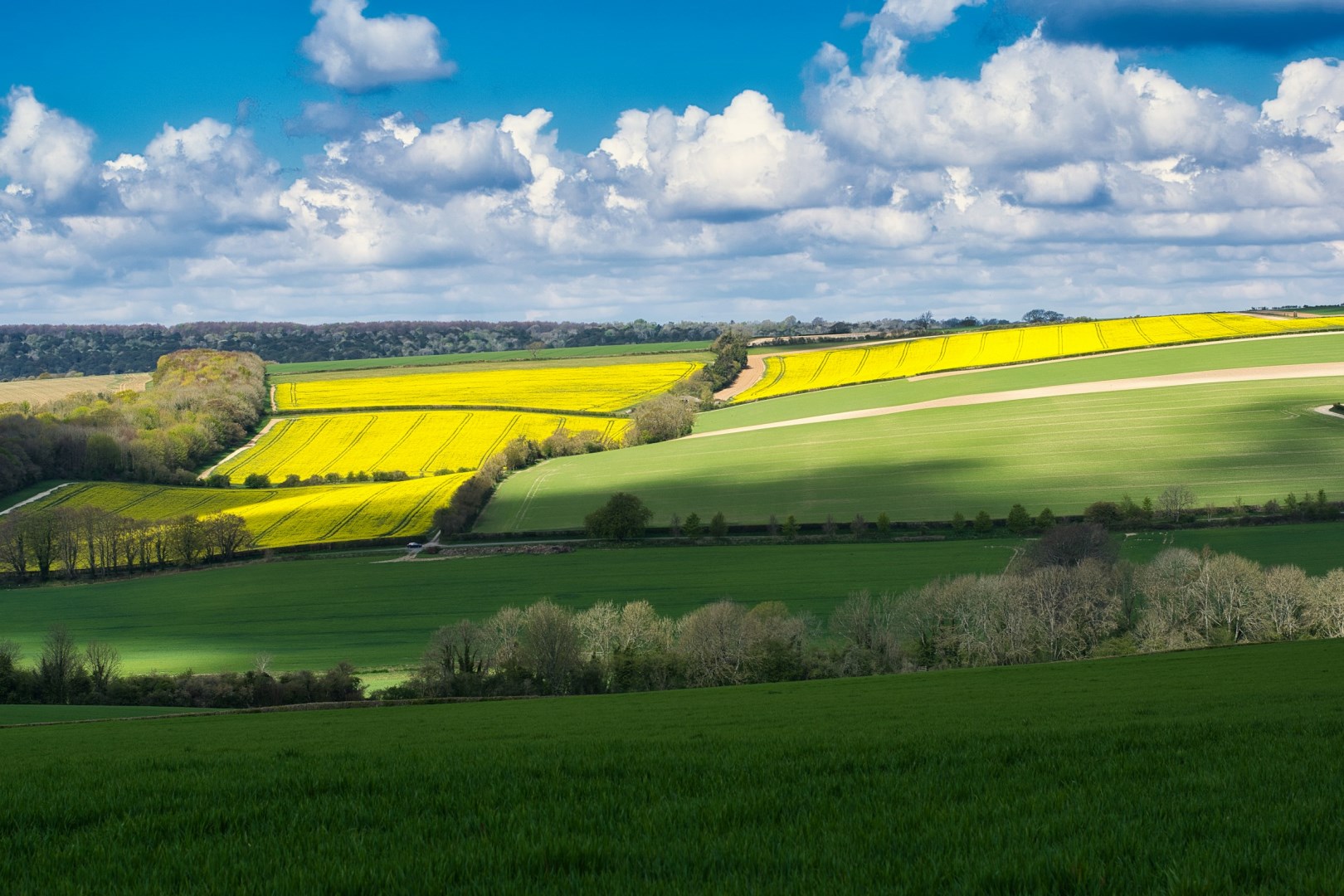
Chichester
Chichester is an ancient cathedral city on the South Coast of England. It lies between Portsmouth - the city of maritime history - and Brighton, home of the English seaside. Its withing an hour's drive of Gatwick and Heathrow, the tow main airports for the UK, and two cross channel ports.

Okonjima Nature Reserve
Okonjima Nature Reserve is a 22,000-hectare private conservation area in central Namibia, located between Windhoek and Etosha National Park at the base of the Omboroko Mountains. The reserve combines rolling savanna, mountain outcrops, riverine thickets, and areas of thornveld, creating varied habitat for wildlife.

Cape Town
Cape Town, located at the southern tip of South Africa, is one of the world’s most striking coastal cities. Towering over it is Table Mountain, a flat-topped landmark that can be reached by cable car or on foot, offering sweeping views of the city, ocean, and beyond.
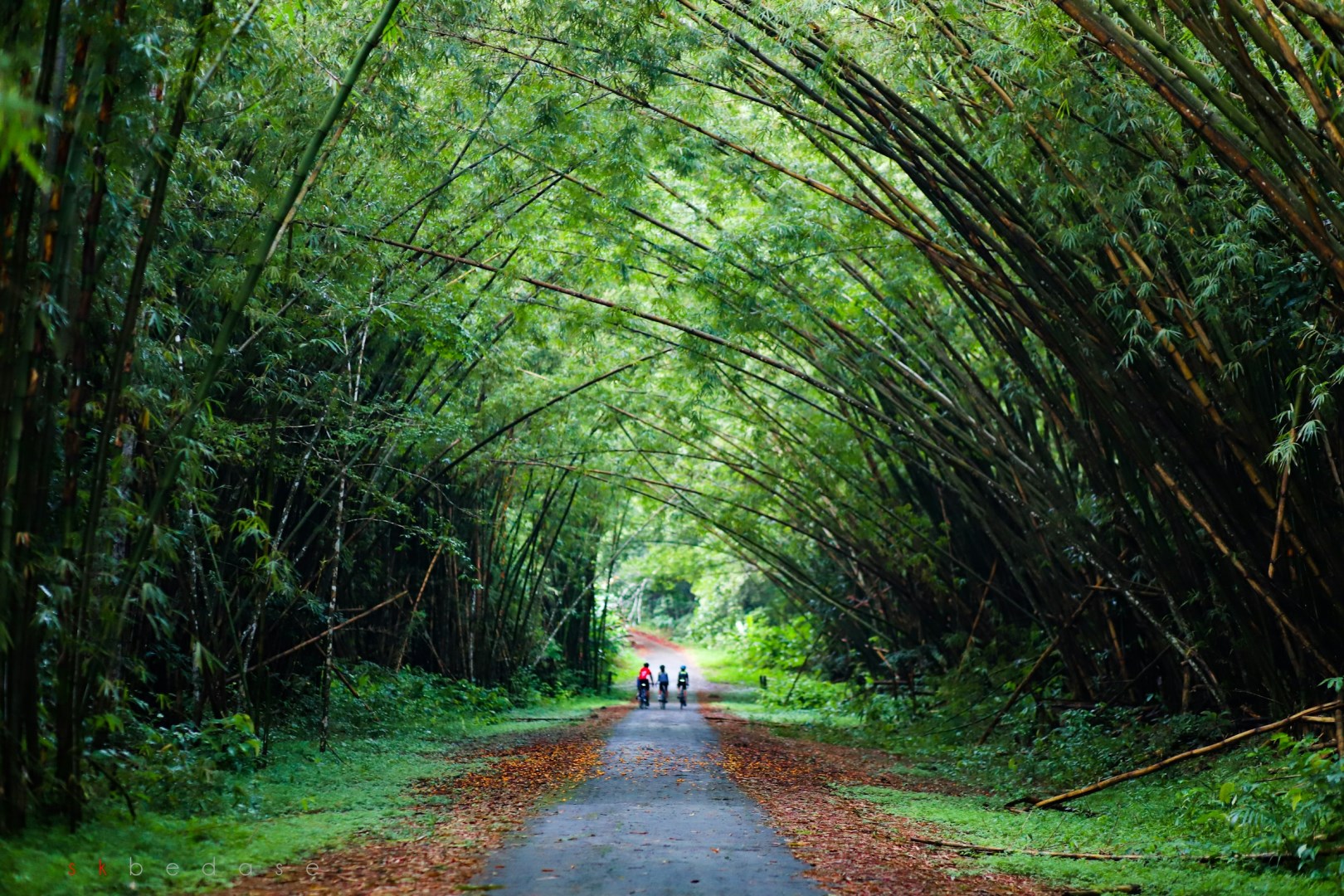
Chaguaramas
Chaguaramas is a coastal area on the northwestern peninsula of Trinidad, extending along the Gulf of Paria toward the Bocas del Dragon. The peninsula combines forested hills, sheltered bays, marinas, beaches, and offshore islands, creating a landscape that differs from the more urban areas around Port of Spain.
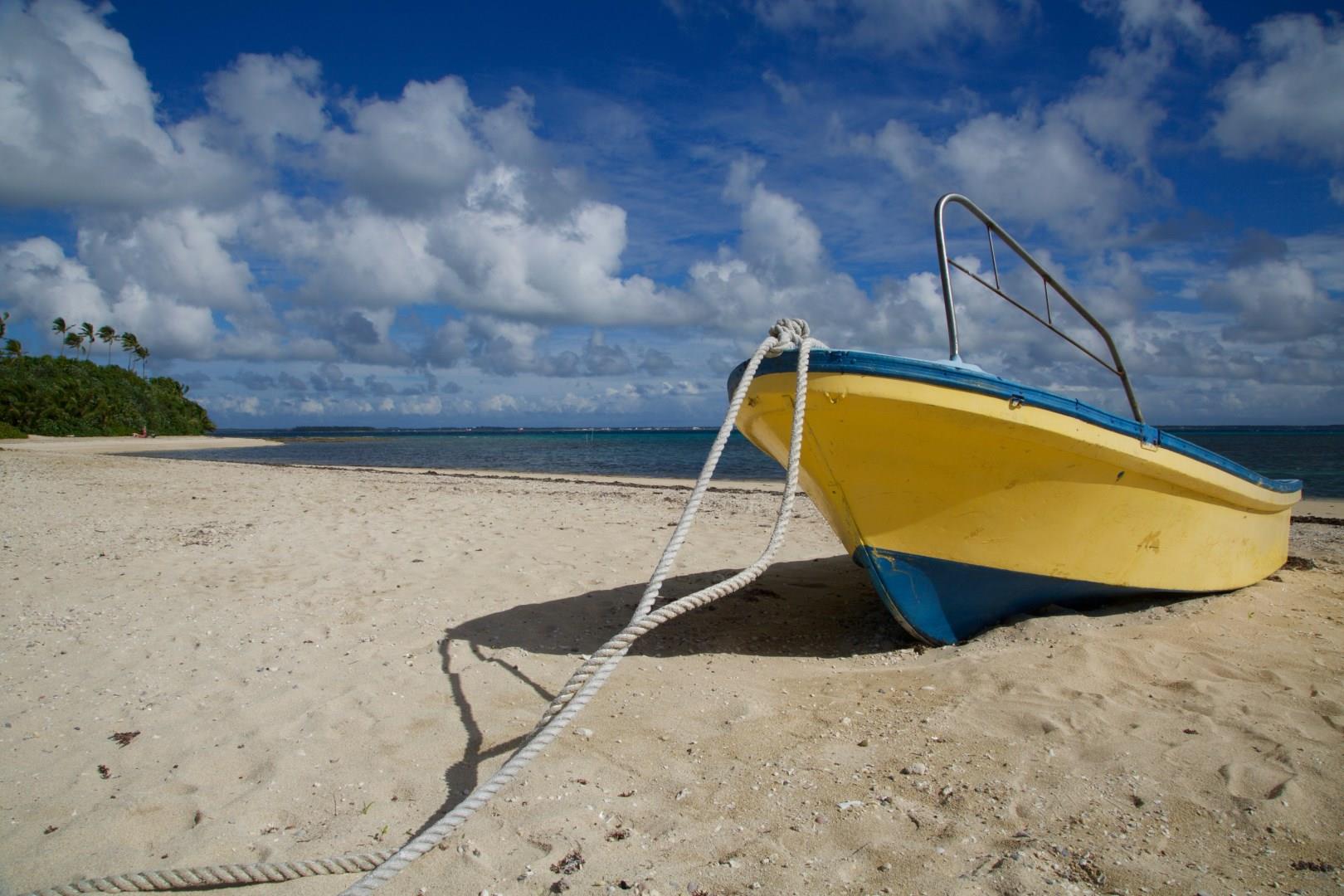
Tonga
Tonga is distinctly different to its neighboring island nations. This Polynesian kingdom, made up of 170 islands, carries a proud history that dates back over 3,000 years. On the main island of Tongatapu, travelers can explore ancient stone structures like the Haʻamonga ʻa Maui Trilithon—sometimes called the Stonehenge of the Pacific. Royal tombs in Lapaha offer a glimpse into the lineage of Tonga’s kings, while village life remains guided by customs that have changed little over centuries.
