

Patagonia
Patagonia, Argentina, is a land of untamed beauty, where jagged peaks, expansive glaciers, and crystal-clear lakes come together to create one of the most awe-inspiring landscapes on Earth.
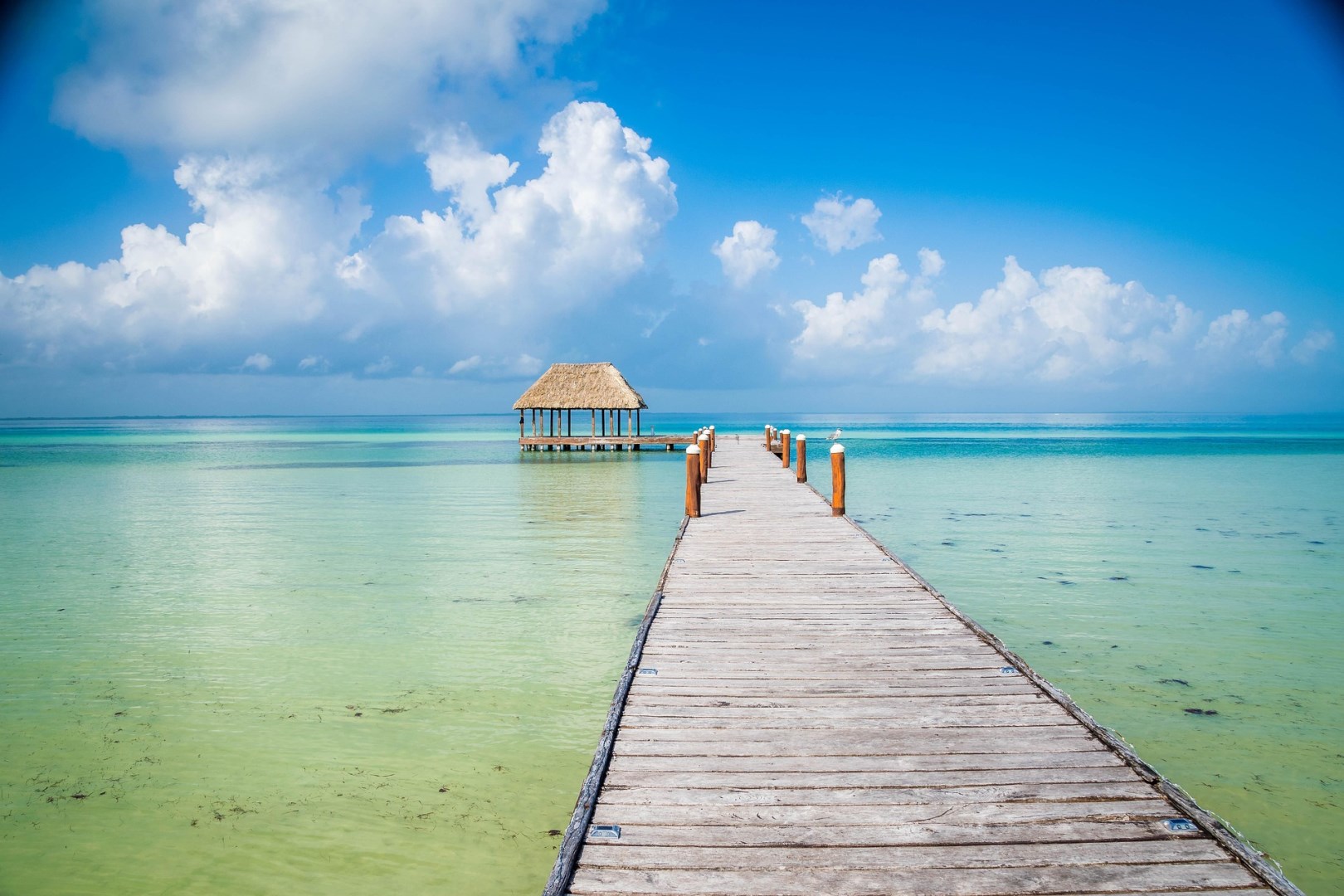
Isla Holbox
Holbox is known for sandy streets, laid-back beach bars, and calm turquoise water. It is a place where shoes are optional and bikes are the preferred way to roam. Perfect for travelers who want to unwind and slow everything down.

Bangkok
Bangkok, Thailand’s capital, is a city of striking contrasts where gilded temples stand beside sleek skyscrapers and centuries-old traditions thrive amid modern life. At its heart is the Grand Palace, a dazzling complex that once housed the Thai kings, along with Wat Phra Kaew, the revered Temple of the Emerald Buddha.
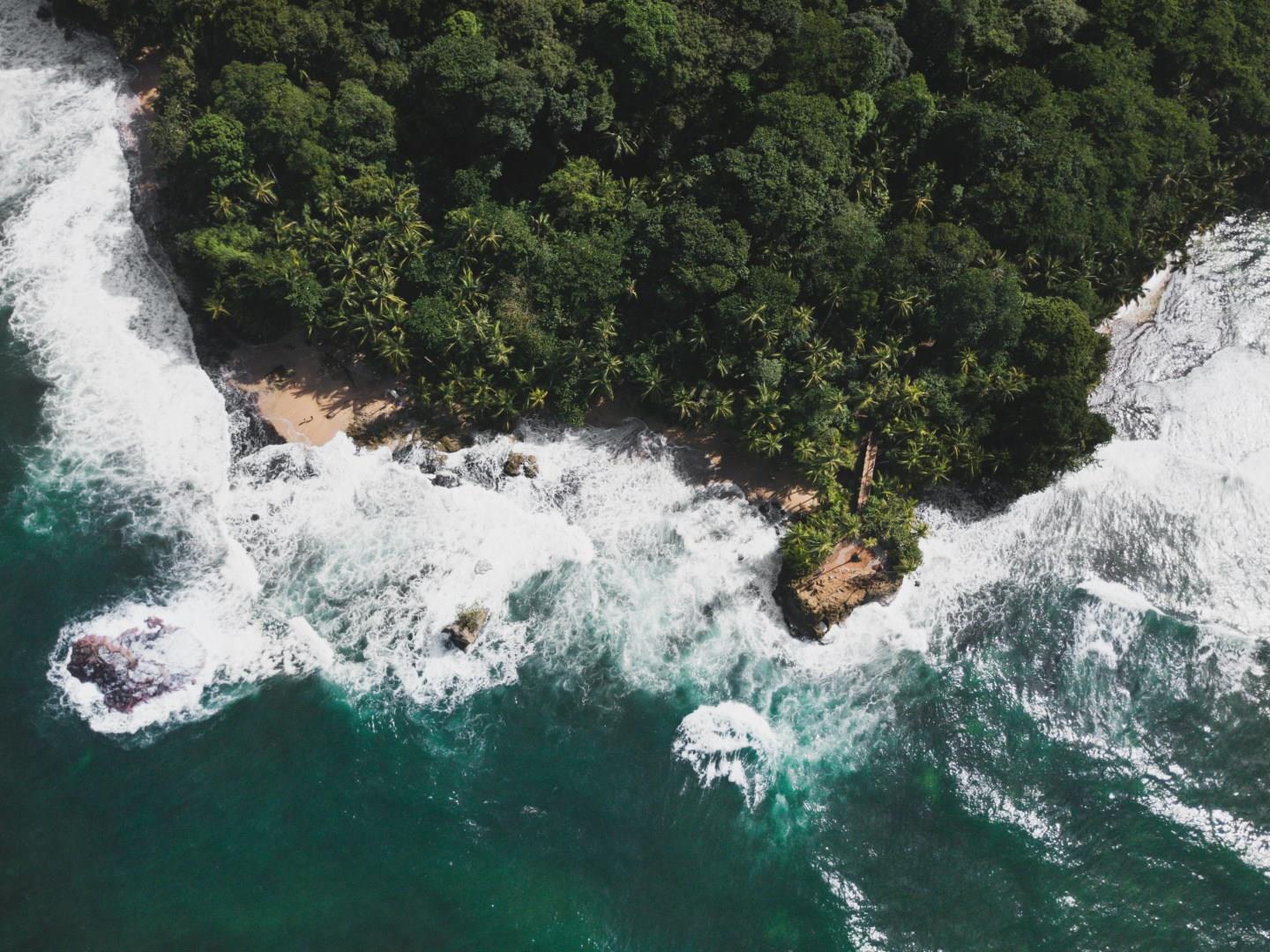
Limon
Limón, located on Costa Rica’s Caribbean coast, is a city shaped by Afro-Caribbean heritage, maritime trade, and lush tropical surroundings. Founded in the late 19th century as a port for exporting bananas and coffee, Limón developed a distinct cultural identity influenced by Jamaican, West African, and Central American traditions.
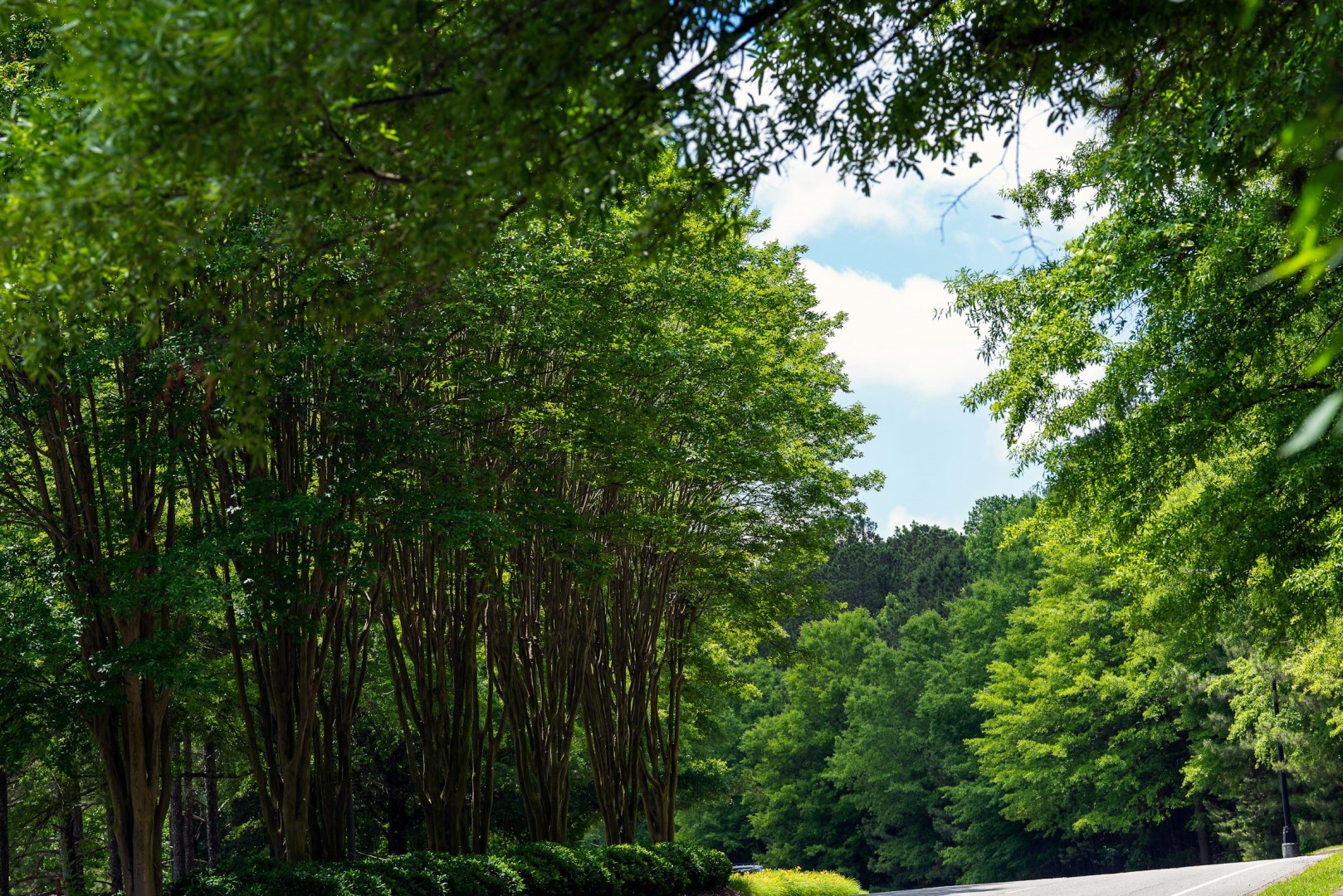
Alpharetta
Although Alpharetta is not a particularly big city now, experts predict that in about 25 years, Alpharetta will be the geographical center of metro Atlanta, as the area continues to expand North. After driving past many empty fields, or wooded areas, you might find it hard to believe that Alpharetta will really become such a major city. What you probably don't know is that much of Alpharetta's empty land is owned by some of the biggest names in the nation.
