

Patagonia
Patagonia, Argentina, is a land of untamed beauty, where jagged peaks, expansive glaciers, and crystal-clear lakes come together to create one of the most awe-inspiring landscapes on Earth.
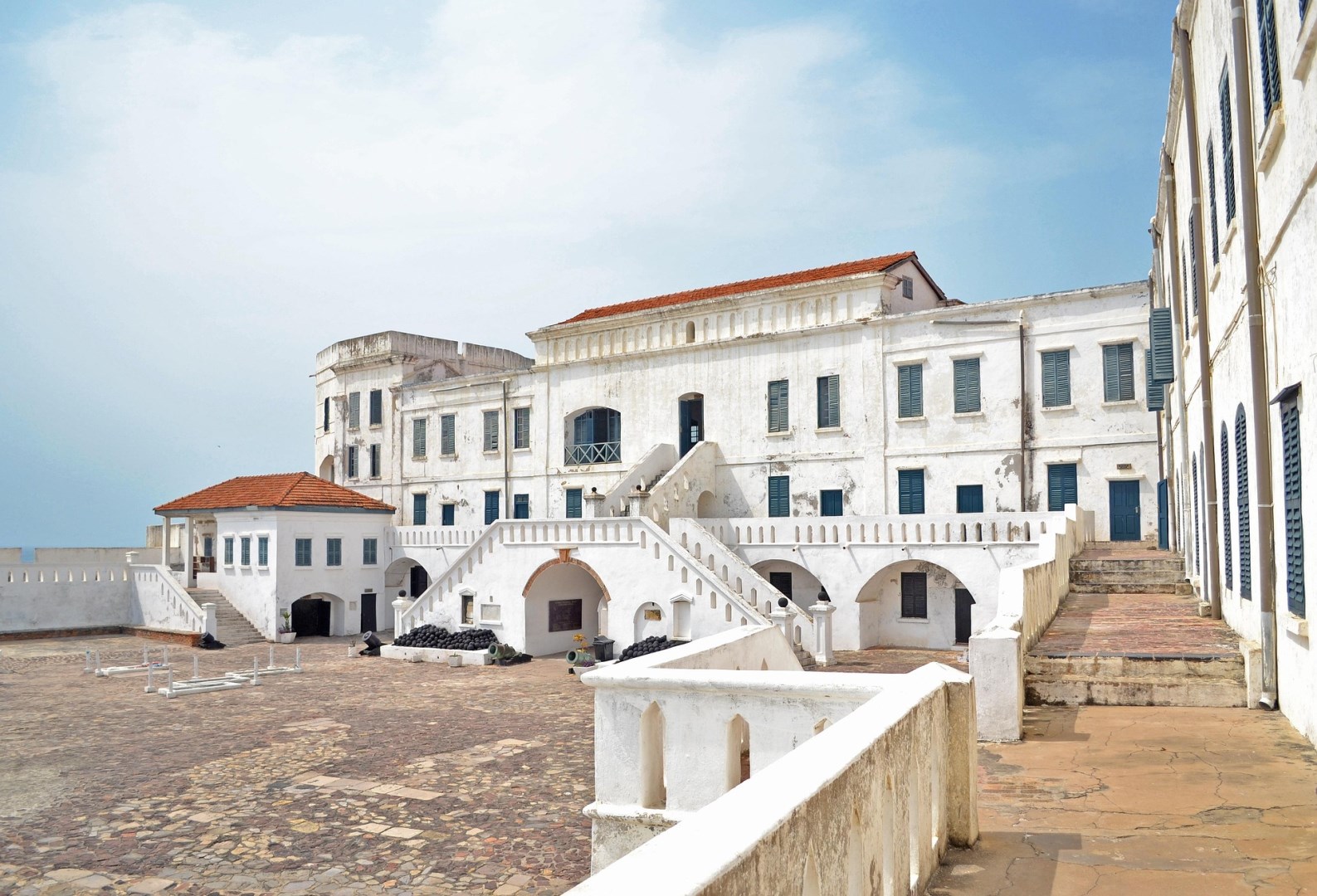
Cape Coast
Cape Coast is a historic coastal city in Ghana’s Central Region, positioned along the Gulf of Guinea west of Accra. Once an important centre of European trade on the Gold Coast, the city is now known for its historic architecture, fishing communities, beaches, and connection to Ghana’s coastal culture. Cape Coast Castle dominates the waterfront and remains the city’s best-known landmark. The city is also home to the University of Cape Coast and serves as a base for exploring nearby attractions,
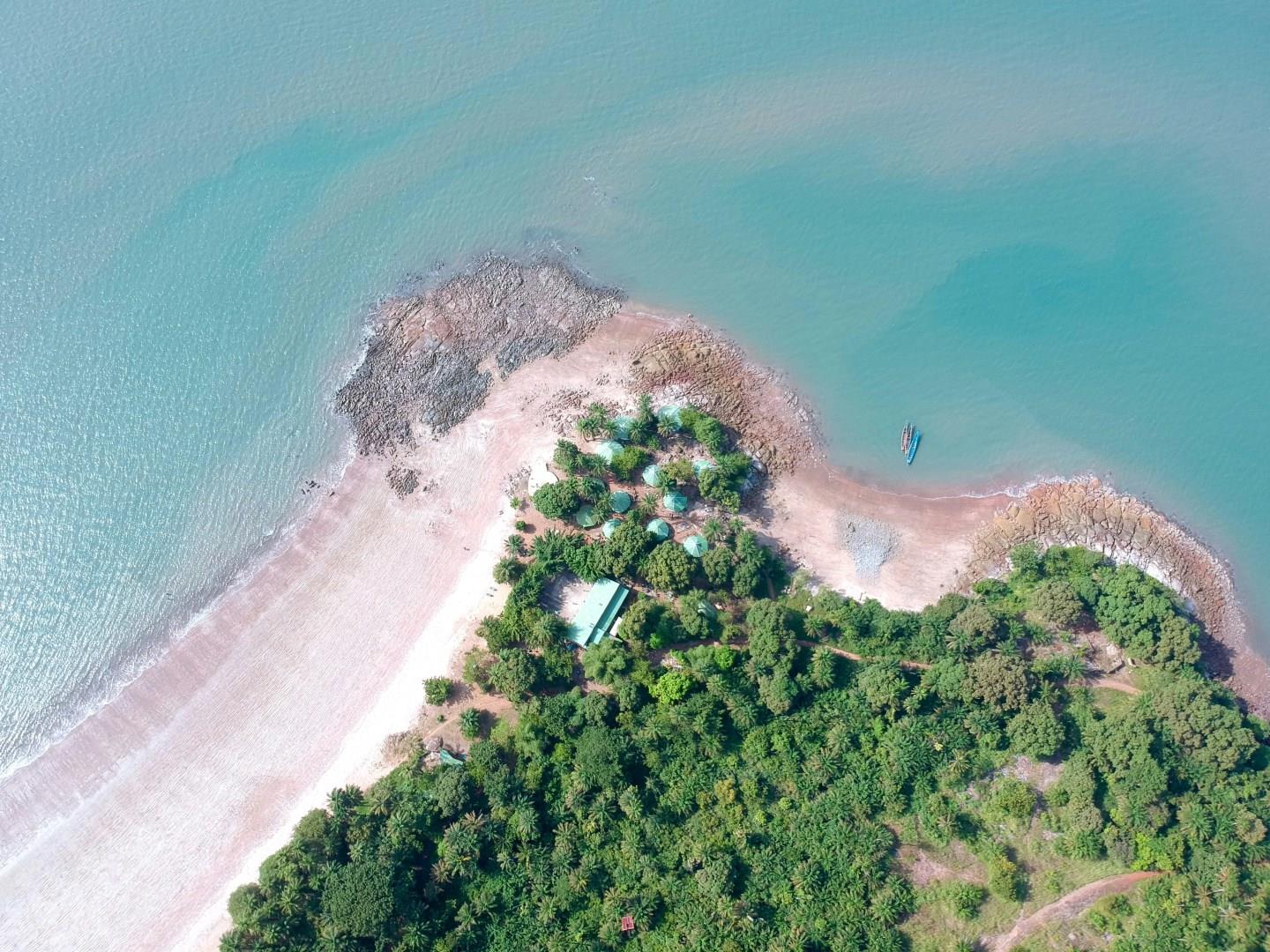
Kaloum
Kaloum, the bustling central district of Conakry, serves as the political, commercial, and cultural heart of Guinea’s capital.
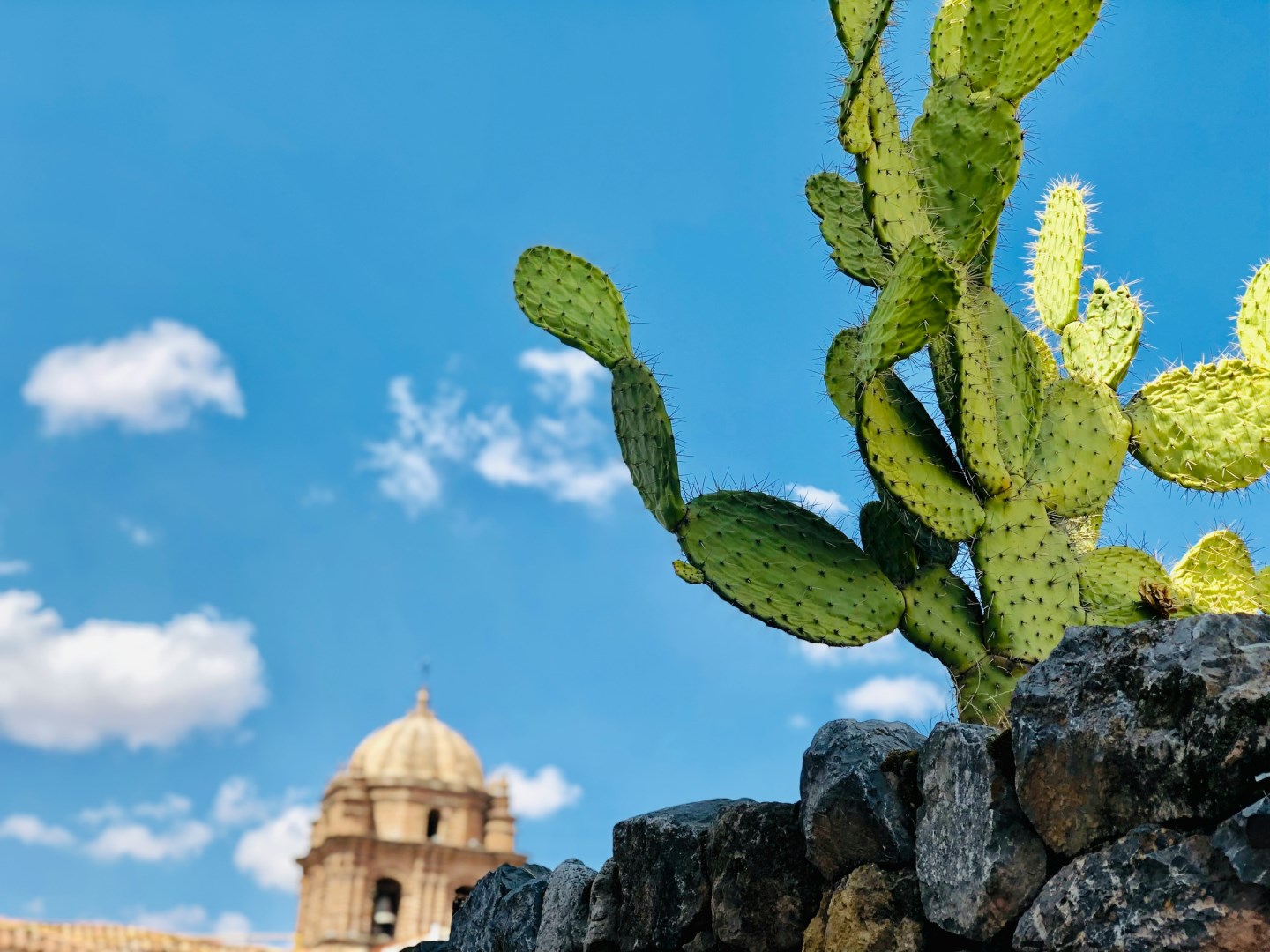
Cusco
Cusco once served as the heart of the Inca Empire, and that legacy still shapes every corner of the city even as it serves as a gateway to Machu Picchu. Outside the historic center, the ruins of Sacsayhuamán overlook the city from a nearby hilltop. This ceremonial complex is best known for its massive zigzag stone walls, some weighing over 100 tons. During the Inti Raymi festival in June, thousands gather here to reenact ancient Andean rituals.

Houston
Houston, Texas, the fourth-largest city in the United States, is a vibrant metropolis brimming with culture, diversity, and innovation. A hub for arts, science, and cuisine, Houston is a place where Southern charm meets cosmopolitan flair. Beyond its cultural and scientific draws, Houston’s culinary scene is a melting pot of flavors. From food trucks to fine dining, the city is celebrated for its diverse offerings that reflect its multicultural population.
