
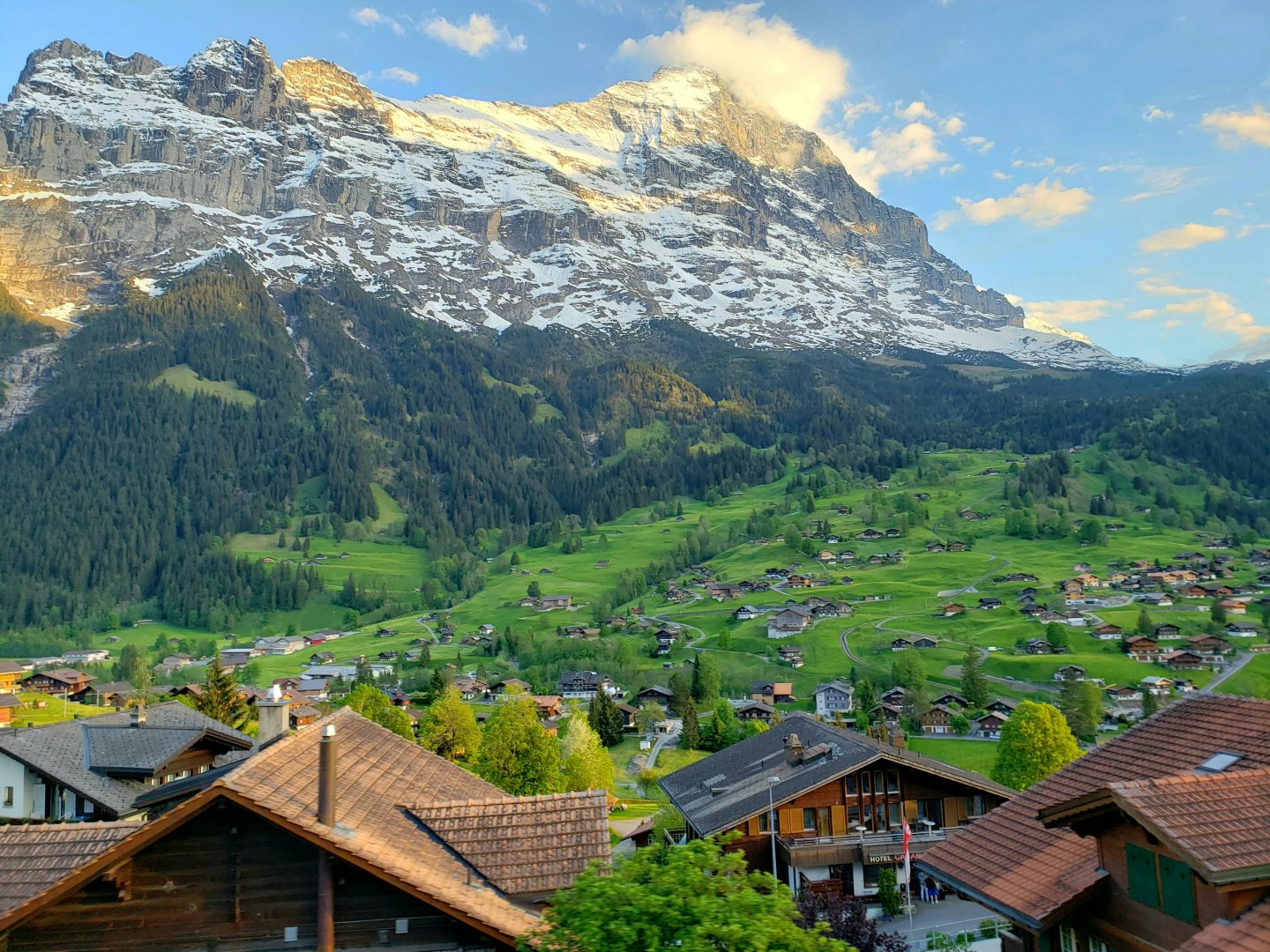
Grindelwald
Set in a wide alpine valley beneath the north face of the Eiger, Grindelwald has long been a place where mountain life and mountaineering history intersect. The village grew from a farming settlement into one of Switzerland’s earliest alpine tourism hubs in the 19th century, when climbers, writers, and scientists arrived to study—and attempt—the surrounding peaks.
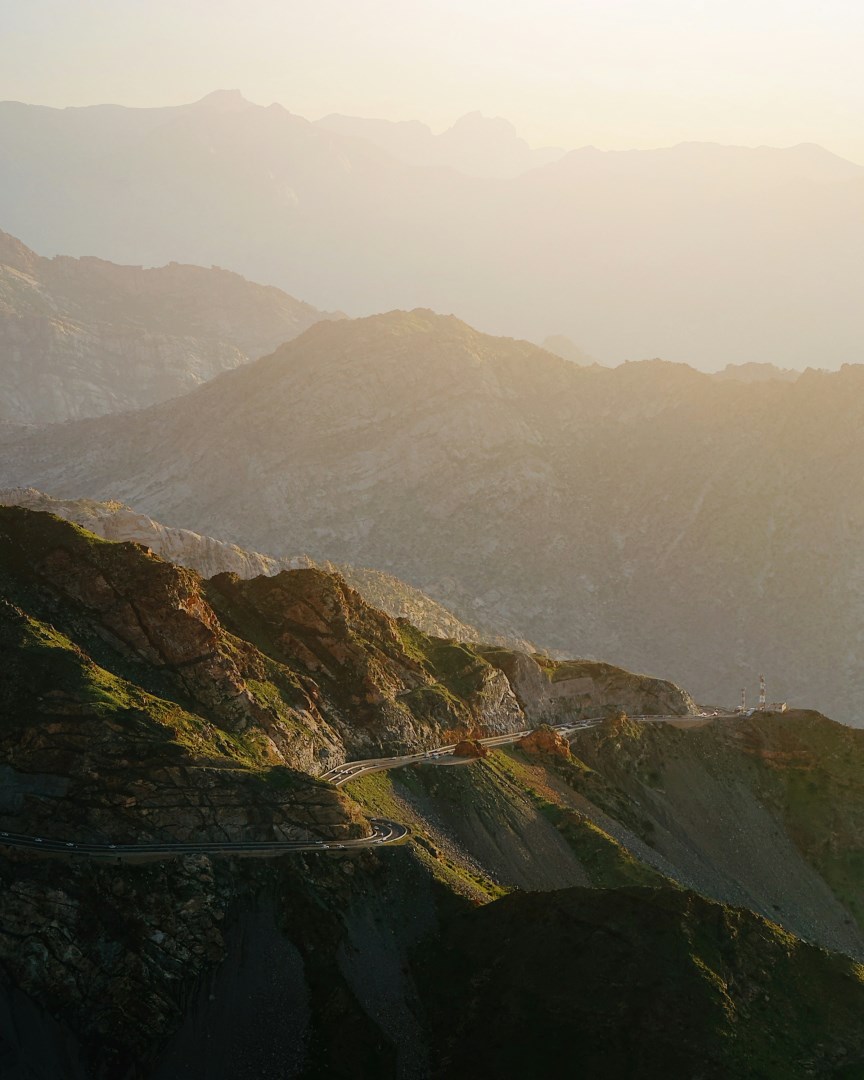
Taif
Taif, situated in the mountains of western Saudi Arabia, is a city renowned for its cooler climate, lush landscapes, and historical significance. Nestled at an elevation of around 1,700 meters, it has long served as a summer retreat from the intense heat of the surrounding desert, attracting visitors to its gardens, orchards, and scenic viewpoints.
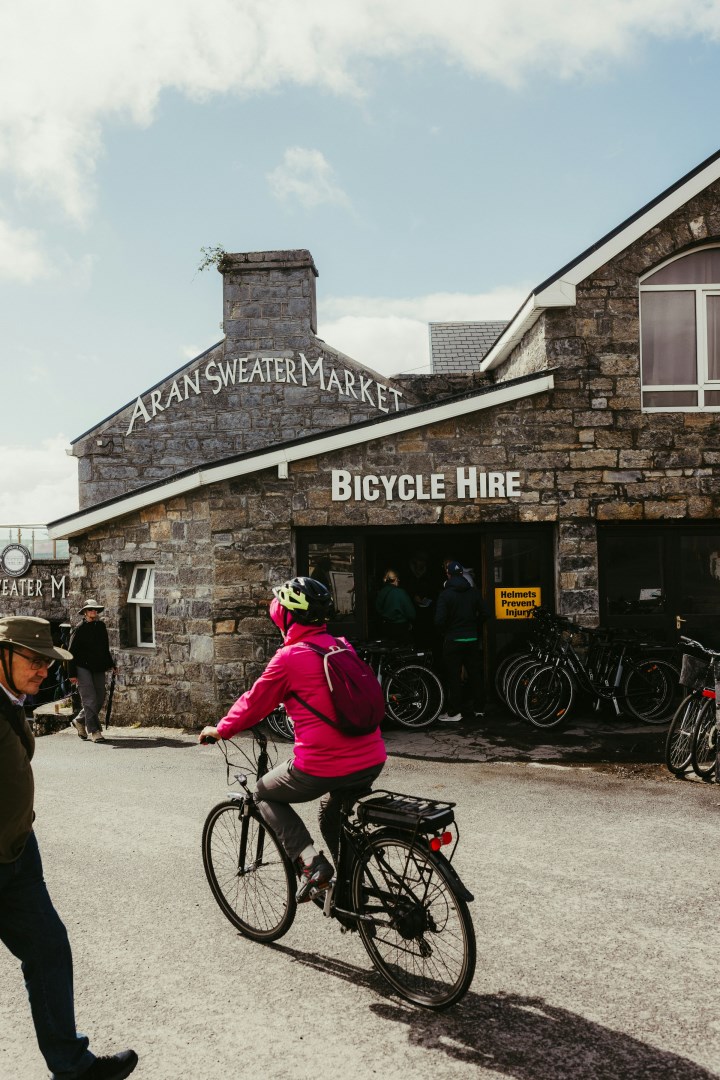
Aran Islands
The Aran Islands lie at the mouth of Galway Bay on Ireland’s west coast and comprise three inhabited islands: Inis Mór, Inis Meáin, and Inis Oírr. Their landscapes are defined by limestone terraces, stone walls, small fields, sea cliffs, and exposed coastal ground shaped by Atlantic weather. The islands are known for their distinctive dry-stone walls, which divide much of the farmland into small plots.
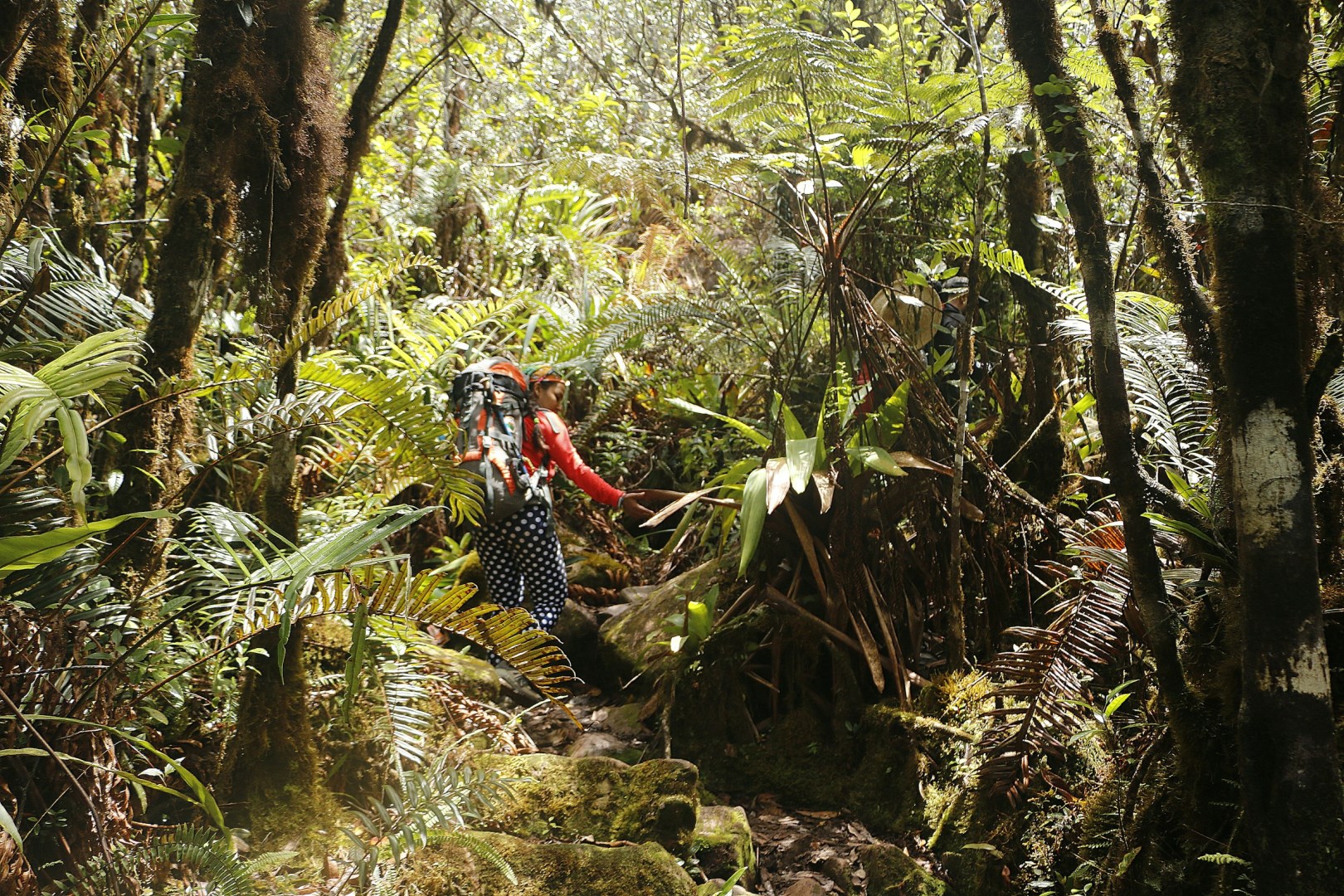
Ciudad Guayana
As you cruise along the Orinoco, South America's second-longest river, you will pass an imposing 17th-century fort. Just up the river is Ciudad Guayana, your gateway to Angel Falls. The falls, discovered 60 years ago by American bush pilot Jimmy Angel, are the hightest in the world. More than a half-mile hight and 15 times taller than Niagara Falls, they are undoubtedly one of the world's most breathtaking natural wonders.
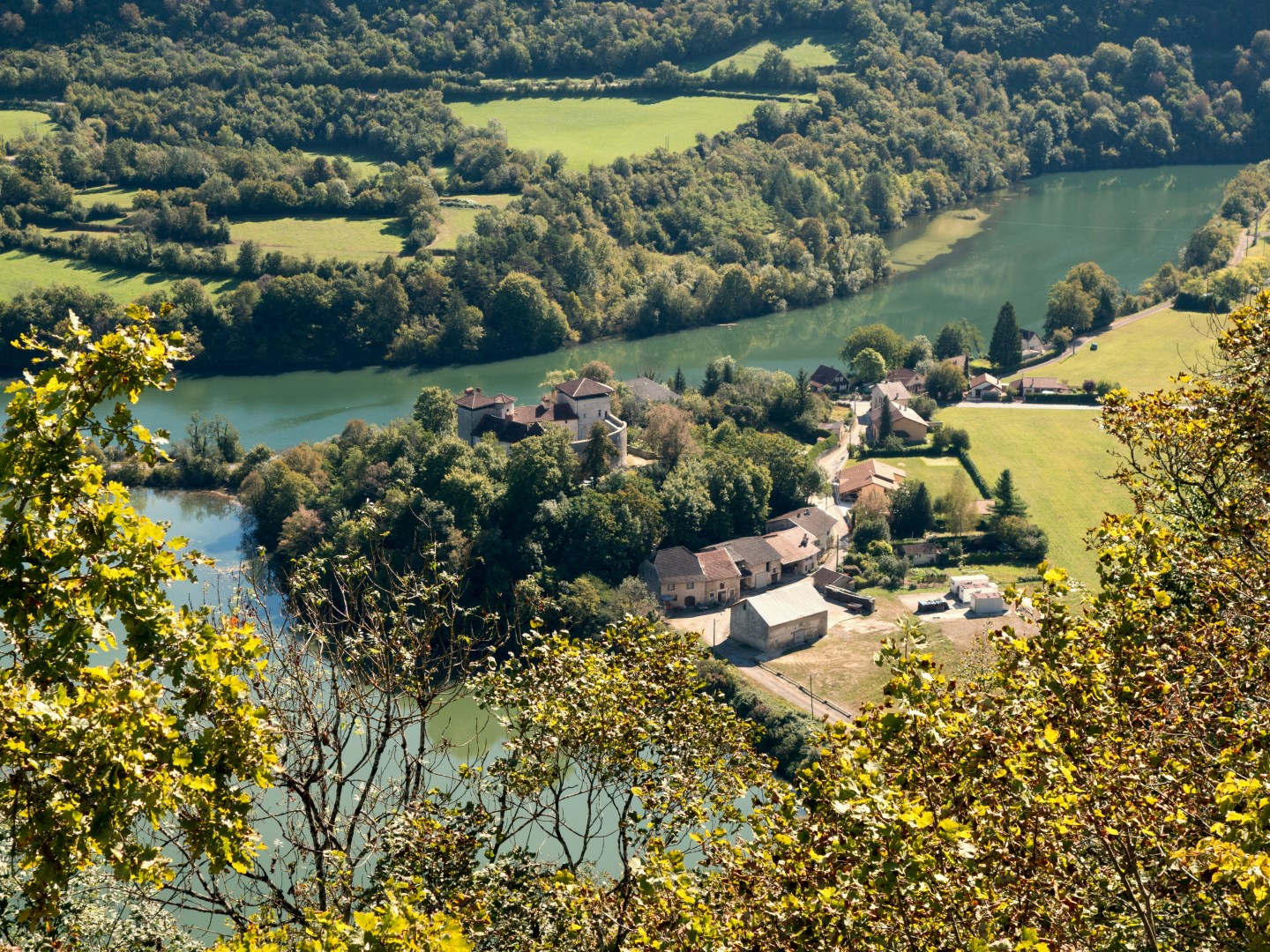
Conflans
France’s Conflans-Sainte-Honorine sits quietly at the meeting point of the Seine and Oise rivers.
