
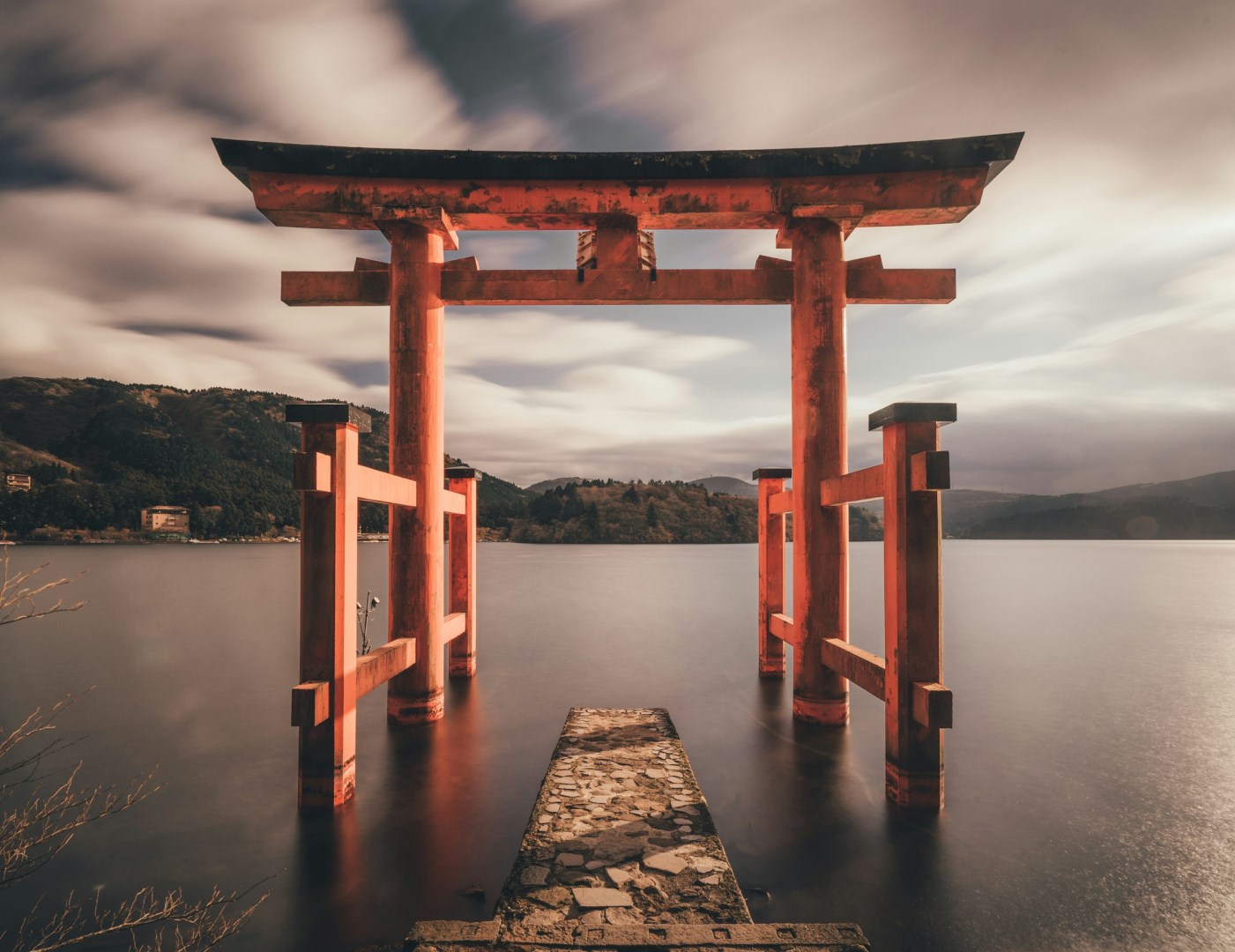
Hakone
Nestled in the mountains just 90 minutes from Tokyo, Hakone has long been a retreat for travelers seeking both quiet and culture. Once a crucial checkpoint on the historic Tōkaidō road between Edo and Kyoto, Hakone is still shaped by centuries of history. The reconstructed Hakone Sekisho (Hakone Checkpoint) offers a glimpse into the Edo Period, when travelers were inspected by samurai guards before continuing on their journey.

Arches National Park
Arches National Park, located in eastern Utah, is a mesmerizing landscape filled with more than 2,000 natural stone arches, pinnacles, and balanced rocks sculpted by centuries of wind and water erosion. One of the most iconic landmarks is Delicate Arch, a freestanding red rock formation that has become a symbol of Utah itself.
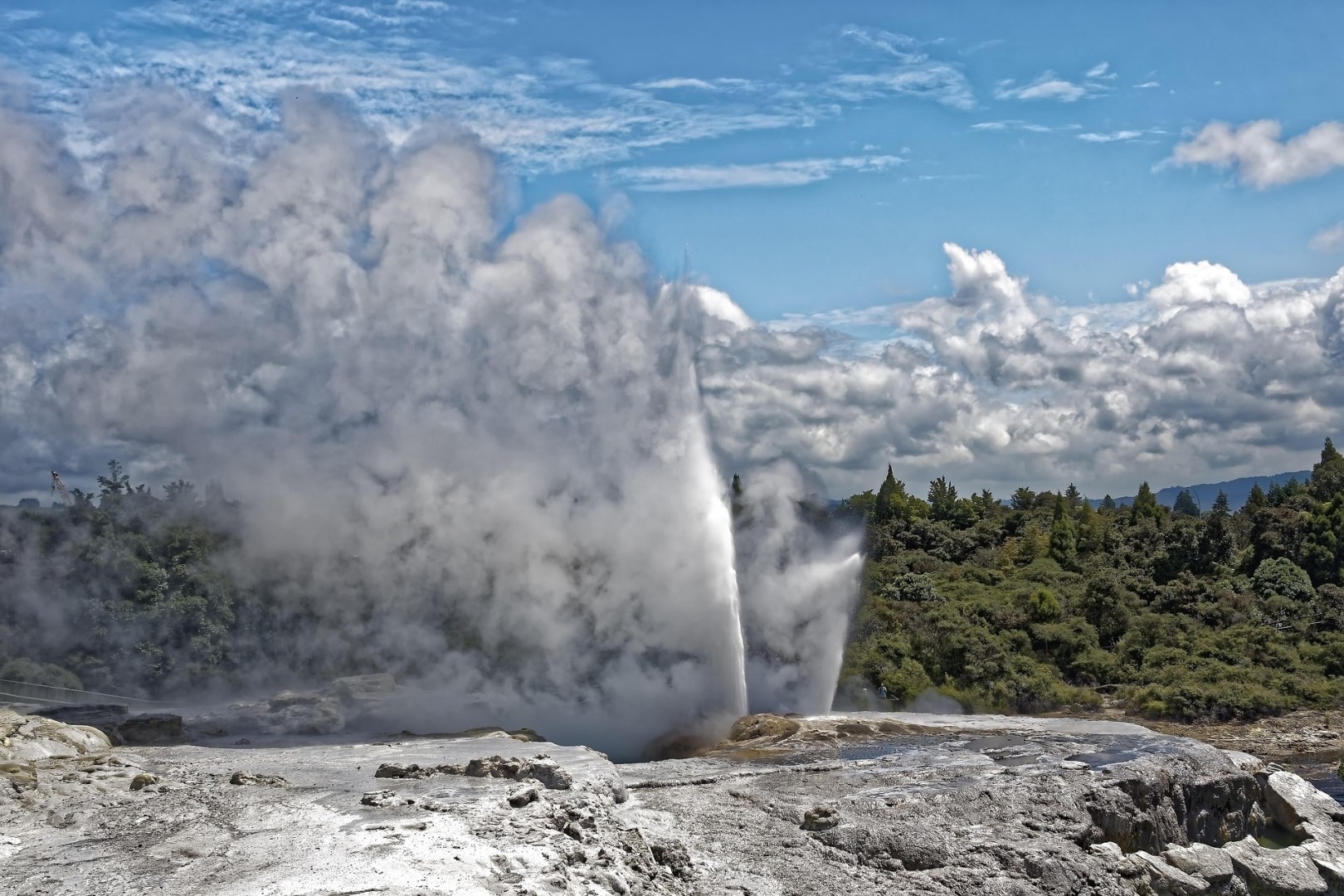
Rotorua
Natural wonders await you in the steaming, geothermally active North Island city of Rotorua, New Zealand. Pohutu Geyser erupts several times per day, and blistering mud pools provide a truly unique sightseeing experience. When in Rotorua, tourists also visit its living Maori village, as well as Te Puia (New Zealand Maori Arts and Crafts institute), where weaving and woodcarving is featured.
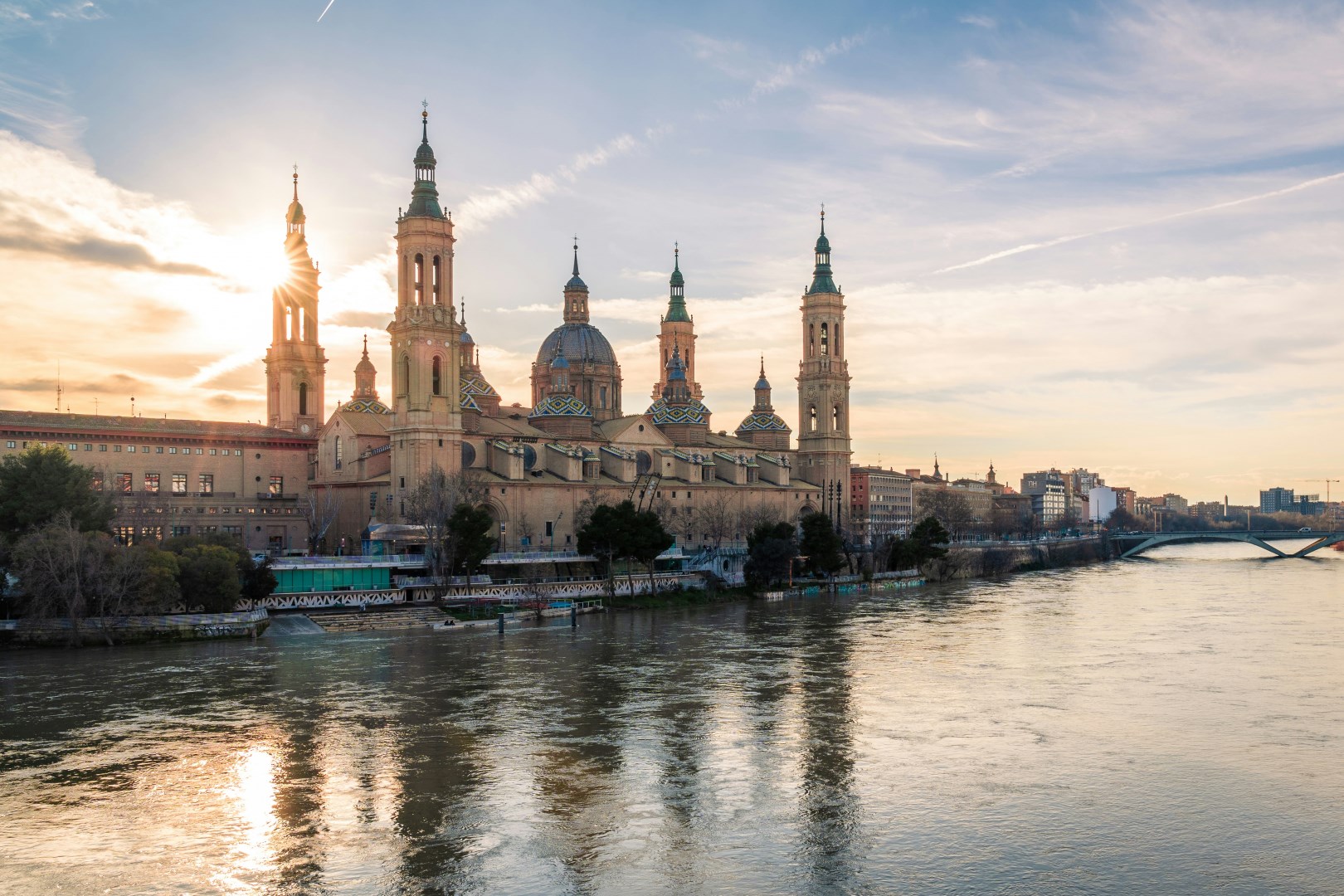
Zaragoza
Zaragoza stands on the banks of the Ebro River in northeastern Spain and serves as the capital of the Aragón region. The city is known for its mix of Roman remains, Islamic influences, Mudéjar architecture, and large Baroque landmarks.

Uluru-Kata Tjuta National Park
Uluru-Kata Tjuta National Park, national park in the Northern Territory, Australia, in the arid center of the continent, southwest of Alice Springs. The area was established as Ayers Rock/Mount Olga National Park in 1958 and renamed Uluru National Park in 1977.
