

Lapland
The region of Lapland, Finland, is a dream come true for travelers in search of a real winter wonderland. The area has long been associated with Father Christmas, reindeer and a dense, snow-covered wilderness.

Las Vegas
Las Vegas, Nevada, is an electrifying city where glitz and glamour meet entertainment and excitement. Known as "The Entertainment Capital of the World," Las Vegas offers an unparalleled array of attractions, from its iconic casinos and luxurious hotels to its world-class dining and live shows. The city's entertainment scene is second to none, featuring legendary headliners, cutting-edge performances, and an array of themed attractions.

Tsavo West National Park
Tsavo West National Park, located in Kenya, offers a quintessential safari experience amidst dramatic landscapes and abundant wildlife. This vast park is part of the larger Tsavo ecosystem and is renowned for its diverse habitats, including semi-arid plains, volcanic hills, and lush riverine forests. The park’s centerpiece, the Mzima Springs, provides a vital water source for wildlife and features crystal-clear pools that allow visitors to view aquatic life such as hippos and fish through underw
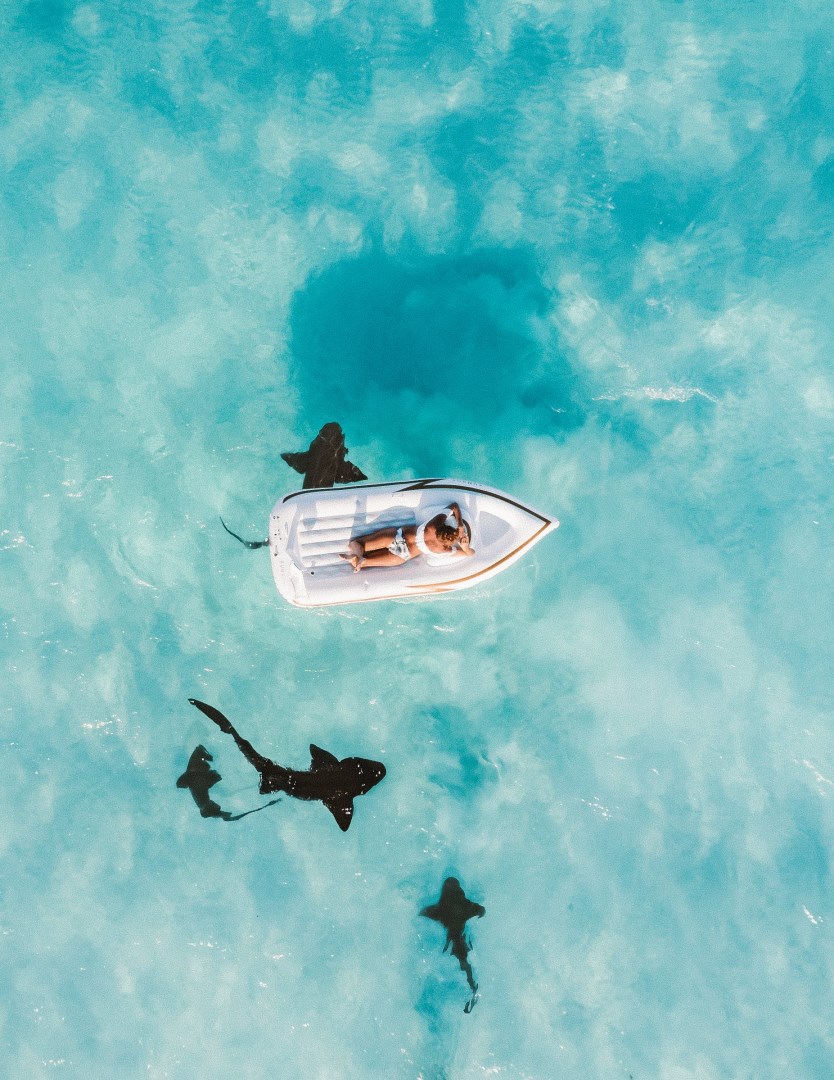
Great Exuma
The Exumas are located in the middle of The Bahamas, yet remain mostly undisturbed. A collection of some 365 cays and islands stretching over 120 miles, The Exumas are supported at the far southern tip of the chain by two main islands, Great Exuma and Little Exuma.
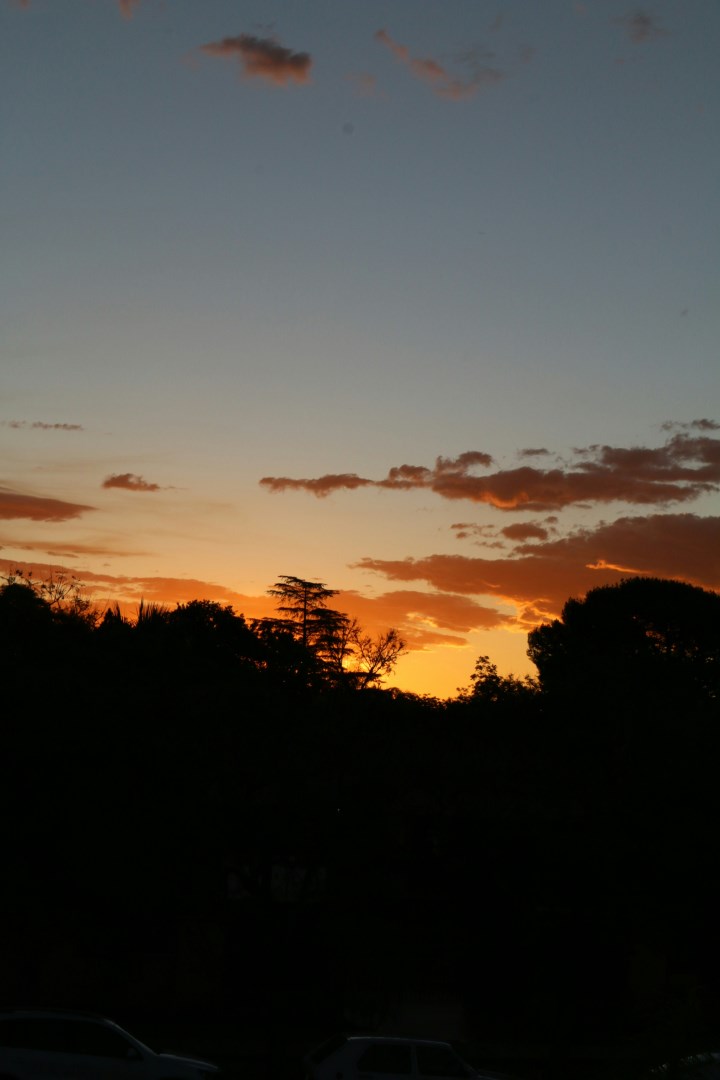
Kimberley
Kimberley is a city in South Africa’s Northern Cape province, known for its strong connection to diamond mining. It stands on a semi-arid plateau, where wide skies and dry landscapes shape daily life.
