

Te Anau
Te Anau sits on the edge of New Zealand’s second-largest lake, acting as the unofficial gateway to Fiordland National Park. While it’s often viewed as a starting point for trips to Milford Sound, the town itself offers a slower, more scenic way to experience the South Island’s dramatic landscapes. Te Anau’s lakefront is a mix of walking paths, local birdlife, and wide-open views across snow-dusted peaks.

Kampot
Kampot is a riverside town in southern Cambodia with a story that stretches from a bustling 19th-century seaport to a calm center for travelers seeking real local experiences. Wandering these streets reveals faded pastel facades, shuttered balconies, and hints of a past where merchants from China, Malaysia, and Europe met on this quiet stretch of the Cambodian coast.
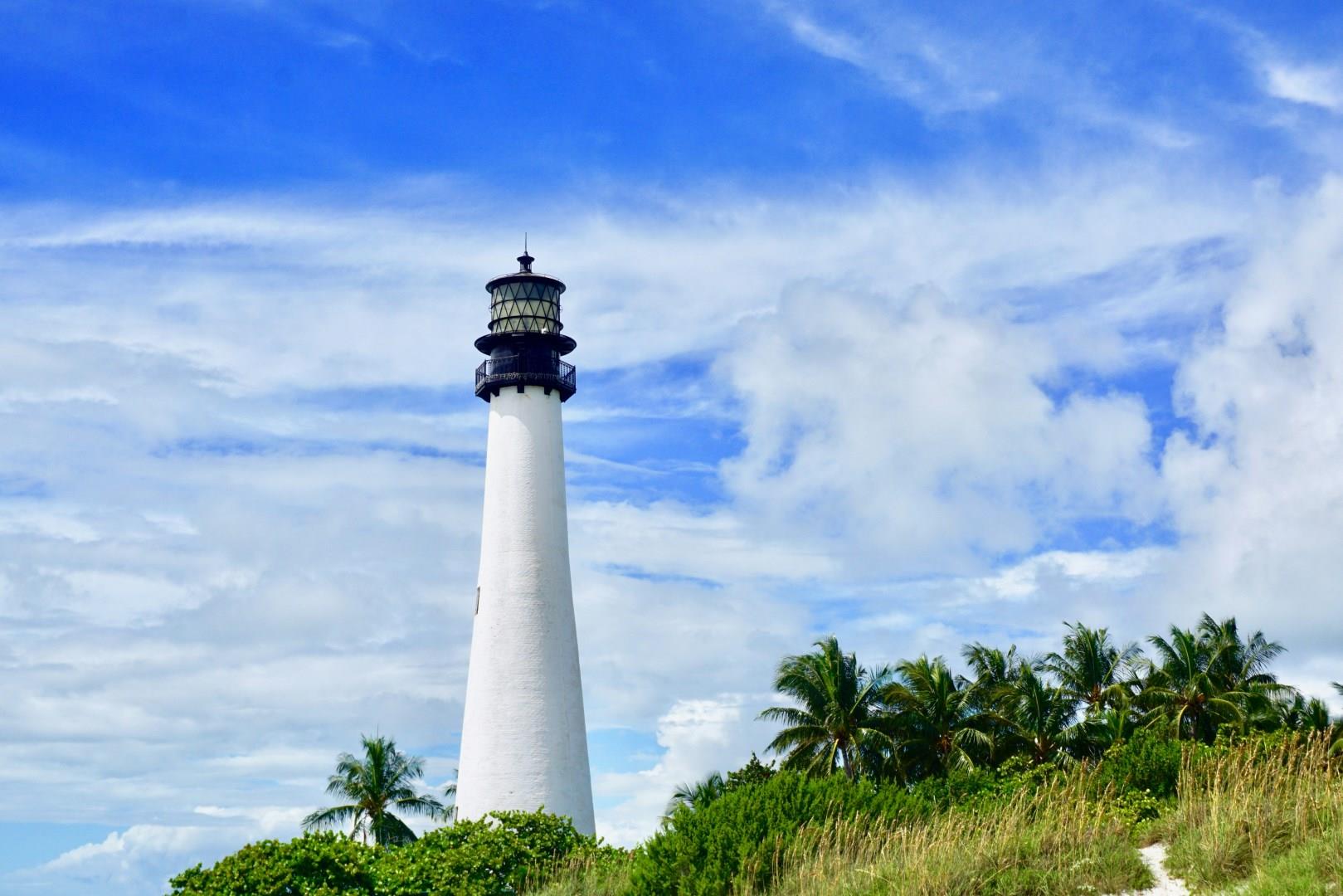
Key Biscayne
Key Biscayne is a tropical island paradise located just six miles off the coast of Miami. This world-class resort community is a place where you can lie back in a hammock and listen to the rustle of palm fronds in the ocean breeze or stroll along the calm sandy Atlantic shore.
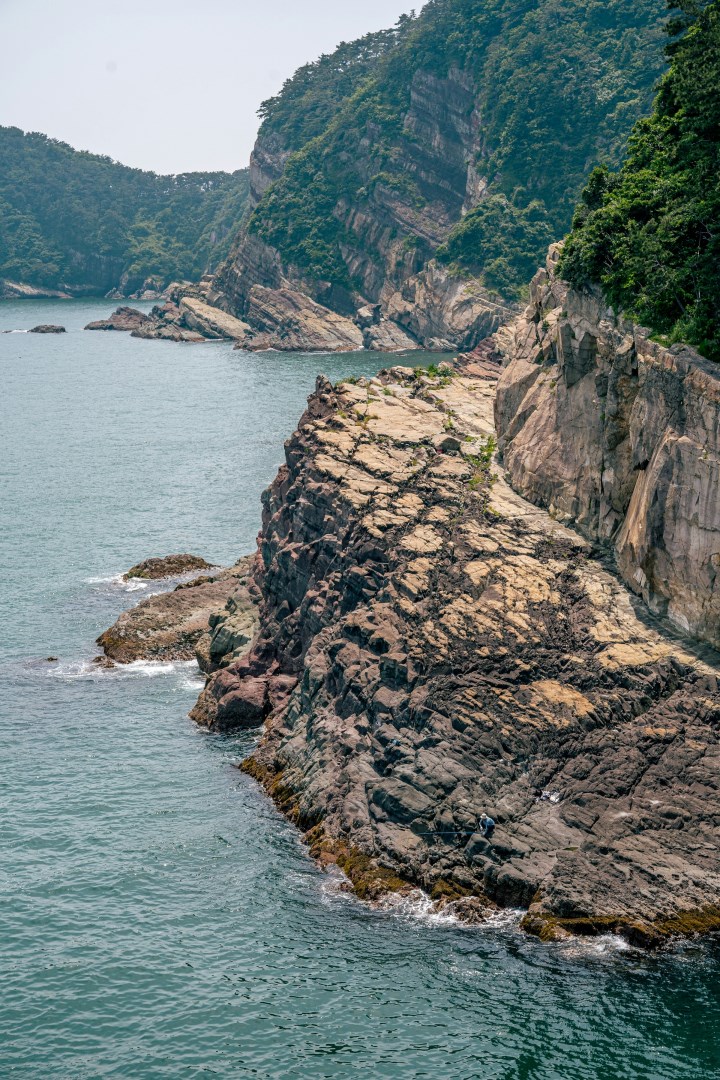
Incheon
Located on the Yellow Sea in northwest South Korea, it is a large port city.

Surat Thani
Surat Thani is a city in southern Thailand situated near the mouth of the Tapi River, where the river meets the Gulf of Thailand. It serves as an important commercial and transport center for the surrounding province and is a common starting point for journeys to the islands of the Gulf. The city itself has a more local character than Thailand's major resort destinations, with markets, temples, riverfront areas, and busy streets forming its urban landscape.
