
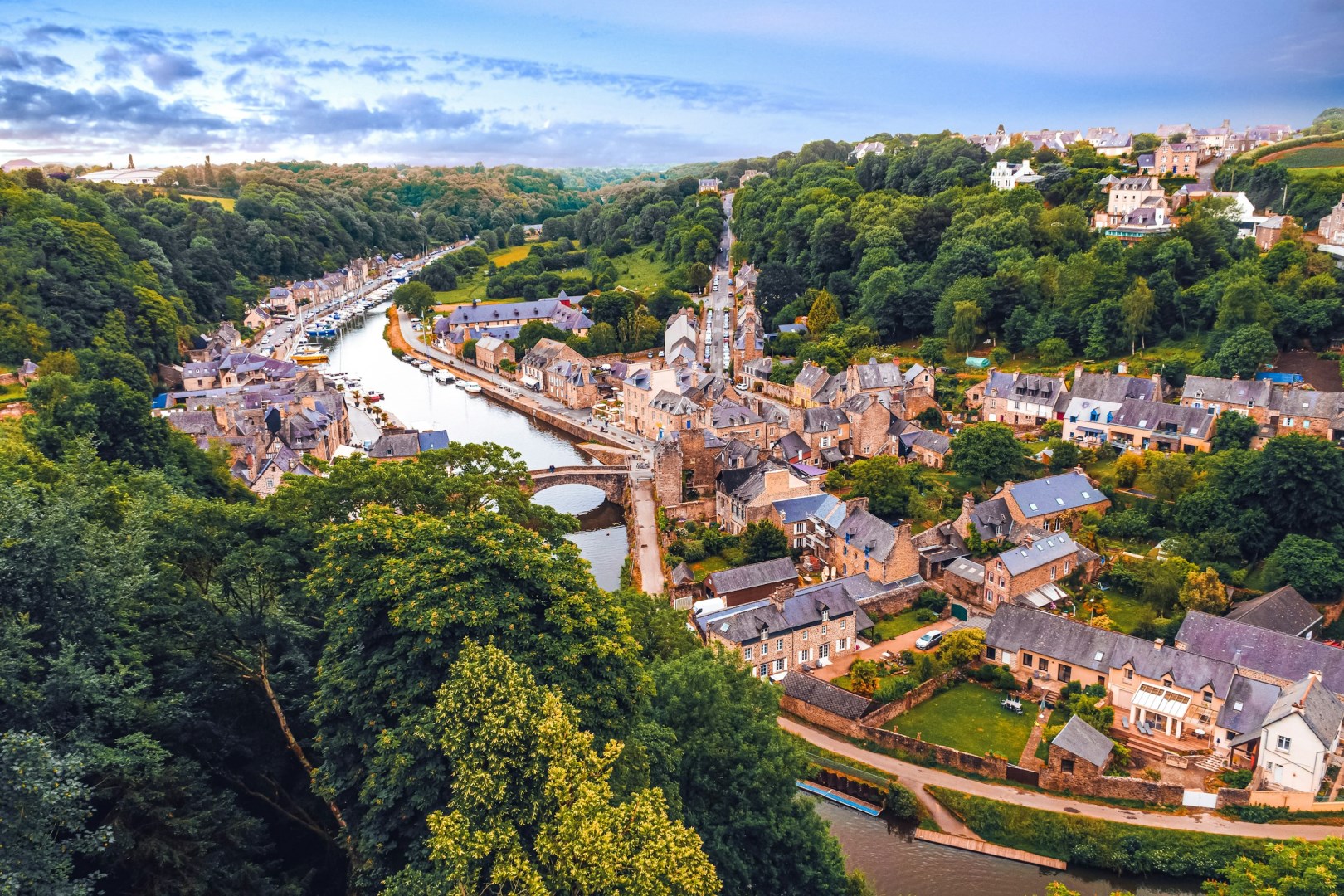
Dinan
Medieval half-timbered houses decorated with vibrant flower displays line the cobblestone streets of this picturesque and charming French town. Whether you're perusing the artisan shops, exploring the historic buildings, taking a leisurely walk along the riverbanks, or enjoying the lively markets or festivals, you'll find yourself immersed in its timeless beauty.
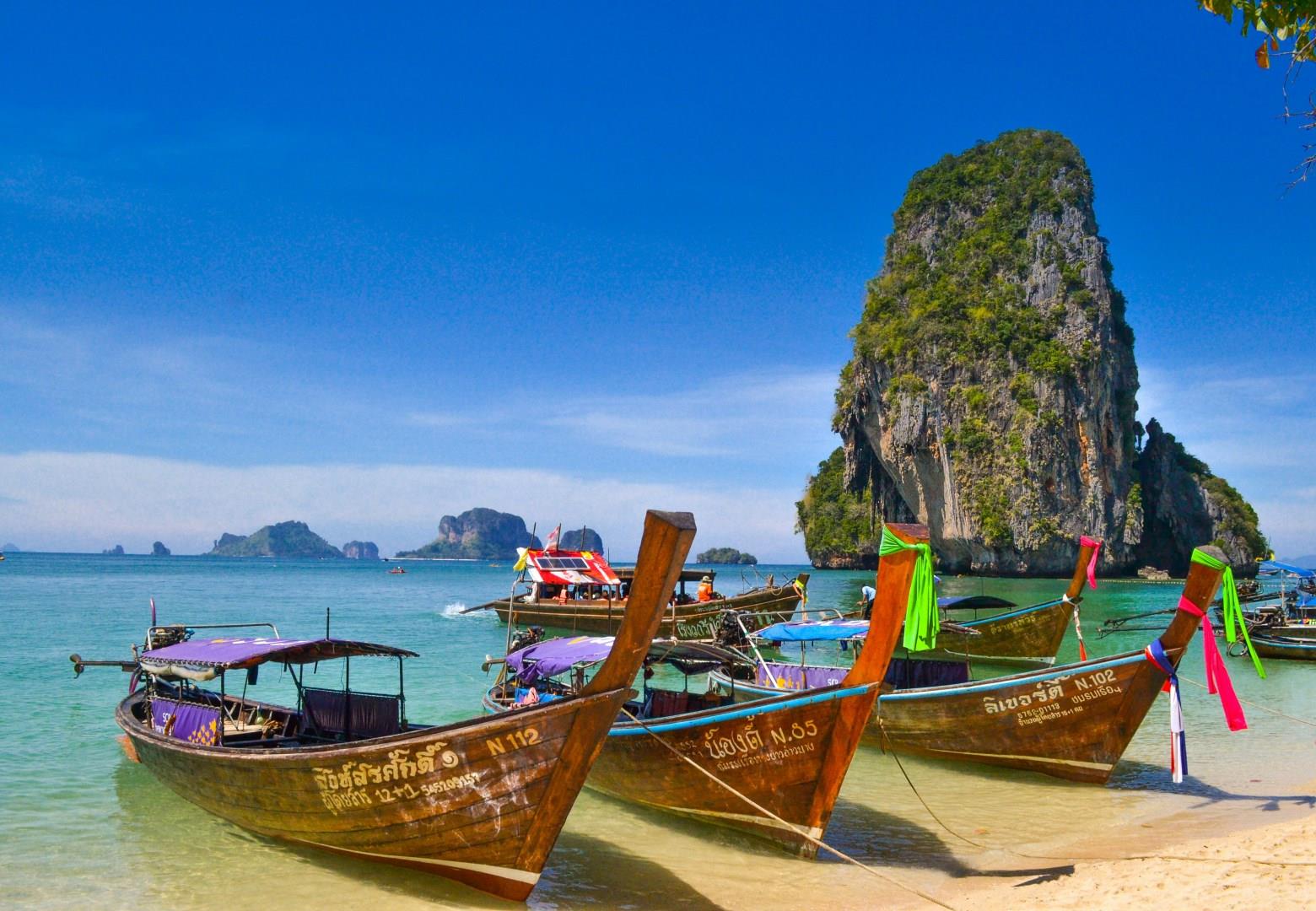
Krabi
Krabi, located on the southwest coast of Thailand, is known for its towering limestone cliffs, warm Andaman waters, and a coastline dotted with over 150 islands. One of its most iconic sites is Railay Beach, which is accessible only by boat due to the cliffs that cut it off from the mainland. Railay is famous among rock climbers for its natural limestone formations, some of which hang directly over the sea.
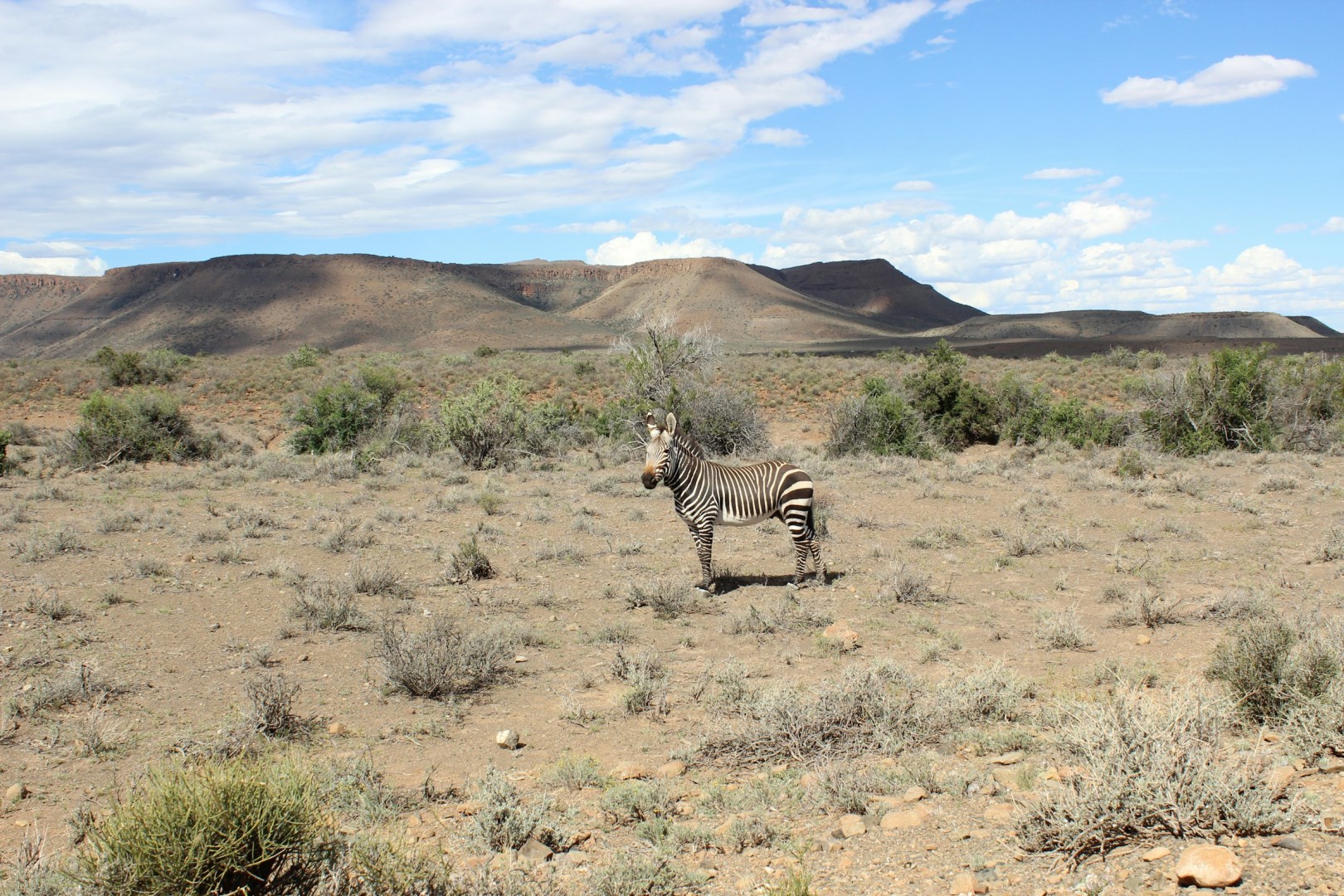
Karoo
The Karoo National Park is one of the quietest places on Earth. The park is known to be breathtakingly quiet, offering its visitors an opportunity to really connect with nature.
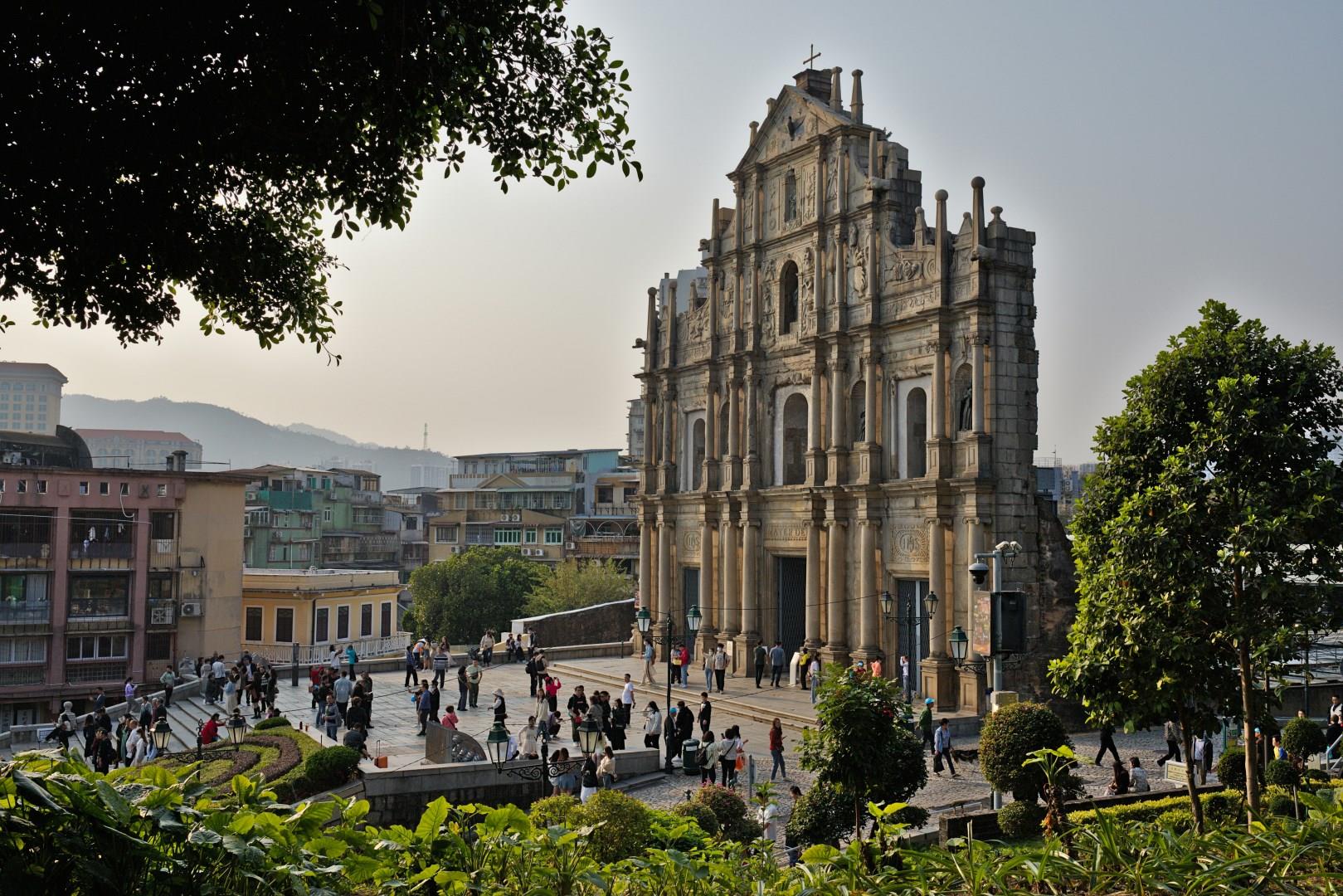
Macao
Macao, a Special Administrative Region of China, is known for its distinctive blend of Portuguese and Chinese heritage. Once a Portuguese colony, the city retains historic squares, colonial architecture, and cobblestone streets that contrast with its modern skyline of resorts and entertainment complexes.
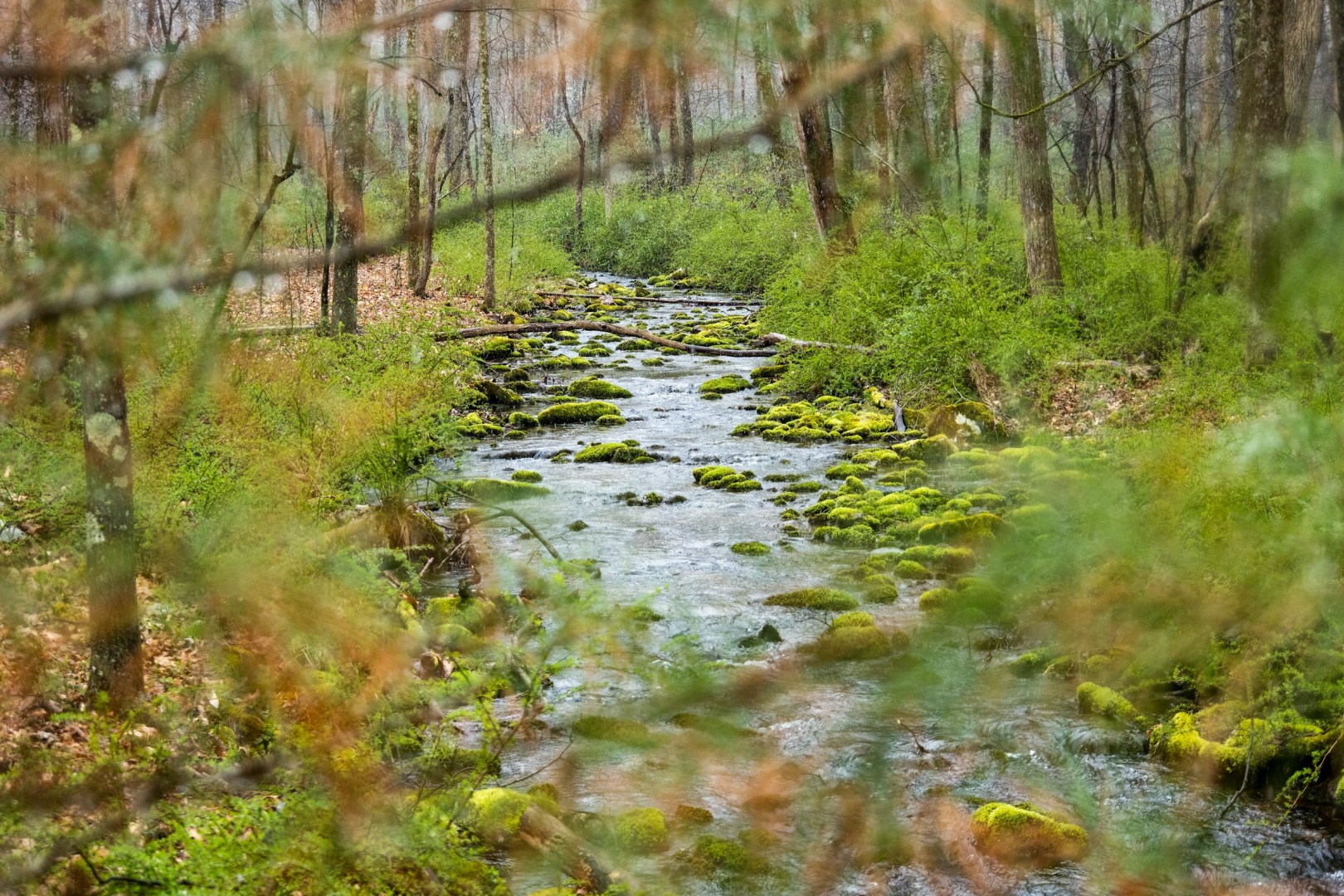
Williamsport
Located in North-central Pennsylvania, Williamsport is a vibrant town, famous for being both the "Lumber Capital of the World" and the birthplace of Little League Baseball.
