

Dominica
Dominica, known as the “Nature Island of the Caribbean,” is a haven for eco-tourists and adventure seekers. Nestled between the French islands of Guadeloupe and Martinique, this lush island boasts a remarkable landscape of volcanic mountains, dense rainforests, and stunning waterfalls. Dominica’s most iconic natural wonder is the Boiling Lake, the second-largest hot spring in the world.
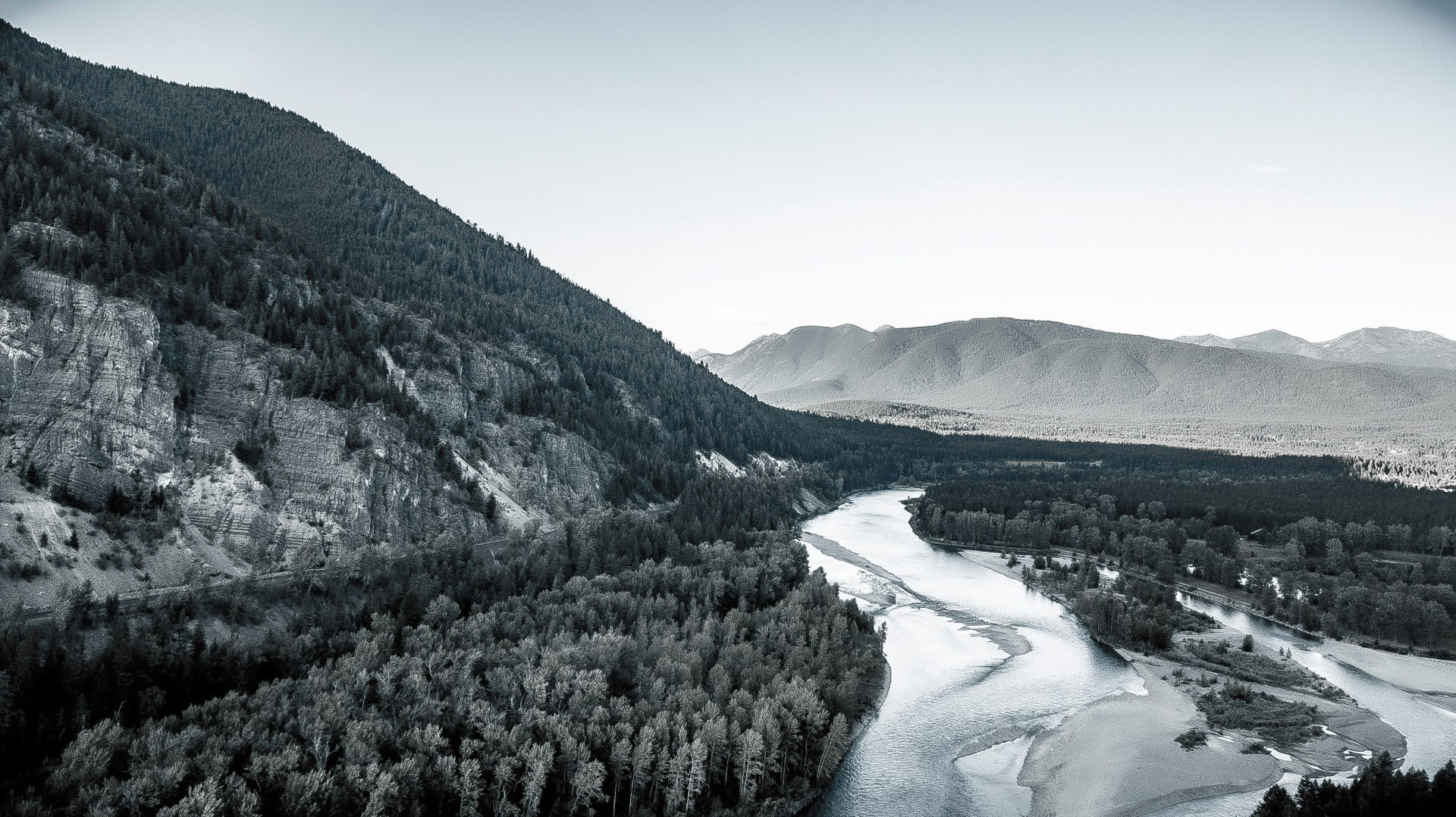
Whitefish
Nestled in the heart of the Rocky Mountains, Whitefish, Montana, is a gateway to breathtaking natural beauty and outdoor adventures. The charming town serves as a perfect base for exploring the nearby Glacier National Park, renowned for its stunning glaciers, pristine lakes, and extensive hiking trails. Whitefish itself is a vibrant community, where the scenic backdrop is matched by a bustling downtown filled with boutique shops, local restaurants, and cozy lodges.
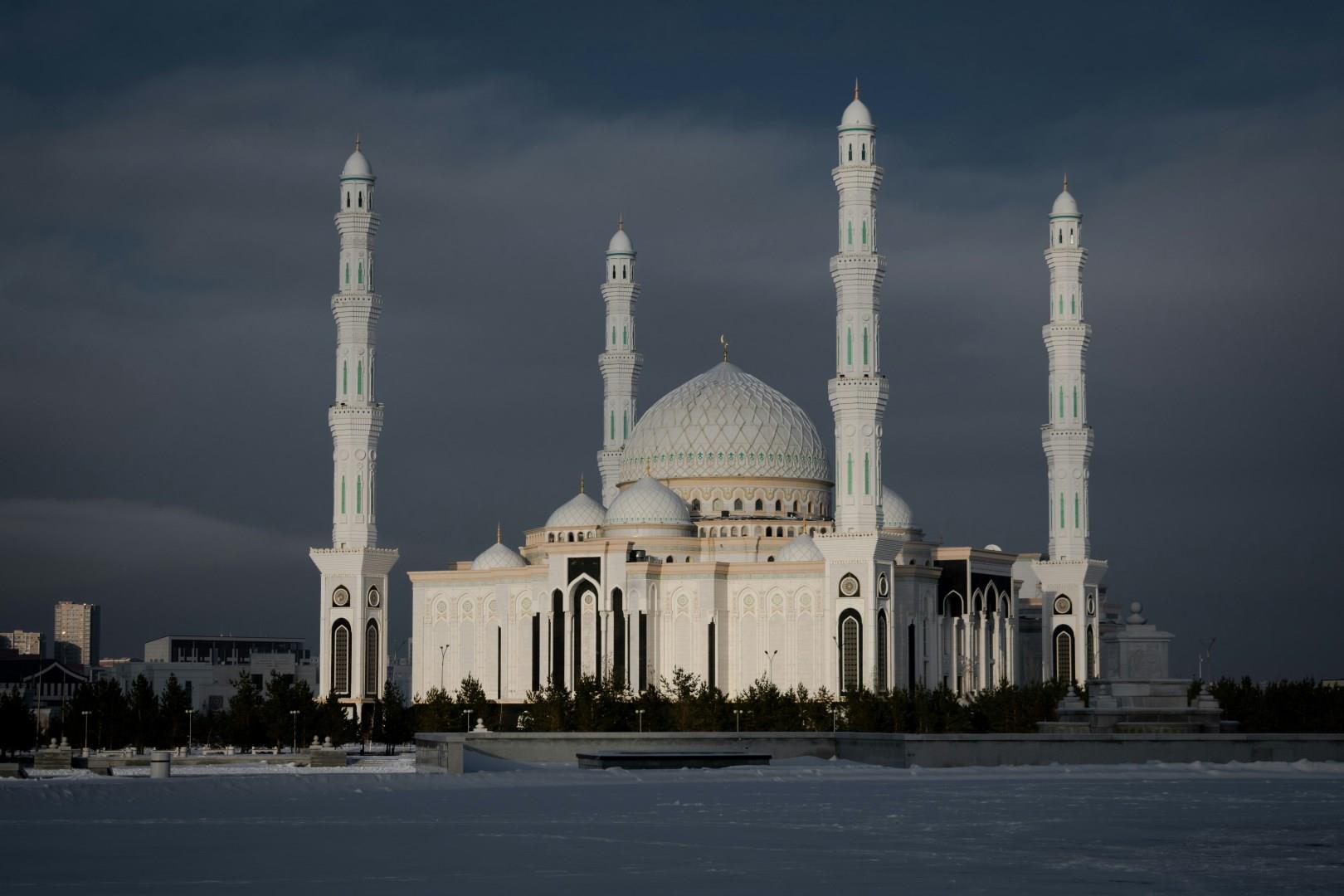
Astana
Astana, officially known as Nur-Sultan, is the modern capital of Kazakhstan and a striking example of contemporary urban design in Central Asia.
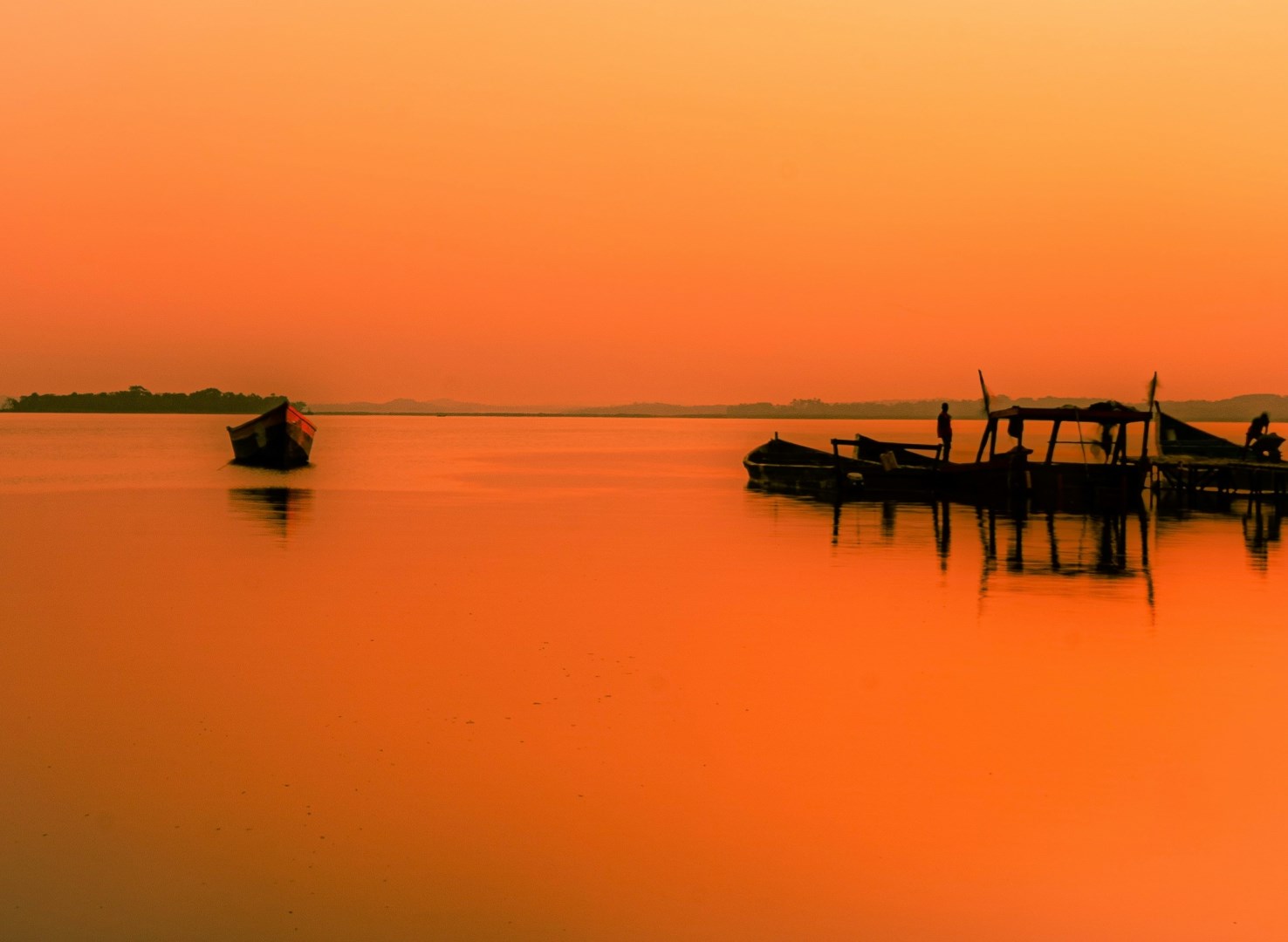
Kampala
Kampala, Uganda’s capital, perches on a series of hills overlooking Lake Victoria, blending historical depth with urban energy.

St. George's
St. George’s, the capital of Grenada, is a picturesque harbor town nestled within the rim of an extinct volcano. Its horseshoe-shaped Carenage, lined with pastel-colored colonial buildings, offers a postcard-perfect introduction to the island.
