
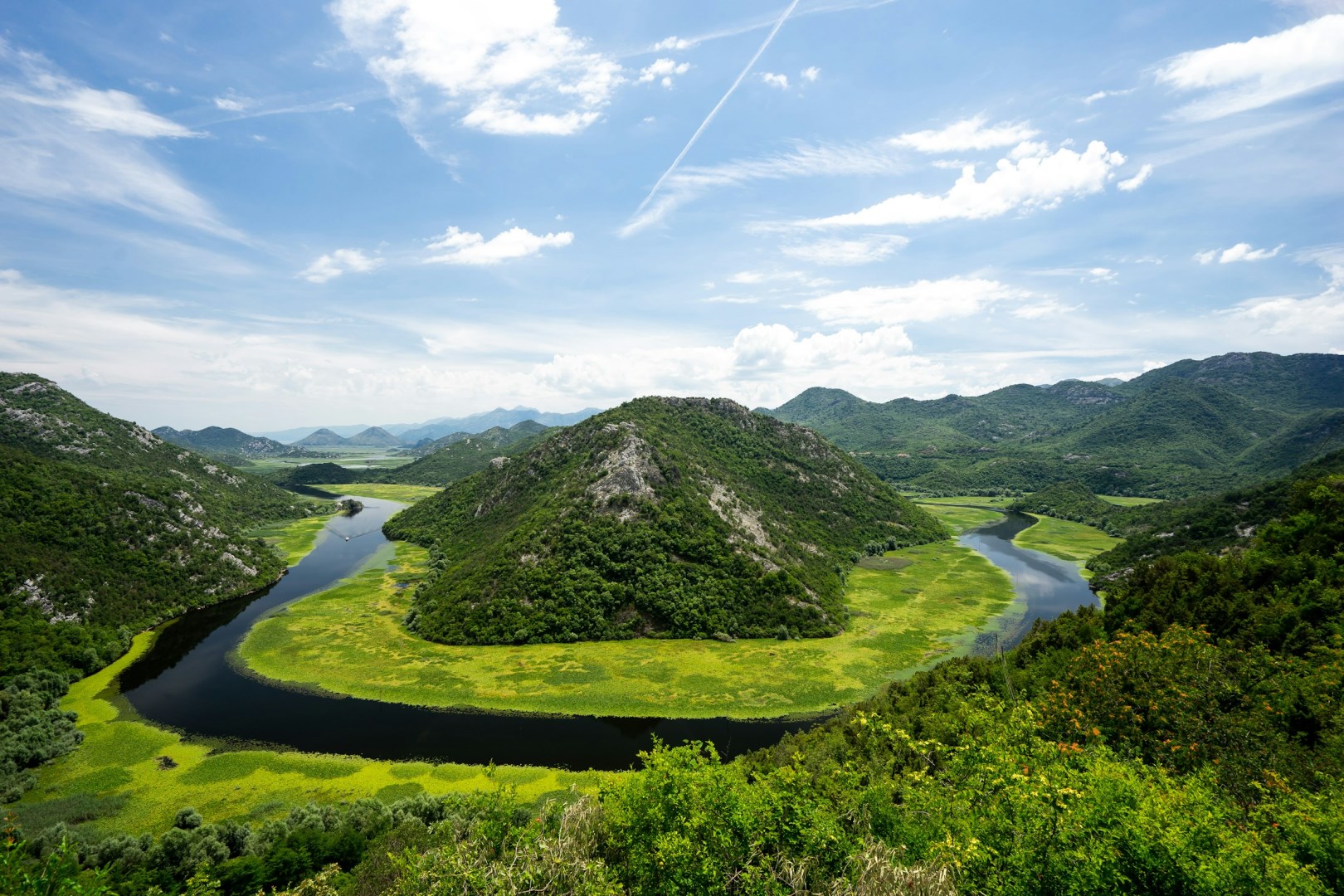
Skadar Lake National Park
Skadar Lake National Park protects the Montenegrin side of Lake Skadar, the largest lake in the Balkans, near the country's southern border with Albania. The lake expands and contracts with seasonal water levels, creating a landscape of marshes, reed beds, open water, rocky shores, and low hills. The park is especially important for wetland wildlife and contains a rich variety of fish, plants, and birds.

Belluno
Nestled in the foothills of the Dolomites, the picturesque town of Belluno offers visitors a perfect blend of natural beauty, history, and culture. Known as the "gateway to the Dolomites," Belluno is surrounded by rugged mountains, making it a prime destination for hikers, climbers, and outdoor enthusiasts. The town’s position along the Piave River also offers stunning views and opportunities for riverside walks.
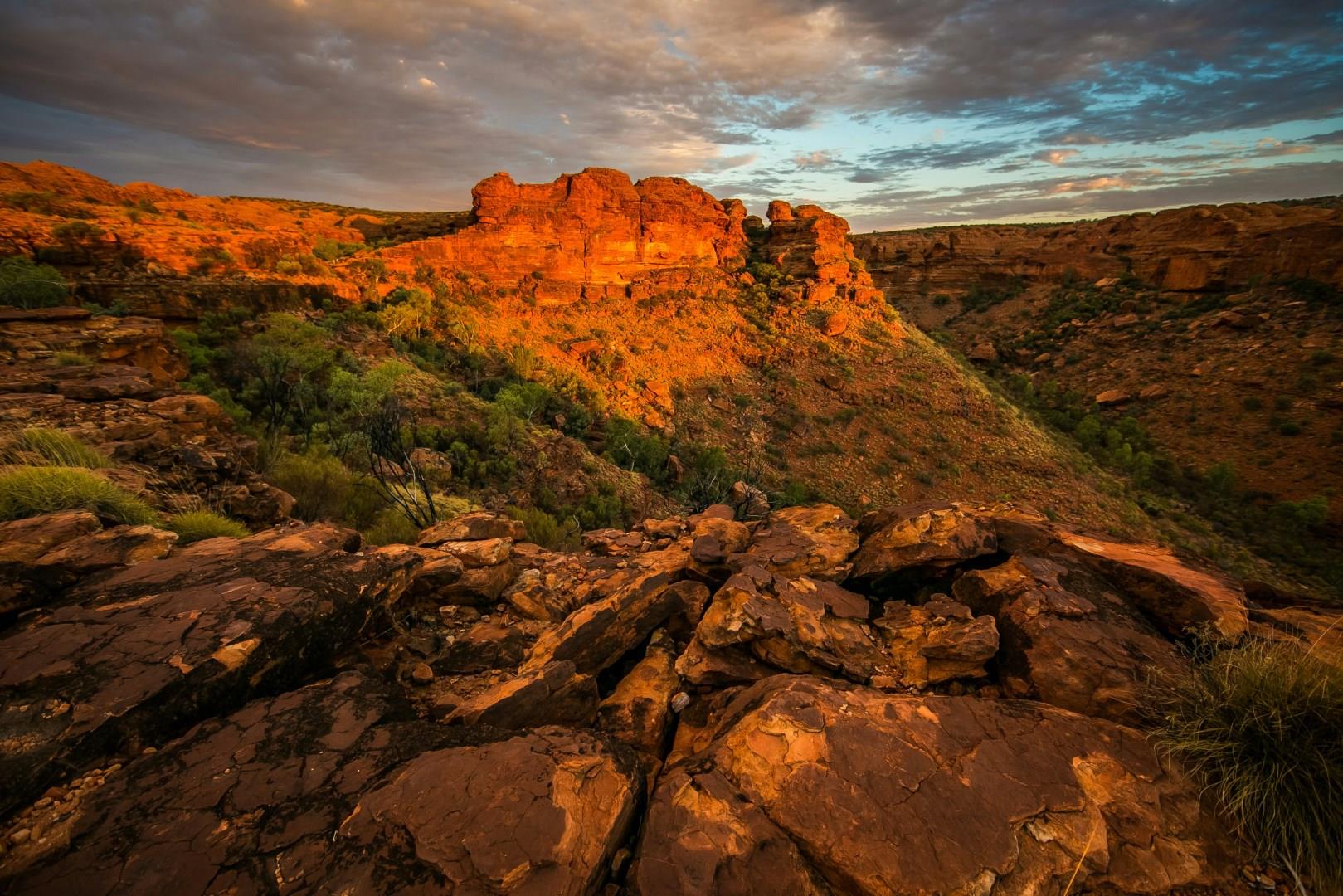
Kings Canyon
Kings Canyon, located in Australia’s Northern Territory within Watarrka National Park, is one of the Red Centre’s most striking natural landmarks. Carved over millions of years, the canyon holds deep cultural significance for the Anangu people, particularly the Luritja, for whom the area remains a sacred landscape tied to creation stories, ceremony, and traditional knowledge.

Plymouth
Plymouth is a town in southeastern Massachusetts, on Plymouth Bay, about 55 km (34 mi) southeast of Boston. The seat of Plymouth County, it was the site of the first permanent European settlement in New England; it is now a fishing and tourist center with ship-related industries and cranberry-packing houses.
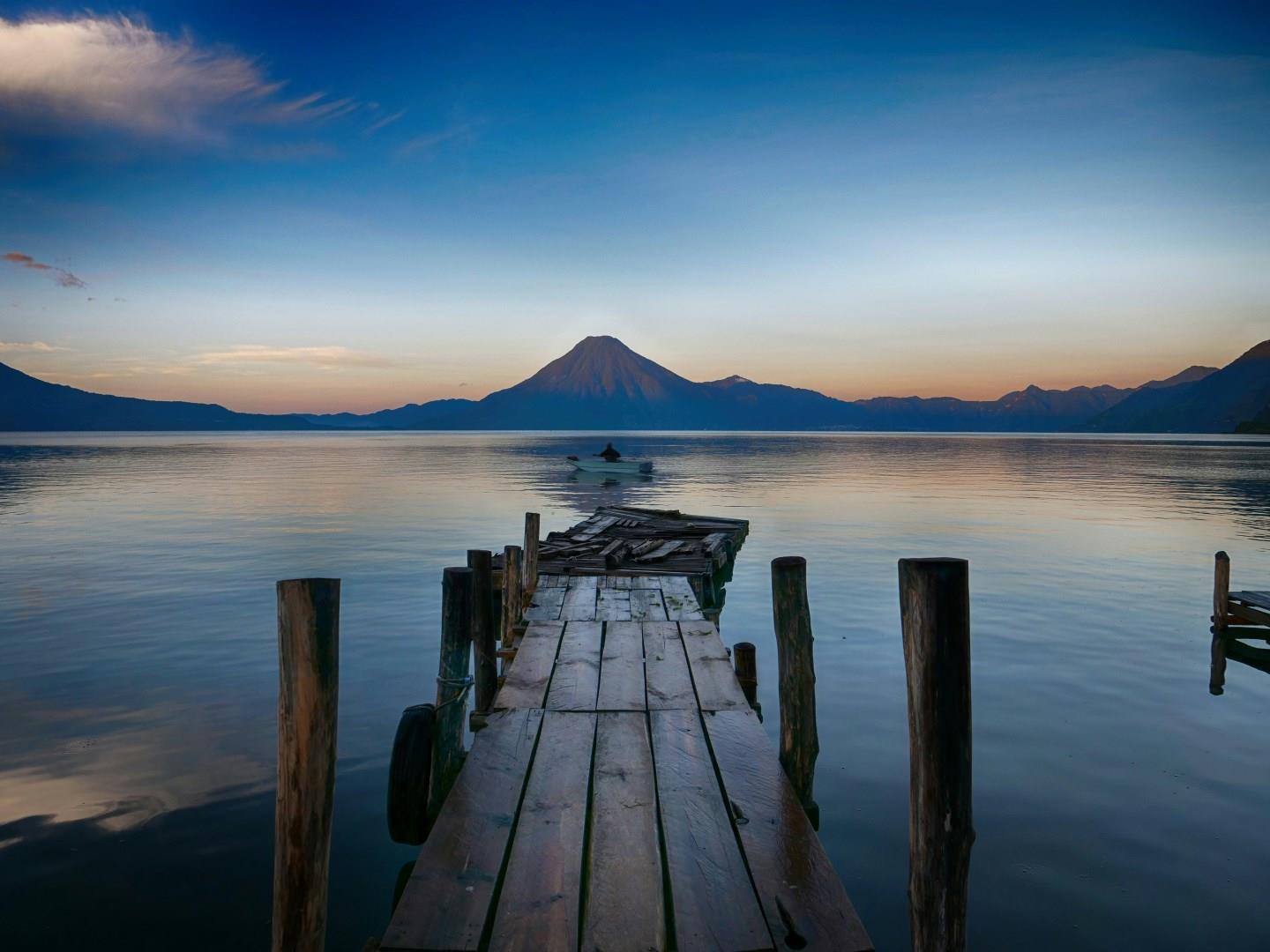
Panajachel
Panajachel, on the shores of Guatemala’s Lake Atitlán, is a vibrant town framed by volcanic peaks and the shimmering waters of one of the world’s most picturesque lakes.
