
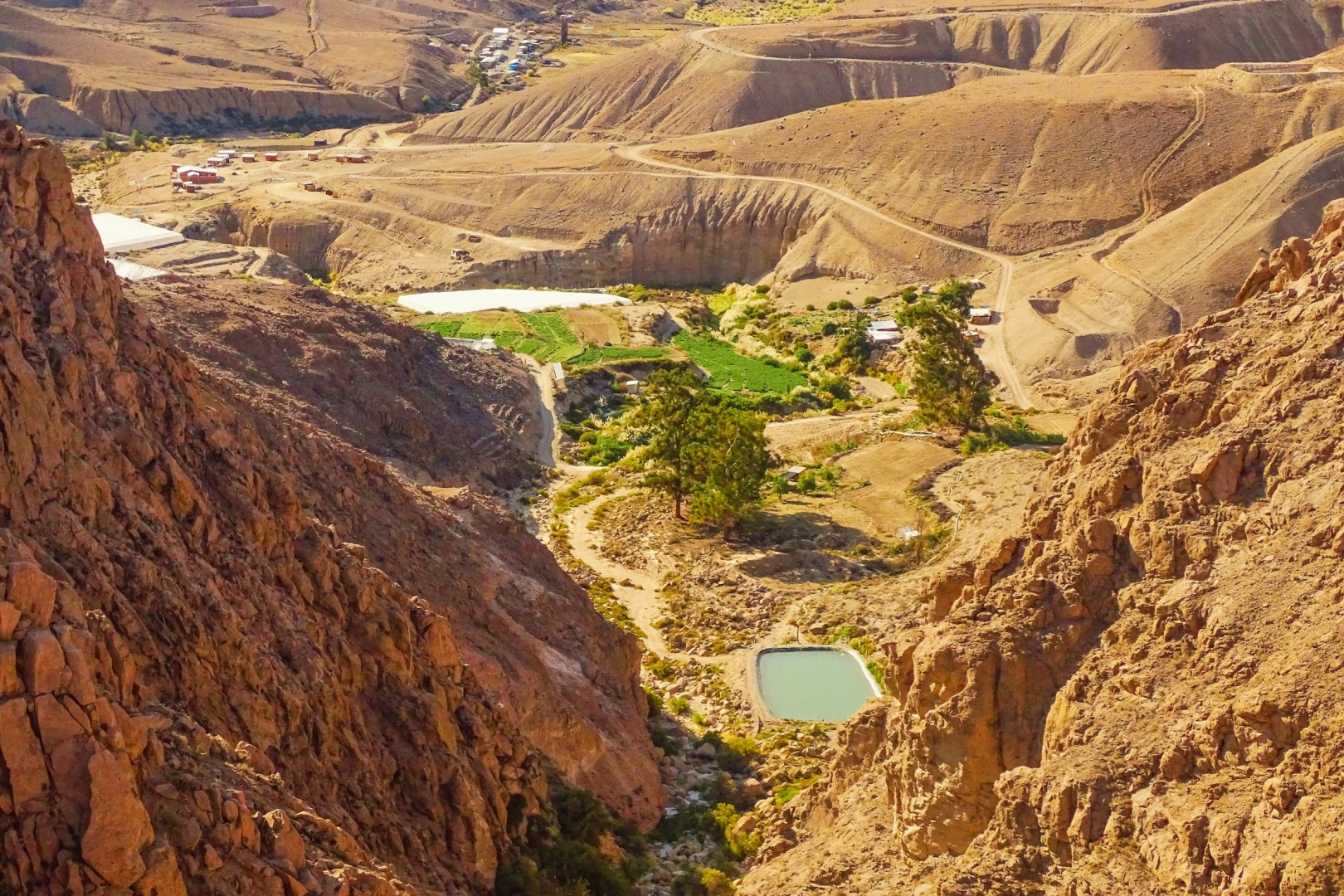
Arica
At Chile's northernmost end, the dizzying railway from high Bolivia comes down to the sea. Arica, the City of Eternal Spring, has a population of 169,000. and is located in the Atacama Desert. See San Marcos Cathedral, designed by Gustave Eiffel, and marvel at Pre-Incan relics in the City Museum. Or leave the city to venutre to the White City of Arequipa, the Incan capital of Cuzco and Machu Picchu and the ancient Inca city in the clouds.

Geiranger
Nestled in the heart of Norway's spectacular fjord region, Geiranger is a village where nature takes center stage. Set against the breathtaking Geirangerfjord, this charming destination captivates visitors with its towering cliffs, shimmering emerald waters, and dramatic waterfalls. Whether exploring by boat along the fjord’s serene waters or hiking to viewpoints like Dalsnibba, visitors are treated to unforgettable panoramic vistas that showcase the area’s raw beauty from every angle.
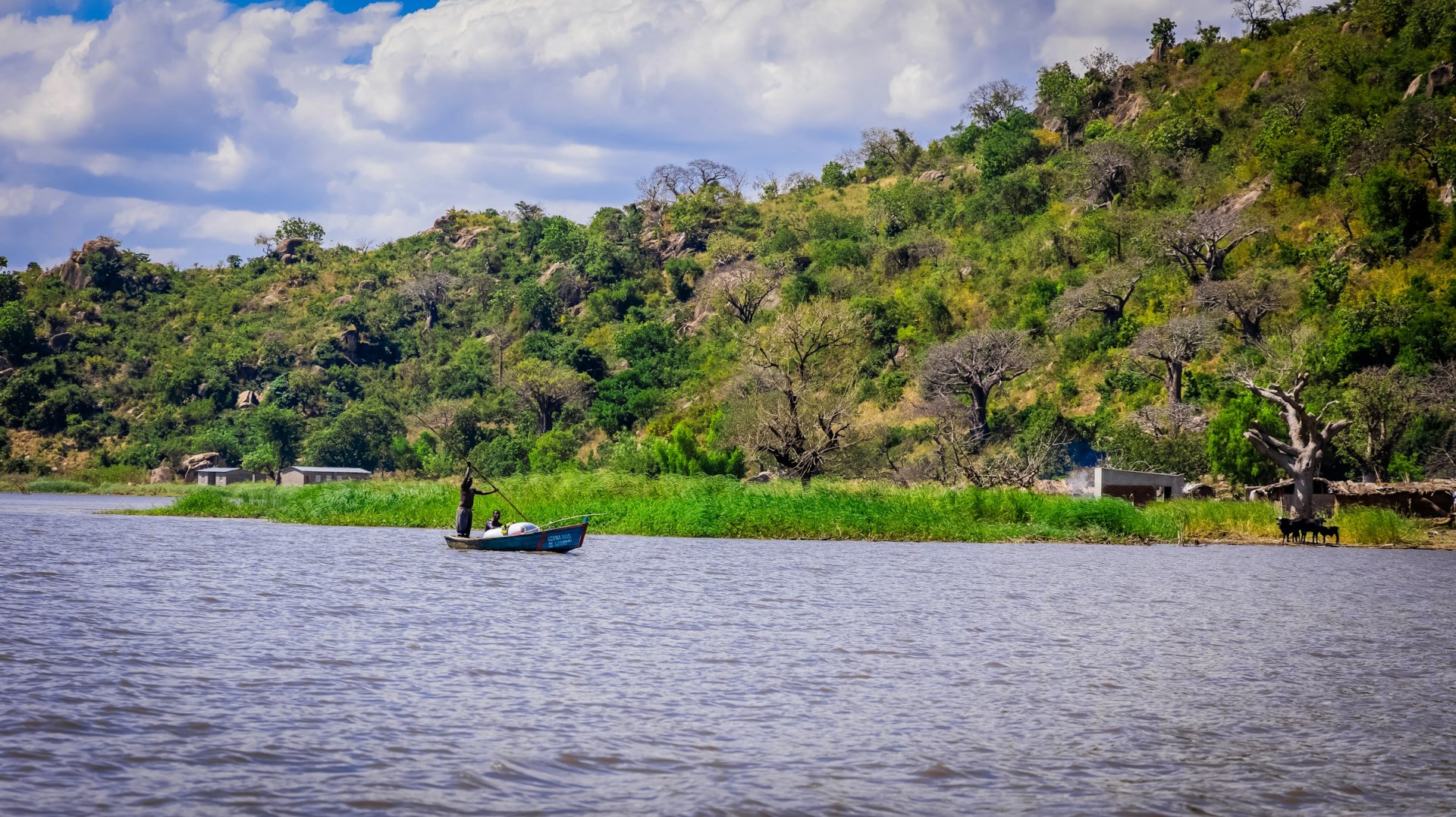
Njalo Island
Njalo Island is a small inhabited island in Lake Chilwa, in southern Malawi’s Phalombe District. Situated in the lake’s open waters, it is part of a wetland landscape shaped by changing water levels, shallow channels, marshes, and seasonal fishing activity. The island is home to a close-knit community whose daily life is closely connected to the lake. Fishing provides an important source of food and income, while boats are essential for transport between the island and mainland communities.

Nuuk
Nuuk, the vibrant capital of Greenland, offers a unique blend of Arctic beauty and modern living. Nestled between picturesque fjords and surrounded by rugged mountains, Nuuk is the gateway to exploring Greenland’s stunning natural landscapes. The city’s old harbor, with its colorful wooden houses, provides a charming introduction to Greenlandic culture and history. This area is perfect for leisurely strolls and offers striking views of the surrounding mountains and sea.
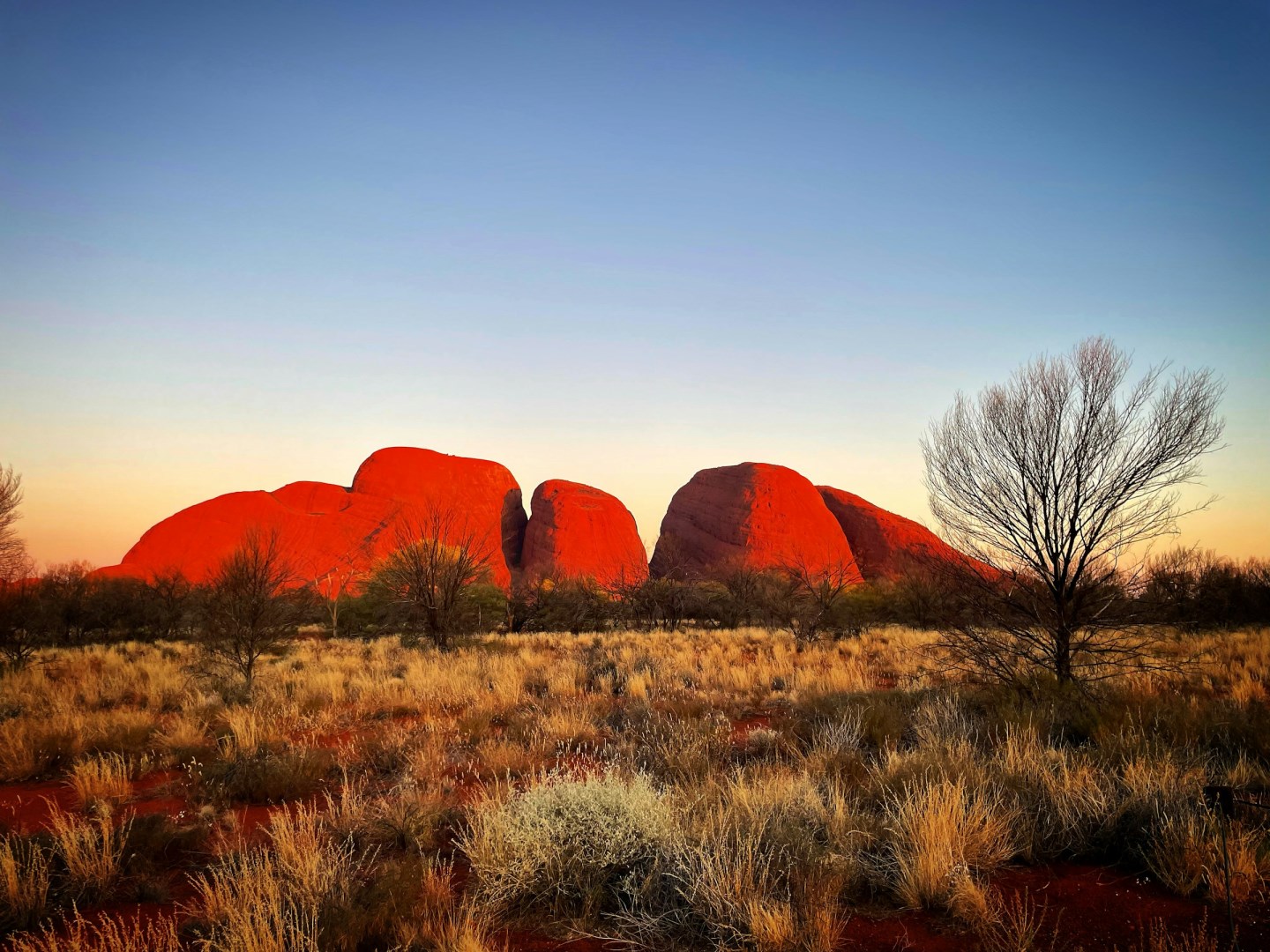
Kata Tjuta
Kata Tjuṯa is a group of large rock domes in the Red Centre of Australia, within Uluṟu-Kata Tjuṯa National Park in the Northern Territory. Located about 40 kilometres west of Uluṟu, the formation rises prominently from the surrounding desert plain and consists of 36 domes spread across a broad area. Its name means “many heads” in the local Aṉangu languages.
