

Australia & New Zealand
Australia and New Zealand each have their own identities, shaped by indigenous heritage, colonial history, and vibrant contemporary cultures. Visitors can travel between the two in just a few hours, yet find themselves in entirely different worlds.
Ouarzazate
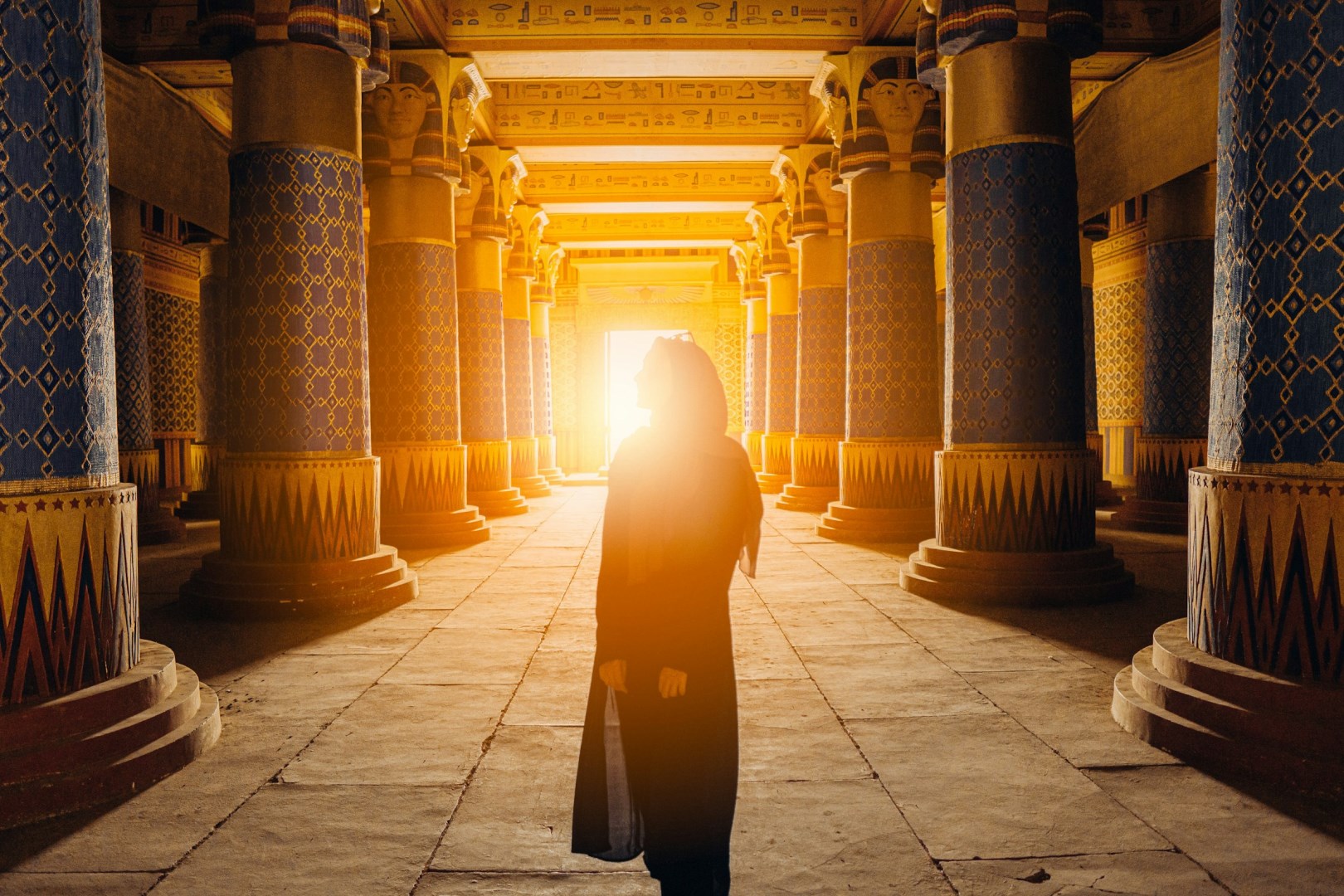
The whole south of Morocco is summarized in the historical, traditional and exotic sounding word "Ouarzazate". In Ouarzazate everything is calm, beautiful and fresh - the very image of the authentic south of Morocco, where time has stood still for centuries. The town has been located in three different places during its existence, two of them still inhabited
today.
today.

Yangon
Yangon, Myanmar’s largest city, blends colonial heritage, cultural diversity, and spiritual landmarks. Once the country’s capital, it remains the economic and cultural hub, with lively markets, tree-lined avenues, and historic buildings that reflect its layered past under British, Burmese, and regional influences.
Dushanbe
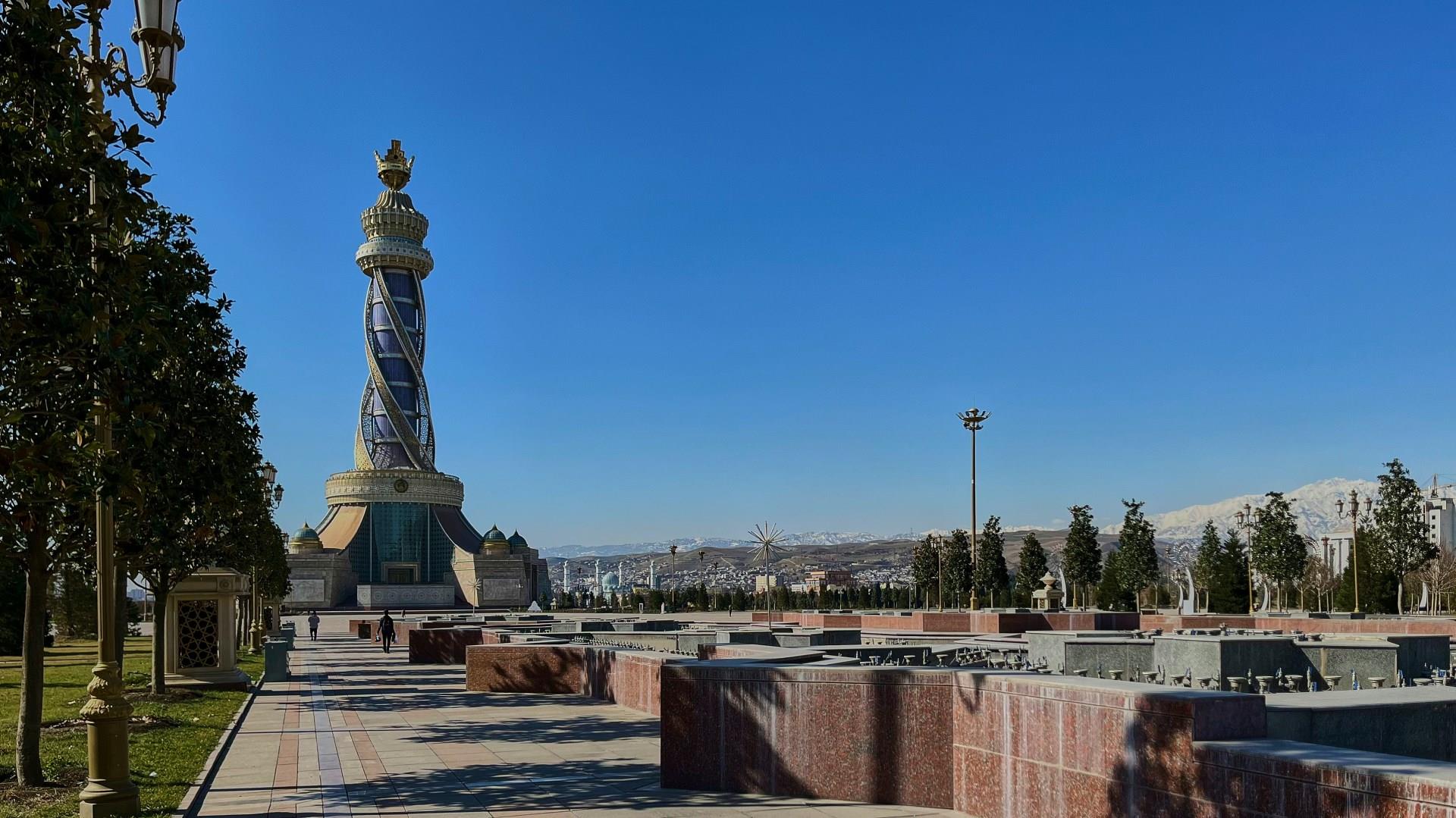
Dushanbe, the capital of Tajikistan, blends Soviet-era architecture with traditional Central Asian culture. The city is known for landmarks such as the National Library, Rudaki Park, and the striking Flagpole Square, which reflect both civic pride and the country’s heritage
Malolo Island
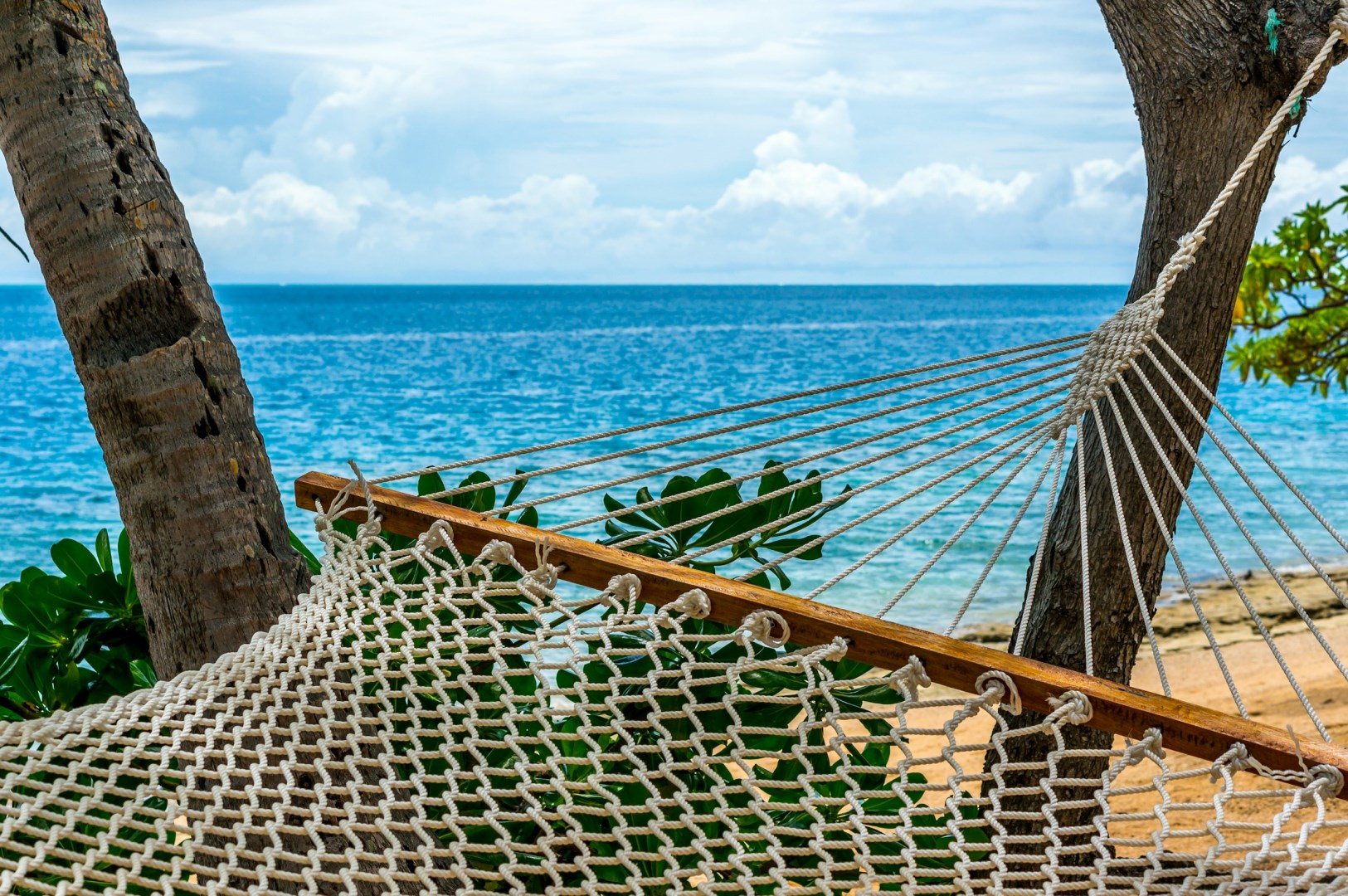
Set among Fiji’s Mamanuca Islands, Malolo Island combines a lush, hilly interior with palm-fringed beaches, clear lagoons, and coral-rich waters. Visitors can spend their days swimming, snorkelling, kayaking, or sailing before settling into the island’s unhurried pace.
