
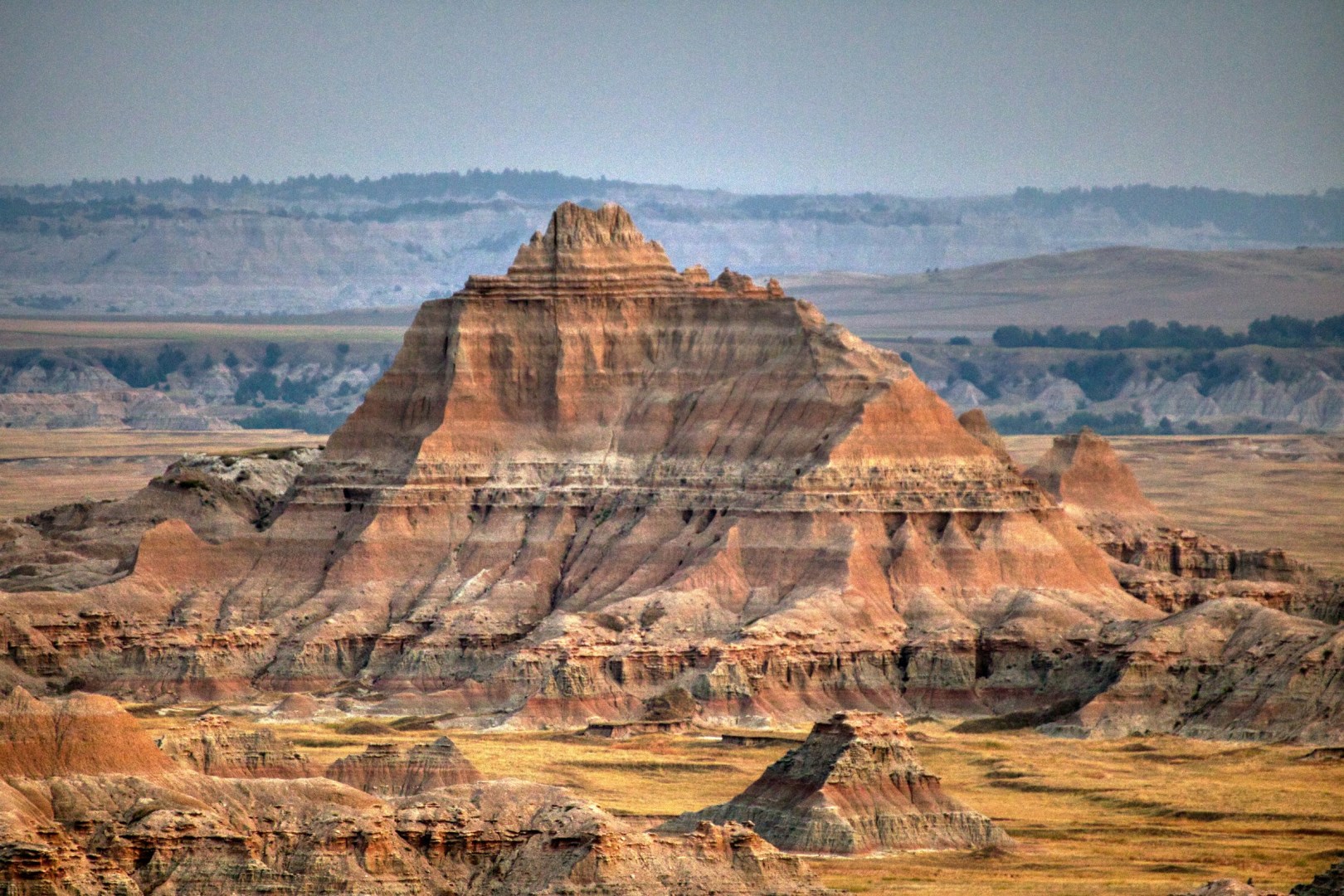
Badlands National Park
Badlands National Park stretches across southwestern South Dakota, where layered rock formations and sharply eroded spires reveal nearly 75 million years of geological history. The park’s banded cliffs and pinnacles were shaped by wind and water, exposing ancient seabeds and fossil-rich layers that have made the area one of North America’s most important paleontological sites.
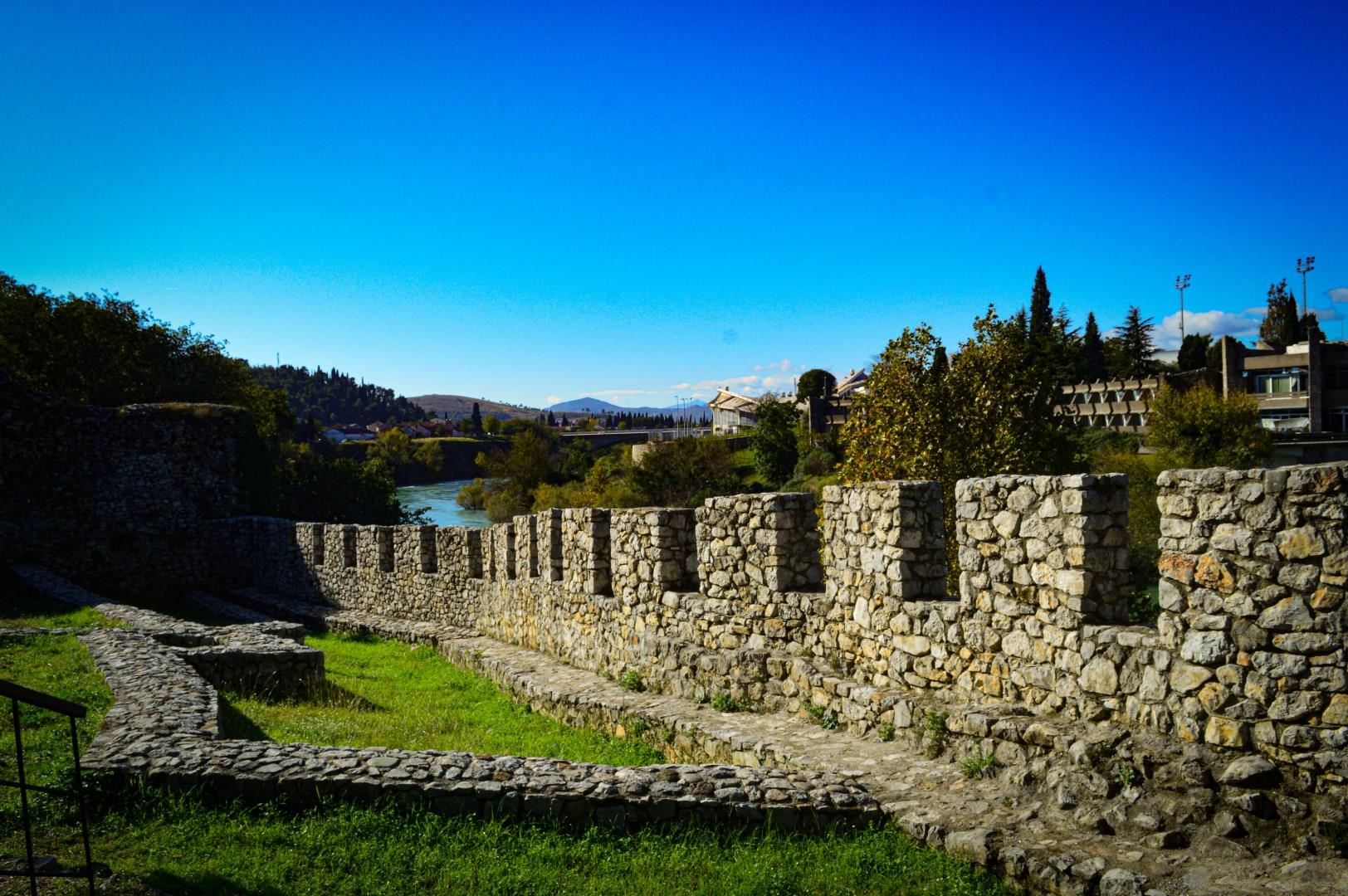
Podgorica
Podgorica, the capital of Montenegro, showcases the country’s contrasting landscapes and deep-rooted history. Although much of the city was rebuilt after World War II, traces of its Roman and Ottoman past still remain. Visitors can explore the ruins of Doclea, a Roman settlement just outside the city, where surviving columns and mosaics give a glimpse into life nearly two millennia ago.
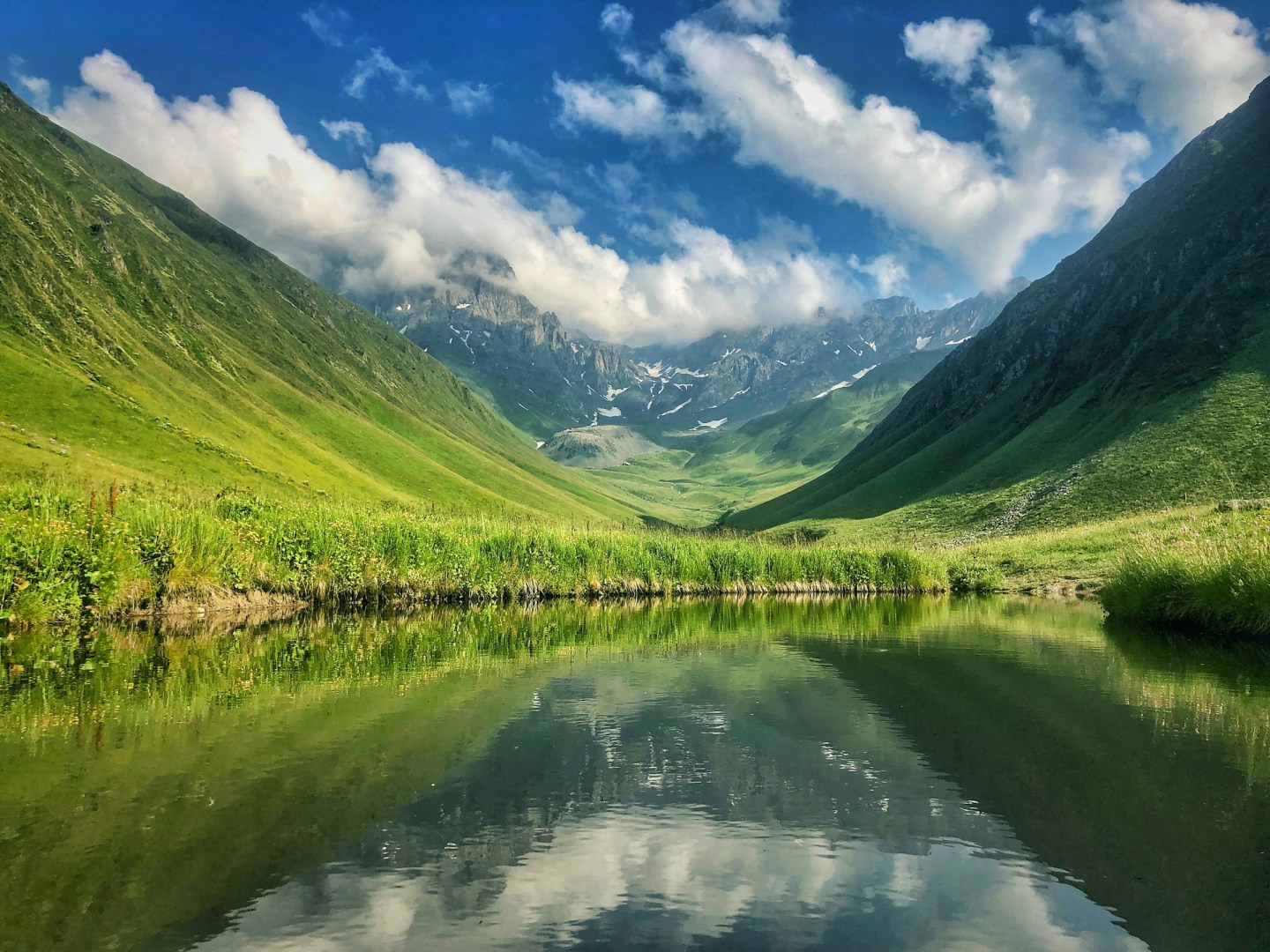
Juta
Juta is a small mountain village in northern Georgia's Kazbegi Municipality, set at roughly 2,150 meters above sea level in the Greater Caucasus. The settlement lies in the Sno Valley beneath the Chaukhi Massif, a group of steep, jagged peaks that form one of the area's defining landscapes. Juta is reached by a mountain road from the village of Sno and is surrounded by alpine meadows, rocky slopes, streams, and high peaks.
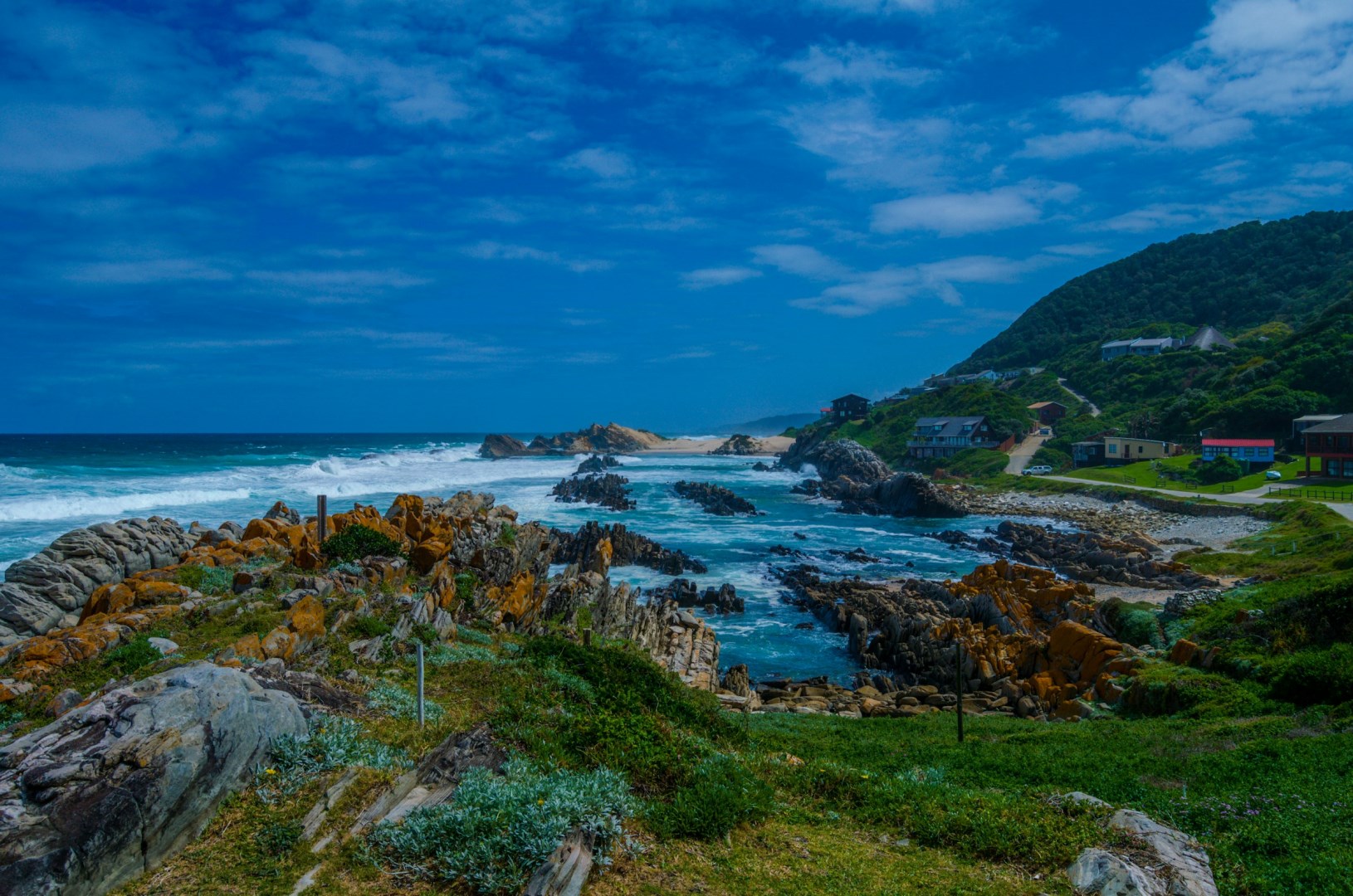
Jeffreys Bay
Jeffreys Bay is a coastal town in South Africa’s Eastern Cape province, situated along the Indian Ocean about 75 kilometres west of Gqeberha.
Port-au-Prince
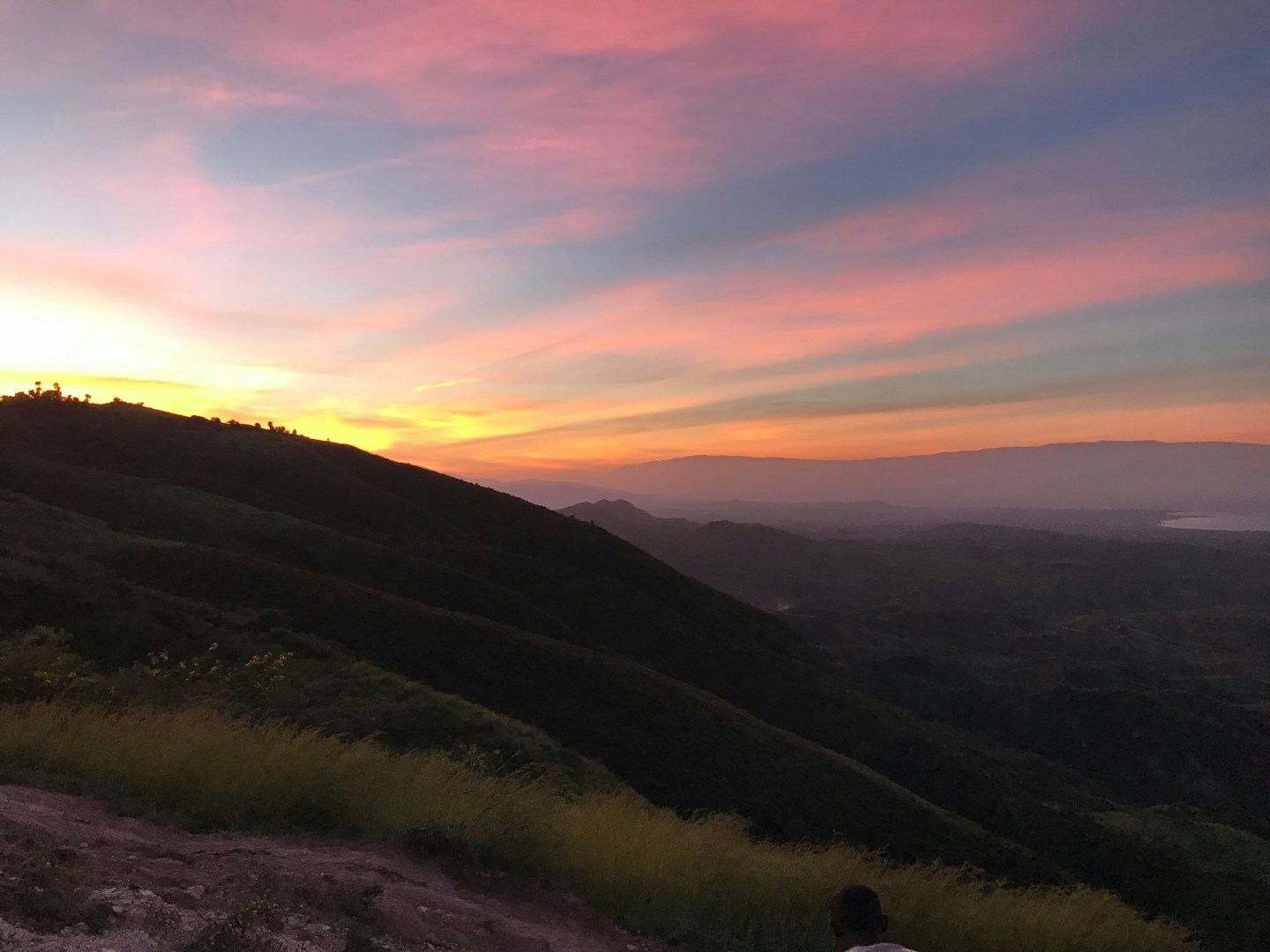
Port-au-Prince in Southwest Haiti is the capital. The country's largest city, commercial center, and chief seaport, it is laid out like an amphitheater around a bay. Founded in 1749 by French sugar planters, it became the colonial capital in 1770, replacing Cap-Haïtien.
