

Puno
Situated on the shore of Lake Titicaca, Puno is referred to as the folkloric capital of Peru due to its artistic and cultural expressions, particularly dance. Notable landmarks include the Andean baroque-style Puno Cathedral and the Yavari, a 19th-century steamship. Products created from alpaca, llama, or sheep wool are a signature of the area, as well as musical instruments like the siku.
Amed
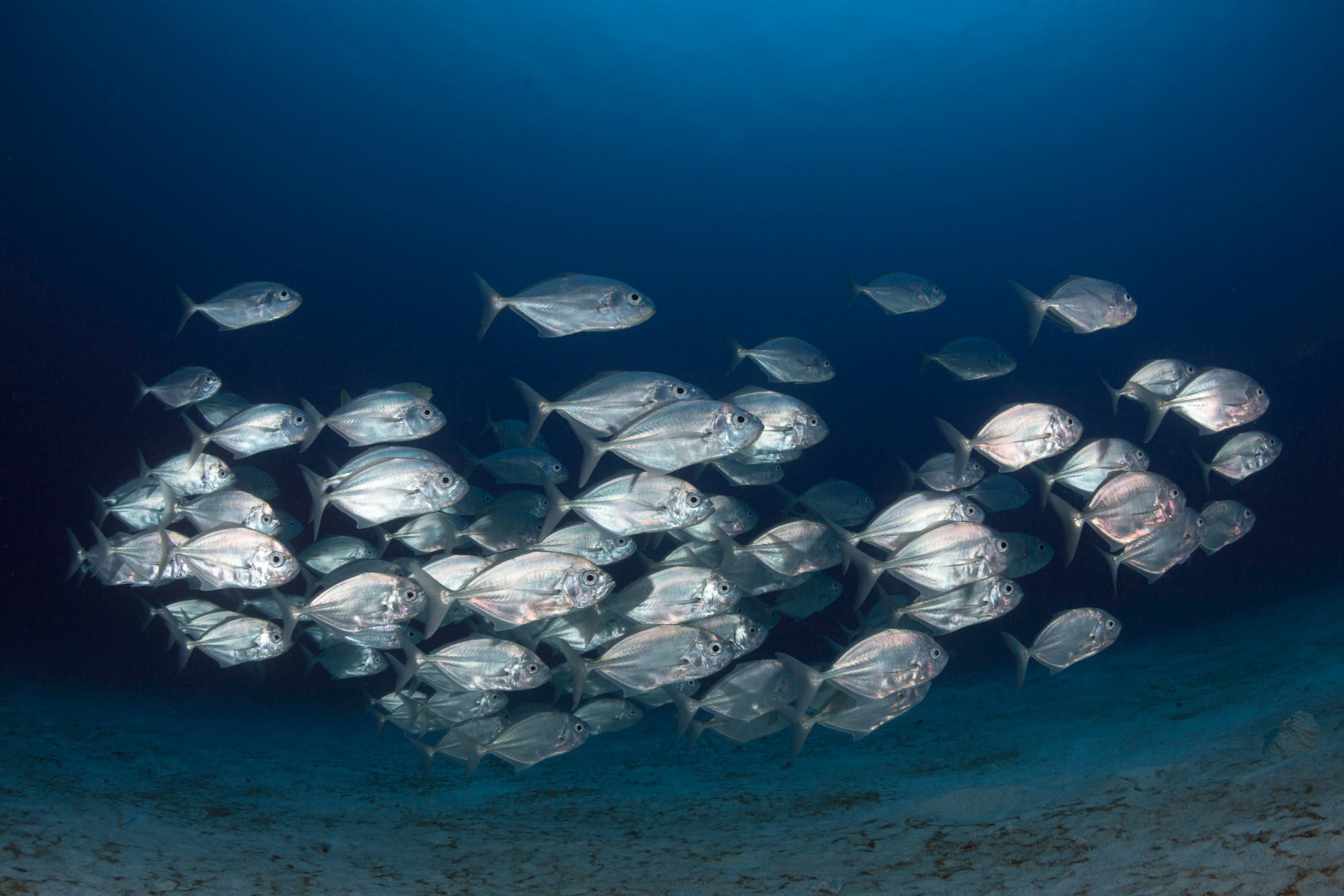
Amed is a coastal area in eastern Bali, Indonesia, stretching along the northeastern side of Karangasem Regency. The area consists of a series of small fishing villages and bays, including Amed, Jemeluk, Bunutan, and Lipah. Its landscape combines black volcanic beaches, dry hills, rice terraces, coconut palms, and views toward the Bali Sea.
Vézelay
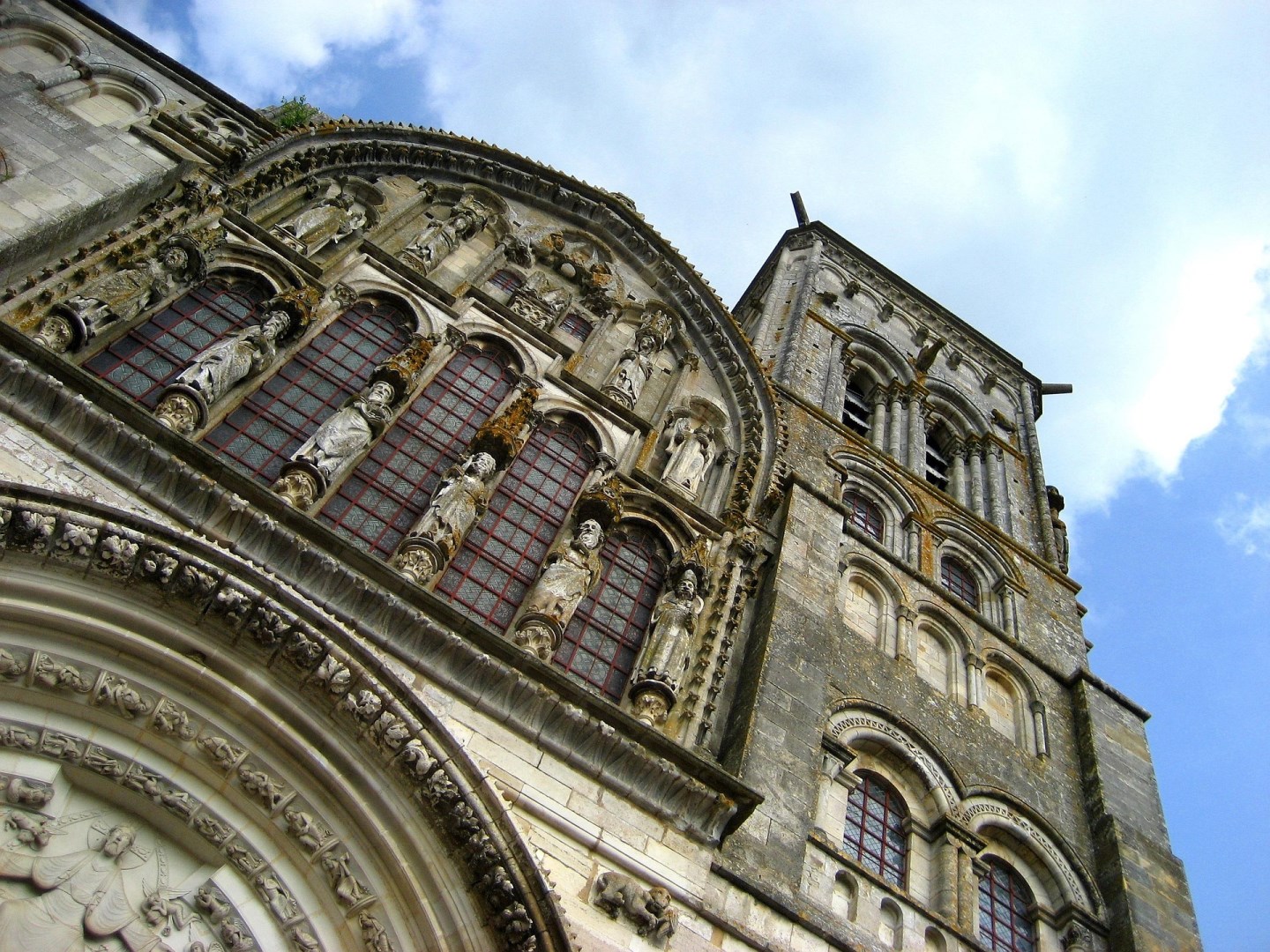
Perched high above Burgundy’s vineyards and fields, Vézelay is defined by its winding stone streets and the great Basilica of Sainte-Marie-Madeleine, a centuries-old destination for Christian pilgrims. Its Romanesque architecture, far-reaching countryside views, and enduring connection to the pilgrimage routes toward Santiago de Compostela give this small hilltop village an unusually rich sense of place.
Fayetteville
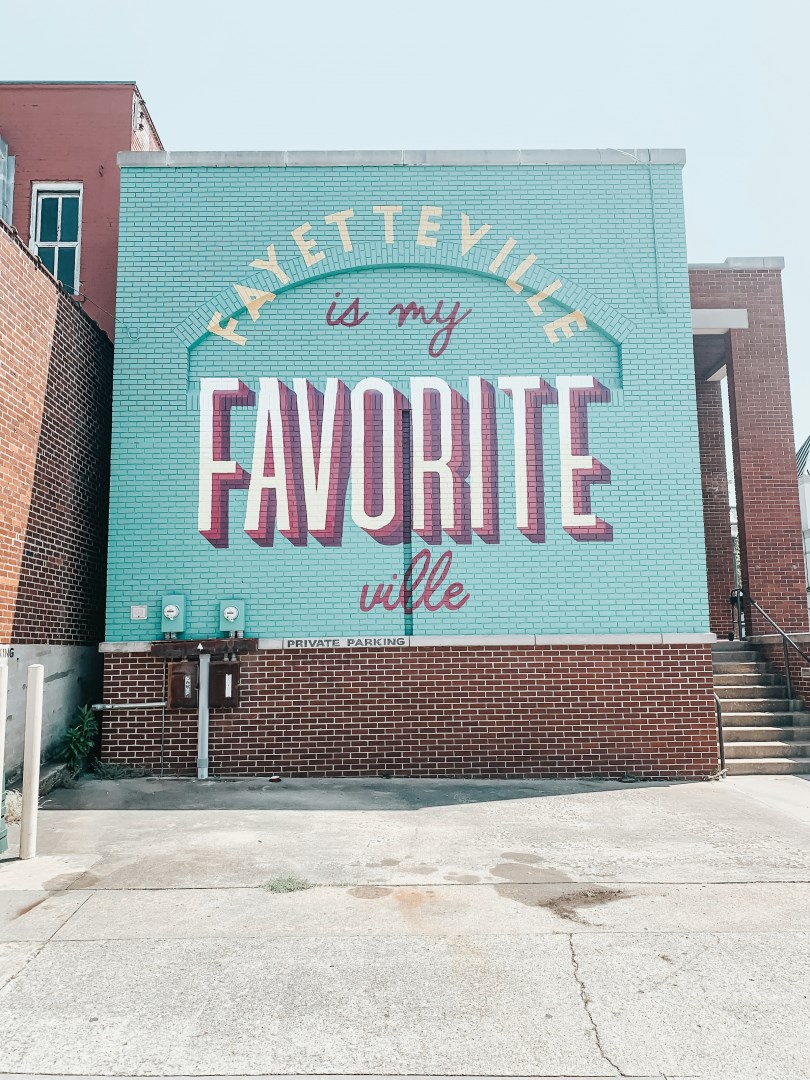
With a population of 125,000, the All-America City of Fayetteville ranks as the sixth largest municipality in North Carolina. In 1949, Fayetteville adopted the council/manager form of government. Under this form of government, citizens are both stockholders and customers, the elected body represents the board of directors, and the manager is the paid professional responsible for the daily operations of the corporation.

Brighton and Hove
Brighton, a vibrant seaside city on England's southern coast, has long been a favorite getaway for those seeking a mix of culture, history, and the sea. Its most famous landmark, the Royal Pavilion, is an architectural wonder with its exotic, Indian-inspired domes and minarets. Originally built for King George IV as a lavish seaside retreat, the palace today offers visitors a glimpse into royal opulence with its richly decorated interiors and sprawling gardens.
