
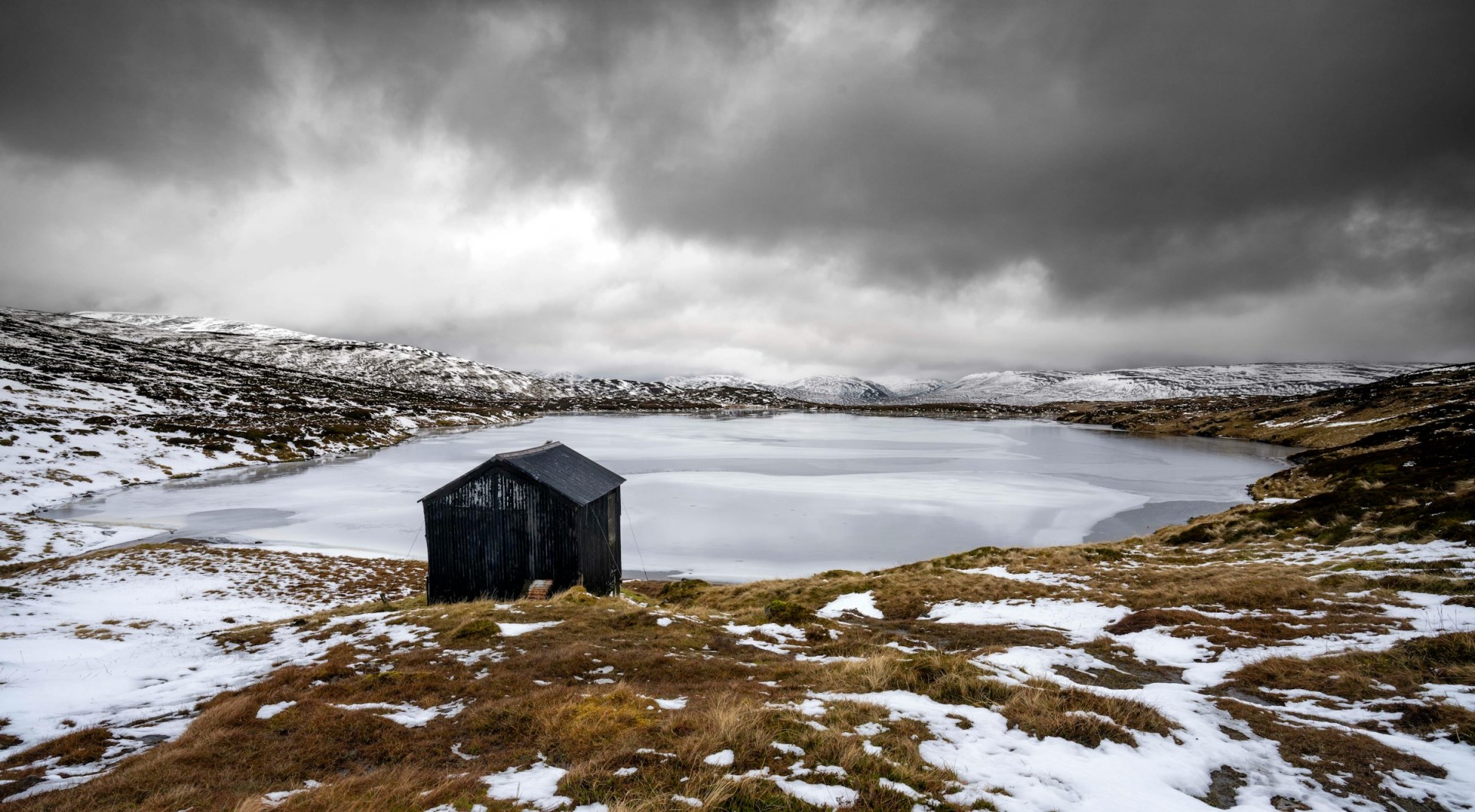
Perth
Perth is an historical town as well as very beautiful. There are outdoor sports such as golf and hunting available as well as lovely walking trails.

Weissenkirchen
Weissenkirchen is a charming Austrian town on the banks of the Danube. Surrounded by vineyards and wineries, Weissenkirchen is a delightful stop for European river cruises.
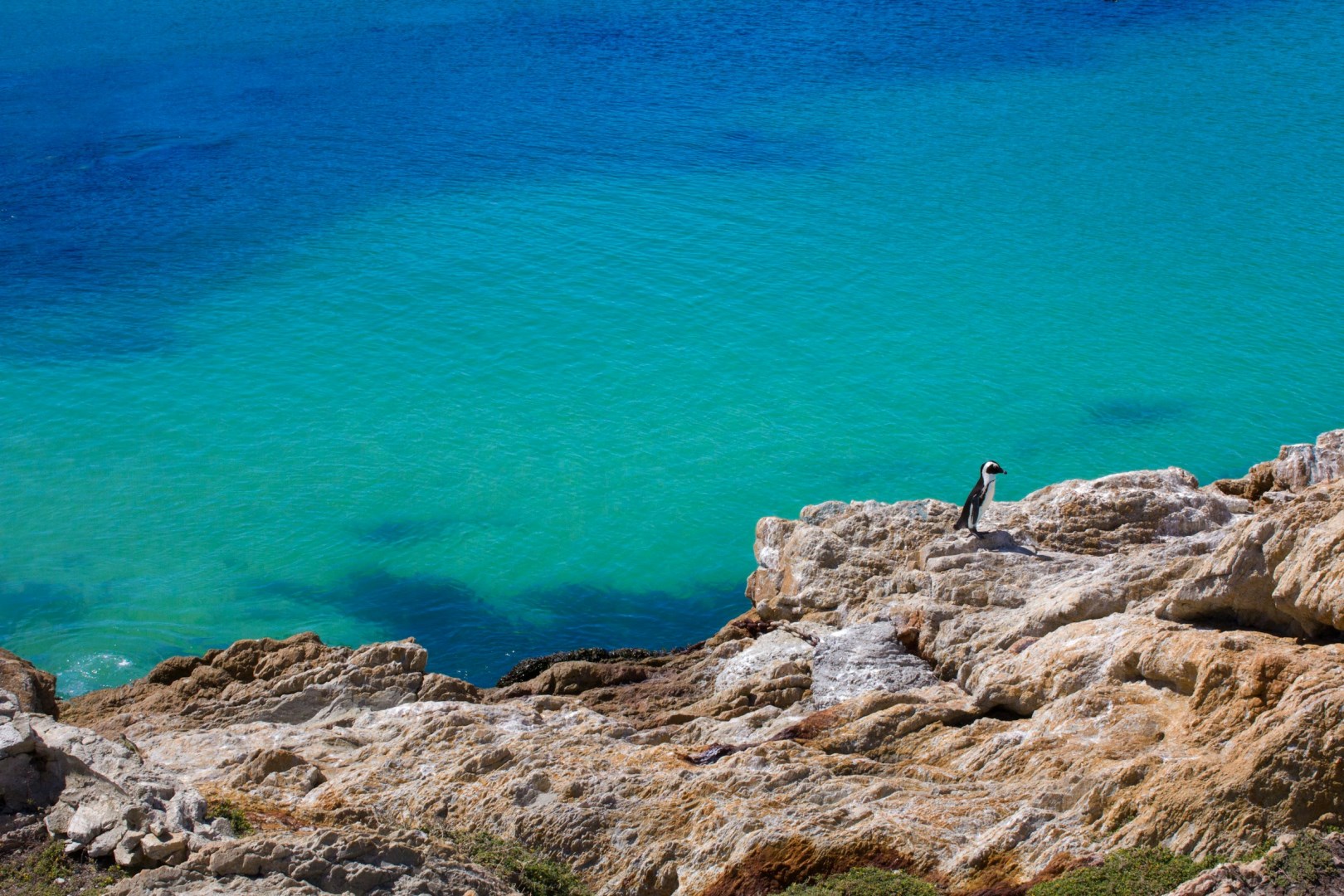
Betty's Bay
Betty’s Bay is a small coastal village in South Africa’s Western Cape, situated between the Kogelberg mountains and the Atlantic Ocean along the scenic Clarence Drive. The village is surrounded by fynbos-covered hills, rocky coastline, sandy beaches, and wetlands, giving it a setting strongly shaped by the Cape’s distinctive vegetation. Betty’s Bay lies within the Kogelberg Biosphere Reserve, an area recognized for its exceptional plant diversity. The settlement is quieter and less urbanized tha
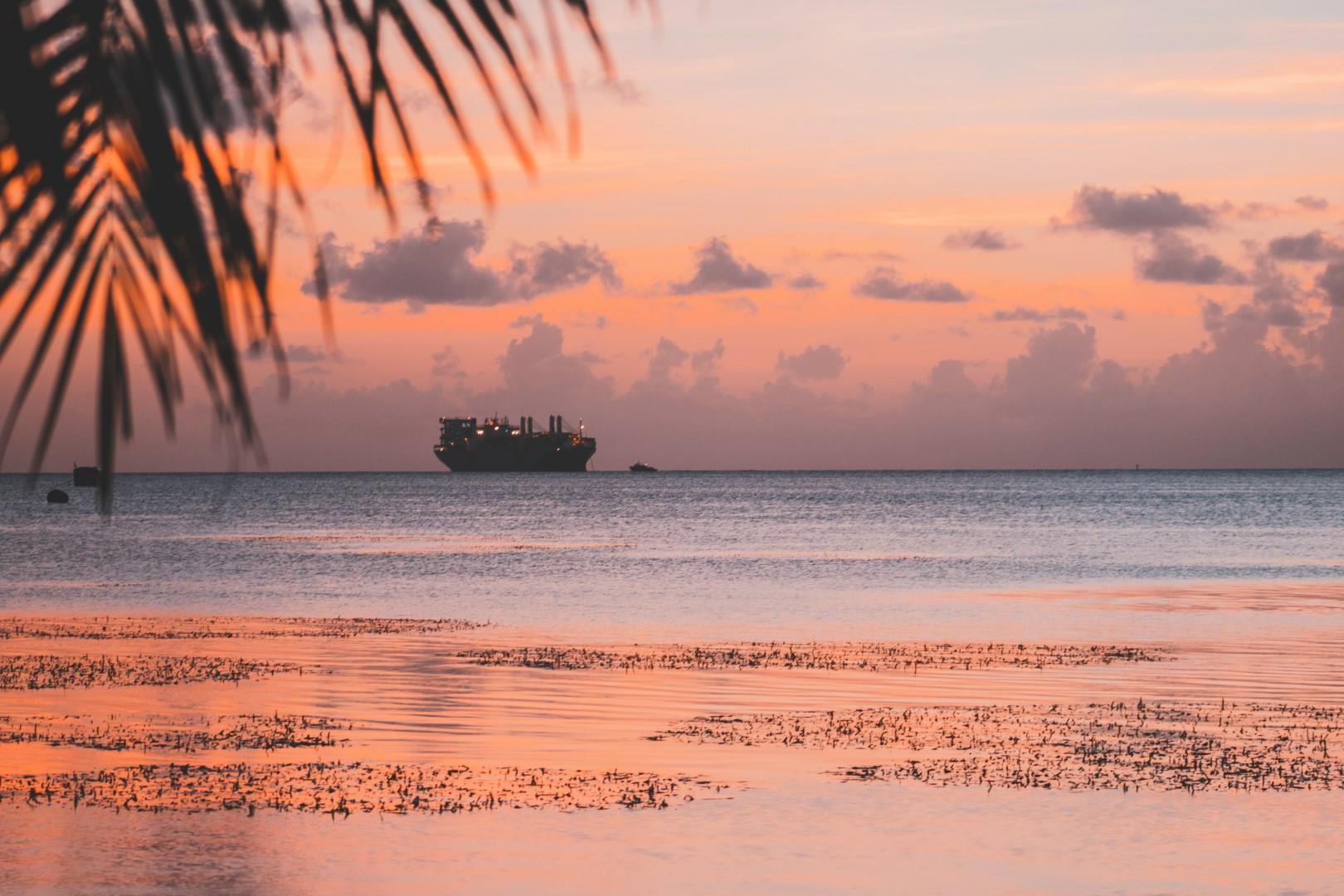
Saipan Island
Saipan, the largest of the Northern Mariana Islands, offers a rare combination of deep historical roots, island traditions, and dramatic landscapes. Located in the western Pacific, this U.S. territory was once the site of one of the most pivotal battles in the Pacific during World War II. Visitors today can explore the remains of bunkers, tanks, and hidden caves at sites like Suicide Cliff, Last Command Post, and the American Memorial Park.
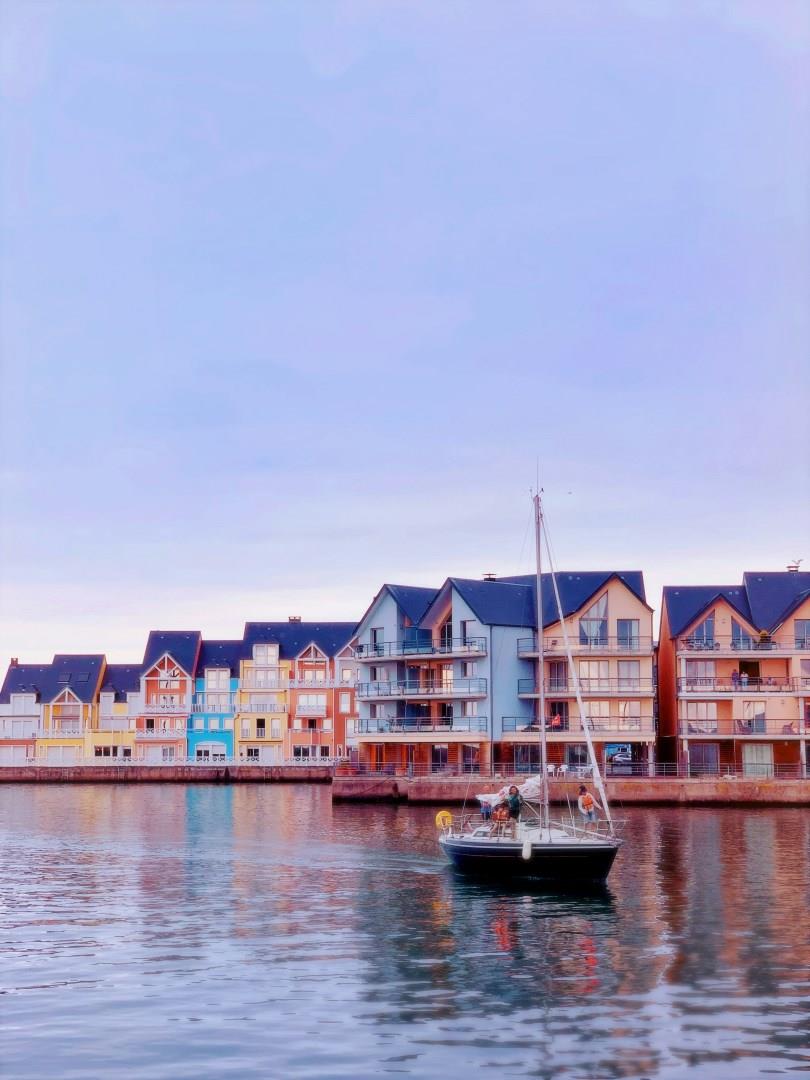
Deauville
Deauville sits on the Normandy coast of northern France and has long been associated with seaside leisure, elegance, and cultural life. Developed in the mid-19th century as a resort for Parisian society, the town quickly became a place where architecture, fashion, and social rituals shaped its identity.
