
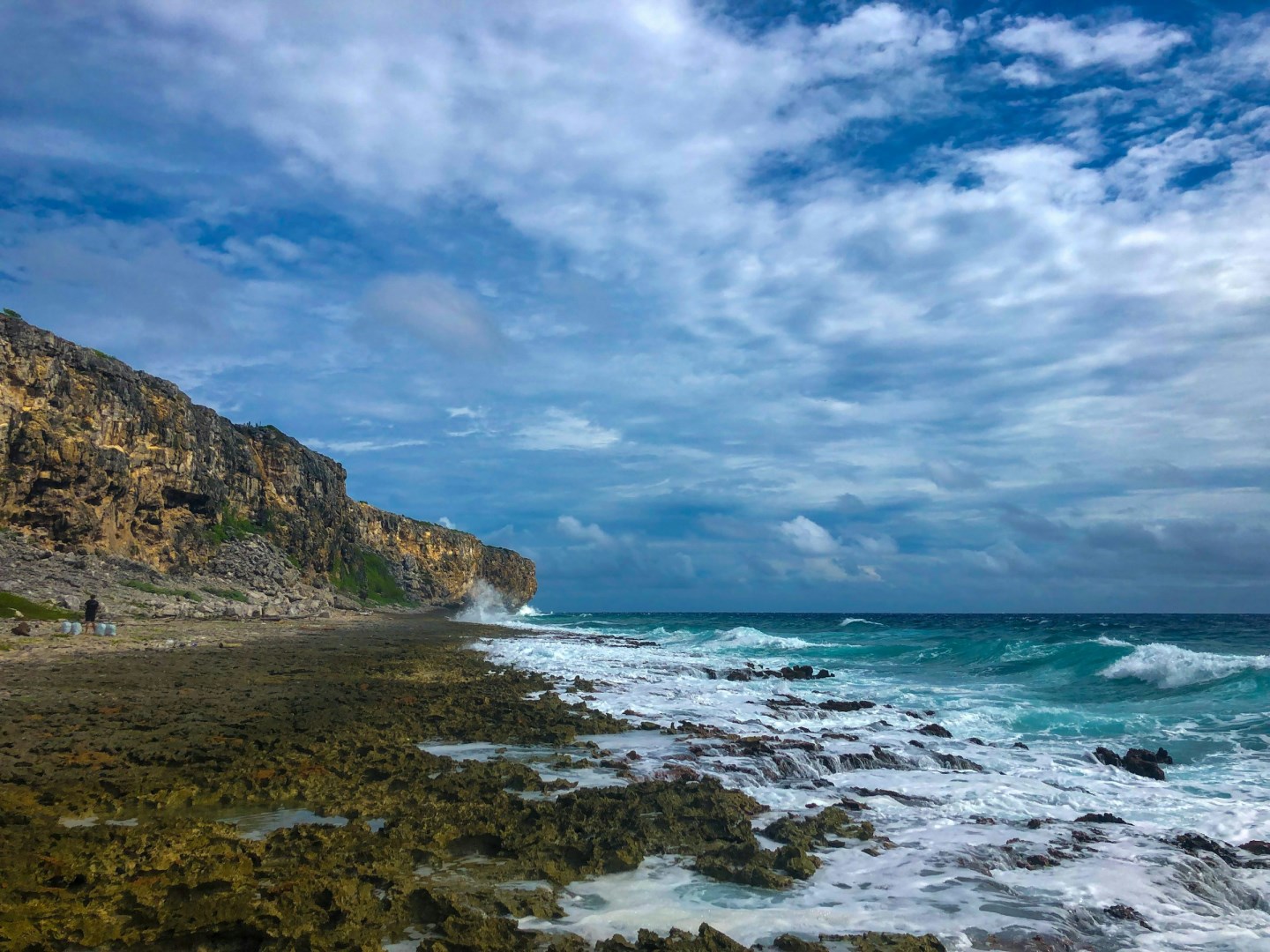
Cayman Brac
One of the Cayman Islands northwest of Jamaica. It is under British rule and is famous for its clear waters and excellent scuba diving.

Tenerife Island
Tenerife is the largest isle of the Canary Islands archipelago. Famous for its black and yellow sand beaches as well as Mt. Teide, the dormant volcano that looms over the island.

Serbia
Serbia is a country where centuries-old monasteries sit just a short drive from lively cities, and where the past is never far from daily life. In Belgrade, the capital, Kalemegdan Fortress offers panoramic views where the Danube meets the Sava River. This fortress has witnessed more than 100 battles and been rebuilt many times over two millennia. Within its walls are Roman ruins, an open-air military museum, and quiet park paths perfect for wandering between centuries of layered history.
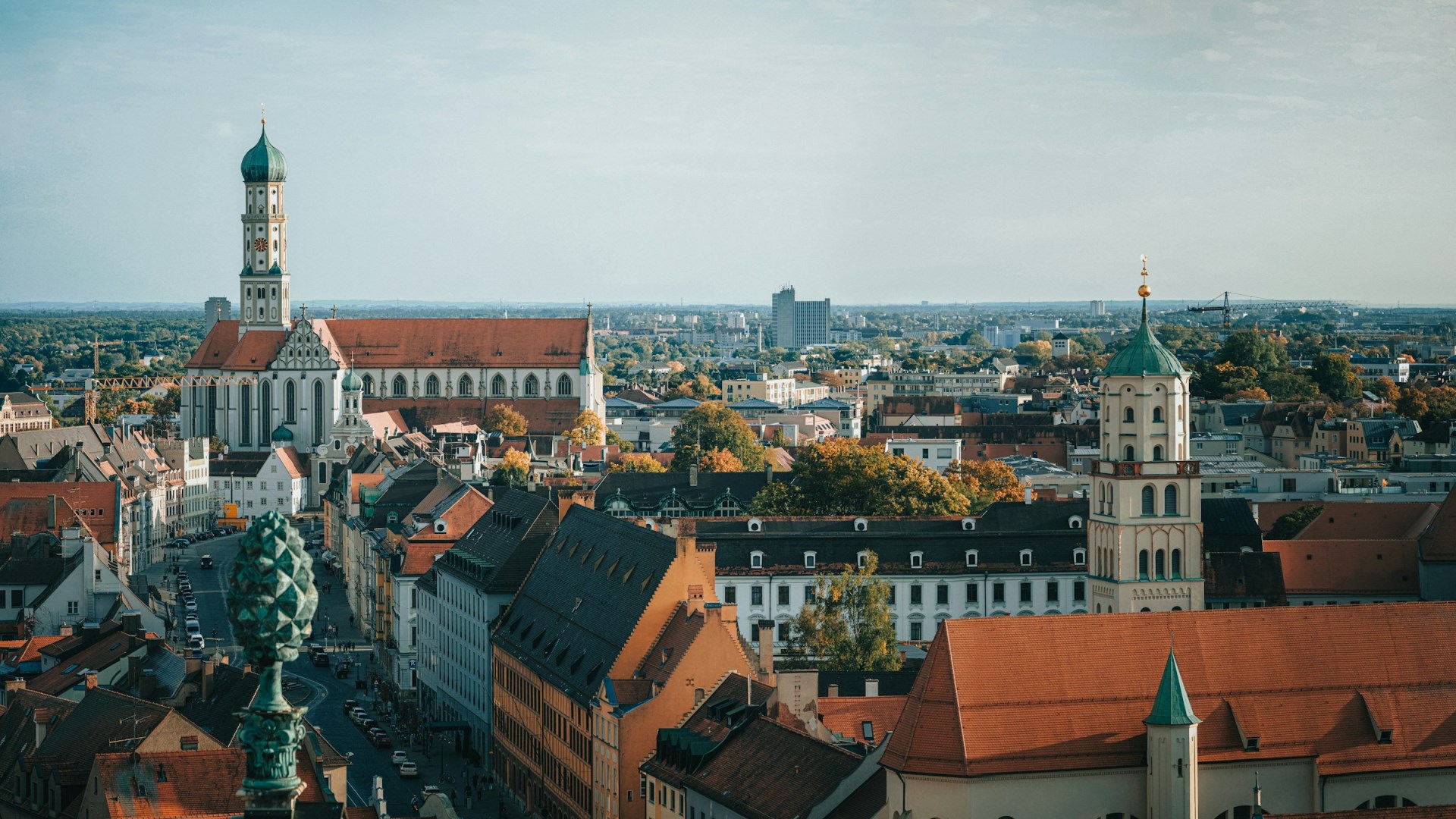
Augsburg
Augsburg was founded in 15 BC under the rule of the Roman emperor Augustus. For 400 years the city was the seat of a provincial government of the Roman empire. Its ideal location made it a crossroad of all important routes to the south. An advantage from which the powerful merchants and bankers, the Fugger family and the seafaring Welsers, likewise profited. They elevated Augsburg to rank among the world's most powerful cities. Kings and emperors were frequent guests here.

Hong Kong
Hong Kong is one of the few places in the world where a 700-year-old fishing village sits minutes away from the headquarters of international banks. Once a British colony and now a Special Administrative Region of China, the city carries traces of Cantonese, colonial, and global influences in its streets, rituals, and food. The city has more than 300 hiking trails, including the well-known Lion Rock hike, which ends at a dramatic cliff overlooking Kowloon’s dense skyline.
