

Stonehenge
Stonehenge, one of the world's most iconic prehistoric monuments, stands proudly on the Salisbury Plain in Wiltshire, England. This enigmatic stone circle, believed to have been constructed between 3000 BC and 2000 BC, has captivated archaeologists, historians, and travelers alike for centuries.
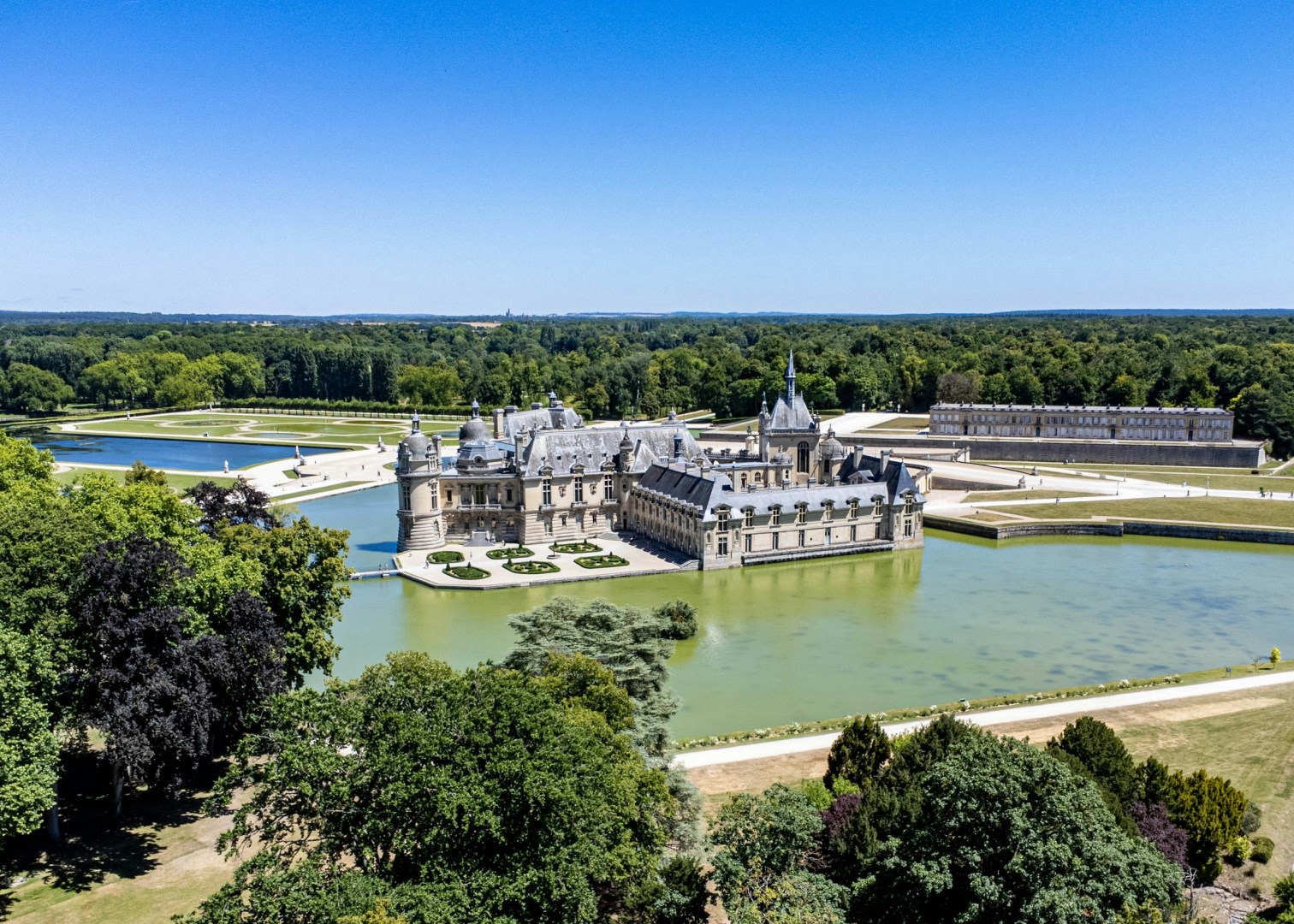
Chantilly
Chantilly is a town north of Paris in the Oise department, surrounded by extensive forests and closely associated with the Château de Chantilly. The château complex combines a grand Renaissance-style palace, the Petit Château, formal gardens, waterways, and the Great Stables, creating a distinctive cultural landscape. Chantilly's forest is crossed by walking and riding paths, while the town itself contains elegant streets, historic buildings, and areas of open parkland.

Melk
Nestled along the south bank of the Danube, this historical Austrian city bursts with charm. A favorite stop on European river cruises, the city's most famous attraction is Melk Abbey, which dates back to the 11th century. The original Benedictine structure was lost to fires and foreign invasion, then rebuilt during the 18th century in lavish Baroque style, including a library and inner church covered in magnificent frescoes and gilded fixtures.
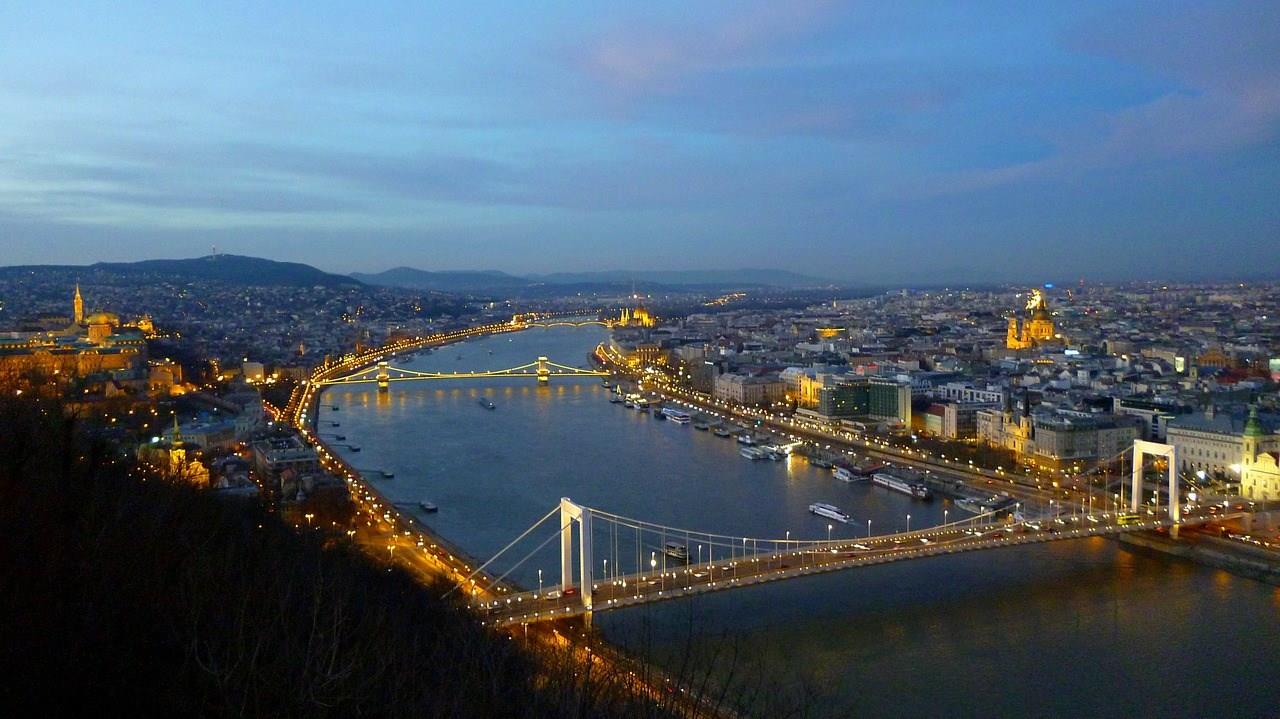
Danube
Coursing through 10 countries, the Danube is the second-longest river in Europe. This waterway, lined with fortresses and castles, rises in Germany's Black Forest and runs for 1,770 miles to the Black Sea. The Danube is an essential commercial thoroughfare for central and southeastern Europe, and several river cruise companies sail vessels on it year-round. Destinations along this river include Vienna, Budapest, Passau and Bratislava.

Sumbawa Island
Located between Lombok and Flores in the Lesser Sunda chain in the Indian Ocean.
