

Isafjördur
Gaze in awe at the majestic beauty of Icelandic fjords in Isafjordur, a small and remote fishing village on the coast of Iceland. Once a hub for maritime activities, Isafjordur is now a cultural center and offers a variety of museums to immerse you in the culture and history of the region.
Asmara
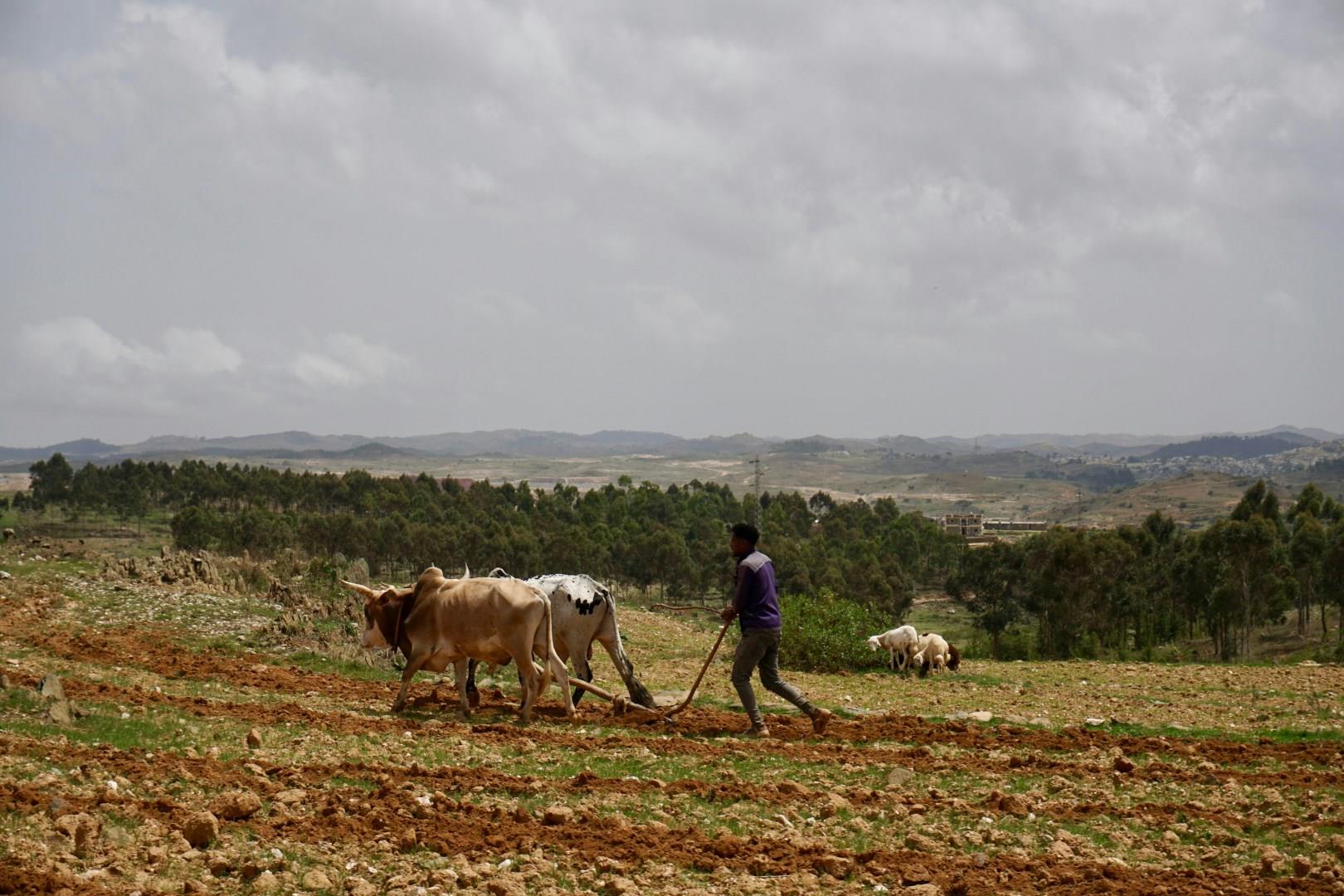
Asmara, the capital of Eritrea, is a city where time seems to have paused in the mid-20th century. Known for its remarkably preserved Italian modernist architecture, the city has earned recognition as a UNESCO World Heritage Site.
Peso da Regua
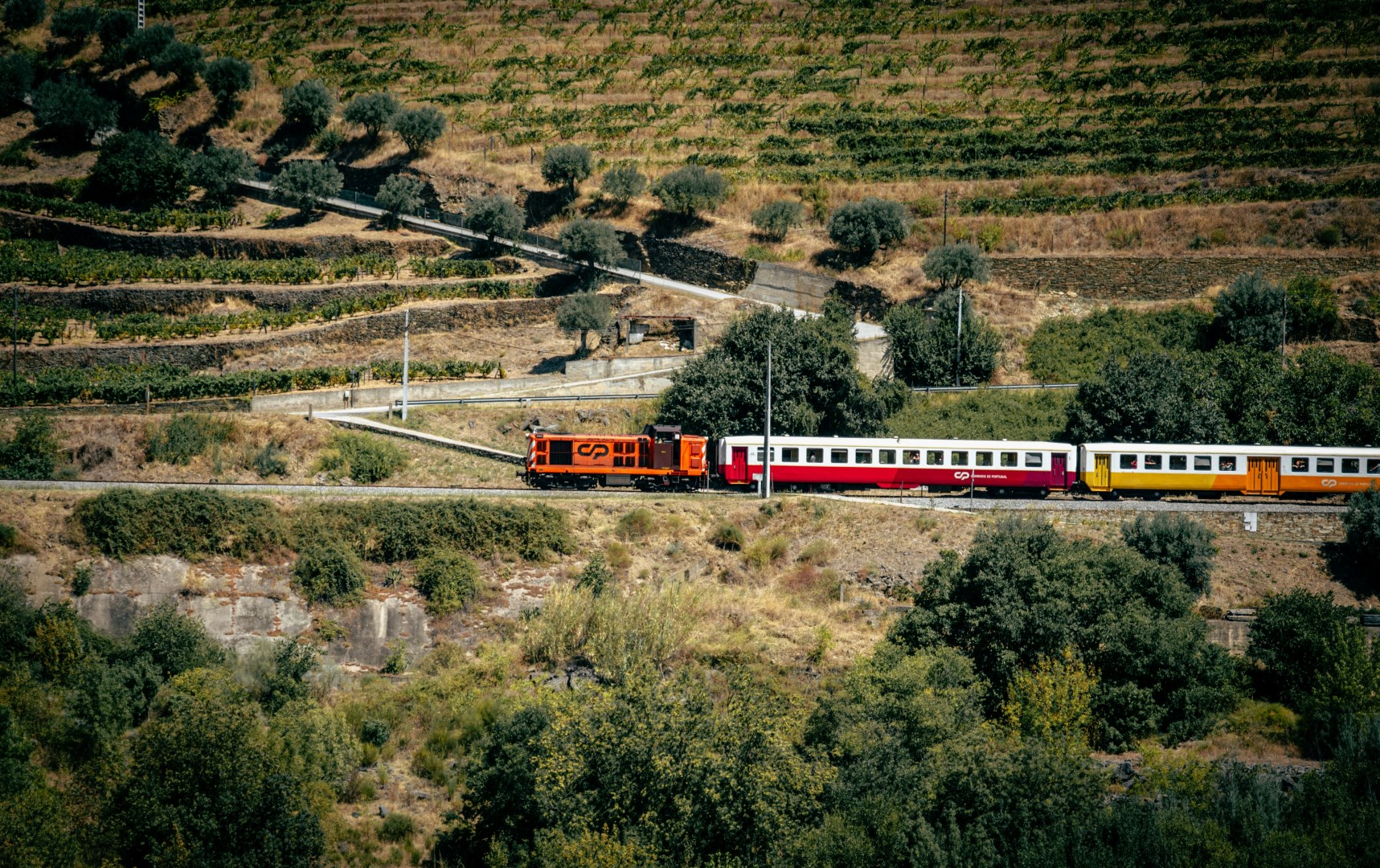
Peso da Régua, often called the gateway to Portugal's Douro Valley, sits along the banks of the Douro River and is surrounded by steep, terraced vineyards. The town has long been central to the production of the world-famous Port wine, and visitors can explore the rolling hills covered with neatly arranged grapevines that climb dramatically from the river’s edge. The town itself offers a quiet riverside charm, with narrow streets, historic buildings, and scenic viewpoints.
Erfurt
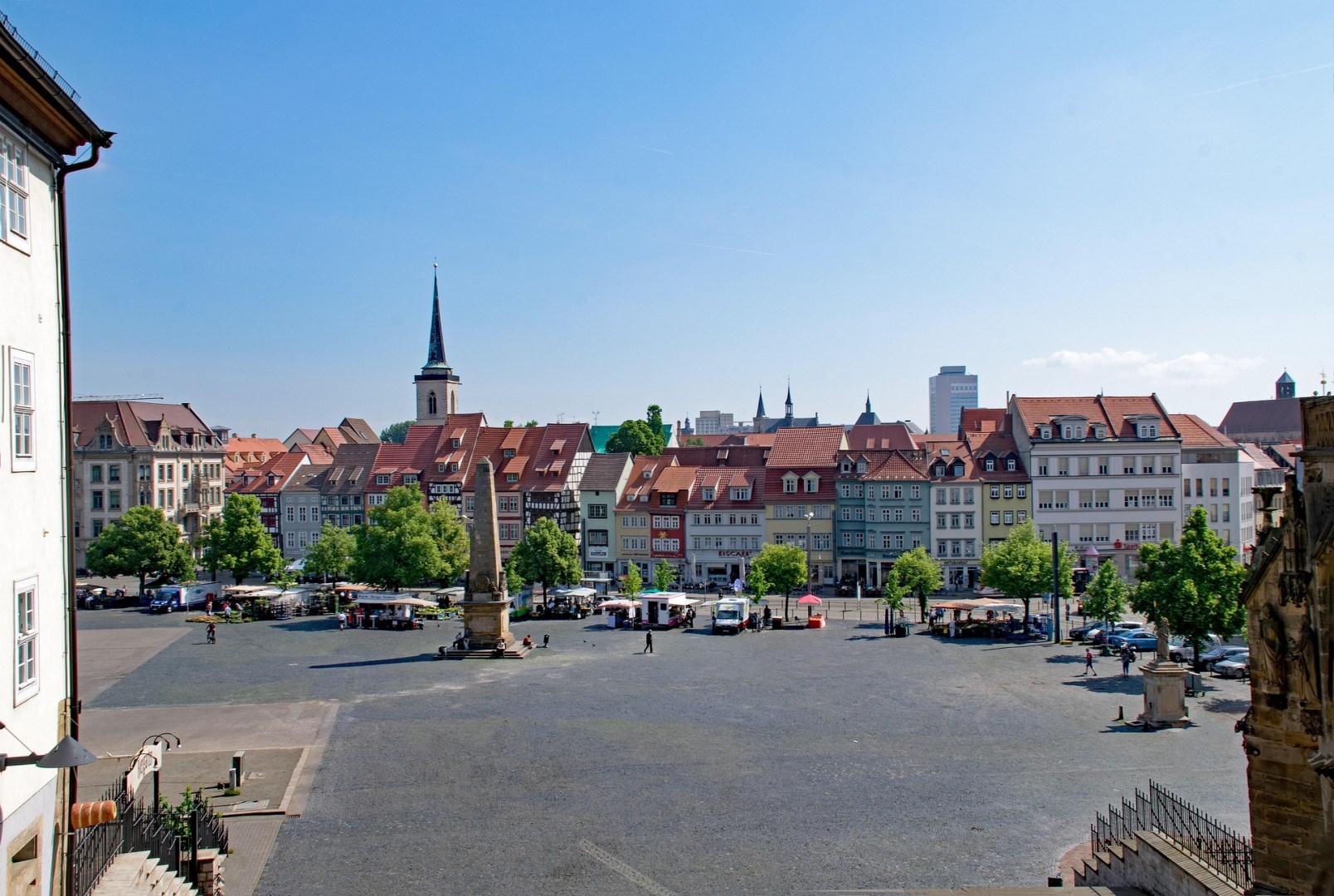
The skyline of Erfurt is shaped by dozens of churches, monasteries, and convents thrusting their pointed steeples upward to the sky. In the Middle Ages, Erfurt was known as "Thuringian Rome" because of its religious orders. The impressive twin churches on the Domberg (Cathedral Hill), the Roman Catholic St. Mary's Cathedral (14th century) and the Roman Catholic Parish church St. Severus with a flight of 70 outdoor steps leading from the Cathedral Square up the hill to the churches.
Pitlochry
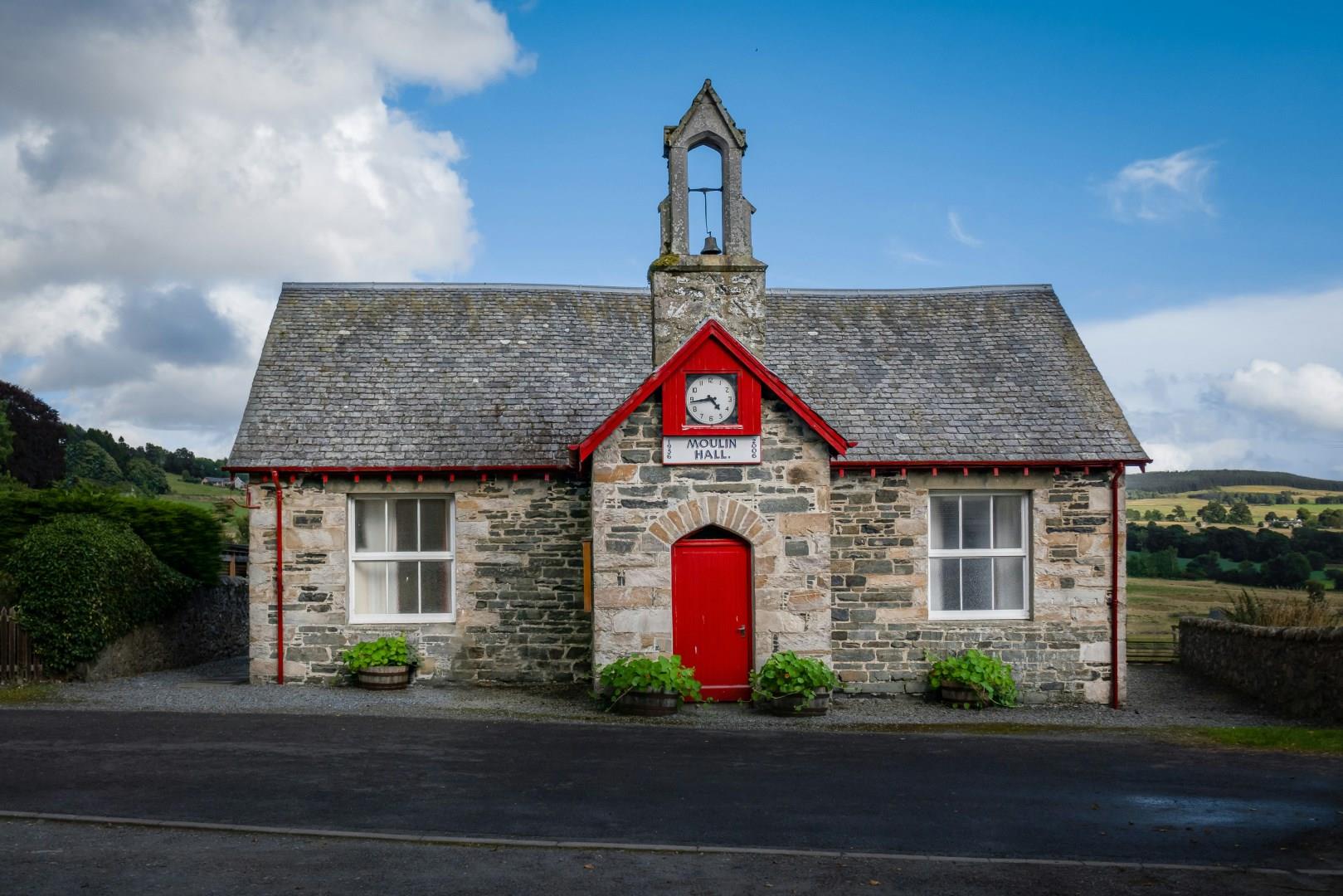
Pitlochry, a charming town in the heart of the Scottish Highlands, is celebrated for its Victorian architecture, scenic surroundings, and welcoming atmosphere.
