

Kimberley
Whether trekking through rugged landscapes, cruising through river gorges, or learning about one of the world’s oldest cultures, the Kimberley offers a truly unique experience. It's a destination unlike any other, where nature and history come together in one of Australia’s most extraordinary regions.
Narvik
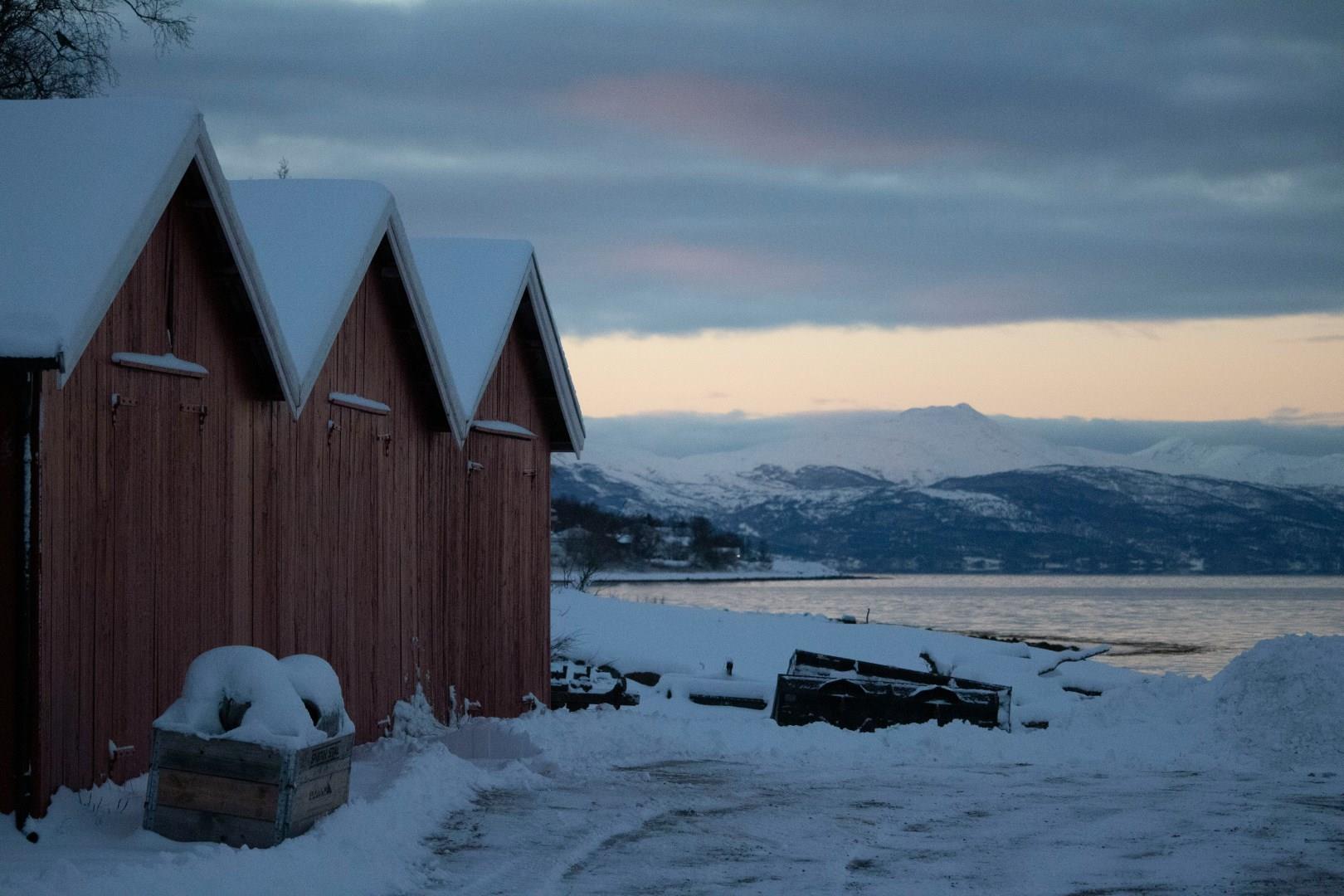
Narvik’s most striking features is its natural setting. The town sits between steep fjords and rugged mountains, making it one of the few places in Norway where visitors can ski with ocean views. Narvikfjellet, the local mountain resort, operates in both winter and summer. During the colder months, it's popular for alpine skiing and northern lights viewing; in summer, the gondola runs for hikers and photographers eager to take in views of the Ofotfjord from the summit.

Cumbria
Cumbria, a captivating region in northwest England, is a dream destination for nature lovers, adventure seekers, and history enthusiasts alike. Home to the iconic Lake District National Park, Cumbria is renowned for its breathtaking landscapes of serene lakes, rugged mountains, and charming villages. Visitors can explore the park's famous lakes, like Windermere and Ullswater, on scenic boat rides or venture into the fells for exhilarating hikes.
Wilmington
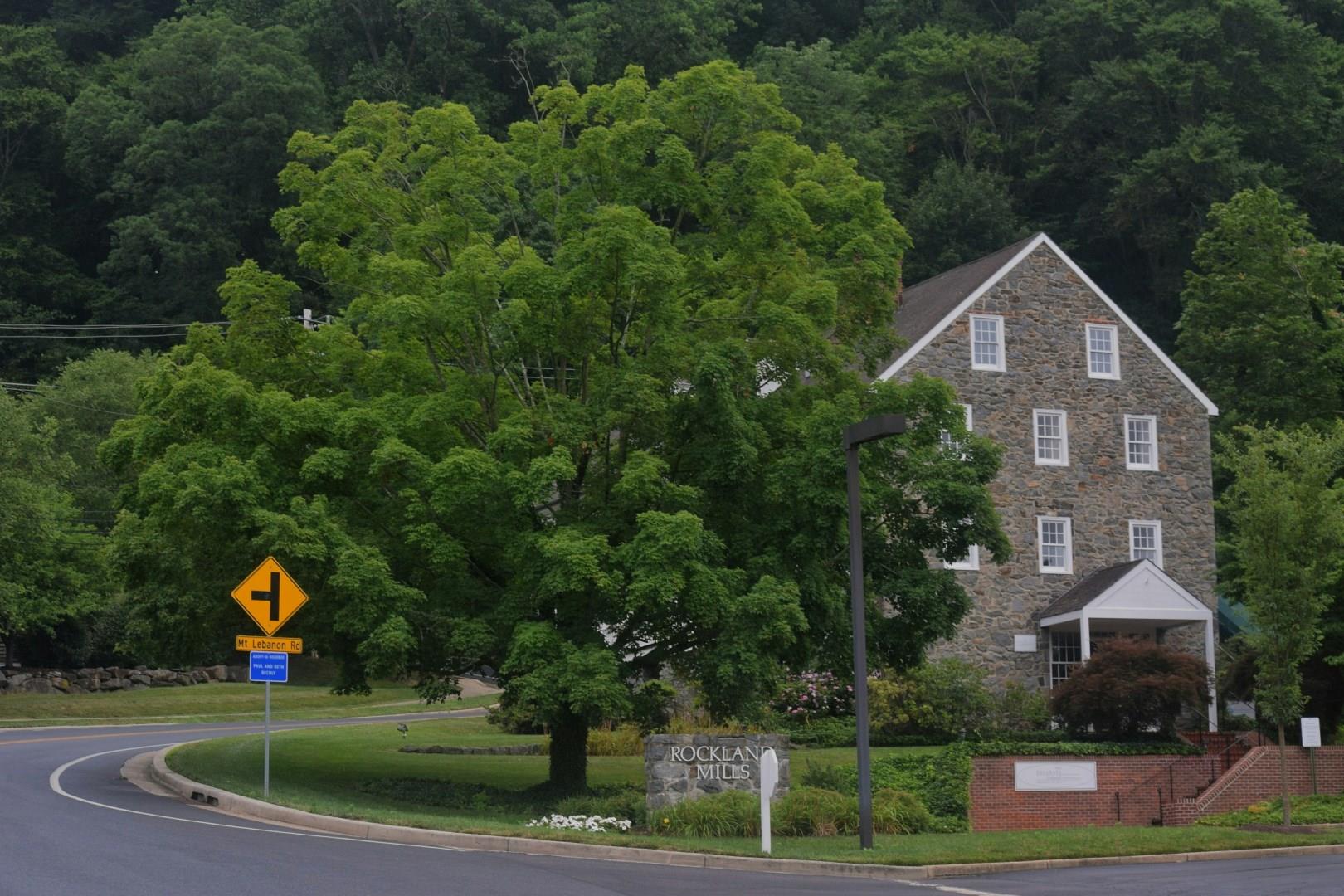
Wilmington, Delaware, offers a dynamic blend of history, culture, and natural beauty, making it a compelling destination for travelers. Situated along the scenic Christina River, Wilmington is home to a variety of attractions that range from historical landmarks to vibrant arts districts. One of the city’s most significant historical sites is the Hagley Museum and Library, which showcases the legacy of the DuPont family and their role in America’s industrial revolution.

Osaka
Osaka is a city that thrives on contrasts with centuries-old castles sit just blocks from neon-lit arcades and high-speed trains. Once known as “Japan’s kitchen” during the Edo period, Osaka played a key role in rice trading and food distribution across the country. Today, visitors can walk the grounds of Osaka Castle, originally built in the 16th century by Toyotomi Hideyoshi, and take in panoramic city views from the top floor of its museum.
