
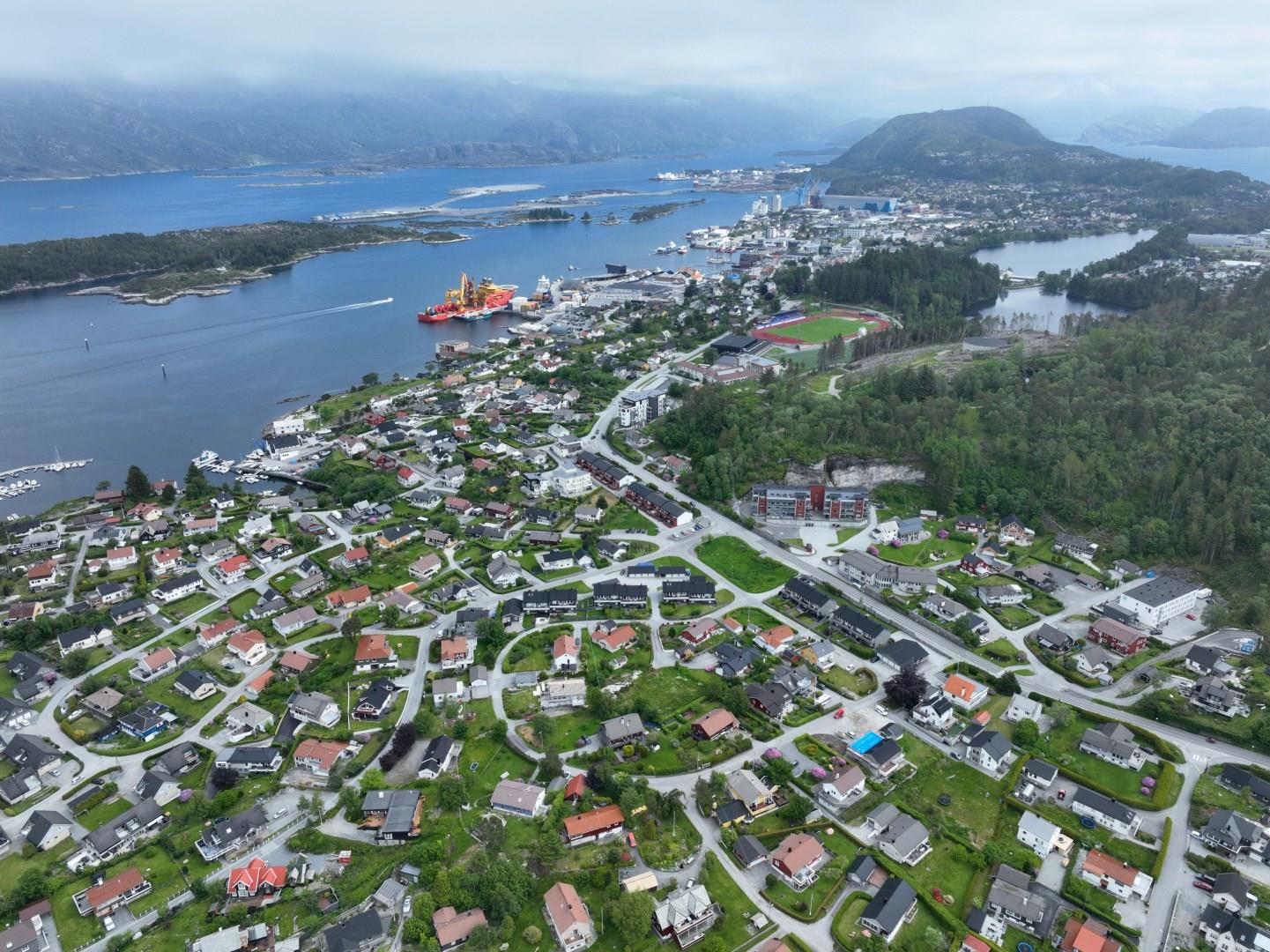
Florø
Florø, the westernmost town in Norway, sits right at the edge of the sea as a small, coastal town with deep maritime roots and front-row views of the North Atlantic. Established in 1860 as a herring fishing hub, Florø still carries the rhythm of the ocean in daily life. Though small in size, the town serves as a jumping-off point to explore the rugged coastline, scenic fjords, and a collection of islands that each have their own stories and scenery.

Porto Santo Stefano
Porto Santo Stefano features two main ports which serve as gateways to the nearby Tuscan Archipelago. Visitors can enjoy the crystal-clear waters and pristine beaches, perfect for swimming and snorkeling.
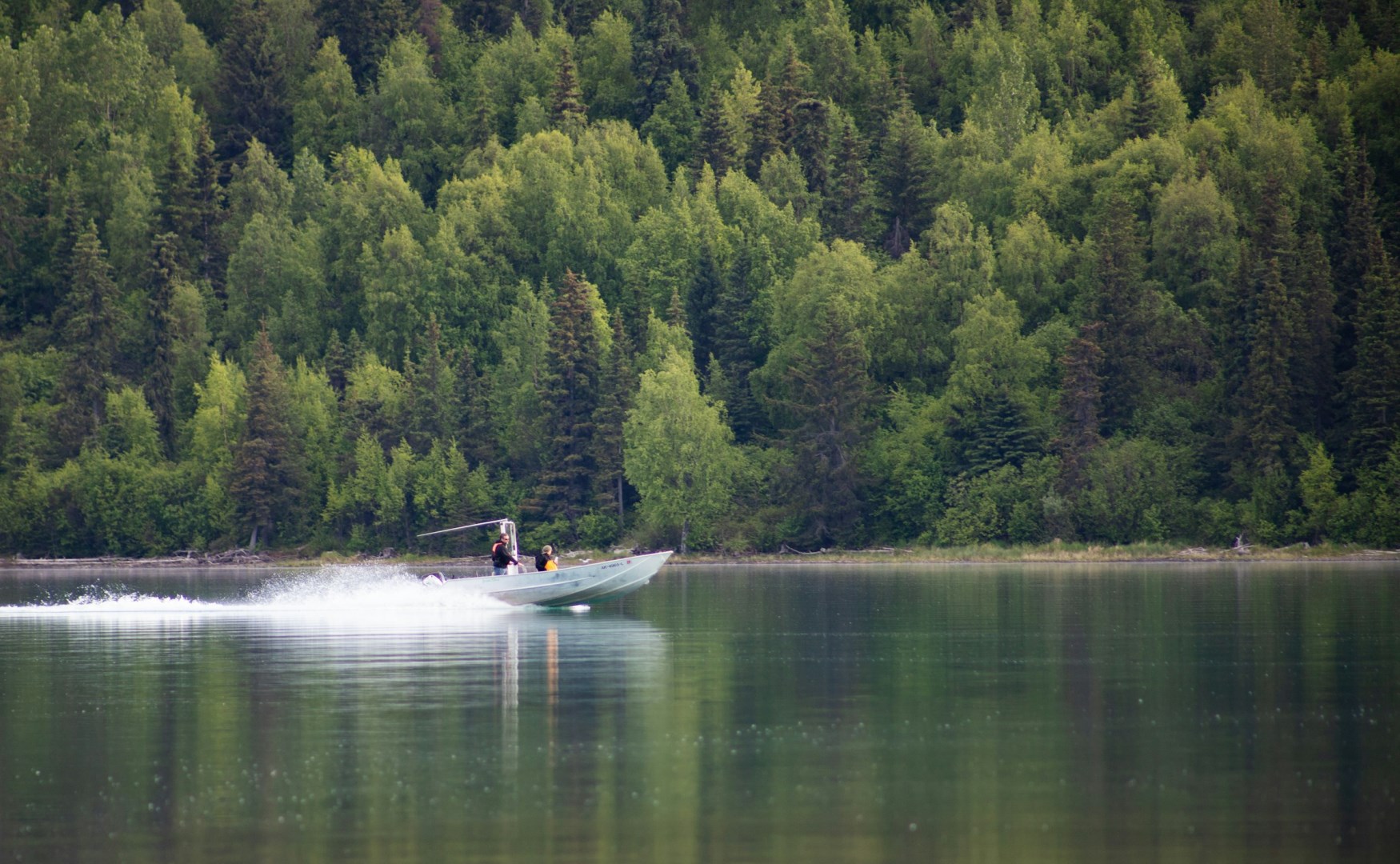
Kenai Peninsula
The Kenai Peninsula extends southwest from Anchorage into the Gulf of Alaska and is one of south-central Alaska’s most varied regions. Its landscape includes the Kenai Mountains, coastal forests, glaciers, broad river valleys, lakes, and a long shoreline along both Cook Inlet and the Gulf of Alaska. Communities such as Kenai, Soldotna, Seward, Homer, and Cooper Landing serve different parts of the peninsula, while the Kenai River and numerous smaller waterways connect the interior to the coast.
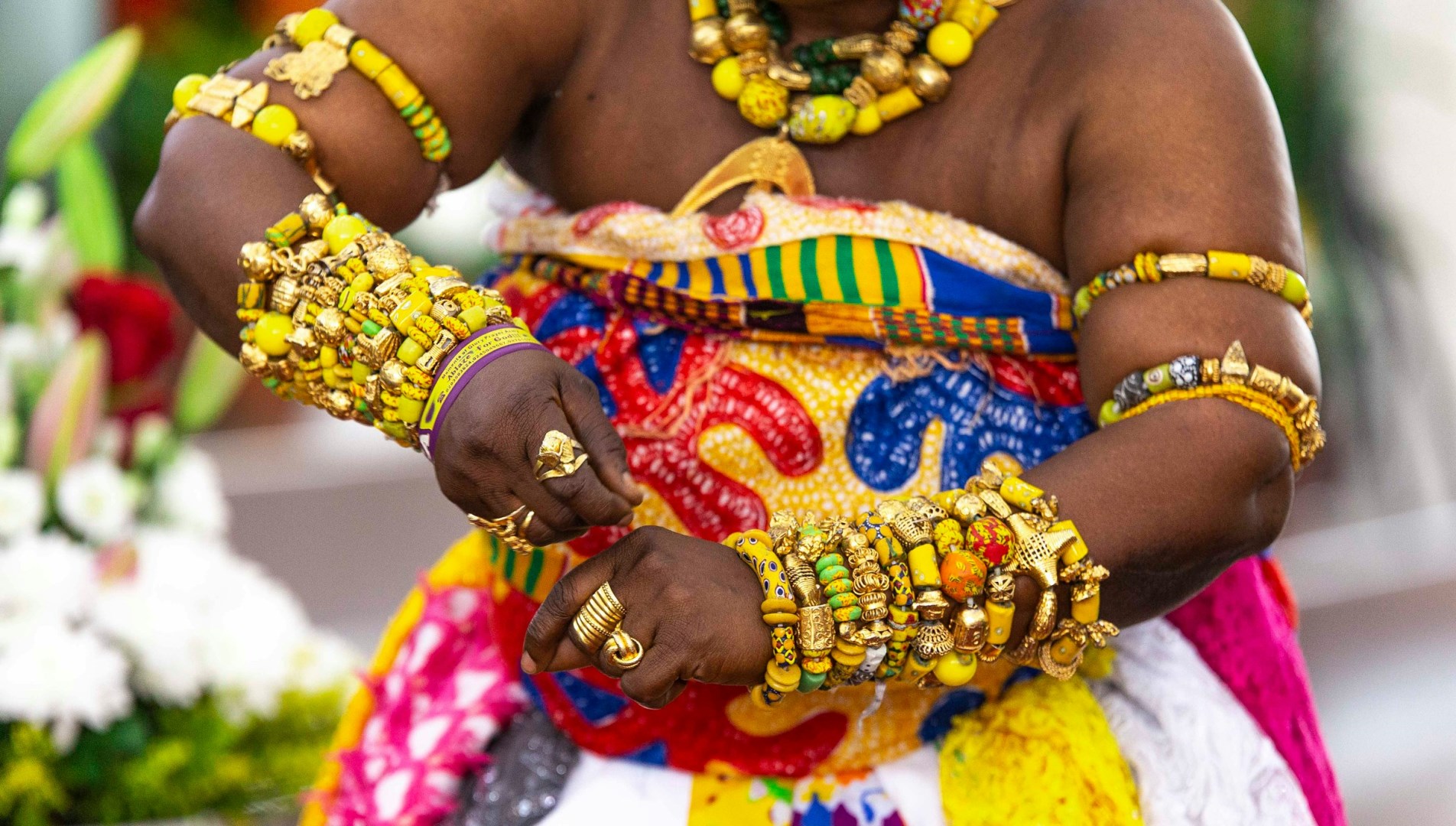
Kumasi
Kumasi is the capital of Ghana’s Ashanti Region and one of the country’s main cultural centers. Often called “Oseikrom” by locals, the city is closely connected to the traditions of the Ashanti Kingdom and remains an important place for trade, ceremonies, and craftsmanship.

Boracay
Boracay, a small island in the central Philippines, is famous for its white-sand beaches and clear turquoise waters. Despite its size, the island offers a wide range of activities, from swimming and snorkeling to paddleboarding and sailing.
