

Dominica
Dominica, known as the “Nature Island of the Caribbean,” is a haven for eco-tourists and adventure seekers. Nestled between the French islands of Guadeloupe and Martinique, this lush island boasts a remarkable landscape of volcanic mountains, dense rainforests, and stunning waterfalls. Dominica’s most iconic natural wonder is the Boiling Lake, the second-largest hot spring in the world.

Ol Doinyo Lenga
Ol Doinyo Lengai, often called the "Mountain of God," is an active volcano located in northern Tanzania and is a must-visit for adventurous travelers. Towering over the Great Rift Valley, this majestic peak is unique due to its lava composition. Unlike most volcanoes that produce molten lava, Ol Doinyo Lengai emits natrocarbonatite lava, which is unusually cool and flows like water. This rare phenomenon makes it one of the most intriguing volcanic landscapes on Earth.
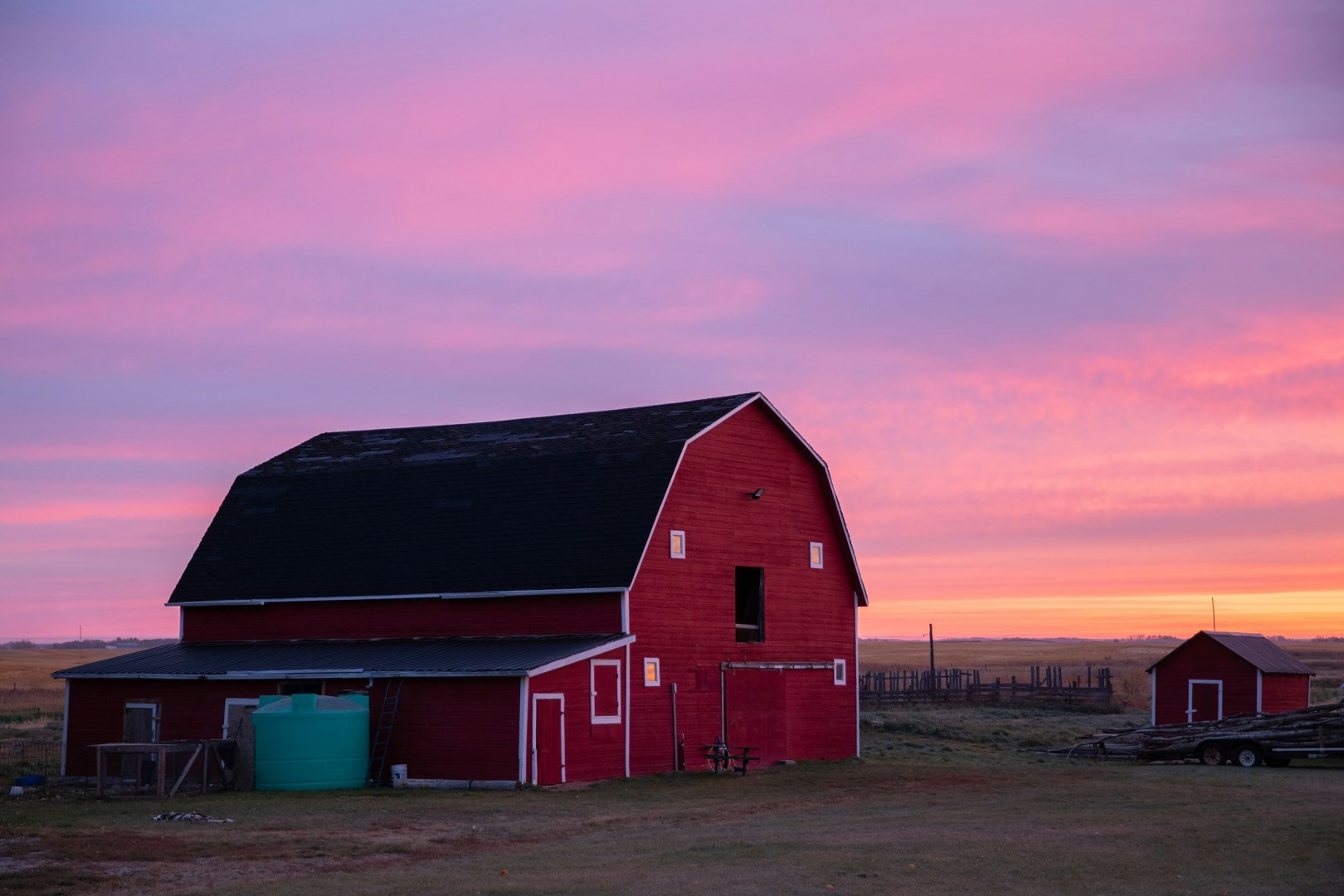
Saskatchewan
Regina is the provincial capital of Saskatchewan. Covering an area of 251,699 sq. miles, this Canadian heartland is ripe with sprawling farmlands and fertile soil producing almost one-third of North America's wheat supply. The Metis people populate a sparse area of the territory's northern wilderness of lakes, swamps and forest.
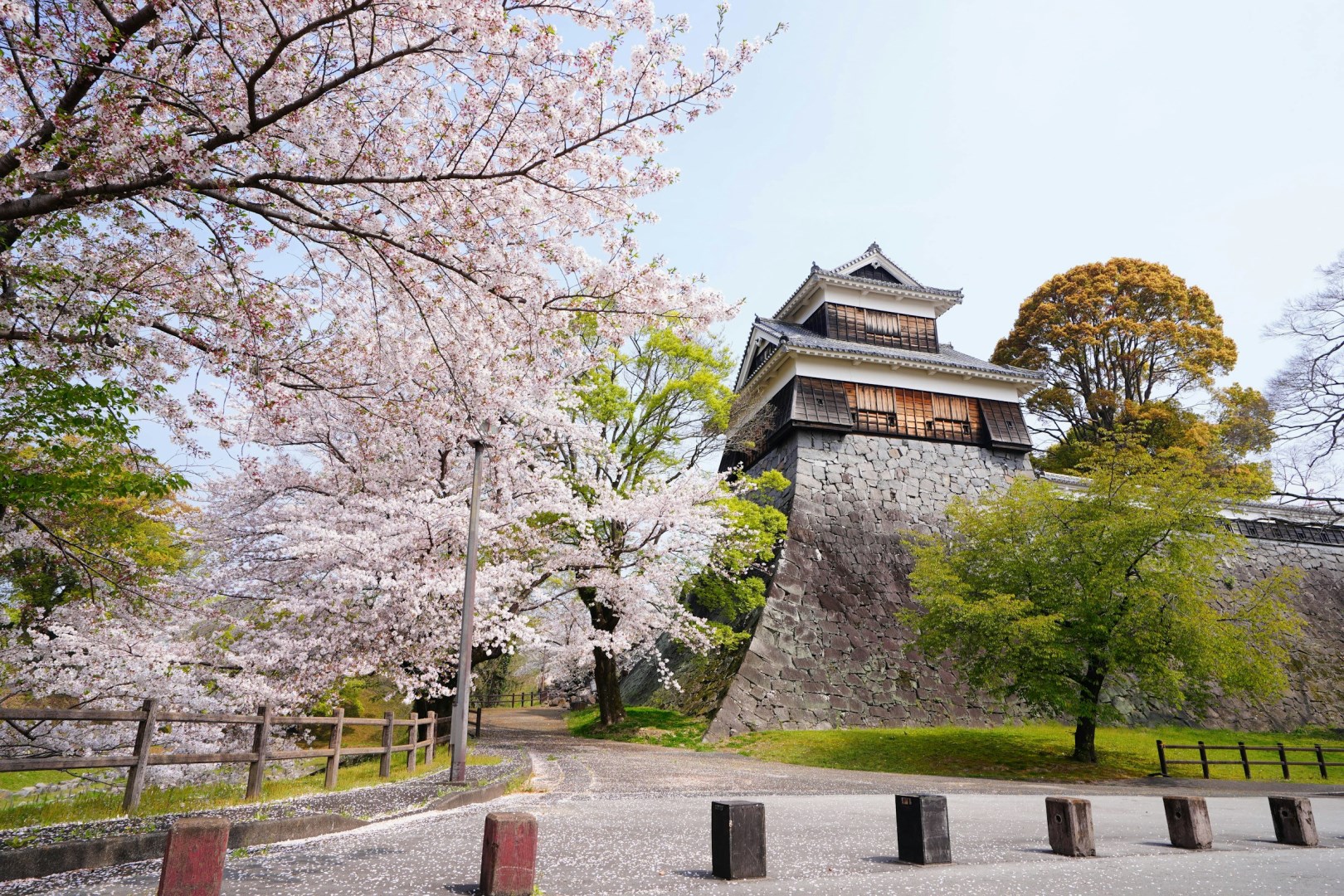
Kumamoto
Kumamoto is a city on Japan’s southern island of Kyushu, known for its castle, volcanic landscapes, and traditional gardens. It serves as the capital of Kumamoto Prefecture and lies on the western side of Mount Aso’s broader volcanic region. The city center combines historic districts with modern shopping streets, tram lines, and riverside neighborhoods.
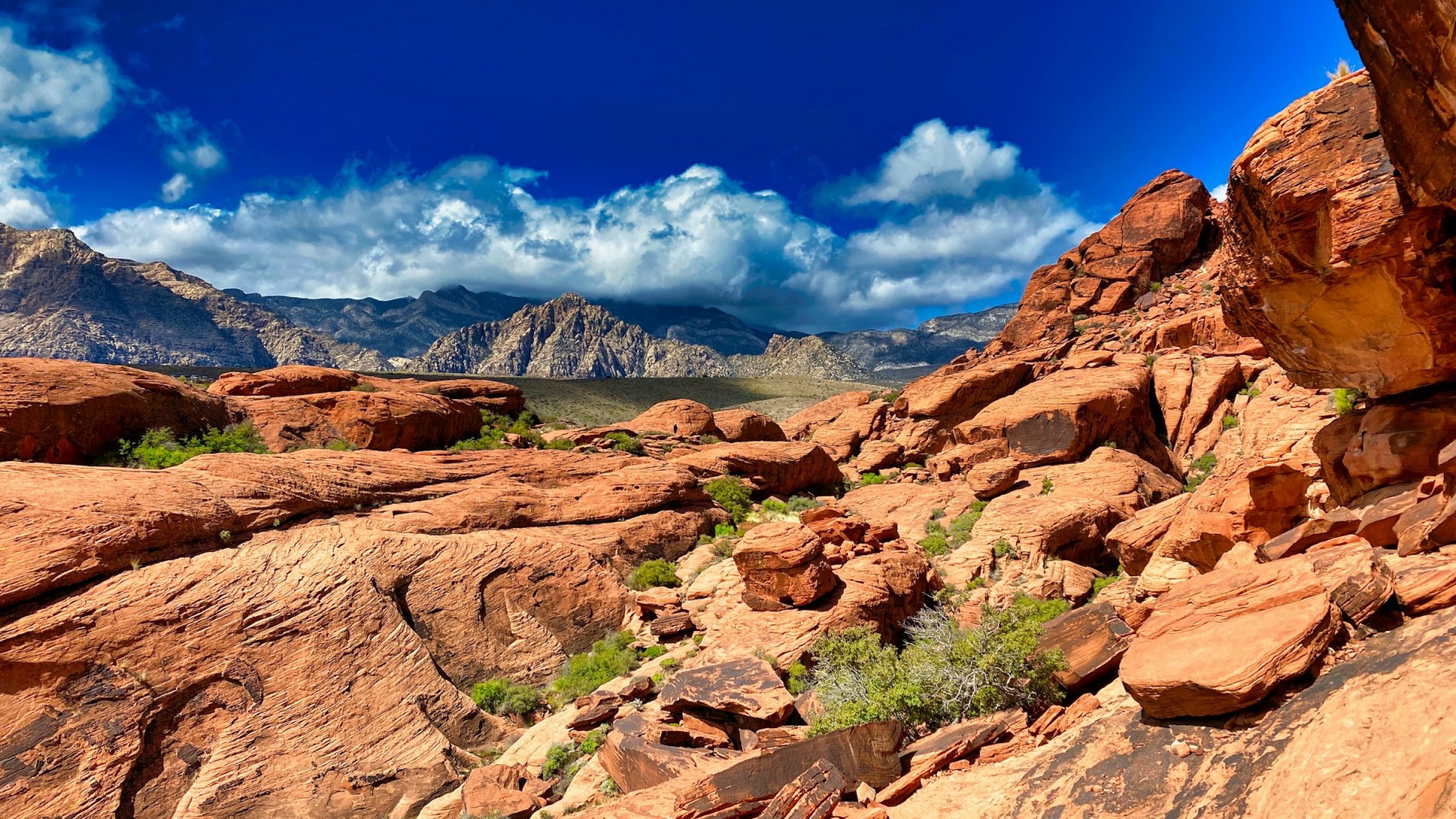
Red Rock Canyon National Conservation Area
Red Rock Canyon National Conservation Area lies about 17 miles west of the Las Vegas Strip, where the Mojave Desert rises into sandstone cliffs, rugged mountains, and broad desert valleys. Nevada’s first National Conservation Area, it covers nearly 198,000 acres and provides a sharp contrast to the developed landscape of Las Vegas. The area is best known for its red and cream-colored rock formations, especially the Calico Hills and the Red Rock escarpment.
