

Gdansk
Gdańsk, a vibrant port city on Poland's Baltic coast, is a hidden gem that seamlessly blends rich history with modern charm. As the largest city in northern Poland, Gdańsk has a unique identity shaped by centuries of trade, political turmoil, and cultural exchange. The city's Old Town is a feast for the eyes, with its beautifully reconstructed buildings that harken back to its Hanseatic glory days.

Portorož
Portoroz lies on Slovenia’s short Adriatic coast, where its identity has been shaped by the sea and by centuries of salt production in the nearby Sečovlje pans.
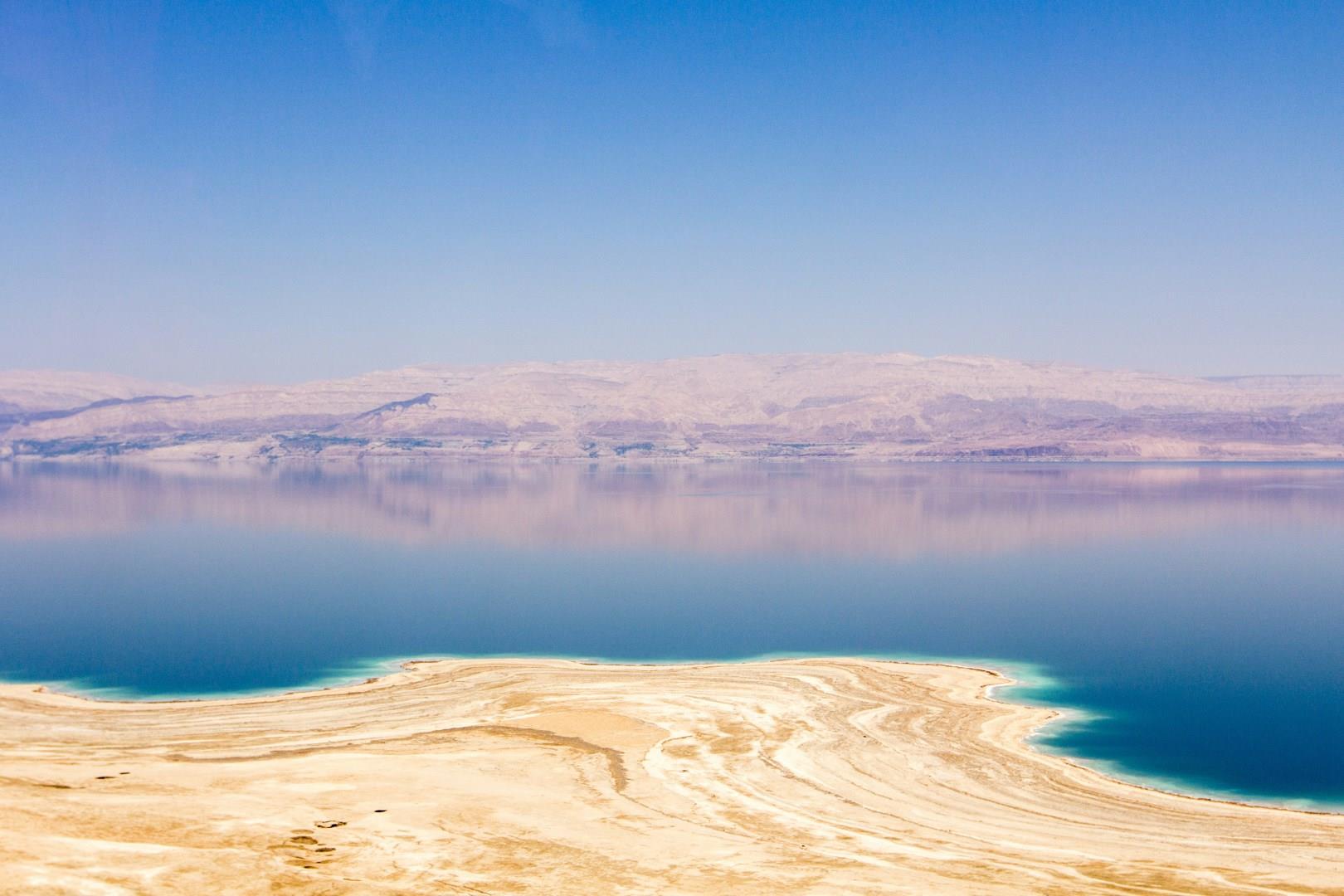
Dead Sea
The Dead Sea lies at the lowest point on Earth, around 430 meters below sea level, and features water with nearly ten times the salinity of the ocean. That level of salinity makes floating on its surface effortless. Visitors can lie back without effort, with views opening across barren hills and reflective water. This shoreline also hosts a mix of minerals collected over millennia and known for their soothing effect on skin and joints.
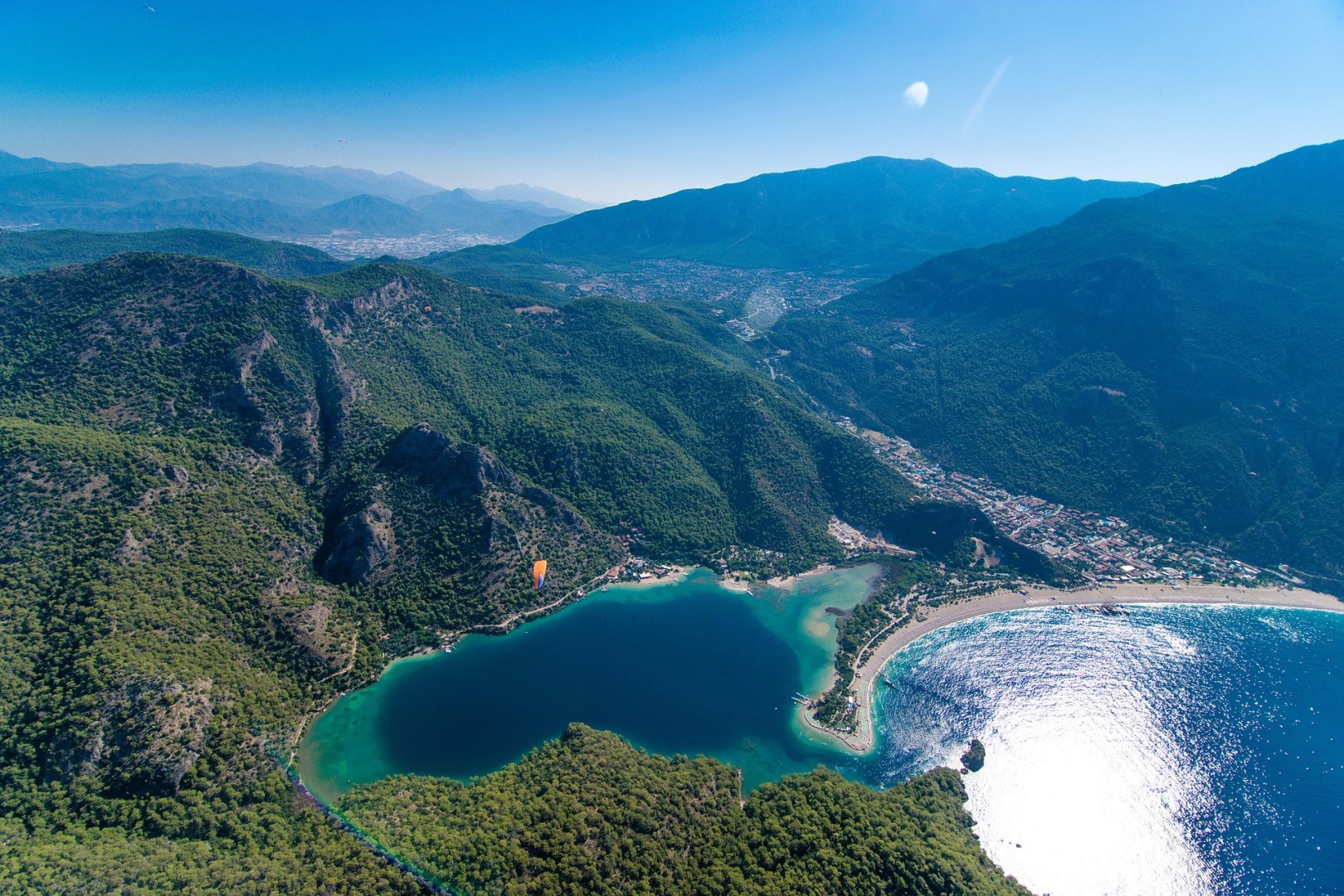
Fethiye
The popular resort Fethiye boasts an imortant marina at the head of a beautiful bay strewn with islands. A hill crowned by teh ruins of the crusader fortress built by the Knights of Rhodes overlooks the little port.
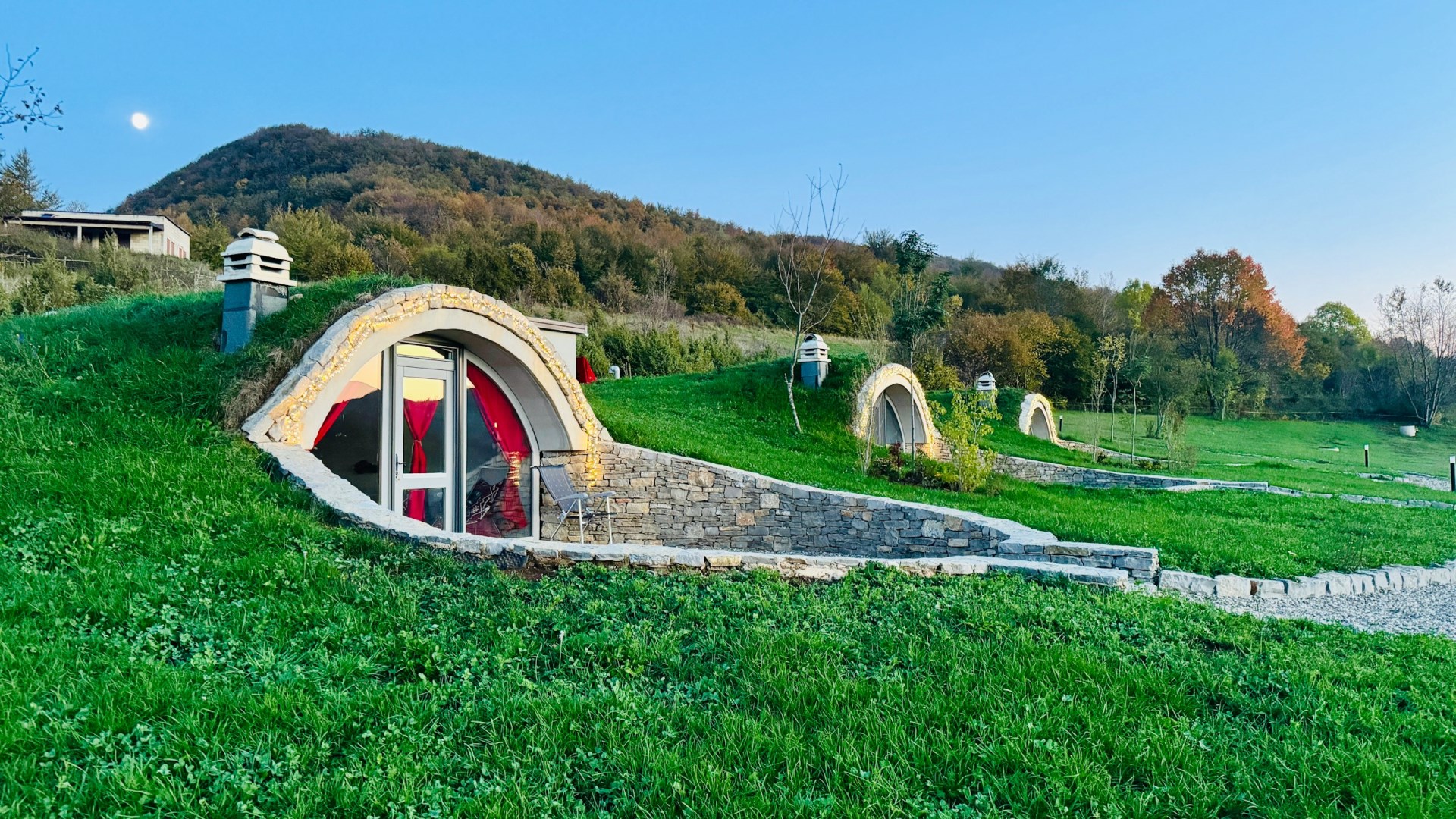
Kosovo
Kosovo, one of Europe’s youngest countries, offers visitors a glimpse into a landscape marked by resilience and rich tradition. The capital, Pristina, blends modern life with historical landmarks such as the Imperial Mosque, built in the 15th century, and the National Library, known for its unique architectural style. Walking through the city, visitors encounter a mix of Ottoman influences alongside vibrant street art and lively cafes.
