
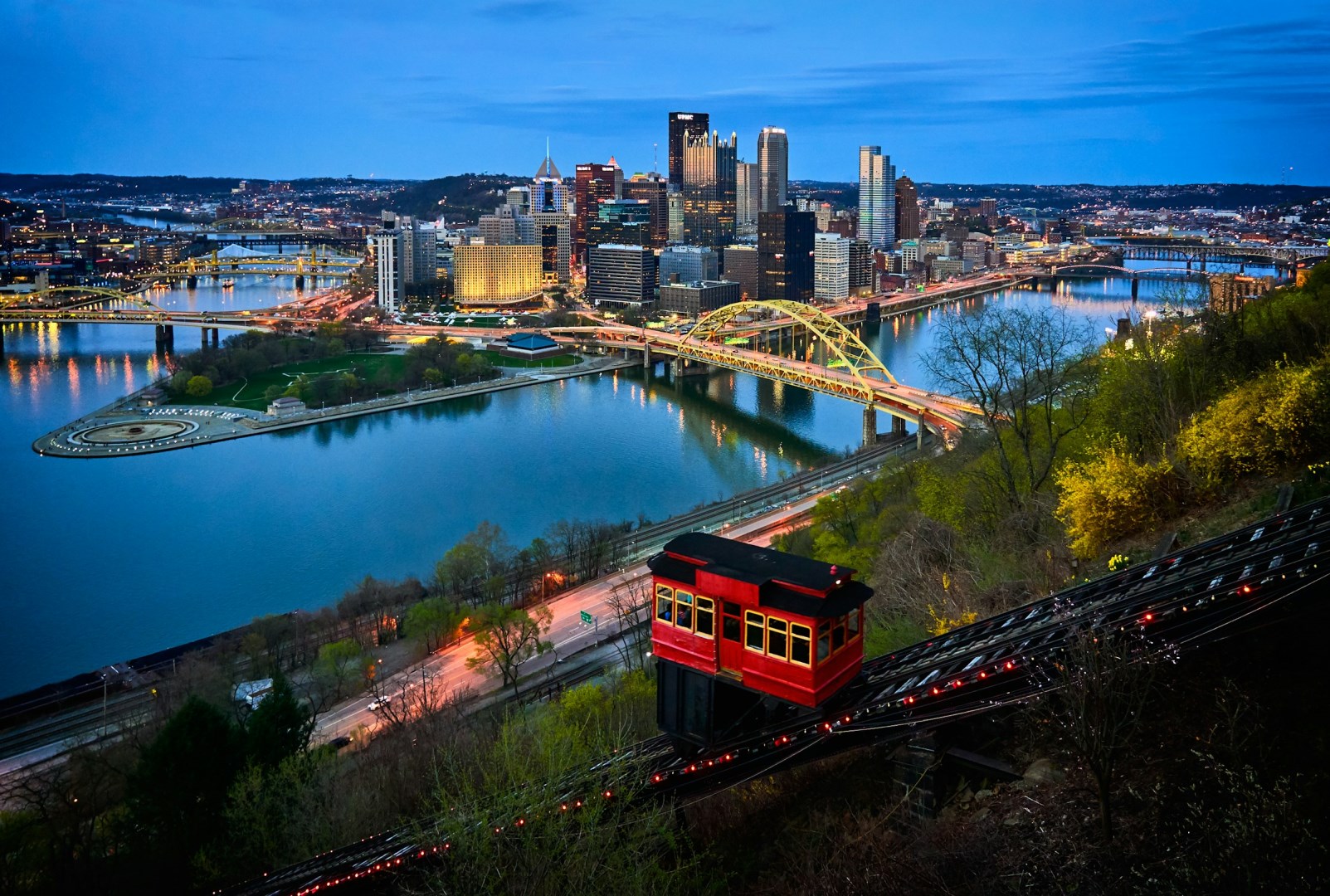
Pittsburgh
Located in Pennsylvania, Pittsburgh is one of the oldest cities in the nation.
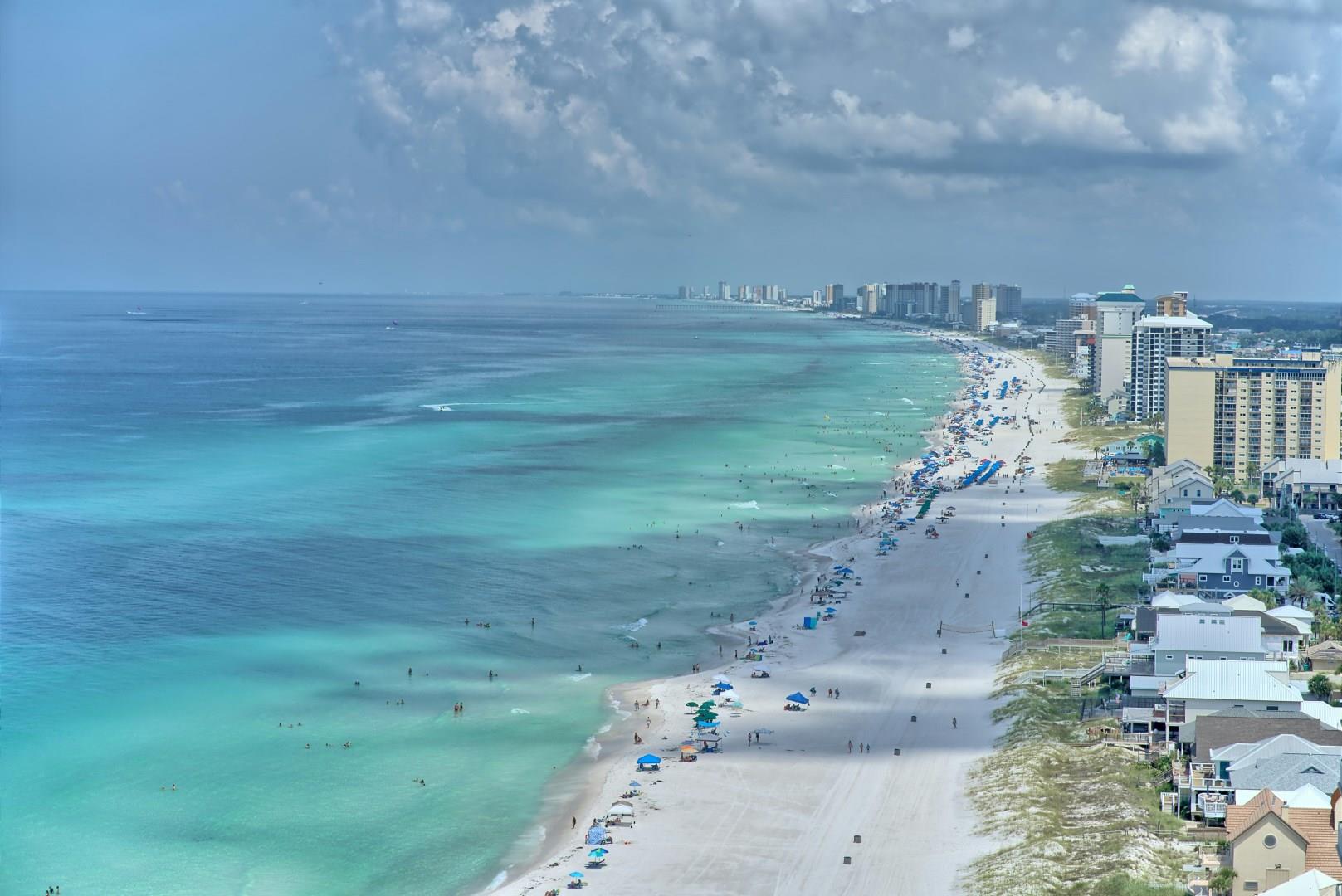
Panama City
Panama City, Florida, sits along the Gulf Coast where maritime history and modern beach culture intersect. Originally tied to shipbuilding and fishing, the city developed around St. Andrews Bay, which still anchors local identity through working marinas and long-established neighborhoods.
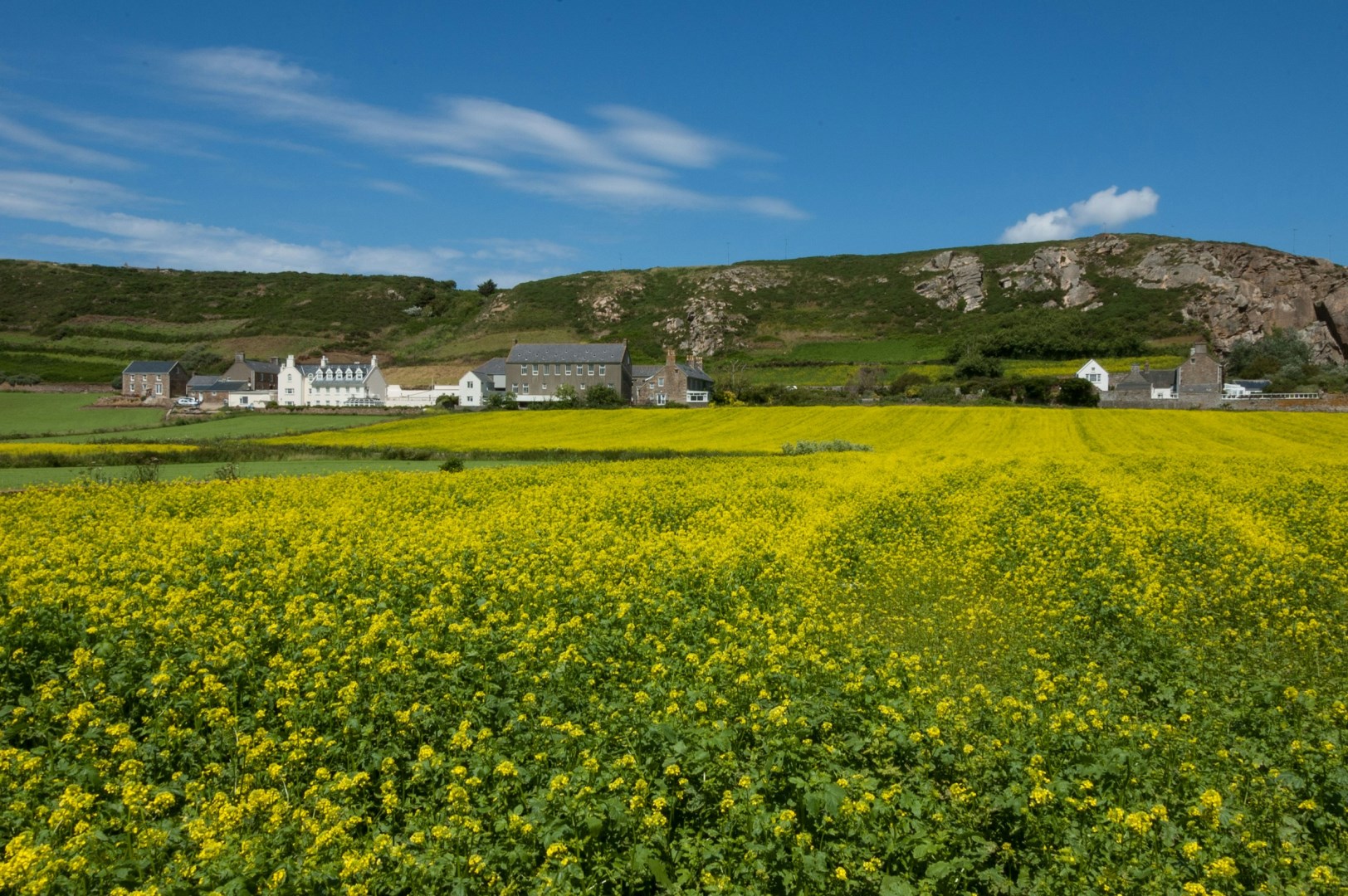
St Ouen
St Ouen is a rural parish on the northwestern side of Jersey, occupying much of the island’s largest bay and a broad area of open countryside. Its landscape is defined by long beaches, dunes, heathland, fields, and a rugged Atlantic coastline. St Ouen’s Bay stretches for about eight kilometres and is closely associated with Jersey’s surfing tradition, while the parish’s inland lanes lead through farmland and small settlements.
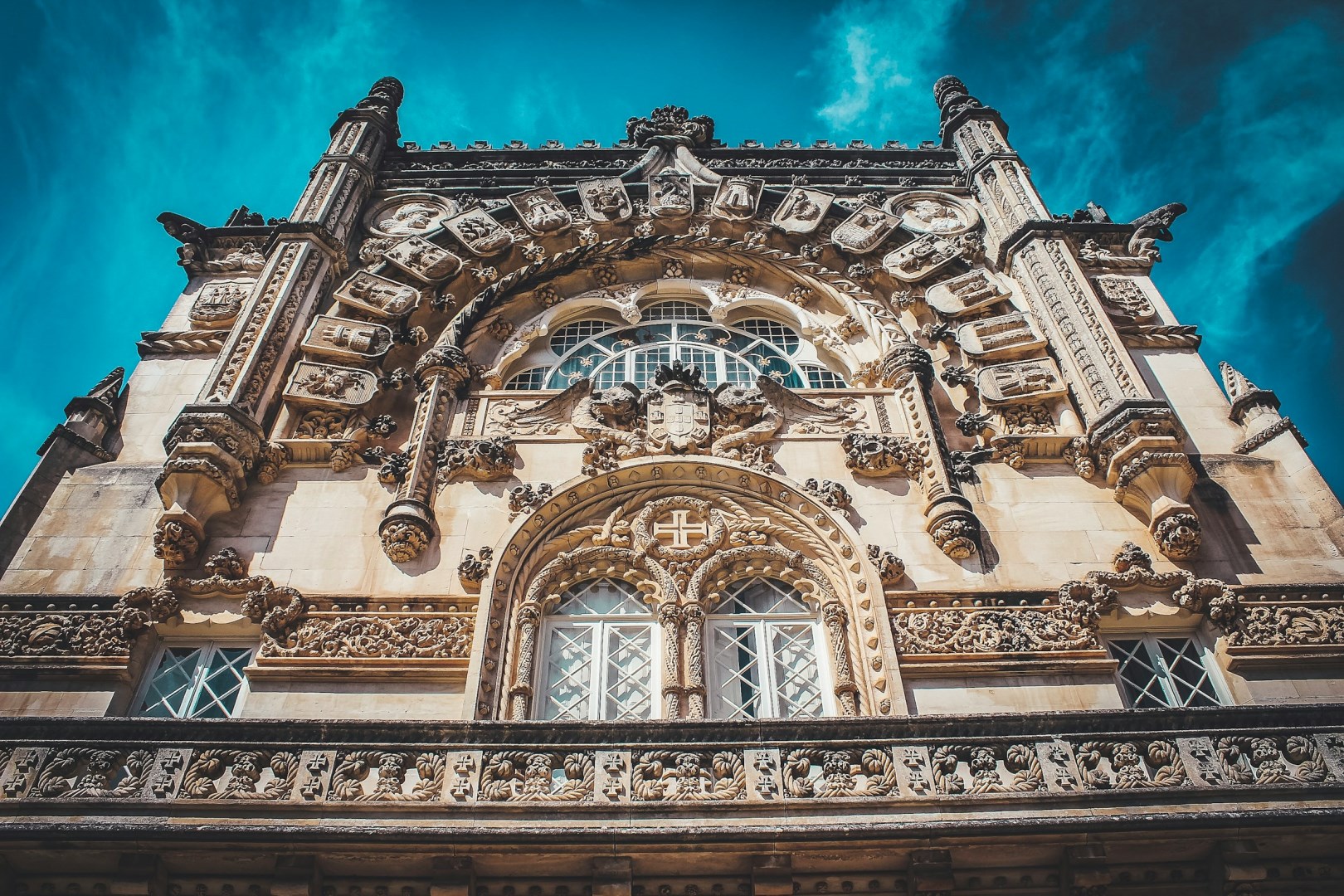
Portugal
Portugal offers a layered experience shaped by maritime history, deep-rooted traditions, and a coastline that stretches for nearly 1,800 kilometers. In Lisbon, the streets of Alfama wind uphill toward São Jorge Castle, where views of red-tiled rooftops and the Tagus River reveal how the city was rebuilt after the 1755 earthquake. Trams still clatter through narrow streets, and fado music, often performed in candlelit taverns, tells stories of longing and the sea.
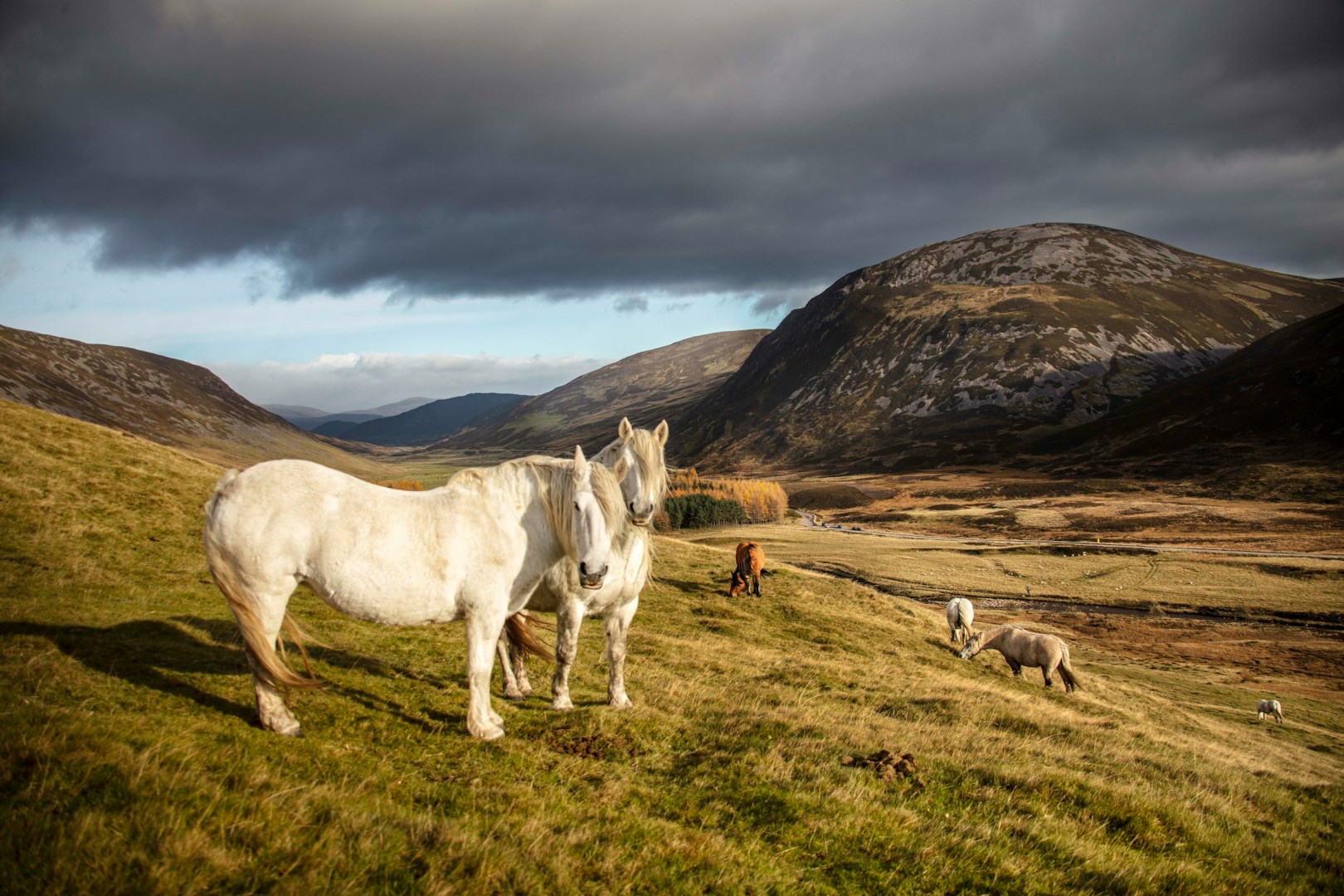
Braemar
Nestled in the heart of the Cairngorms National Park, Braemar is a charming Highland village that captures the rugged spirit and natural grandeur of Scotland. Surrounded by heather-covered hills, ancient forests, and rushing rivers, it has long served as a gateway to Royal Deeside and a favored retreat of the British royal family.
