

Amazon River
The Amazon River, winding through the heart of South America, is a marvel of nature that offers unparalleled adventure in one of the most biodiverse regions on Earth. Originating from the Peruvian Andes, the Amazon travels through nine countries before emptying into the Atlantic Ocean.
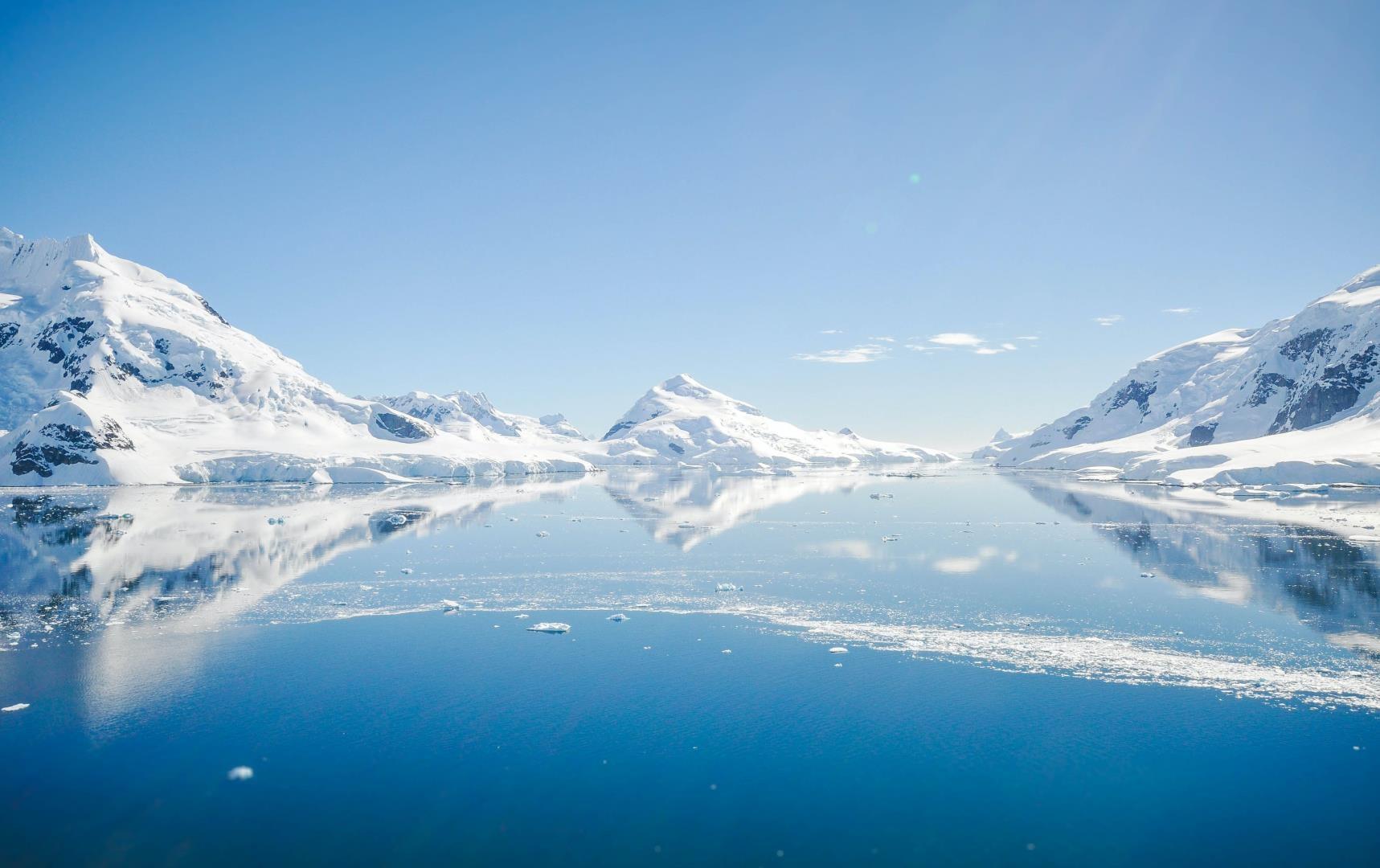
South Shetland Islands
Mist, research stations, and penguins are just a few of the things that define the South Shetland Islands, an archipelago off the coast of Antarctica. These 11 Antarctic islands, most notably King George Island, have served as a base for researchers from Chile, Argentina, and a variety of other countries. The archipelago has also become a popular cruise destination for tourists to the Antarctic region.

South America
South America is a continent of striking contrasts, where towering mountain ranges meet vast rainforests, arid deserts, and sprawling coastlines. From the icy fjords of the south to the tropical warmth of the north, each region offers its own landscapes, wildlife, and cultural expressions.
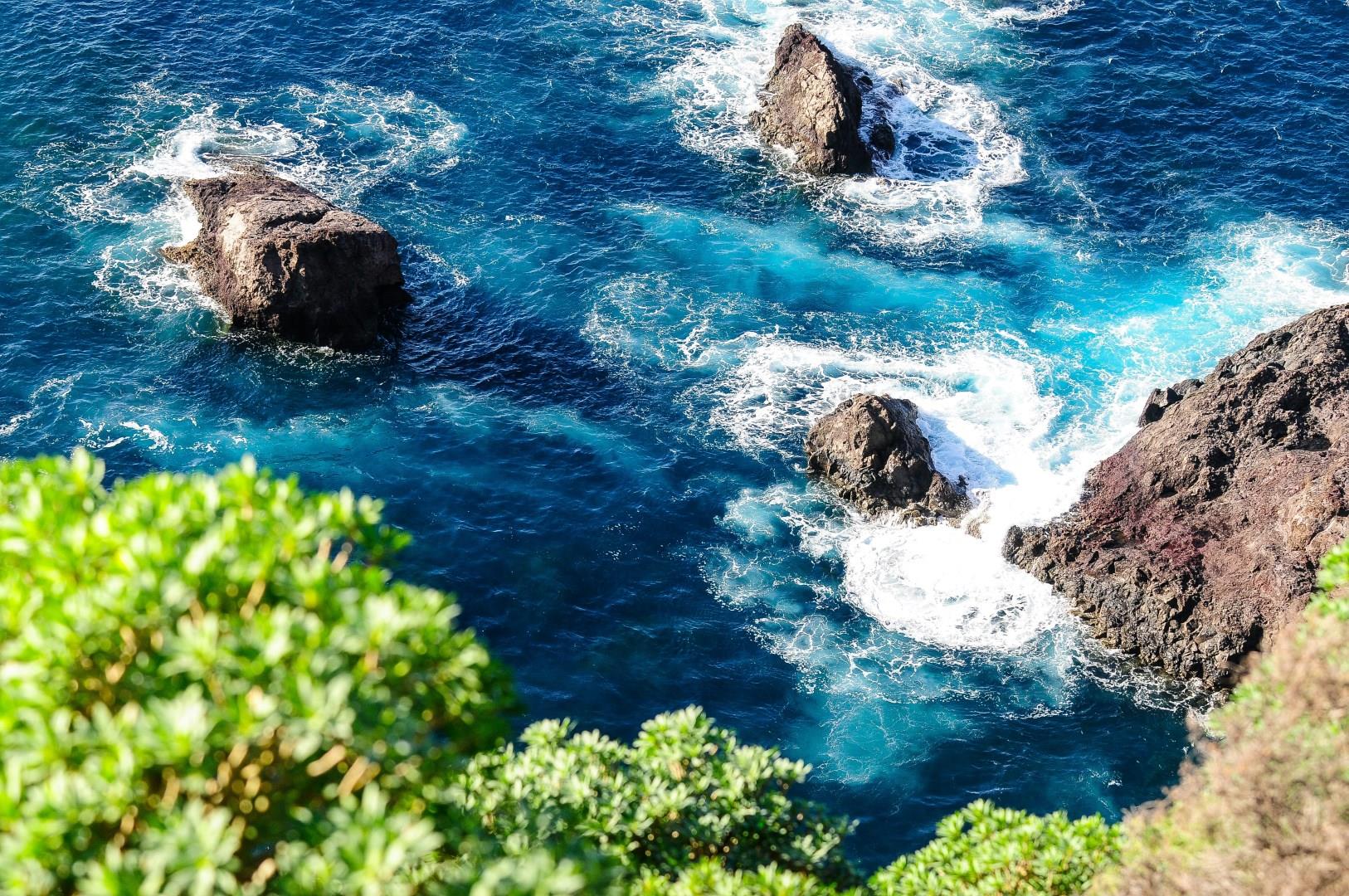
La Palma
La Palma (also San Miguel de La Palma) is the fifth of Spain's Canary Islands. This mountainous volcanic island is a natural wonder of tropical vegetation. Its coast is lined by jagged cliffs and plunging ravines, and its beaches are covered with black sand. Thanks to dry climate and the height of its mountains creating excellent observation conditions, La Palma has become the home of some of the world's largest telescopes, seated on the rocky ridge called El Roque de los Muchachos.
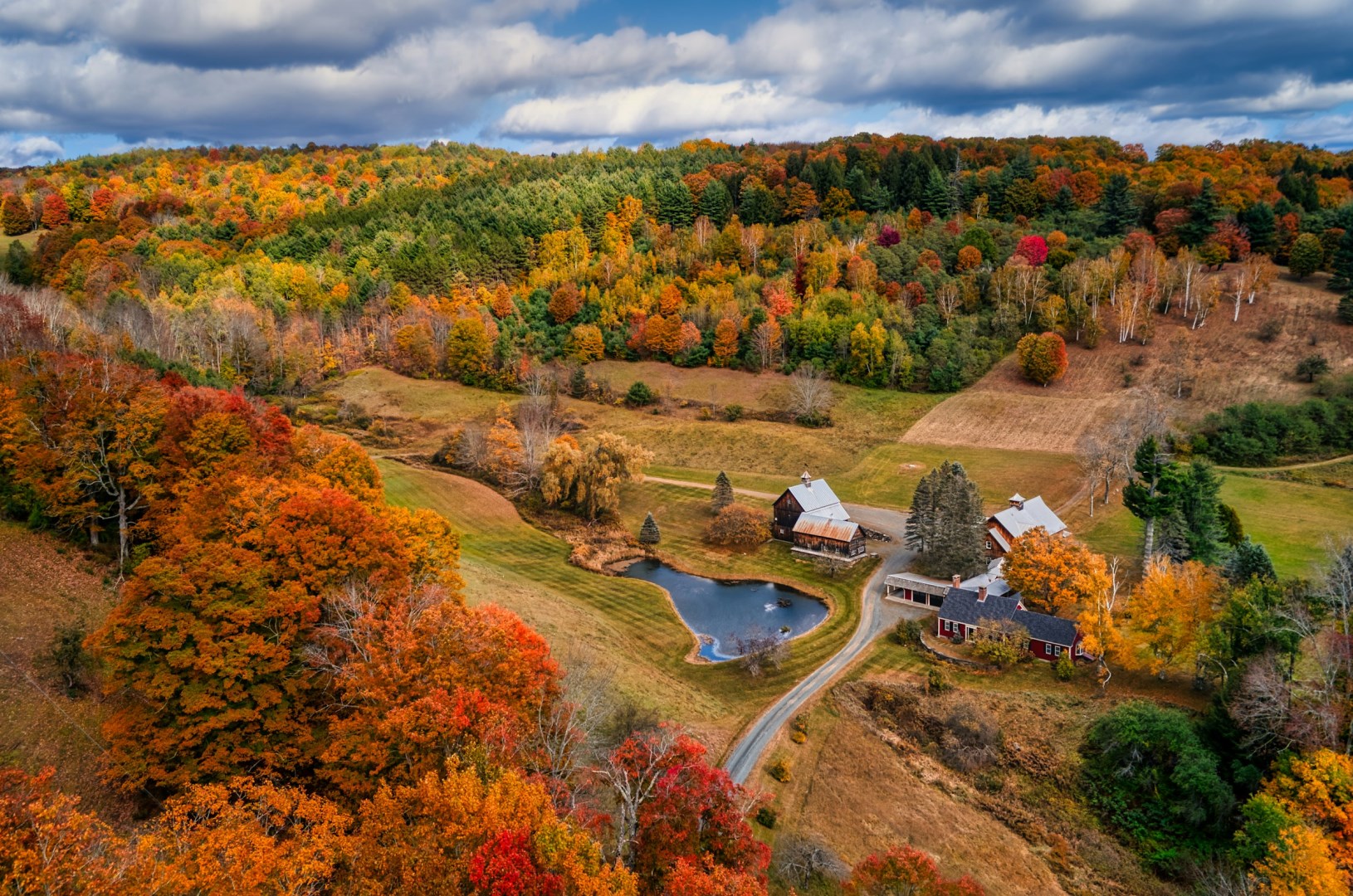
Vermont
Vermont offers visitors not just postcard-perfect views, but a state shaped by independence, craftsmanship, and deep-rooted community traditions. That independent streak is still felt in small towns like Montpelier, the nation’s smallest state capital, and in villages like Grafton and Woodstock, where restored 19th-century buildings now house general stores, cheese shops, and local galleries.
