
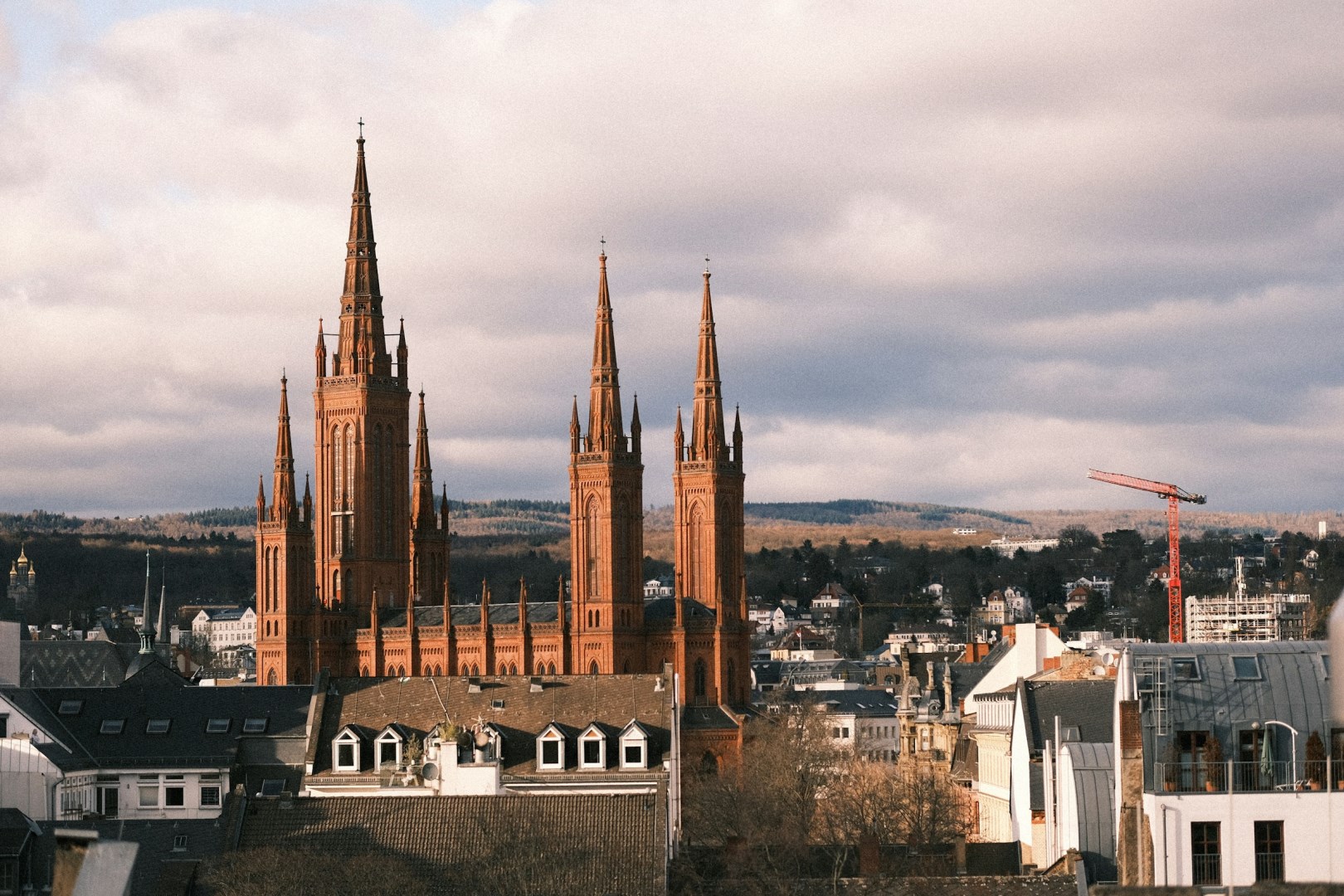
Wiesbaden
Wiesbaden is located in west central Germany at the southern foot of the Taunus Mountains, on the Rhine River, near Frankfurt. It is popular for its 26 hot mineral springs and mild climate and tourism is vital to the local economy. Wiesbaden is a cultural center; places of interest are the former royal and ducal residences; the Kurhaus with its casino and its concert halls; the Colonnade, remnants of a Roman wall known as the Heidenmauer ("heathens' wall"); and the Hessian State Theater.
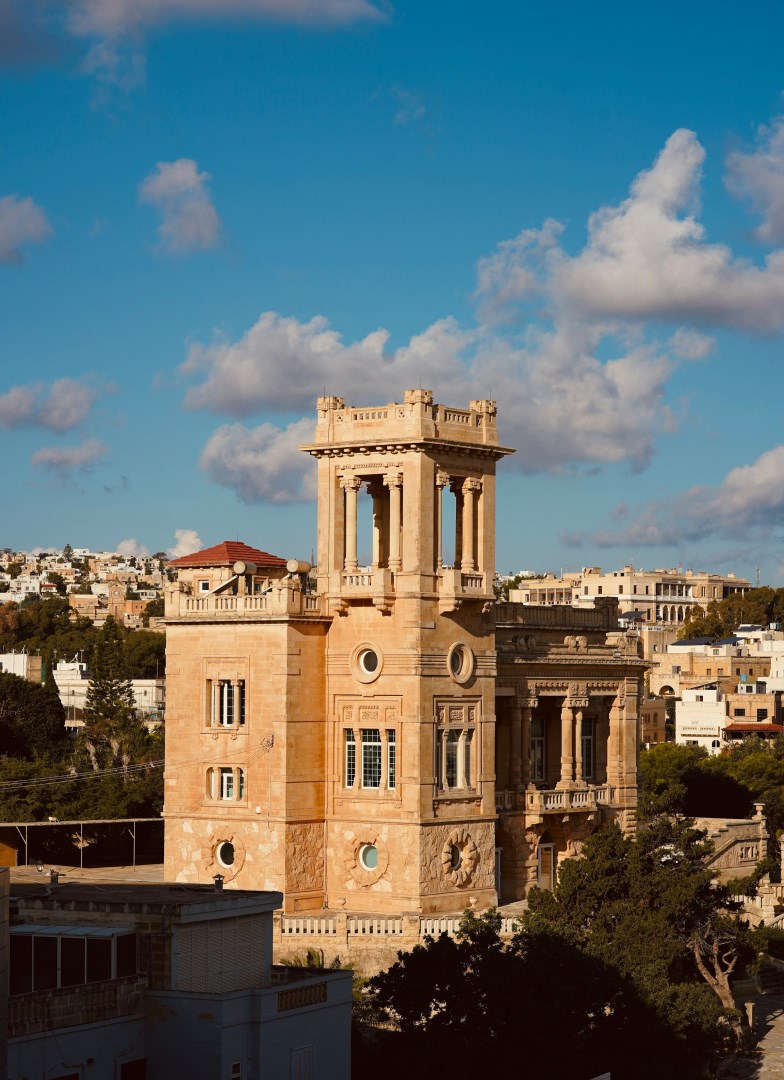
St. Julians
St. Julians was originally a tiny fishing village, built round a small bay. It has retained most of its charm, thanks to some sympathetic restoration. Overlooking the bay is Spinola Palace, built in 1688. Today St Julians provides some of the best restaurants, like the San Giuliano and Barracuda, overlooking the Bay, popular with locals and visitors alike. It gets quite busy over the weekends and during the peak season, making parking a problem. However, public transport is frequent and nearby P
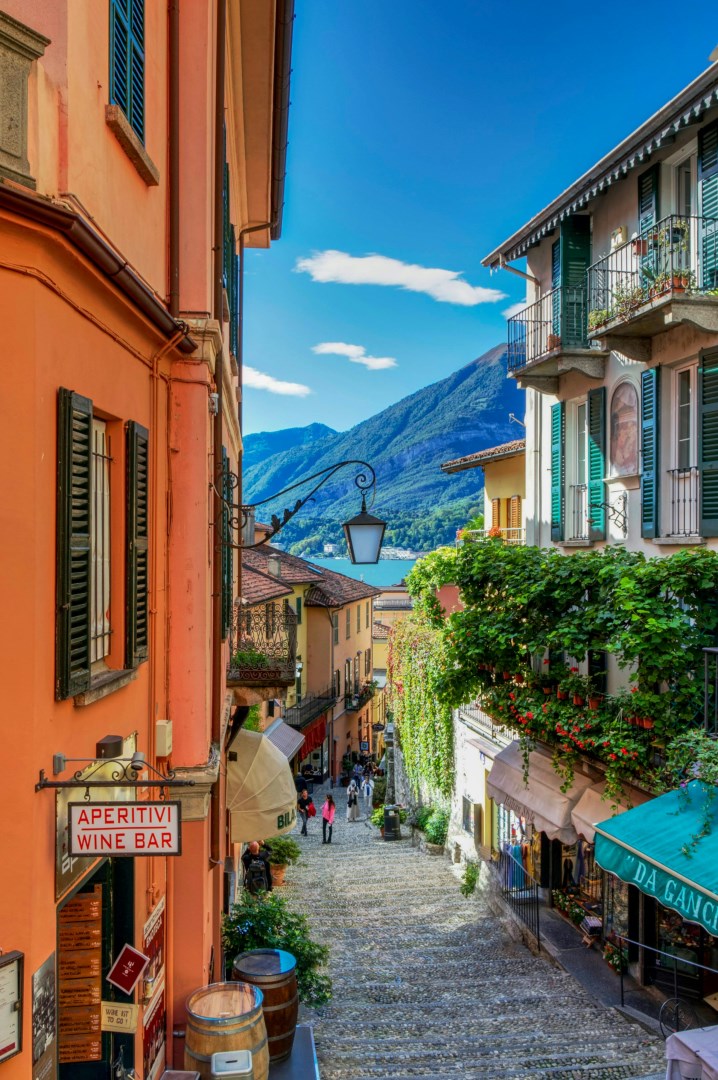
Bellagio
Perched at the meeting point of Lake Como’s three branches, Bellagio is often called the “Pearl of Lake Como” for its spectacular setting and timeless elegance. This Italian village has been a retreat for centuries, drawing poets, aristocrats, and travelers alike with its harmonious blend of natural beauty, refined architecture, and relaxed sophistication.
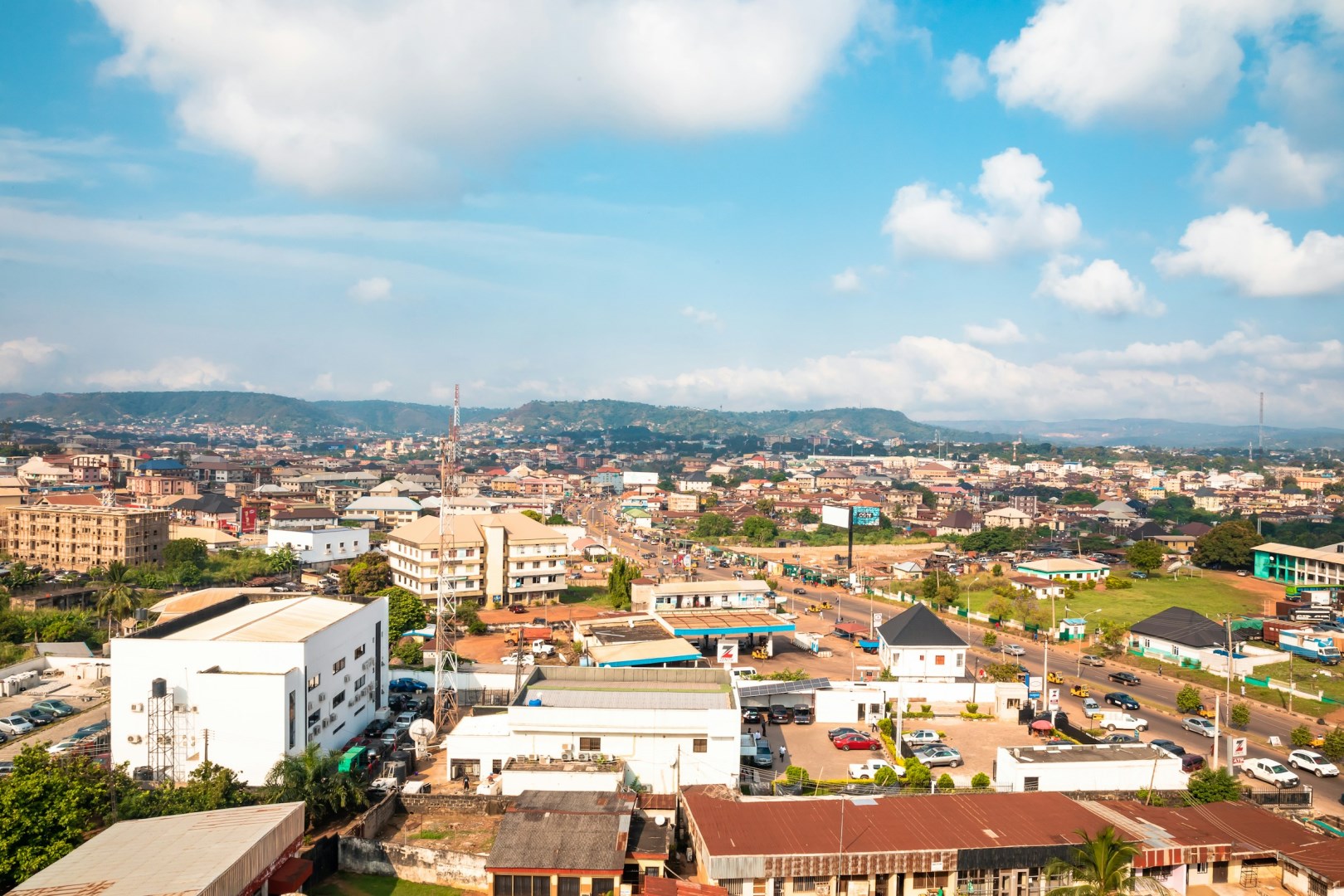
Enugu
Enugu is the capital of Enugu State in southeastern Nigeria, set among rolling hills at the edge of the Udi Plateau.
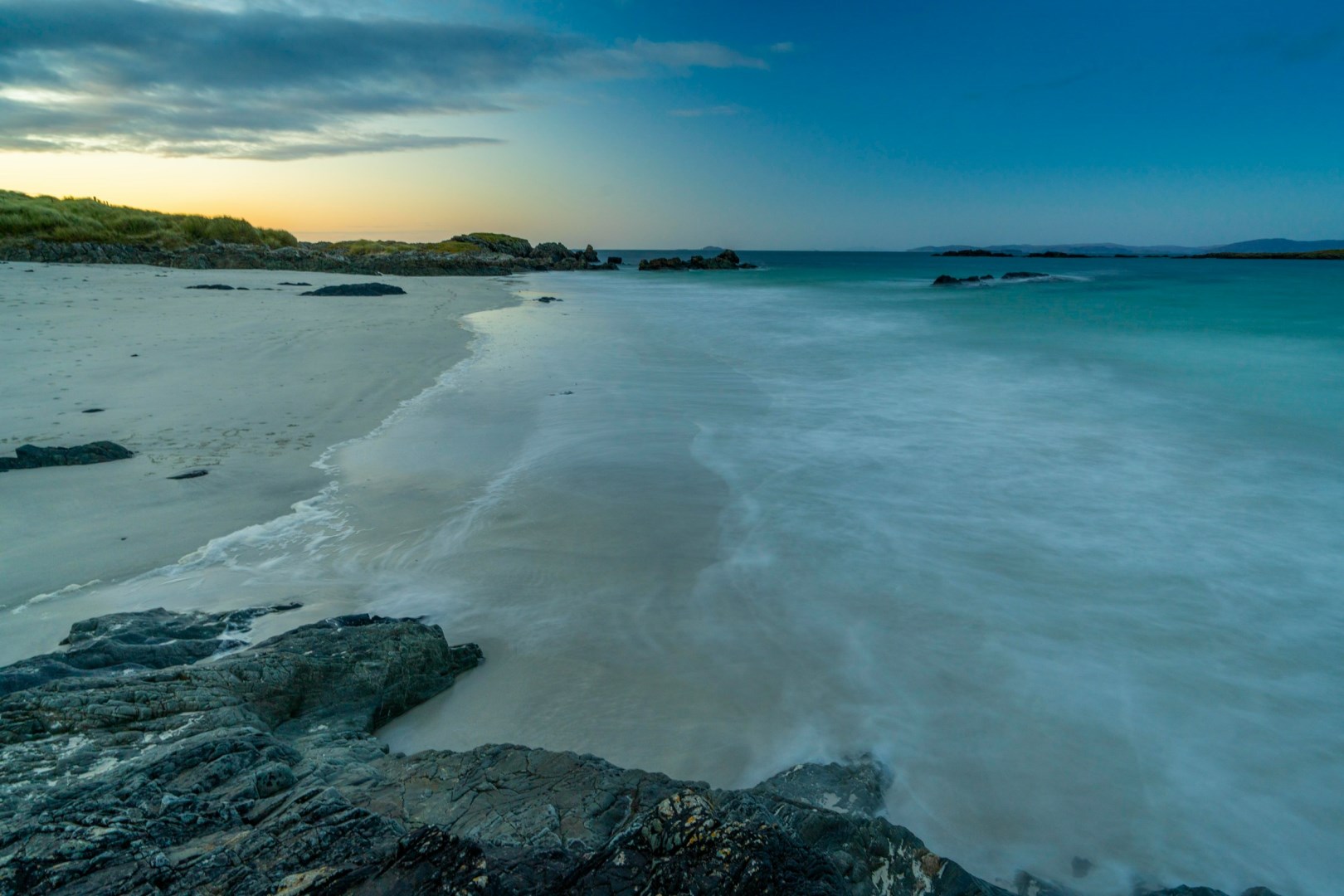
Iona
The island of Iona lies just off the west coast of Scotland, easily reached from Oban by ferry. This jaunt in itself is quite stunning commanding a view of the rocky peaks and green slopes of the Mull Mountains. An old village, Iona was founded in 563 AD by Columba and his disciples when they travel from Ireland to the Harbour of the Caracle, built a monastery and introduced the Christian faith here. Iona is still a major center for pilgrimages. Please note that cars are not permitted on the isl
