
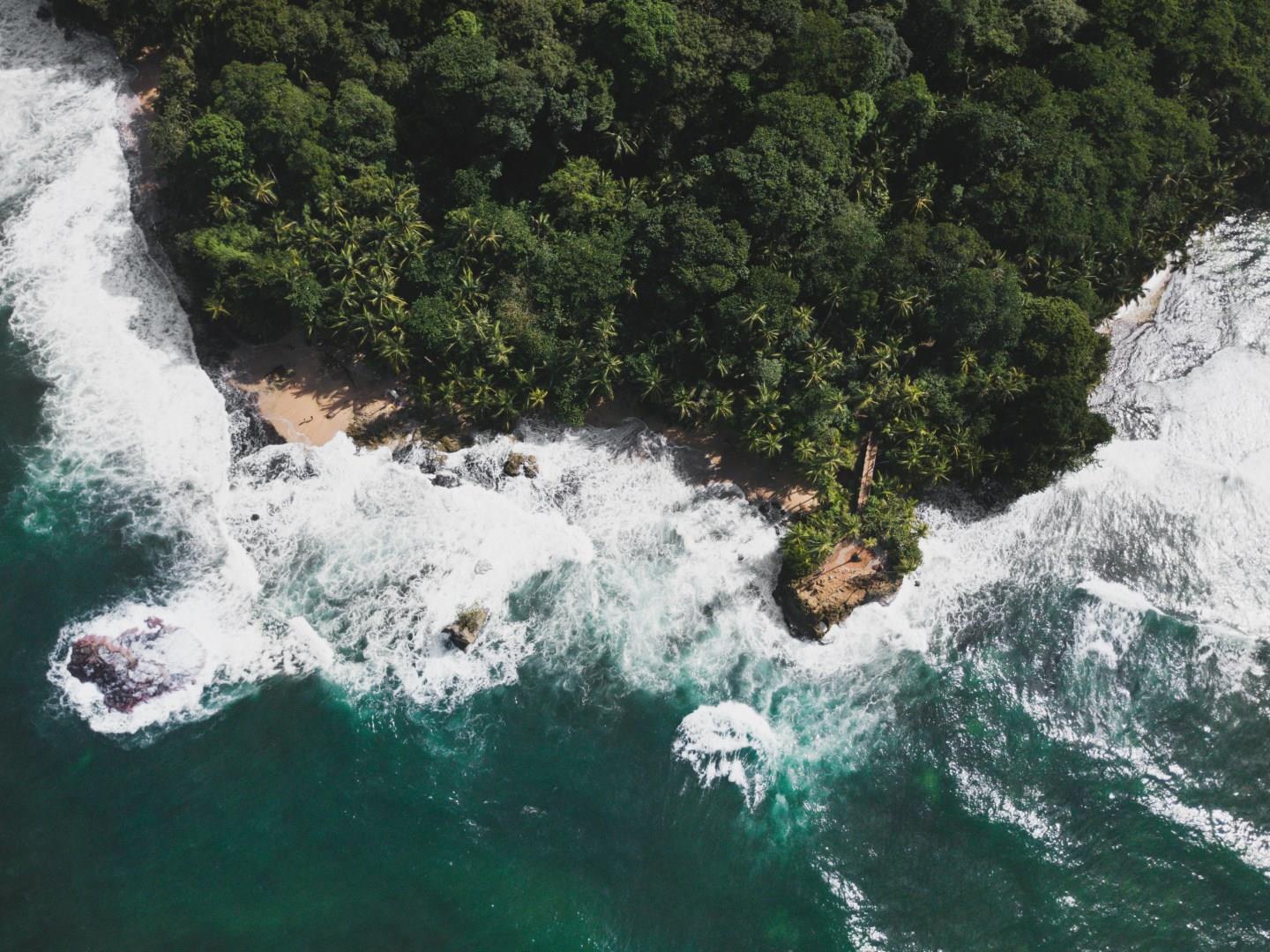
Limon
Limón, located on Costa Rica’s Caribbean coast, is a city shaped by Afro-Caribbean heritage, maritime trade, and lush tropical surroundings. Founded in the late 19th century as a port for exporting bananas and coffee, Limón developed a distinct cultural identity influenced by Jamaican, West African, and Central American traditions.
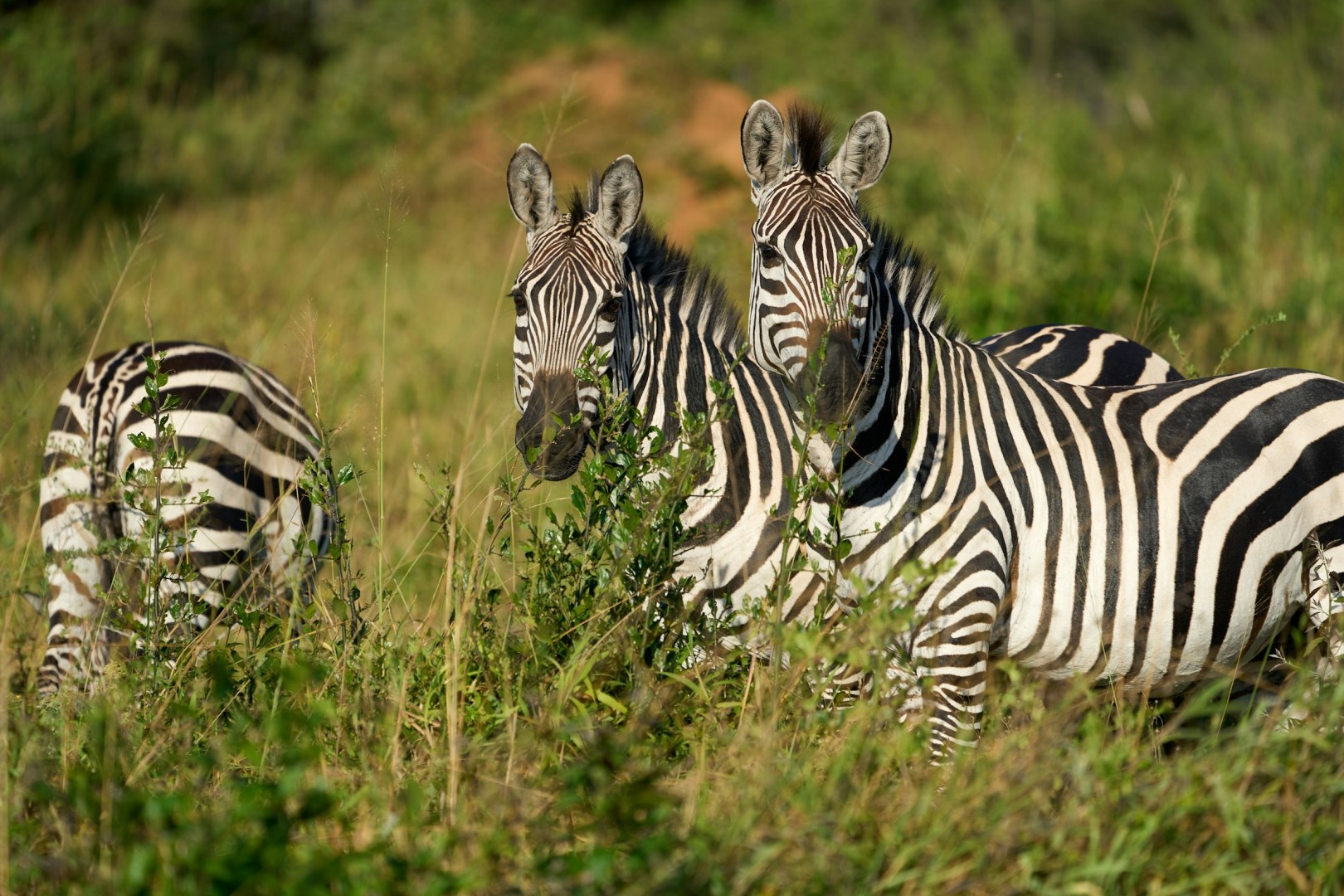
Lake Mburo National Park
Lake Mburo National Park is a protected area in southwestern Uganda, situated between Kampala and the western highlands. It is centered on a chain of lakes and a landscape of rolling hills, open grassland, woodland, wetlands, and rocky outcrops. Lake Mburo is the largest of the park’s lakes and forms an important part of its ecosystem.
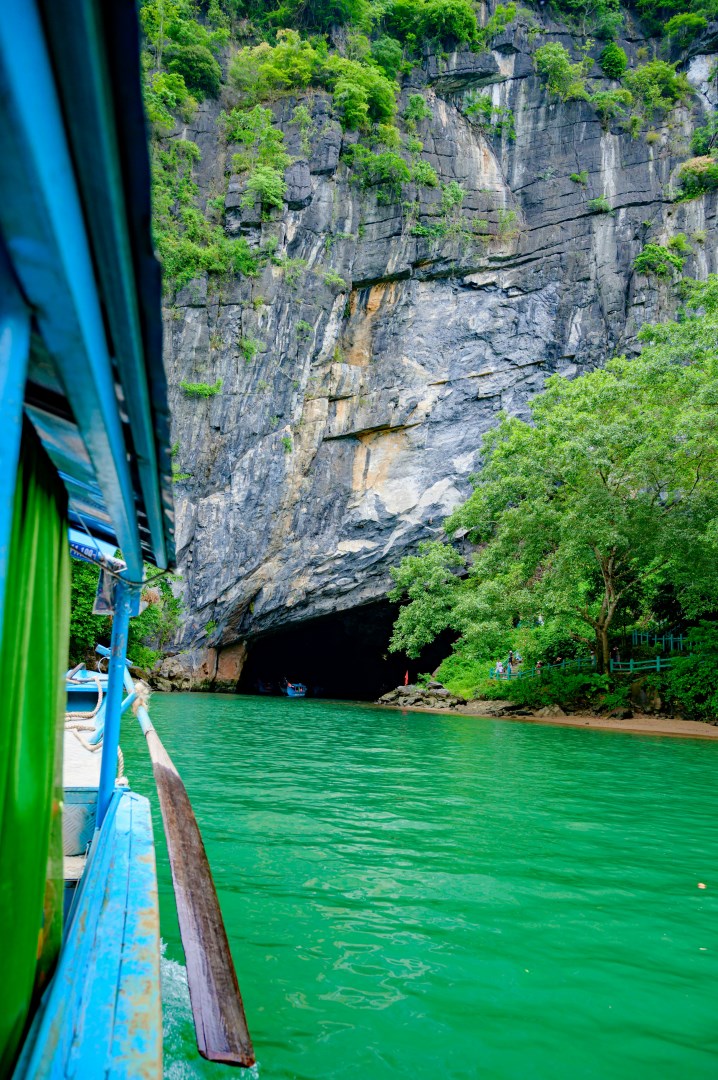
Phong Nha - Ke Bang National Park
Kẻ Bàng National Park lies in central Vietnam, near the border with Laos, and is known for its vast network of limestone mountains and underground rivers. The park forms part of one of the oldest karst landscapes in Asia, shaped over millions of years into a maze of caves, cliffs, and dense forest. Among its most famous features is Sơn Đoòng Cave, recognized as the largest cave on Earth, with sections so vast that clouds can form inside and a jungle grows beneath its collapsed roof.

USA
Spanning from the Atlantic to the Pacific, its geography encompasses everything from mountain ranges and fertile plains to vibrant cities and quiet coastal towns. Each region tells its own story.
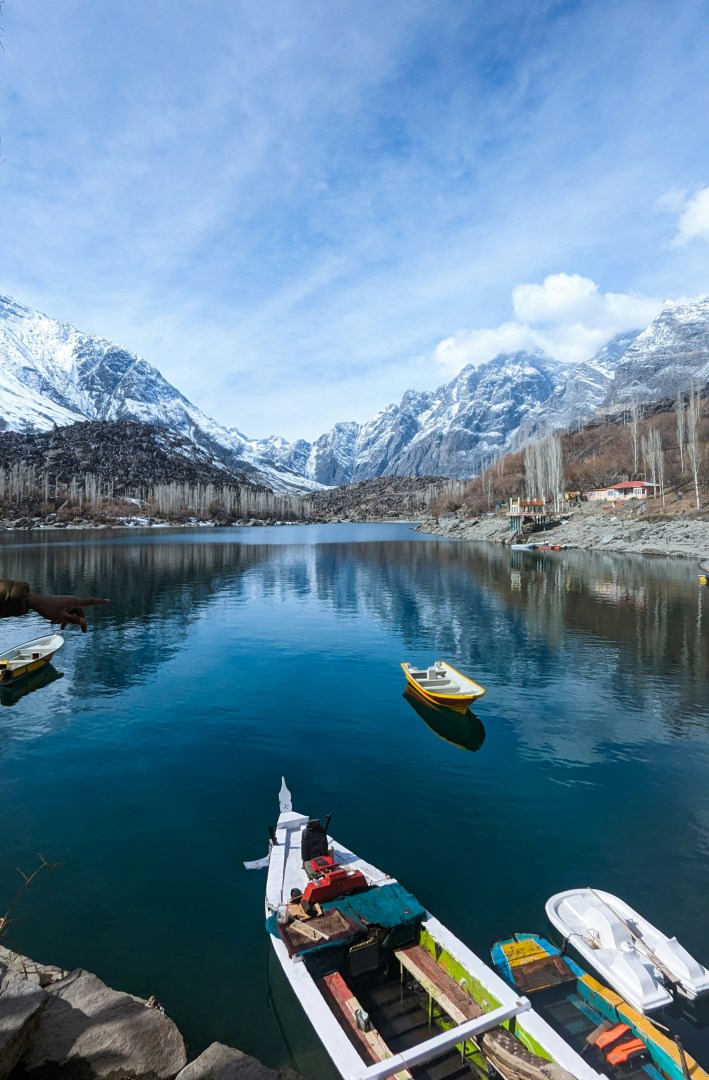
Skardu
Skardu is a mountain town in Gilgit-Baltistan, northern Pakistan, set in a broad valley near the confluence of the Indus and Shigar rivers. It serves as an important gateway to the Karakoram and to trekking and mountaineering routes leading toward K2, Gasherbrum, and other high peaks. The town is surrounded by starkly contrasting landscapes, including dry mountain slopes, fertile valleys, turquoise lakes, and high-altitude plains.
