
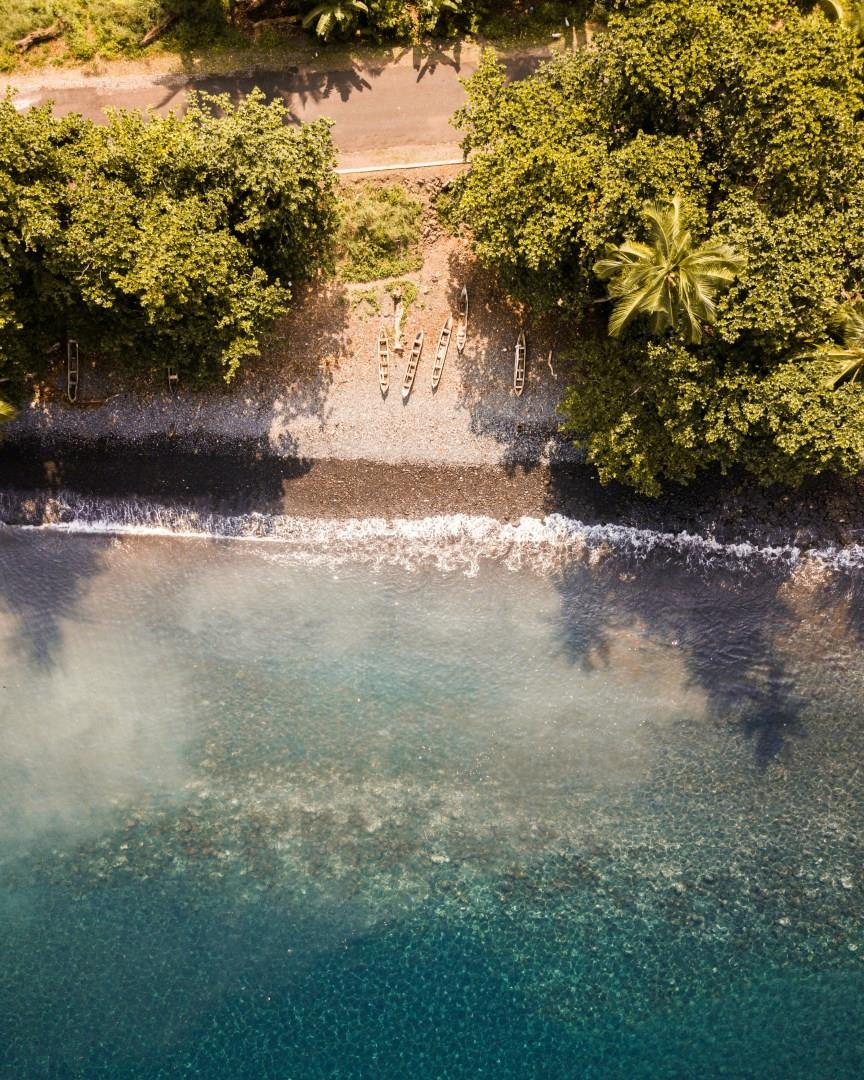
Sao Tome Island
São Tomé Island, the larger of the two islands in São Tomé & Príncipe, offers travelers a balance of culture, history, and dramatic natural scenery. Its capital, São Tomé city, is a coastal hub filled with colonial architecture, lively markets, and a welcoming atmosphere.
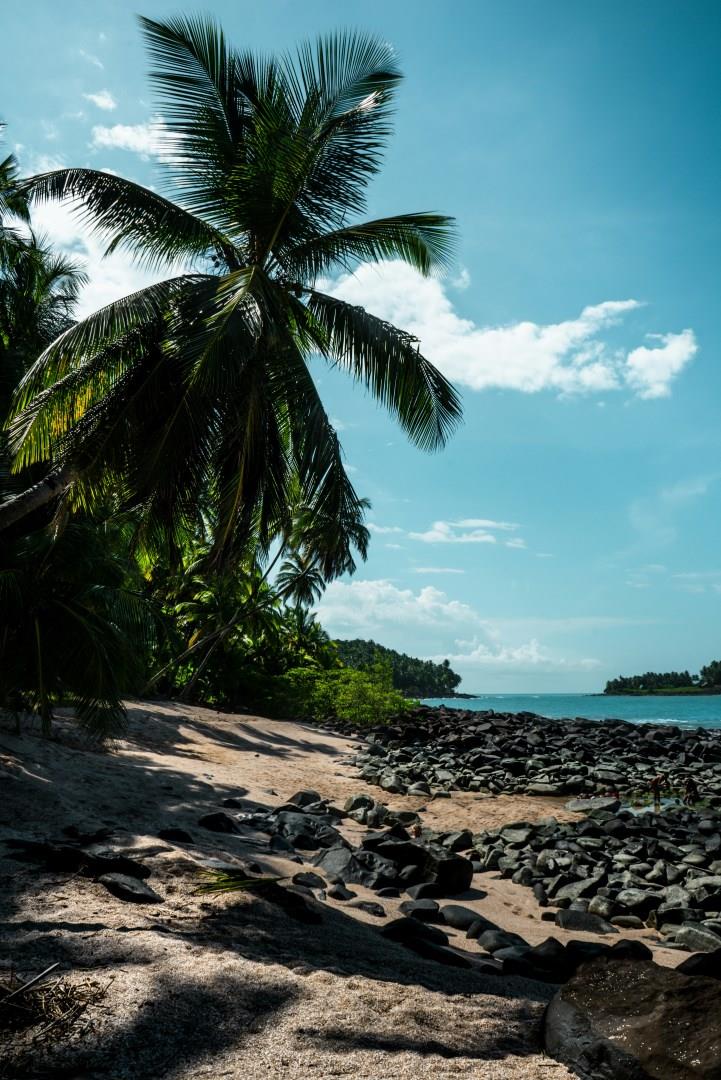
Cayenne
Cayenne, the lively capital of French Guiana, sits where the Cayenne River meets the Atlantic Ocean, blending South American rhythms with French-Caribbean influence. While it's officially part of France, Cayenne feels worlds away from Paris, with colorful markets, colonial architecture, and a language mix that includes French, Creole, Portuguese, and Indigenous dialects.
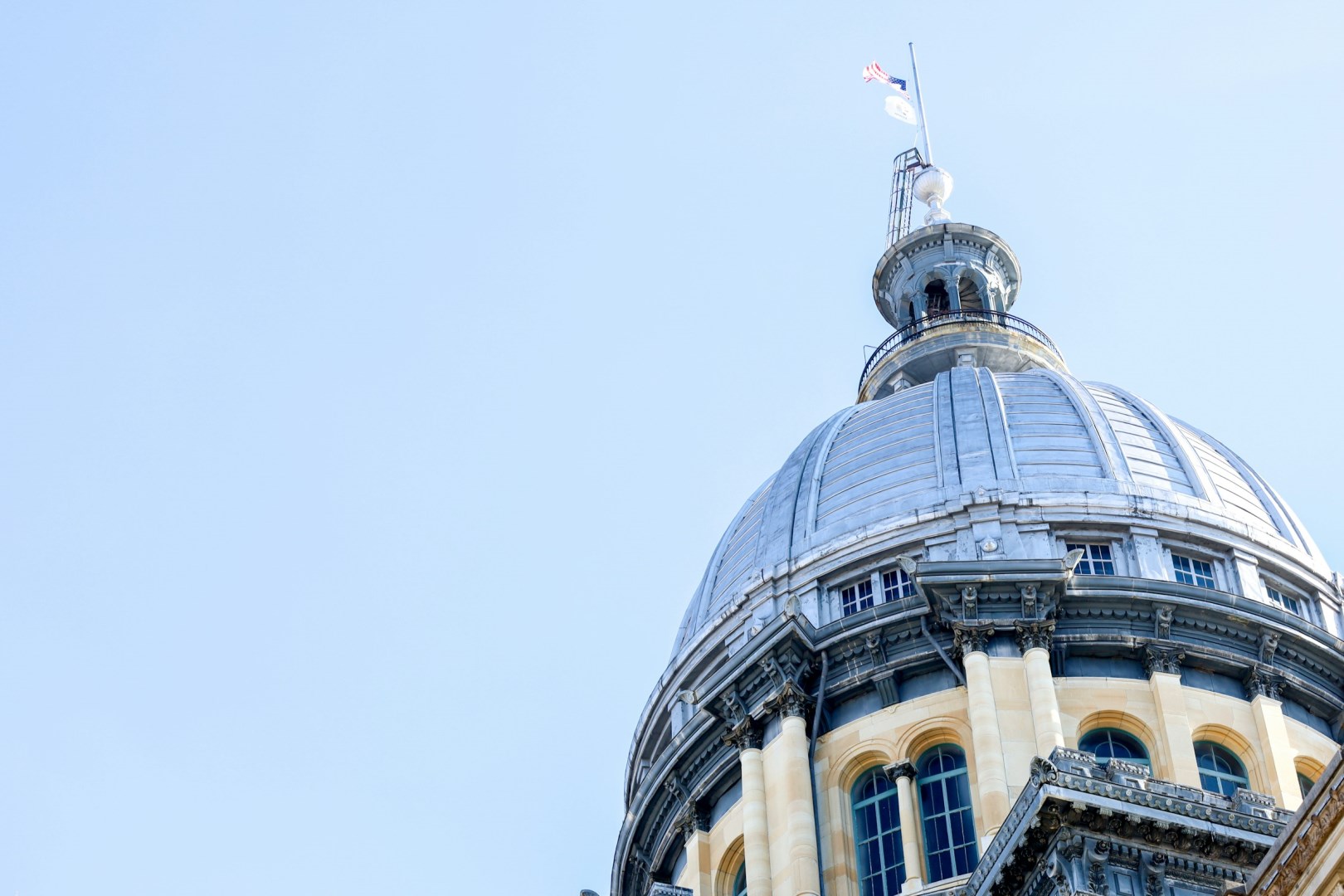
Springfield
Springfield is the capital of Illinois and a city closely associated with Abraham Lincoln, whose home, law practice, and political career were based there before he became president. Located in the central part of the state, Springfield sits amid the prairie landscape of the Sangamon River Valley.
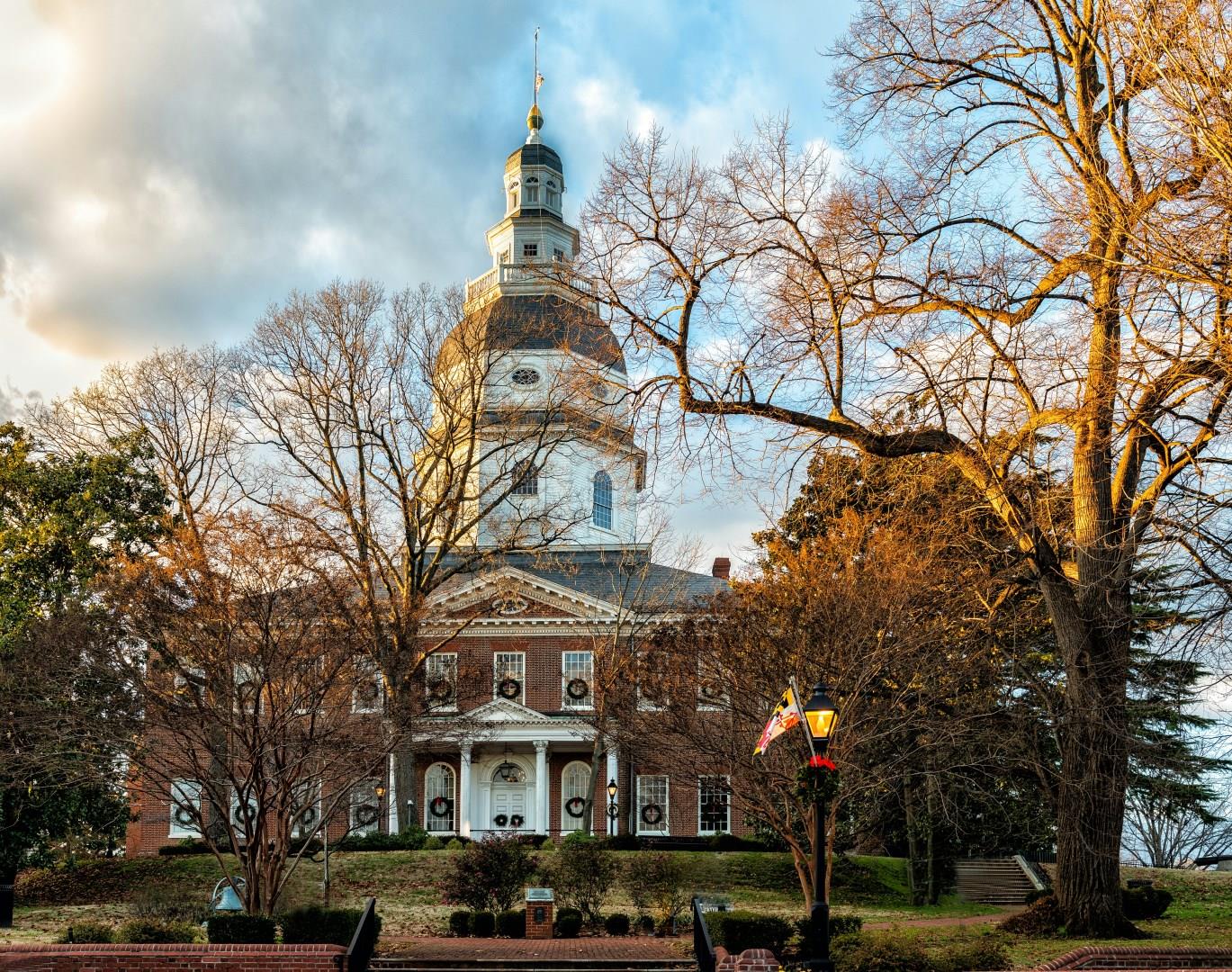
Annapolis
Annapolis may be best known as the state capital, but its real charm lies in its deep maritime history, walkable streets, and Chesapeake Bay lifestyle. Founded in 1649, Annapolis served as the temporary capital of the United States in 1783 and is still home to the oldest state house in continuous legislative use. A visit to the Maryland State House, where George Washington famously resigned his military commission, offers a direct link to the early days of American democracy.
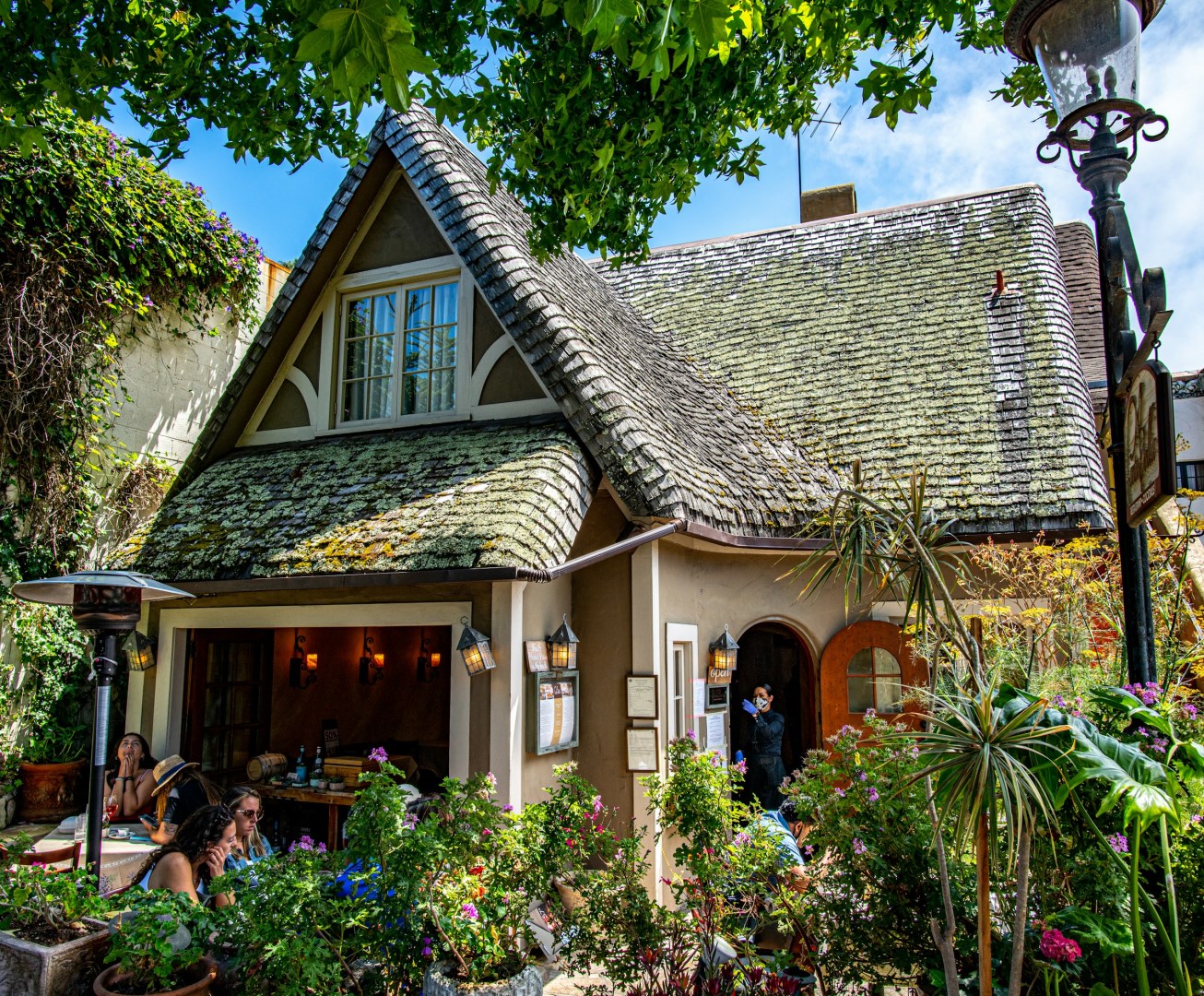
Carmel-by-the-Sea
Carmel-by-the-Sea is a small coastal city on California’s Monterey Peninsula, overlooking Carmel Bay and the Pacific Ocean. The community is known for its compact village center, white-sand beach, cypress trees, and architecture that includes distinctive cottages and courtyards. Much of the commercial district can be explored on foot, with galleries, restaurants, boutiques, and wine-tasting rooms concentrated within a small area.
